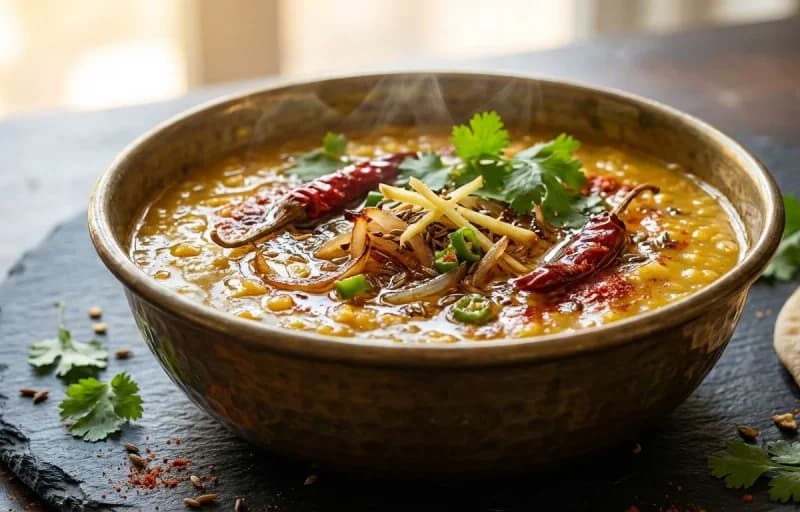
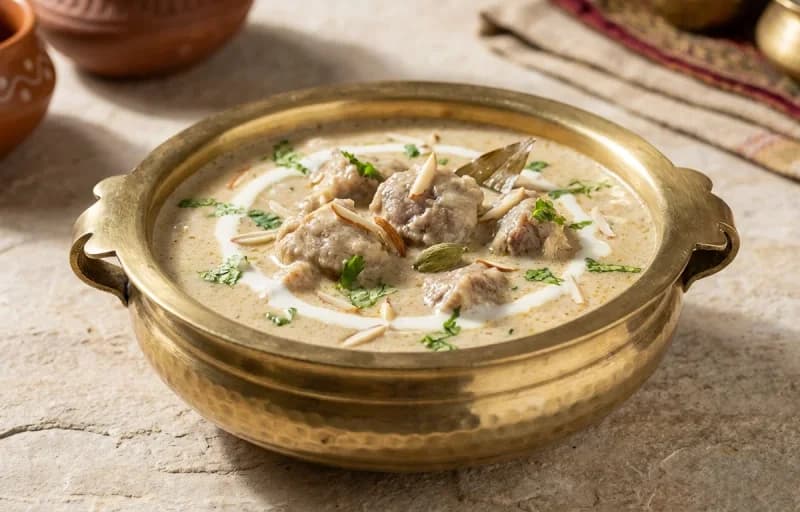
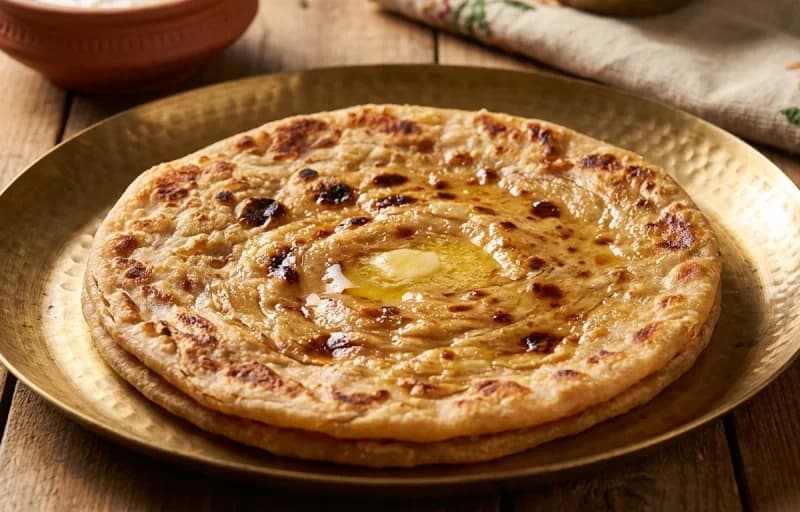
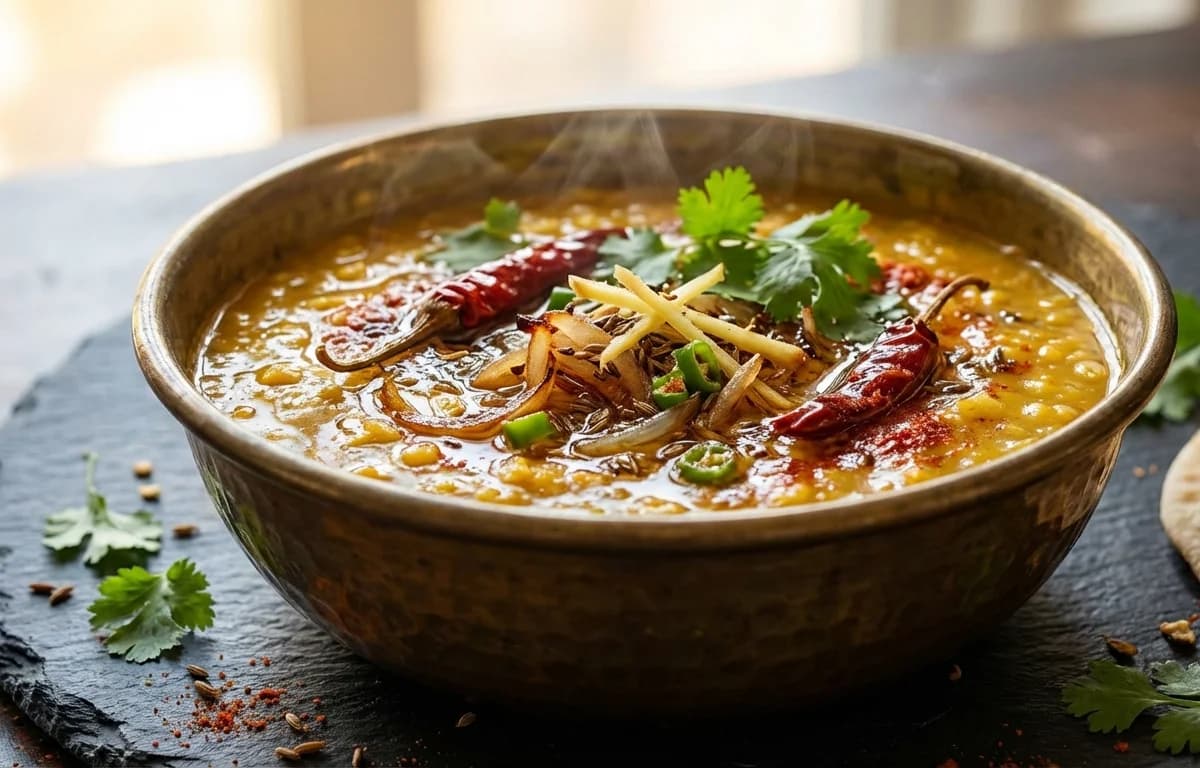
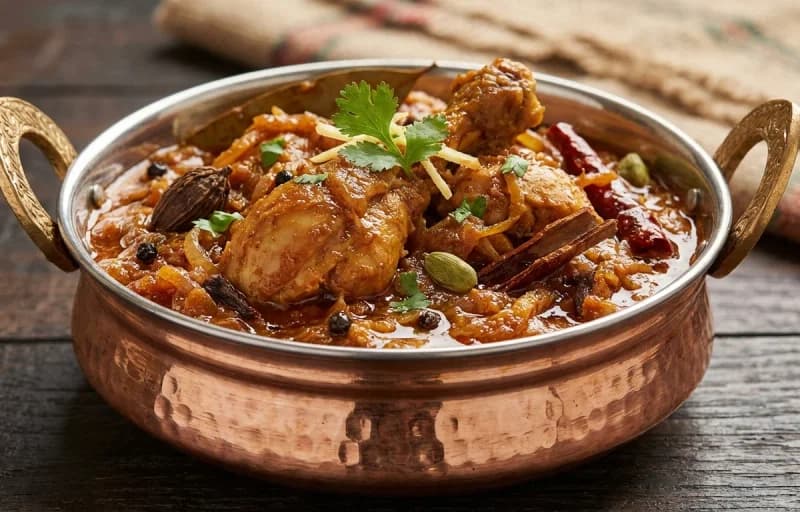
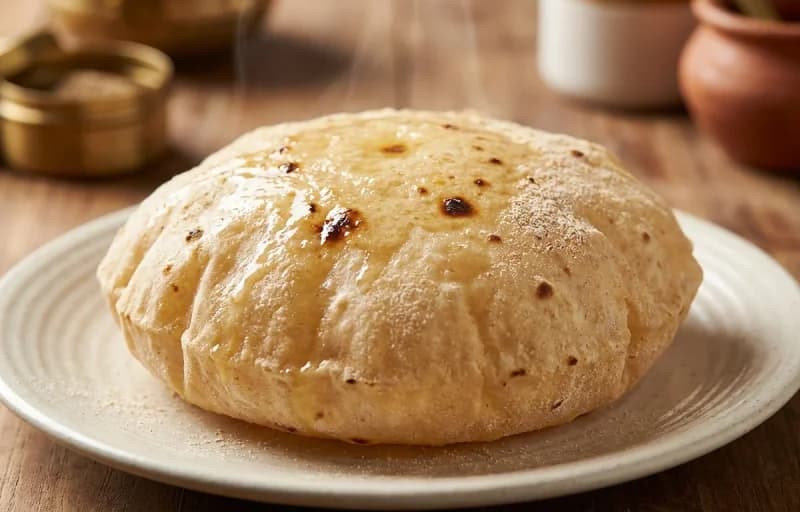
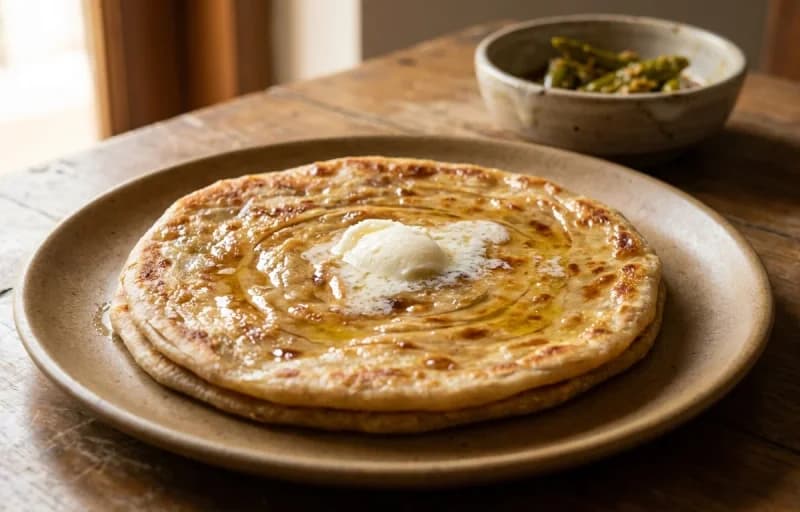
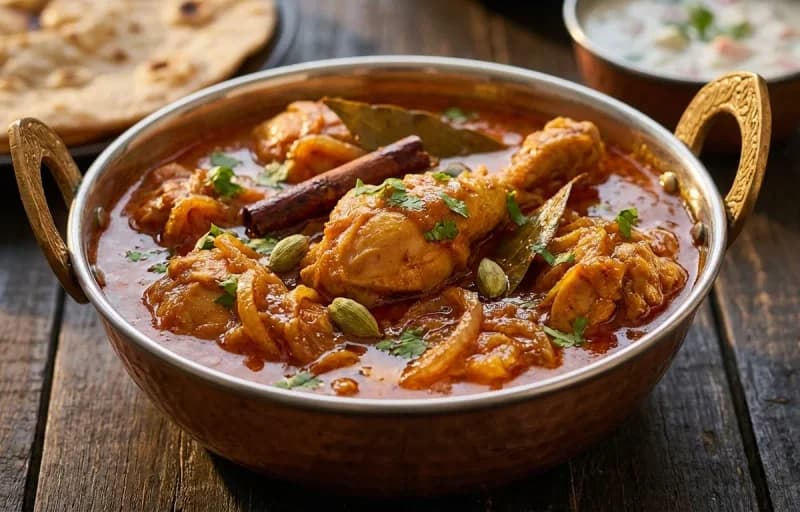
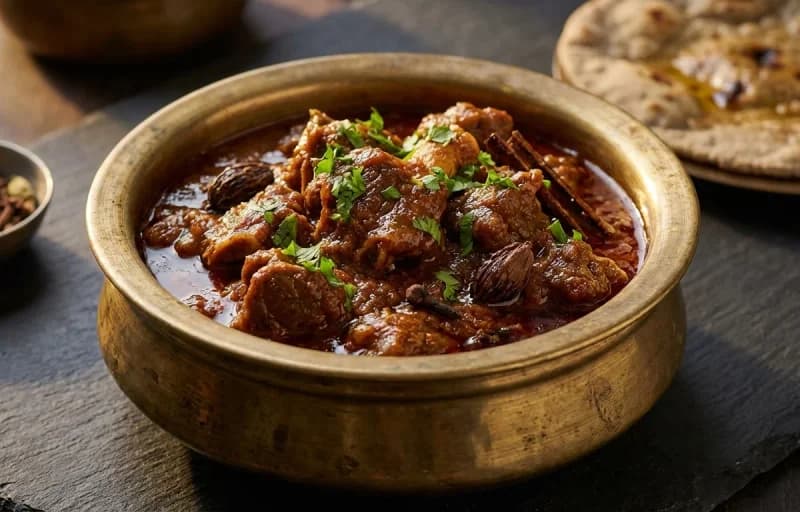
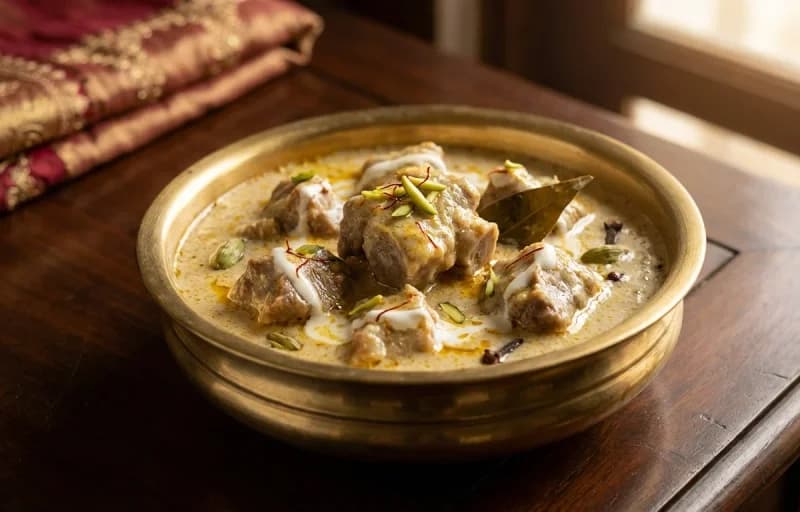
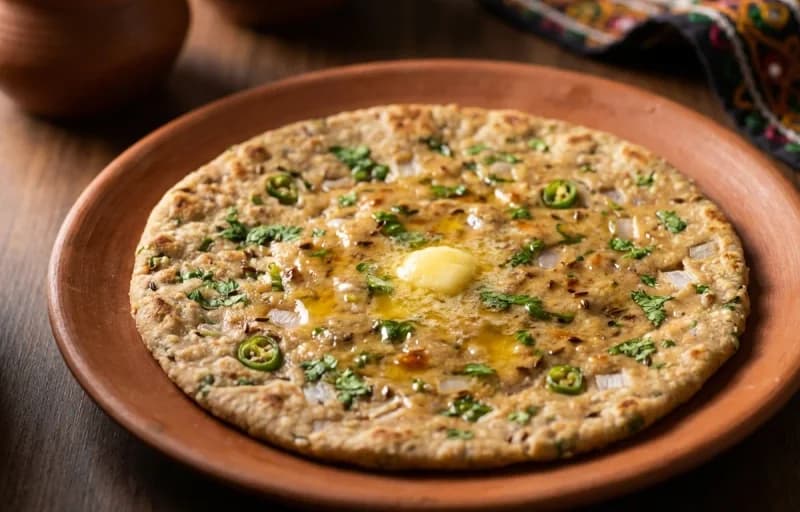
A comforting and classic North Indian lentil dish. Creamy yellow lentils are cooked until tender and then topped with a fragrant tempering of spices sizzled in ghee. Perfect with steamed rice or roti.
Prep10 min
Cook25 min
Soak30 min
Servings4
Serving size: 1 serving
263cal
12gprotein
38gcarbs
Ingredients
1 cup Toor Dal (rinsed and soaked for 30 minutes)
3 cup Water (for pressure cooking, plus more as needed)
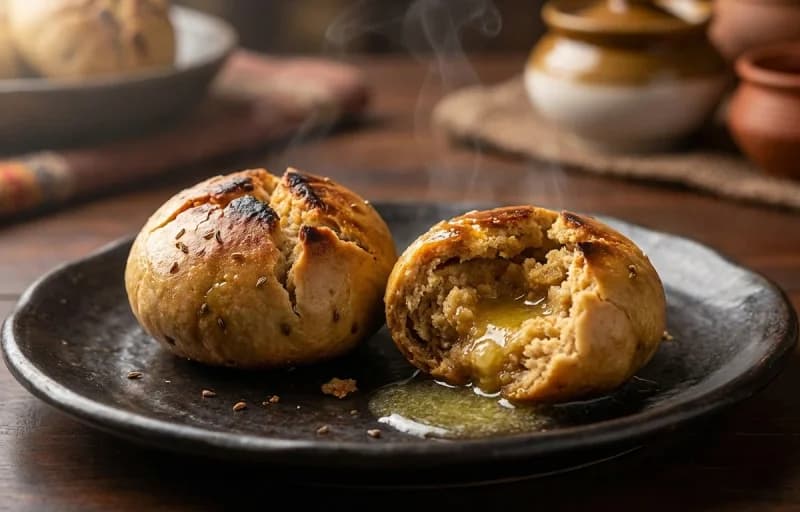
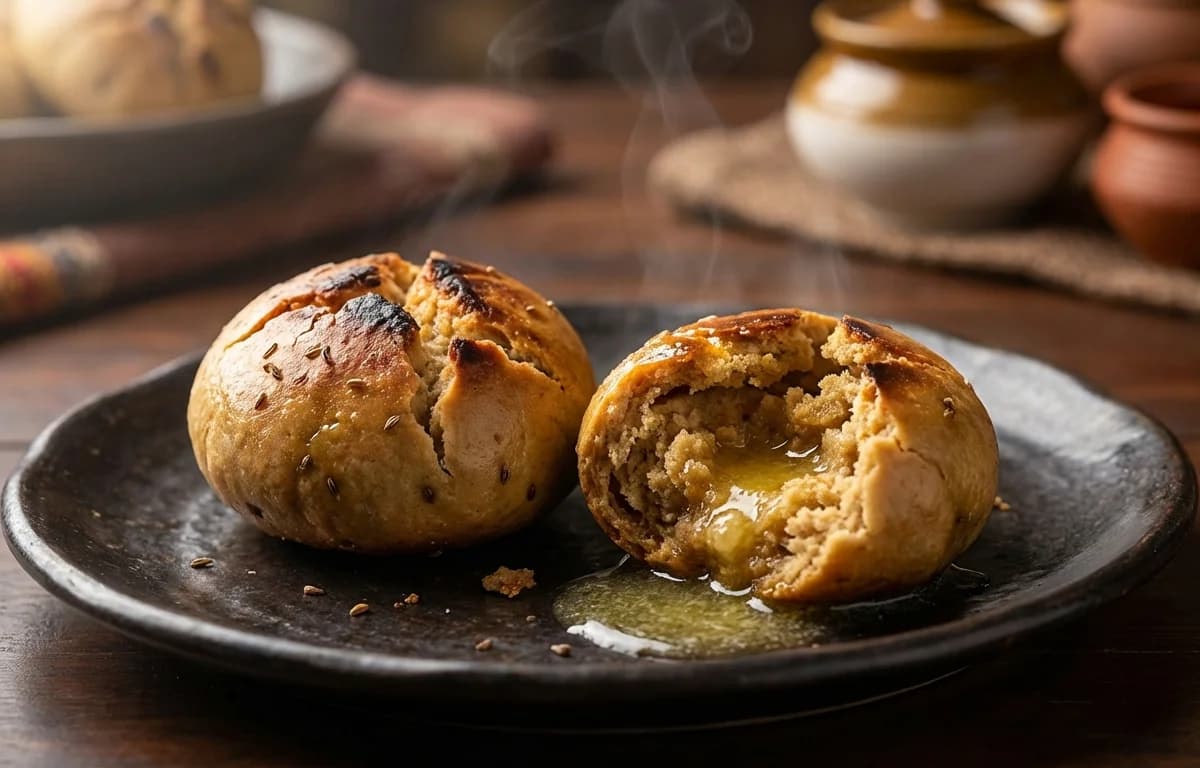
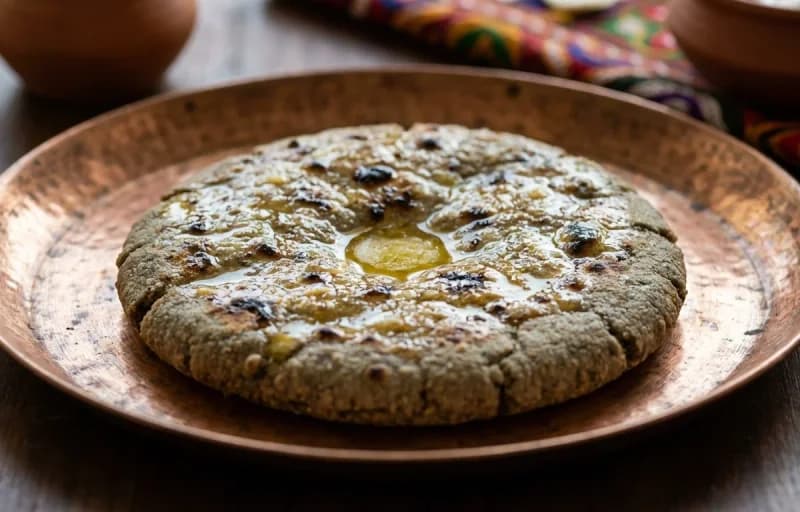
A classic Rajasthani delight, these are hard, unleavened bread balls baked to perfection. Traditionally served with dal and churma, their rustic texture and ghee-soaked interior are perfect for soaking up rich gravies.
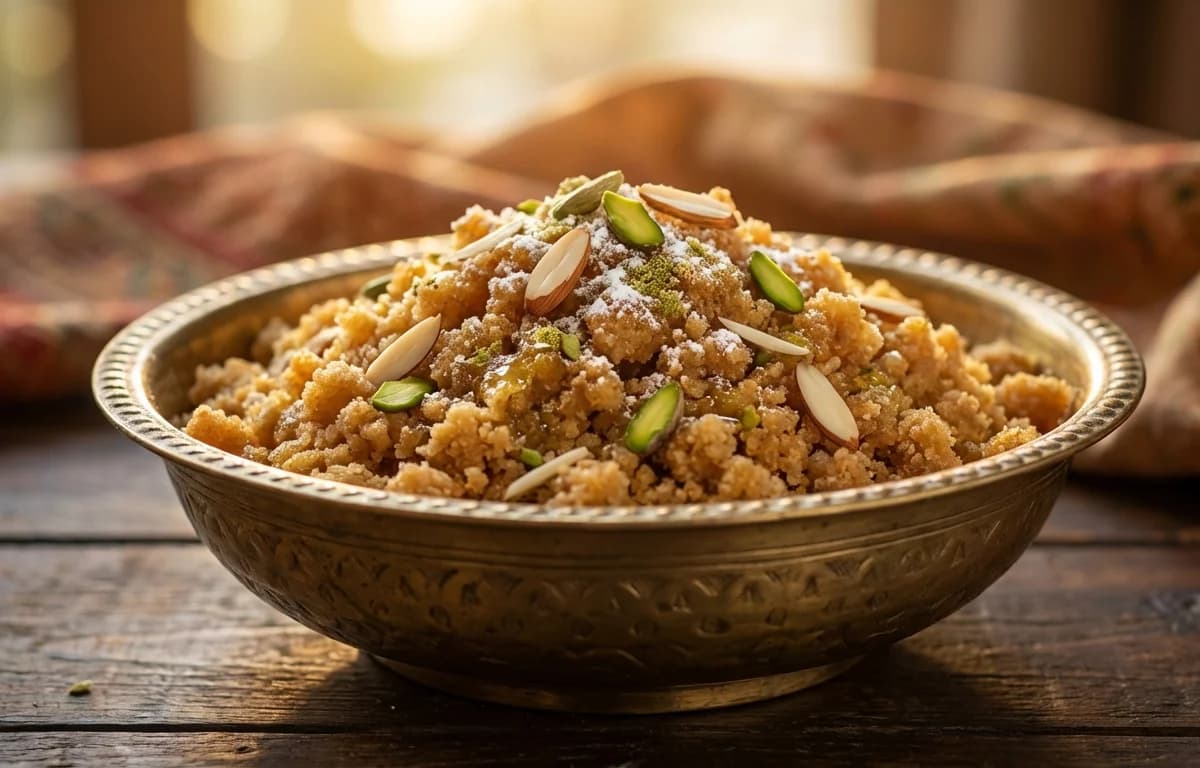
A traditional Rajasthani sweet made from coarsely ground wheat, ghee, and sugar. This crumbly, aromatic dessert is the perfect partner for spicy Dal Baati, creating a classic Rajasthani thali experience.
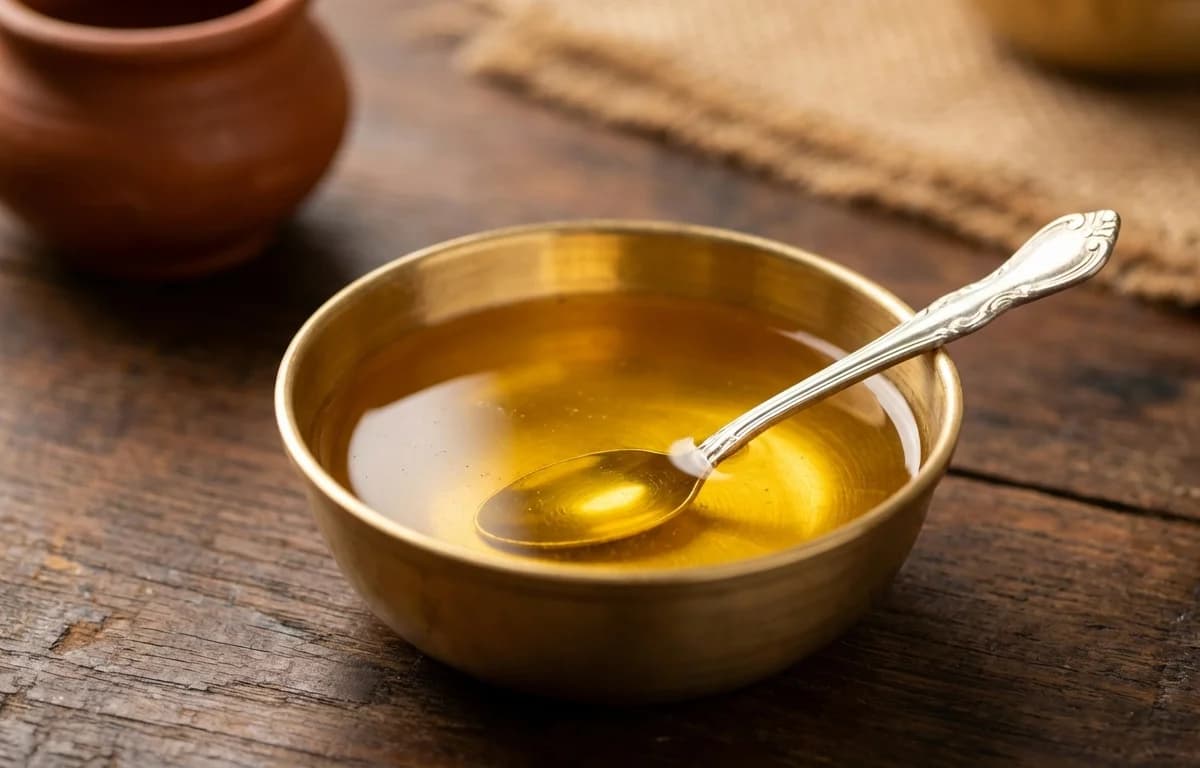
Aromatic and nutty clarified butter, a staple in Indian cooking. Making ghee at home is simple, rewarding, and results in a pure, flavorful cooking fat perfect for sautéing, frying, and tempering.
About Dal Tadka, Rajasthani Baati, Churma and Ghee
Energy-giving Dal Baati Churma – a fiber-rich, soul-satisfying homestyle comfort food!
This rajasthani dish is perfect for lunch or dinner. With 1497.73 calories and 33.81999999999999g of protein per serving, it's a nutritious choice for your meal plan.
8gfat
Green Chili
(slit lengthwise)
1 medium Tomato (finely chopped)
0.25 tsp Hing (asafoetida)
2 pcs Dried Red Chili (whole)
0.5 tsp Kashmiri Red Chili Powder (for color, adjust to taste)
0.5 tsp Garam Masala
2 tbsp Coriander Leaves (freshly chopped, for garnish)
1 tsp Lemon Juice (optional, for a tangy finish)
Instructions
1
Pressure Cook the Dal
Rinse the toor dal thoroughly under cold running water until the water runs clear. Drain.
Place the rinsed dal in a pressure cooker. Add 3 cups of water, turmeric powder, and 1/2 tsp of salt.
Secure the lid and pressure cook on medium-high heat for 4-5 whistles, or about 15 minutes, until the dal is completely soft and mushy.
Allow the pressure to release naturally. This extra time helps the dal become even creamier.
Once the pressure has subsided, open the cooker and whisk the dal gently until it reaches a smooth, consistent texture. If it's too thick, add a little hot water to reach your desired consistency.
2
Prepare the Masala Base
Heat 1 tbsp of ghee in a separate pan or kadai over medium heat.
Add 1/2 tsp of cumin seeds and let them sizzle.
Add the finely chopped onion and sauté for 3-4 minutes until it becomes soft and translucent.
Add the ginger-garlic paste and slit green chilies. Cook for another minute until the raw smell disappears.
Stir in the chopped tomatoes and the remaining 1/2 tsp of salt. Cook for 4-5 minutes, stirring occasionally, until the tomatoes break down and the mixture becomes pulpy.
Pour this onion-tomato masala into the cooked dal. Add the garam masala, stir well, and let it simmer on low heat for 5 minutes for the flavors to meld.
3
Prepare the Final Tempering (Tadka)
In a small tadka pan or small skillet, heat the remaining 1 tbsp of ghee over medium heat until hot.
Add the mustard seeds and the remaining 1/2 tsp of cumin seeds. Allow them to crackle and splutter, which should take about 30 seconds.
Add the whole dried red chilies and hing (asafoetida). Sauté for just 10-15 seconds, being careful not to burn them.
Turn off the heat completely. Immediately add the Kashmiri red chili powder to the hot ghee and give it a quick swirl. This prevents the powder from burning and turning bitter.
4
Combine and Serve
Immediately pour the sizzling hot tempering over the simmering dal. You should hear a satisfying sizzle as the tadka hits the dal.
Stir gently to incorporate the tempering. Stir in the optional lemon juice if using.
Garnish with freshly chopped coriander leaves.
Serve hot with steamed basmati rice, jeera rice, or fresh rotis.
710cal
13gprotein
70gcarbs
44gfat
Ingredients
2.5 cup Whole Wheat Flour (Also known as Atta)
0.5 cup Semolina (Fine variety, also known as Rava or Sooji)
0.75 cup Ghee (Divided use: 4 tbsp for dough, rest for dipping)
1 tsp Carom Seeds (Also known as Ajwain)
0.25 tsp Baking Soda
1 tsp Salt (Adjust to taste)
1 cup Warm Water (Use as needed to form a stiff dough)
Instructions
1
Prepare the Baati Dough
In a large mixing bowl, combine the whole wheat flour, semolina, carom seeds, baking soda, and salt. Mix well.
Add 4 tablespoons of ghee to the flour mixture. Using your fingertips, rub the ghee into the flour until it resembles coarse breadcrumbs. This step, called 'moyan', is crucial for a crumbly texture.
Gradually add warm water, a little at a time, and knead to form a very firm and stiff dough. It should be much harder than a typical chapati dough.
Cover the dough with a damp cloth and let it rest for 20-30 minutes.
2
Shape the Baatis
Preheat your oven to 190°C (375°F).
After the dough has rested, knead it again for a minute to smoothen it out.
Divide the dough into 8 equal portions. Roll each portion between your palms to form a smooth, crack-free ball.
Gently flatten each ball and use your thumb to make a small indentation in the center. This helps the baati cook evenly from the inside.
3
Bake the Baatis
Arrange the shaped baatis on a baking tray, ensuring there is some space between them.
Bake in the preheated oven for 20-25 minutes. The bottoms should be light golden brown.
Carefully flip each baati over and continue to bake for another 10-15 minutes.
The baatis are done when they are golden brown all over and have developed characteristic cracks on the surface.
4
Soak in Ghee and Serve
While the baatis are baking, melt the remaining ghee in a small bowl over low heat.
Once the baatis are out of the oven and still hot, use a kitchen towel to gently press and crack them open slightly.
Dip each hot, cracked baati into the warm melted ghee. Let it soak for 30-60 seconds to absorb the ghee.
Remove the baatis from the ghee and serve immediately with hot Panchmel Dal and sweet Churma for a complete Rajasthani meal.
0.25 cup Semolina (Fine variety, also known as Sooji or Rava)
3 tbsp Ghee (For the dough)
0.5 cup Water (Use as needed to form a stiff dough)
0.75 cup Powdered Sugar (Adjust to taste)
0.5 tsp Cardamom Powder (Freshly ground is best)
1 tbsp Almonds (Finely chopped or slivered)
1 tbsp Pistachios (Finely chopped)
1 tbsp Cashews (Finely chopped)
Instructions
1
Prepare the Dough
In a large mixing bowl, combine the whole wheat flour and semolina.
Add 3 tablespoons of ghee. Using your fingertips, rub the ghee into the flour until the mixture resembles coarse breadcrumbs. This process, called 'moyan', is key for a crumbly texture.
Gradually add small amounts of water and knead to form a very stiff and tight dough. It should not be soft or pliable like chapati dough.
Cover the dough with a damp cloth and let it rest for 15-20 minutes.
2
Shape and Fry the Muthiyas
Divide the rested dough into 8-10 equal portions.
Take each portion and shape it into a log or a flattened disc by pressing it in your fist. These are called 'muthiyas'. Don't worry about a smooth surface; cracks are normal.
Heat 2 cups of ghee in a heavy-bottomed kadai or pan over low heat. The ghee should be hot but not smoking.
Carefully slide the muthiyas into the ghee. Fry on a consistent low flame for 20-25 minutes, turning them occasionally for even cooking.
The muthiyas are done when they are a deep golden brown and feel hard and cooked through. A skewer inserted into the center should come out clean.
1 lb Unsalted Butter (High-quality, grass-fed butter will yield the most flavorful and nutritious ghee.)
Instructions
1
Melt the Butter
Cut the unsalted butter into 1-inch cubes to ensure even melting.
Place the butter cubes in a heavy-bottomed, medium-sized saucepan or pot.
Heat the pot over medium-low heat. Allow the butter to melt completely without stirring, which should take about 5-7 minutes.
2
Simmer and Clarify
Once melted, increase the heat slightly to a medium-low simmer. The butter will go through several stages.
First, it will come to a boil and a layer of white foam (milk solids) will form on top. Let it simmer gently.
After 10-15 minutes, the foam will start to thin, the bubbling will become finer, and the liquid will turn more transparent.
Continue simmering. The milk solids will begin to sink to the bottom and turn a golden-brown color. The bubbling will become very quiet, and the liquid will be clear and golden. This process takes about 10 more minutes.
The key indicator that the ghee is ready is a distinct nutty, popcorn-like aroma. Be very watchful at this stage to prevent the solids from burning.
3
Strain the Ghee
Immediately remove the pot from the heat once the milk solids are golden brown and the aroma is nutty.
Let the ghee cool in the pot for about 5-10 minutes to reduce the risk of burns.
Line a fine-mesh sieve with 2-3 layers of cheesecloth and place it over a clean, completely dry, heatproof glass jar.
Carefully and slowly pour the hot ghee through the cheesecloth-lined sieve, leaving the browned milk solids behind in the pot.
4
Cool and Store
Allow the strained ghee to cool completely to room temperature in the jar, uncovered. As it cools, it will solidify and become opaque.
Once fully cooled and solidified, seal the jar with an airtight lid.
Store the ghee in a cool, dark pantry for up to 3 months, or in the refrigerator for up to a year.
Remove them with a slotted spoon and place them on a wire rack or plate to drain excess ghee.
3
Cool and Grind
Let the fried muthiyas cool down completely to room temperature. This step is crucial and can take at least 30 minutes. Do not proceed while they are warm.
Once completely cool, break the hard muthiyas into small pieces using a pestle or by hand.
Transfer these pieces to a grinder jar. Pulse in short bursts until you get a coarse, granular powder similar to the texture of sand. Avoid over-grinding into a fine flour.
For a very uniform texture, you can pass the ground mixture through a coarse sieve.
4
Final Mixing and Serving
Transfer the ground churma to a large mixing bowl.
Add the powdered sugar, cardamom powder, and chopped nuts.
Pour the 1/4 cup of melted ghee over the mixture.
Mix everything thoroughly with your hands or a spoon until all the ingredients are well combined.
Your authentic Rajasthani Churma is ready. Serve it warm, traditionally as part of a Dal Baati Churma thali.