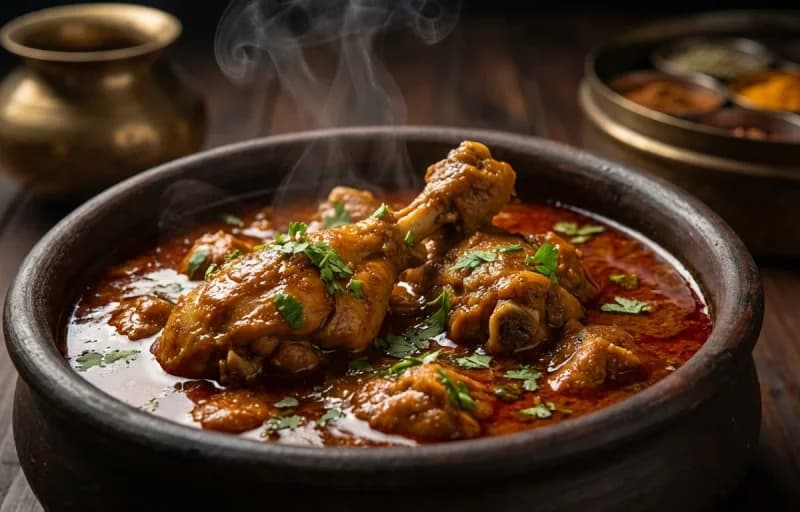
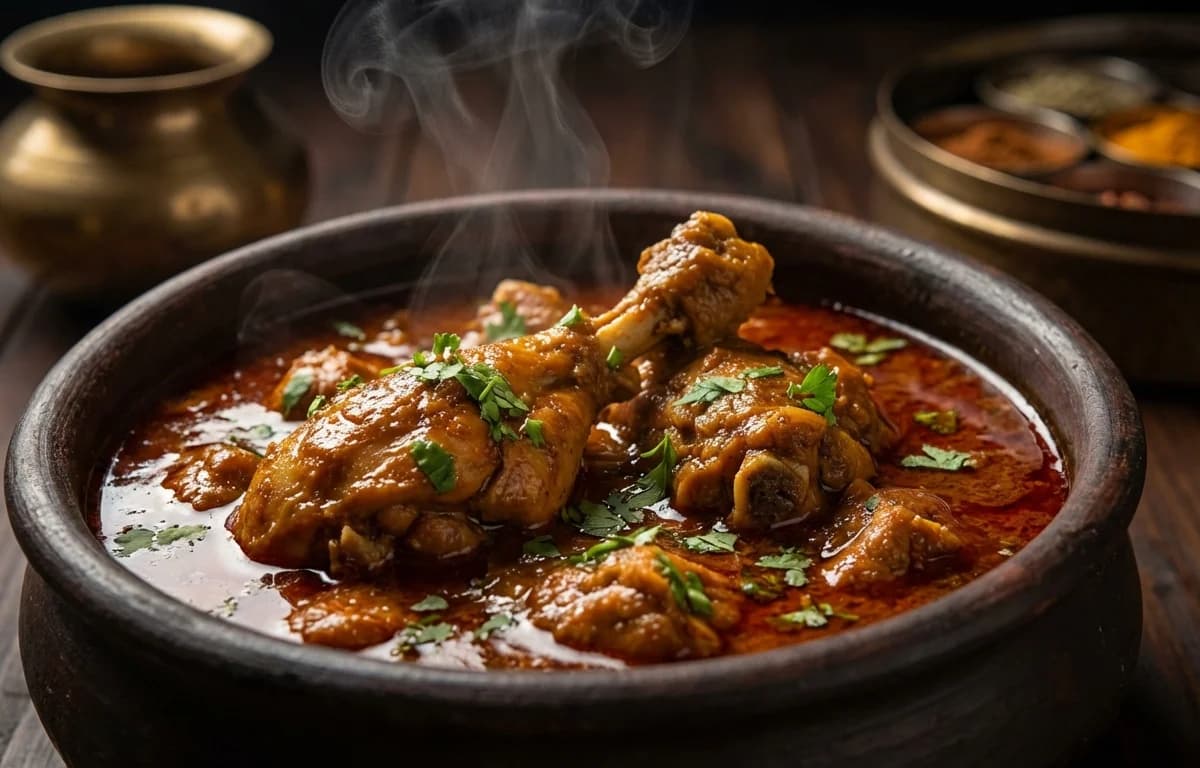
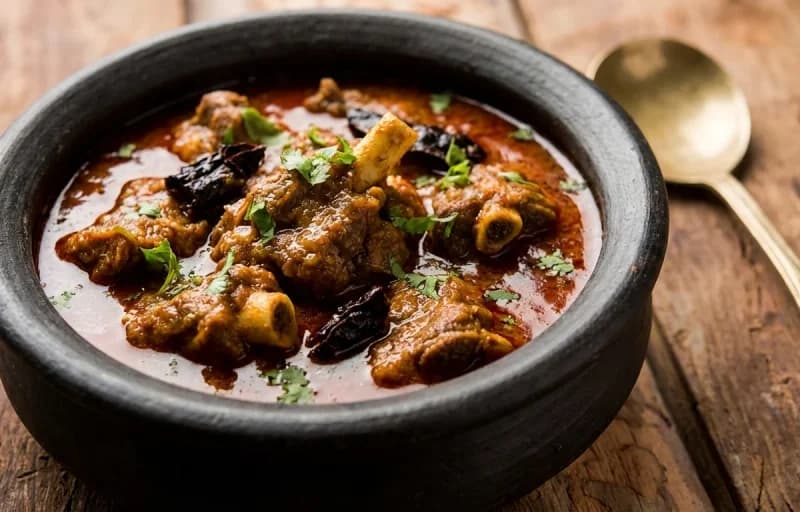
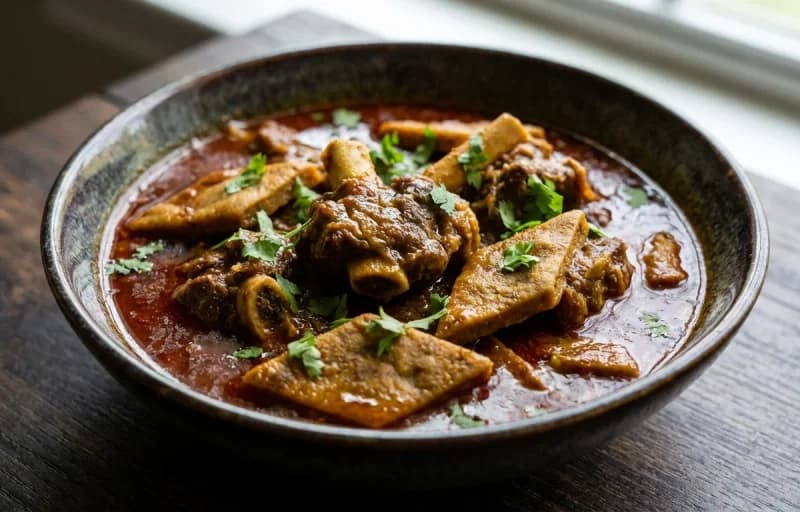
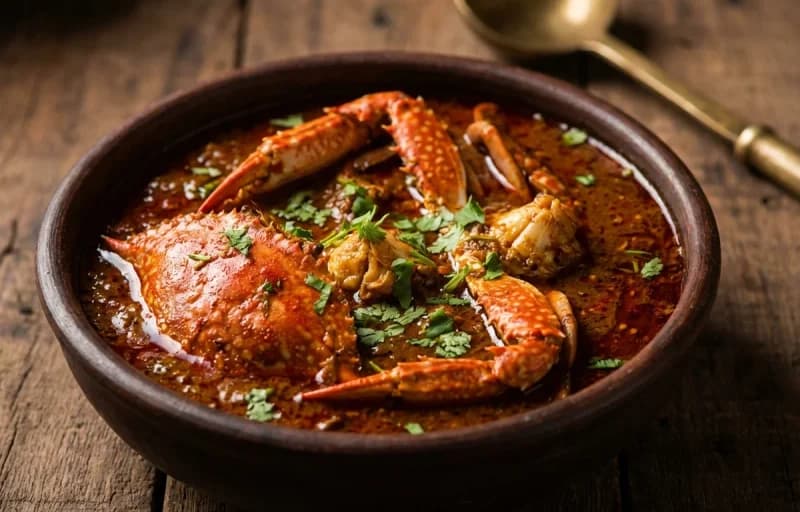
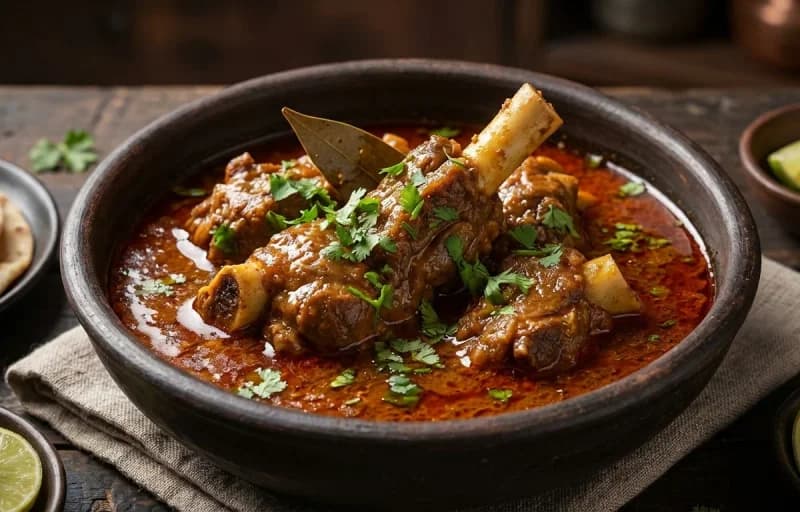
A rustic and spicy Maharashtrian country chicken curry. Tender, slow-cooked chicken in a thin, flavorful gravy made with roasted coconut and aromatic spices. Best enjoyed with bhakri or rice.
Prep25 min
Cook60 min
Servings4
Serving size: 1 serving
594cal
44gprotein
19gcarbs
39g
Ingredients
750 g Country Chicken (cut into curry pieces)
0.75 tsp Turmeric Powder (divided; 1/2 tsp for marinade, 1/4 tsp for curry)
1 tsp Red Chili Powder (for marinade, adjust to taste)
1 tbsp Ginger-Garlic Paste (for marinade)
2 tsp Salt (divided, or to taste)
0.5 cup Dry Coconut (grated or thinly sliced (khobra))
3 medium Onion (2 sliced for masala, 1 finely chopped for curry)
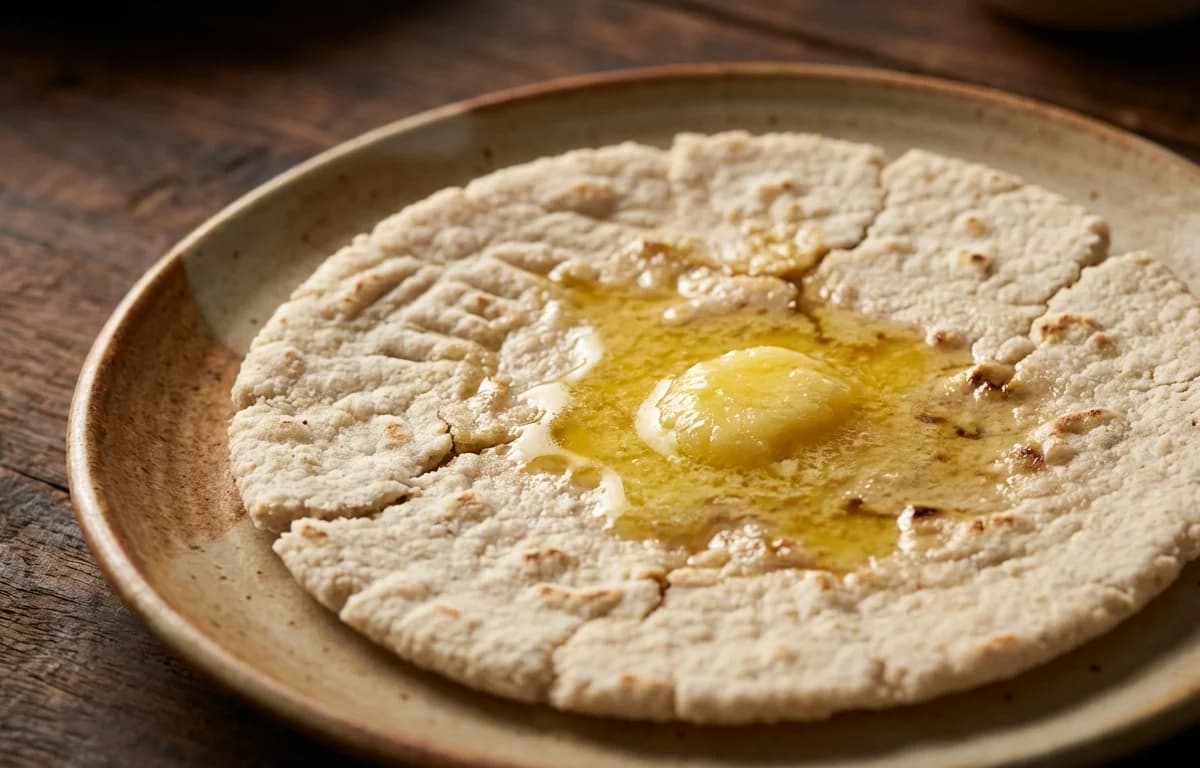
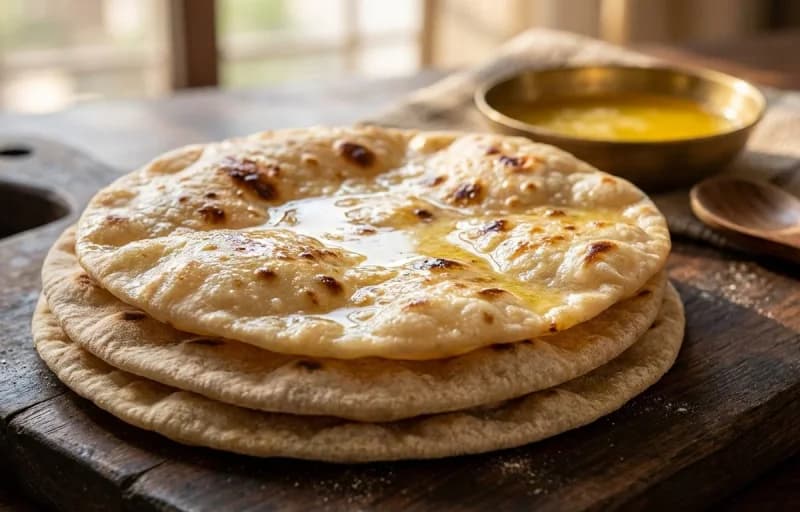
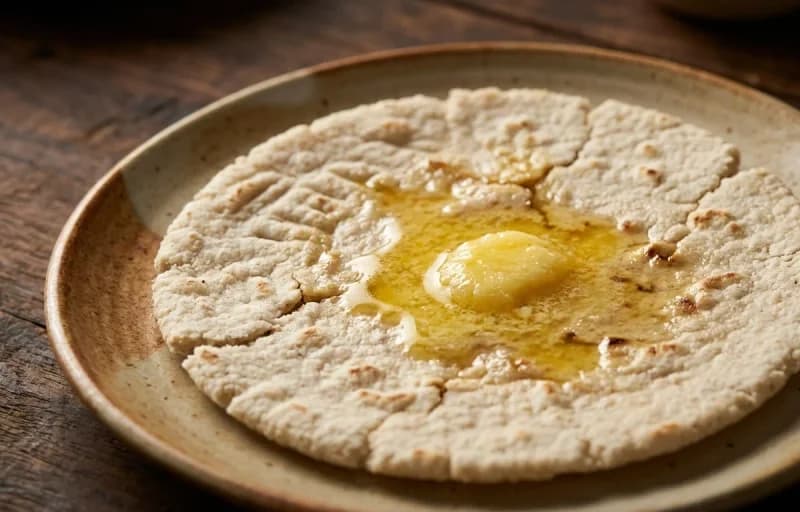
A rustic, gluten-free flatbread from Maharashtra made with sorghum flour. This wholesome bhakri is traditionally patted by hand and cooked on a griddle until it puffs up beautifully. Perfect with spicy curries or chutneys.
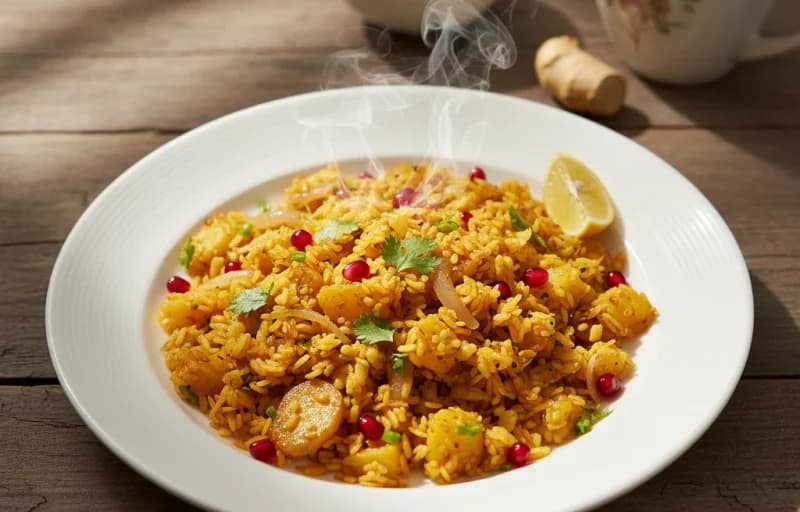
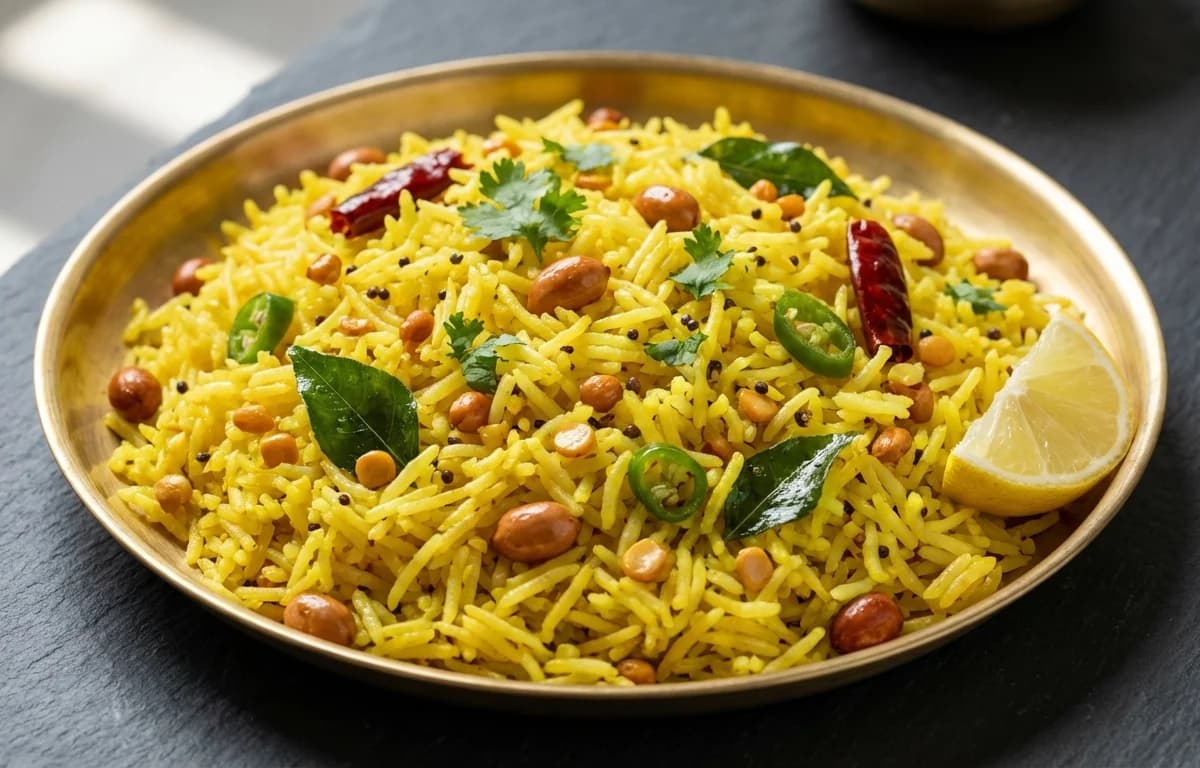
A tangy and flavorful South Indian rice dish made with fluffy rice, a crunchy tempering of lentils and peanuts, and a generous squeeze of fresh lemon juice. A quick and easy meal perfect for lunchboxes or a light dinner.
This maharashtrian dish is perfect for lunch. With 1207.16 calories and 59.67g of protein per serving, it's a nutritious choice for your meal plan.
fat
Garlic Cloves
(for masala paste)
1 tbsp Coriander Seeds
1 tsp Cumin Seeds
10 whole Black Peppercorns
5 whole Cloves
1 inch Cinnamon Stick
4 tbsp Vegetable Oil (divided)
2 tbsp Kanda Lasun Masala (adjust to your spice preference)
0.5 tsp Garam Masala
4 cup Hot Water (for the gravy)
3 tbsp Coriander Leaves (finely chopped, for garnish)
Instructions
1
Marinate the Chicken
In a large bowl, combine the chicken pieces with 1/2 tsp turmeric powder, 1 tsp red chili powder, ginger-garlic paste, and 1 tsp of salt.
Mix thoroughly to ensure each piece is evenly coated.
Cover and set aside to marinate for at least 30 minutes, or up to 2 hours in the refrigerator.
2
Prepare the Masala Paste (Vatap)
In a heavy-bottomed pan or kadai, dry roast the grated coconut on low-medium heat, stirring continuously until it turns a deep, fragrant brown. This may take 5-7 minutes. Remove and set aside.
In the same pan, heat 1 tbsp of oil. Add the coriander seeds, cumin seeds, black peppercorns, cloves, and cinnamon stick. Sauté for 30-40 seconds until they release their aroma.
Add the 2 sliced onions and sauté on medium heat until they are deeply caramelized and dark brown, which is crucial for the curry's color. This will take about 10-12 minutes.
Add the ginger and garlic cloves and cook for another 2 minutes until the raw smell disappears.
Turn off the heat and let this mixture cool down completely.
Transfer the cooled onion-spice mixture and the roasted coconut to a grinder. Add a few tablespoons of water and grind to a very smooth, fine paste.
3
Cook the Curry Base
Heat the remaining 3 tbsp of oil in a pressure cooker over medium heat. A generous amount of oil is key for the 'tari' (red oil layer).
Add the 1 finely chopped onion and sauté until it turns golden brown, about 5-7 minutes.
Add the ground masala paste (vatap) and cook for 8-10 minutes, stirring frequently. Cook until the paste darkens in color, becomes very fragrant, and you see oil separating from the sides.
4
Pressure Cook the Chicken
Add the marinated chicken to the pressure cooker. Increase the heat to high and sauté for 5-7 minutes, searing the chicken pieces well.
Lower the heat to medium. Add the Kanda Lasun Masala, the remaining 1/4 tsp turmeric powder, and garam masala. Stir well and cook for 1 minute until the spices are aromatic.
Pour in 4 cups of hot water and the remaining 1 tsp of salt. Stir everything together, scraping the bottom of the cooker.
Secure the lid of the pressure cooker. Cook on medium heat for 5-6 whistles (approximately 20-25 minutes for country chicken).
Turn off the heat and allow the pressure to release naturally. Do not force release.
5
Simmer and Garnish
Once the pressure has fully released, carefully open the cooker.
Place the cooker back on the stove and simmer the curry on low heat, uncovered, for 10-15 minutes. This step is essential for the flavors to meld and for the characteristic red oil layer (tari) to float on top.
Check for seasoning and adjust salt if needed.
Garnish generously with freshly chopped coriander leaves.
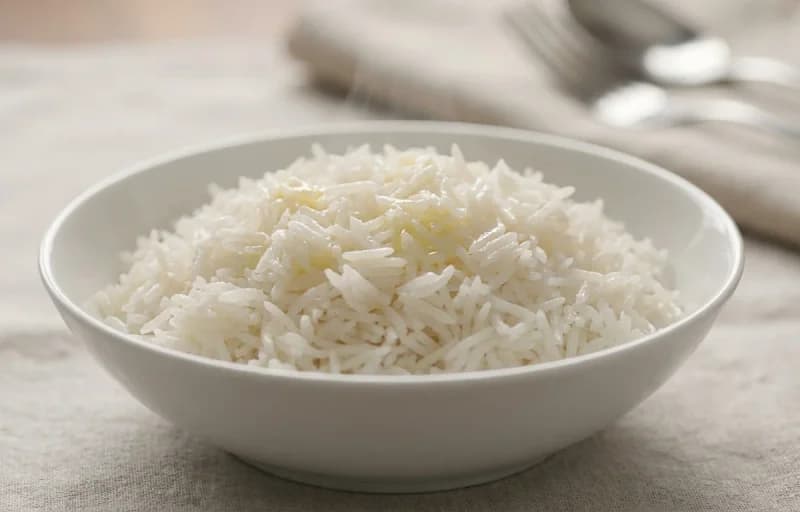
Serve the Gavran Kombdi Rassa hot with jowar bhakri, chapati, or steamed rice.
262cal
8gprotein
44gcarbs
8gfat
Ingredients
2 cup jowar atta
1.5 cup hot water (for kneading)
0.75 tsp salt
2 tbsp ghee (optional, for serving)
Instructions
1
Prepare the dough: In a large bowl, mix together the jowar flour and salt. Gradually pour in the hot water while mixing with a spoon. The water should be hot but manageable to touch. Once the flour comes together, knead it with the heel of your palm for 5-7 minutes until you get a smooth, soft, and pliable dough. It should not be sticky. Cover the dough with a damp cloth and let it rest for 10 minutes.
2
Divide the dough into equal portions.
3
Pat the bhakri: Take one portion of the dough and roll it into a smooth ball. Sprinkle some dry jowar flour on a clean, flat surface or a chakla (rolling board). Place the dough ball on the floured surface and gently flatten it with your palm. Using your fingers and palm, start patting the dough, rotating it simultaneously to form an even, thin circle of about 5-6 inches in diameter. Dust with more flour as needed to prevent sticking.
4
Cook the bhakri: Heat a cast iron tawa or griddle over medium-high heat. It should be hot before you place the bhakri on it. Carefully lift the patted bhakri and place it on the hot tawa. Sprinkle a little water on the top surface and spread it evenly with your fingers. Cook for about 1 minute, until the water evaporates and the top looks dry. Flip the bhakri and cook the other side for another 1-2 minutes, until light brown spots appear. Using tongs, lift the bhakri and place it directly on a medium flame. It will puff up like a balloon. Flip and cook the other side on the direct flame for a few seconds. Avoid burning it. Repeat the process for all the remaining dough balls.
5
Serve the Jowar Bhakri immediately, smearing a little ghee on top if you like.
4 cup Cooked Basmati Rice (Preferably cooled or leftover rice)
2 tbsp Sesame Oil (Gingelly oil is traditional)
1 tsp Mustard Seeds
1 tsp Urad Dal (Split black gram)
1 tbsp Chana Dal (Split Bengal gram)
0.25 cup Raw Peanuts
2 pcs Dried Red Chilies (Broken into halves)
2 pcs Green Chilies (Slit lengthwise)
1 sprig Curry Leaves (About 10-12 leaves)
0.25 tsp Hing (Asafoetida)
0.5 tsp Turmeric Powder
3 tbsp Lemon Juice (Freshly squeezed, from 1-2 large lemons)
1 tsp Salt (Adjust to taste)
0.25 tsp Sugar (Optional, to balance tanginess)
2 tbsp Fresh Coriander (Finely chopped, for garnish)
Instructions
1
Prepare the Rice
If using freshly cooked rice, spread it on a large plate or tray to cool down completely. This prevents the grains from breaking and becoming mushy.
Gently fluff the cooled rice with a fork to separate the grains. Set aside.
2
Create the Tempering (Tadka)
Heat sesame oil in a large, heavy-bottomed pan or kadai over medium heat.
Once the oil is hot, add the mustard seeds and allow them to splutter completely, which takes about 30 seconds.
Reduce the heat to low, then add the chana dal and urad dal. Sauté for 1-2 minutes, stirring continuously, until they turn a light golden brown and become aromatic.
Add the raw peanuts and continue to sauté for another 2-3 minutes until they are crunchy and lightly browned.
Add the broken dried red chilies, slit green chilies, and curry leaves. Be careful as the curry leaves will splutter. Sauté for 30 seconds until the leaves are crisp.
3
Combine with Rice
Add the hing and turmeric powder to the pan and stir for 10 seconds.
Immediately add the cooled, fluffed rice, salt, and optional sugar to the pan.
Gently mix everything together, ensuring the tempering is evenly distributed throughout the rice. Be careful not to mash the rice grains. Continue to toss on low heat for 2 minutes until the rice is heated through.
4
Finish and Serve
Turn off the heat completely. Pour the fresh lemon juice over the rice.
Add the chopped fresh coriander.
Give it one final gentle mix to combine. The residual heat will incorporate the flavors.
Serve the Lemon Rice warm, either on its own or with accompaniments like papad, raita, or coconut chutney.