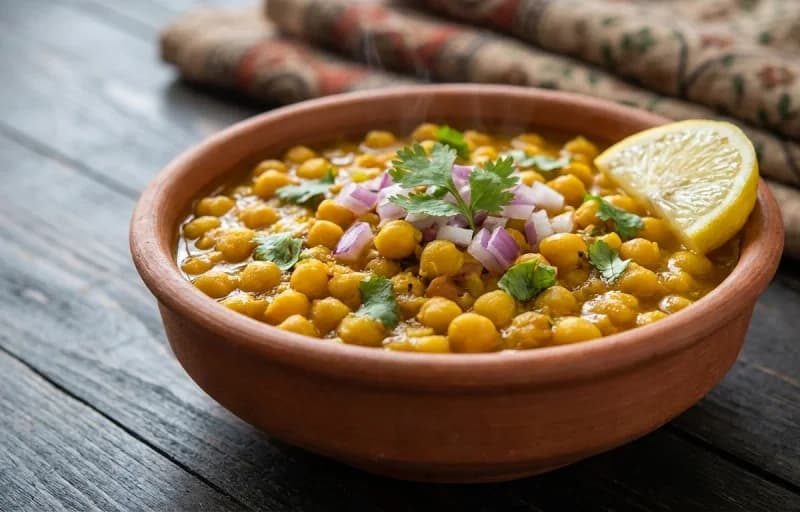
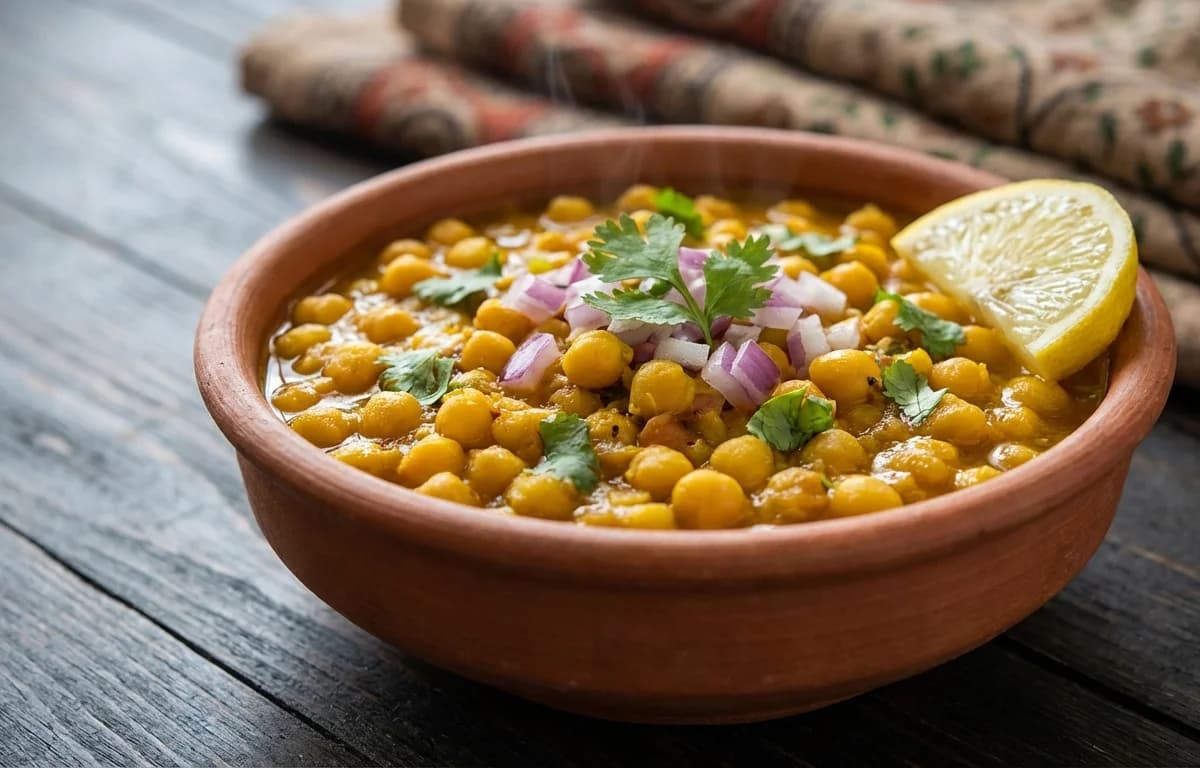
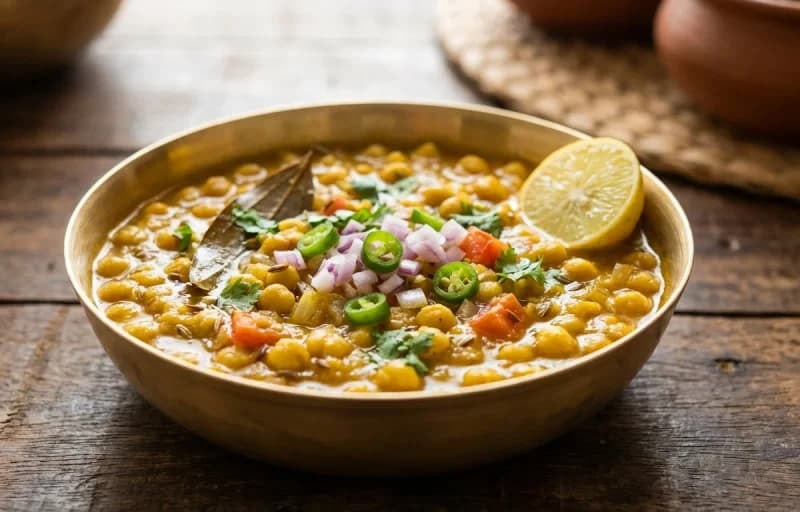
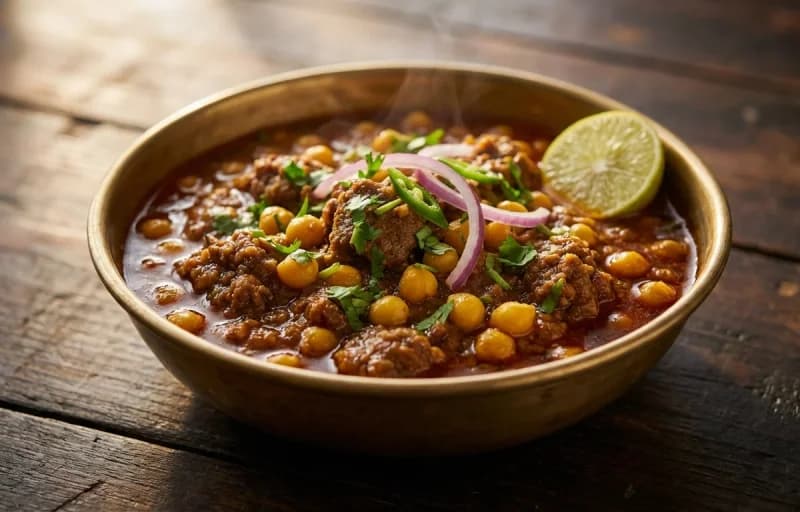
This classic Bengali street food is a hearty, spiced curry made from dried yellow peas. It's a comforting, protein-packed dish, often enjoyed as a snack or a light meal, garnished with fresh onion and lime.
Prep15 min
Cook40 min
Soak480 min
Servings4
Serving size: 1 serving
412cal
21gprotein
59gcarbs
Ingredients
1.5 cup Dried Yellow Peas (Soaked overnight and drained)
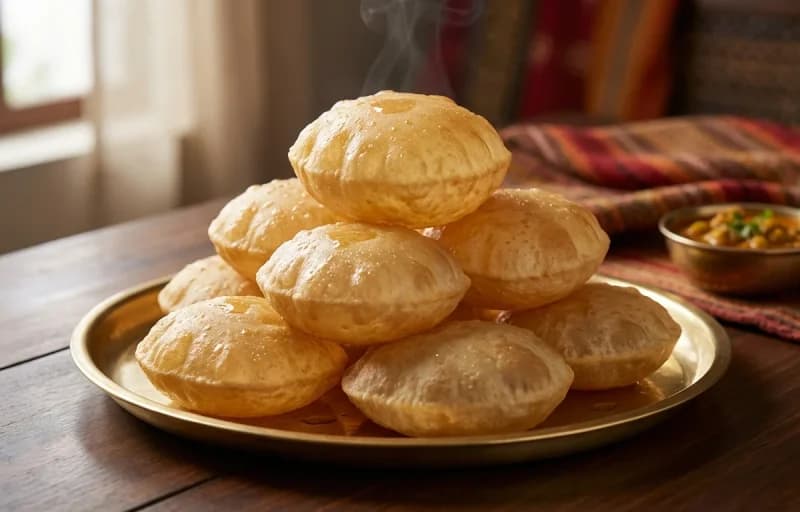
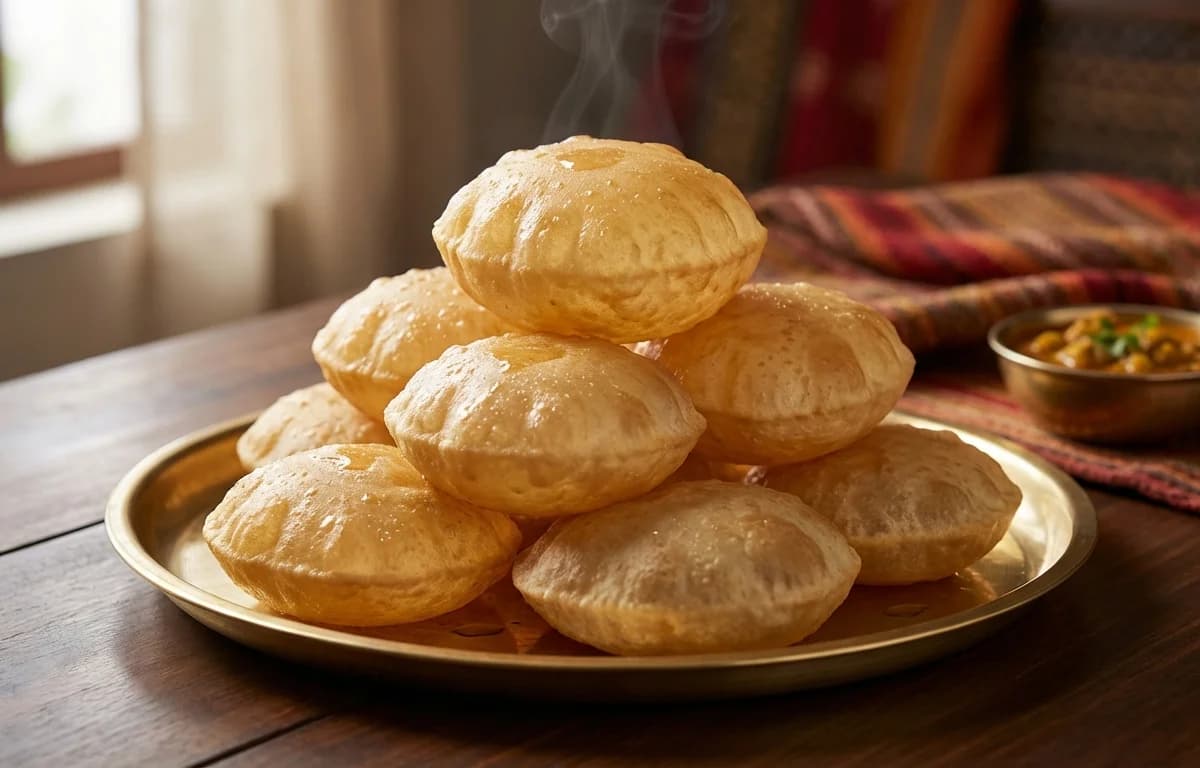
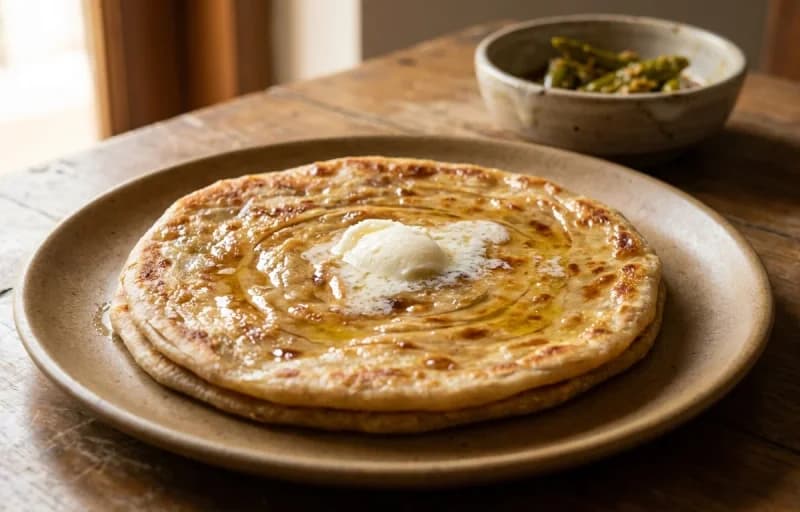
A quintessential Indian fried bread, Poori is a golden, puffy delight. Made from a simple whole wheat dough, it puffs up magically when fried, creating a hollow, soft, and slightly crisp bread perfect for scooping up curries like Aloo Sabzi or Chana Masala. A festive staple, this recipe guides you to make perfect, non-oily pooris every time.
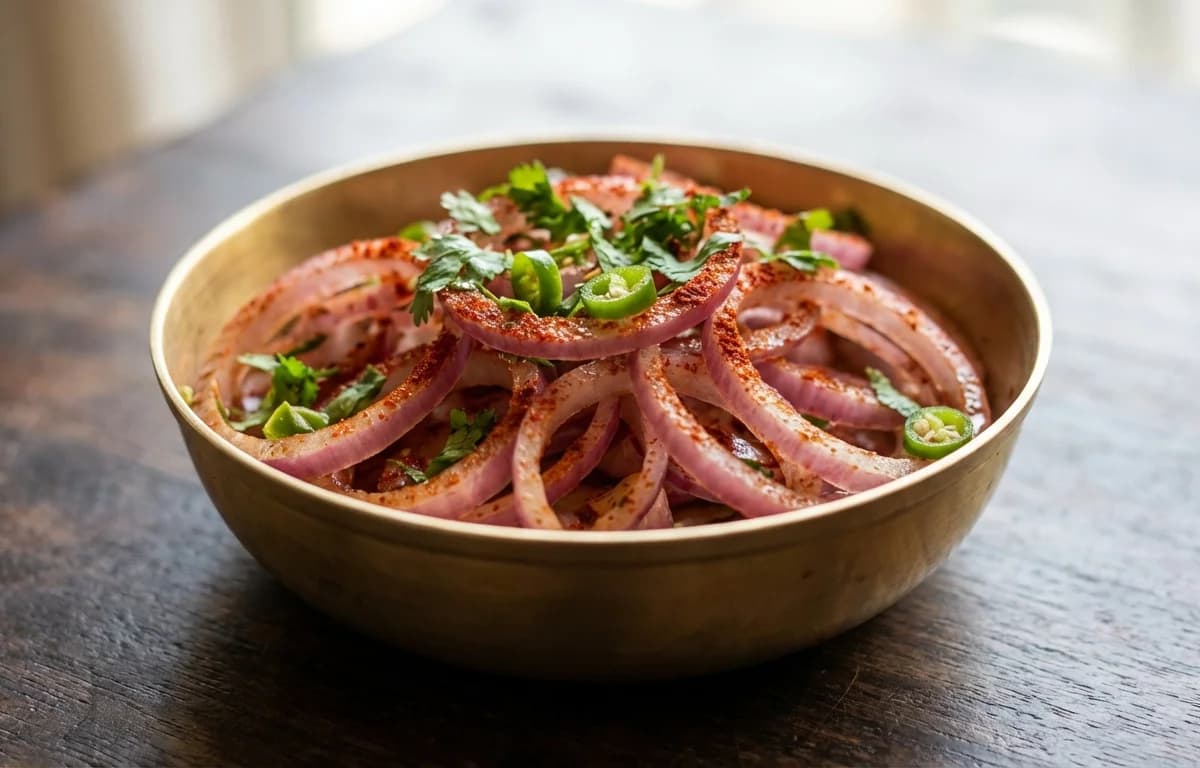
Crisp, sweet onion rings marinated in a tangy apple cider vinegar dressing with fresh parsley. A perfect, refreshing topping for burgers, grilled meats, or as a simple side for any barbecue.
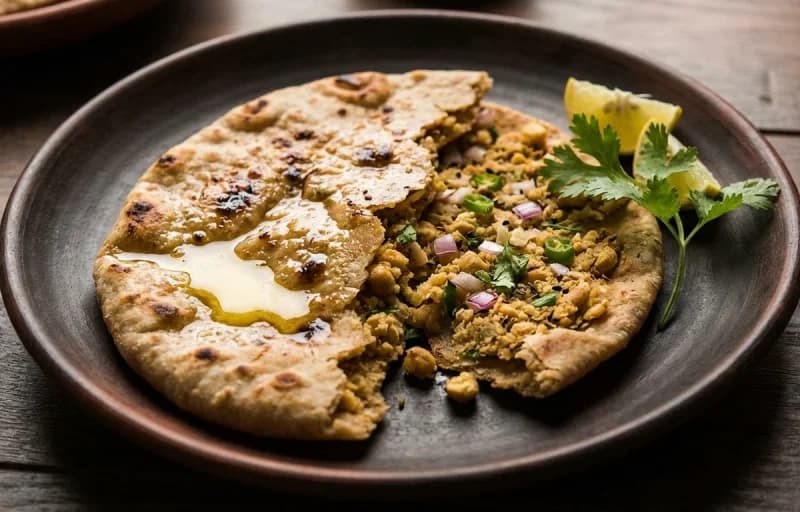
Tangy, perfectly spiced Ghugni with fluffy Poori – a fiber-rich comfort food, quick to make and delicious!
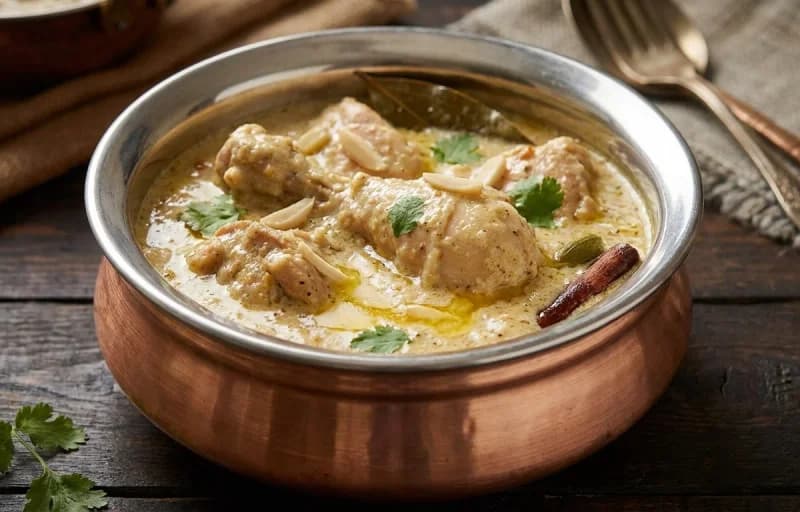
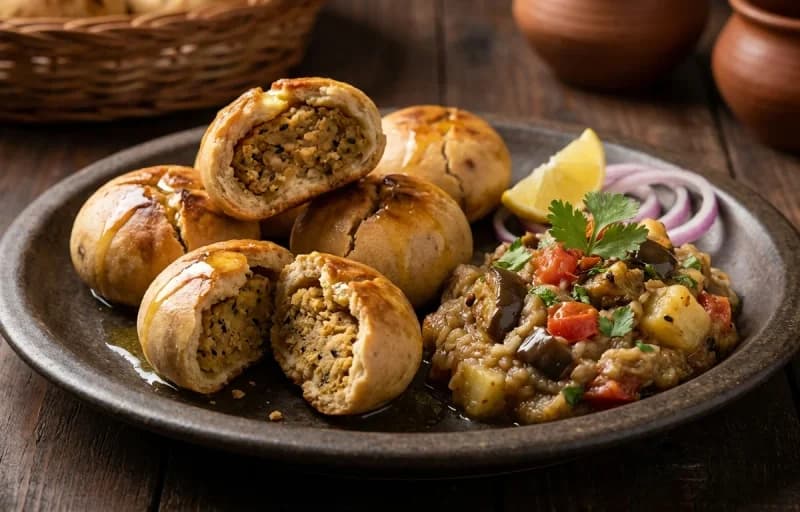
This bihari dish is perfect for lunch. With 678.64 calories and 30.000000000000004g of protein per serving, it's a nutritious choice for your meal plan.
12gfat
Turmeric Powder
(Divided into 1/4 tsp and 1/2 tsp)
1 tsp Red Chili Powder (Adjust to your spice preference)
1 tsp Cumin Powder
1.5 tsp Coriander Powder
0.75 tsp Garam Masala
1.5 tsp Salt (Divided, adjust to taste)
0.5 tsp Sugar (Optional, to balance flavors)
4 cup Water (For pressure cooking)
3 tbsp Cilantro (Freshly chopped, for garnish)
1 pcs Lemon (Cut into wedges, for serving)
Instructions
1
Rinse the dried yellow peas thoroughly. Soak them in ample water for at least 8 hours or overnight. After soaking, drain the water completely.
2
Transfer the soaked and drained peas to a pressure cooker. Add 4 cups of fresh water, 1/2 tsp of salt, and 1/4 tsp of turmeric powder. Secure the lid and cook on medium heat for 4-5 whistles, or for about 15-20 minutes, until the peas are soft but not mushy. Allow the pressure to release naturally.
3
While the peas are cooking, heat the mustard oil in a heavy-bottomed pan or kadai over medium-high heat until it's lightly smoking. This mellows its pungent flavor.
4
Lower the heat to medium. Add the bay leaf and cumin seeds. Once the seeds start to splutter (about 30 seconds), add the asafoetida.
5
Add the finely chopped onion and sauté for 7-8 minutes, stirring occasionally, until it turns soft and golden brown.
6
Add the ginger-garlic paste and slit green chilies. Sauté for another 1-2 minutes until the raw smell disappears.
7
Stir in the tomato puree. Cook for 5-6 minutes, until the mixture thickens and you see oil separating at the edges of the masala.
8
Add the dry spice powders: the remaining 1/2 tsp turmeric powder, red chili powder, cumin powder, and coriander powder. Mix well and cook for 1 minute, stirring continuously.
9
Pour the cooked peas along with their cooking liquid into the pan with the masala. Add the remaining 1 tsp of salt and the optional sugar. Stir everything together.
10
Bring the mixture to a boil, then reduce the heat to low. Cover the pan and let the ghugni simmer for 8-10 minutes for the flavors to meld. Use the back of your ladle to gently mash some of the peas against the side of the pan to naturally thicken the gravy.
11
Finally, stir in the garam masala powder. Cook for one more minute, then turn off the heat.
12
Ladle the hot ghugni into serving bowls. Garnish generously with chopped raw onion and fresh cilantro. Serve with lemon wedges on the side for squeezing over.
244cal
9gprotein
47gcarbs
4gfat
Ingredients
2 cup Atta (Also known as whole wheat flour.)
2 tbsp Sooji (Fine semolina, for extra crispiness.)
0.75 tsp Salt (Adjust to taste.)
2 tsp Neutral Oil (For kneading into the dough.)
0.75 cup Lukewarm Water (Adjust as needed to form a stiff dough.)
Instructions
1
Prepare the Dough
In a large mixing bowl, combine the atta (whole wheat flour), sooji (semolina), and salt. Whisk them together to ensure even distribution.
Add 2 teaspoons of oil to the flour mixture. Using your fingertips, rub the oil into the flour until it resembles coarse breadcrumbs. This step helps in making the pooris soft.
2
Knead to a Stiff Dough
Gradually add lukewarm water, a little at a time, and start gathering the flour to form a dough.
Knead for 8-10 minutes to develop the gluten. The final dough should be firm, stiff, and smooth—tighter than a chapati dough. A stiff dough is crucial to prevent the pooris from absorbing too much oil.
3
Rest the Dough
Cover the kneaded dough with a damp cloth or a lid and let it rest for 20-30 minutes. This allows the gluten to relax, making the pooris easier to roll and softer in texture.
4
Portion and Roll the Pooris
After resting, knead the dough again for 1 minute to make it smooth.
Divide the dough into 16 equal-sized small balls. Roll each ball between your palms to make it smooth and crack-free.
Lightly grease your rolling pin and surface with a drop of oil. Avoid using dry flour for dusting, as it can burn in the hot oil and affect its quality.
Take one dough ball and roll it into an even circle about 3-4 inches in diameter and about 2-3 mm thick. Ensure the thickness is uniform for even puffing.
5
Heat the Oil for Frying
Pour about 2-3 inches of oil into a deep, heavy-bottomed pan (kadai) and heat it over a medium-high flame.
To check if the oil is ready, drop a tiny piece of dough into it. If the dough sizzles and rises to the surface immediately without browning too quickly, the oil is at the perfect temperature (around 180-190°C or 350-375°F).
6
Fry the Pooris
Gently slide one rolled poori into the hot oil. It will sink for a moment and then float to the surface.
As it floats up, use the back of a slotted spoon to gently press down on the poori. This pressure helps it to puff up completely.
Once puffed (which takes about 10-15 seconds), flip it over and fry the other side for another 10-15 seconds until it's a light golden brown.
Remove the poori with the slotted spoon, letting the excess oil drip back into the pan. Place it on a wire rack or a plate lined with paper towels to absorb any extra oil.
7
Serve Immediately
Repeat the frying process for the remaining dough balls, ensuring the oil temperature is maintained. Fry one poori at a time for best results.
Serve the pooris hot and puffy with your favorite curry, such as Aloo Sabzi, Chana Masala, or with Shrikhand for a festive meal.