

non-vegetariandairy-free
kerala
Kerala Parotta with Kerala Chicken Roast
Flaky porotta with perfectly spiced, aromatic Chicken Roast. Pure comfort food, mom's recipe style!
65 min
1064 cal
39gProtein
75gCarbs
68gFat
2Recipes
Loading...

Creamy, tangy Pulissery & homestyle Erissery with Matta Rice and crispy Pappadam. Gut-friendly & delicious!
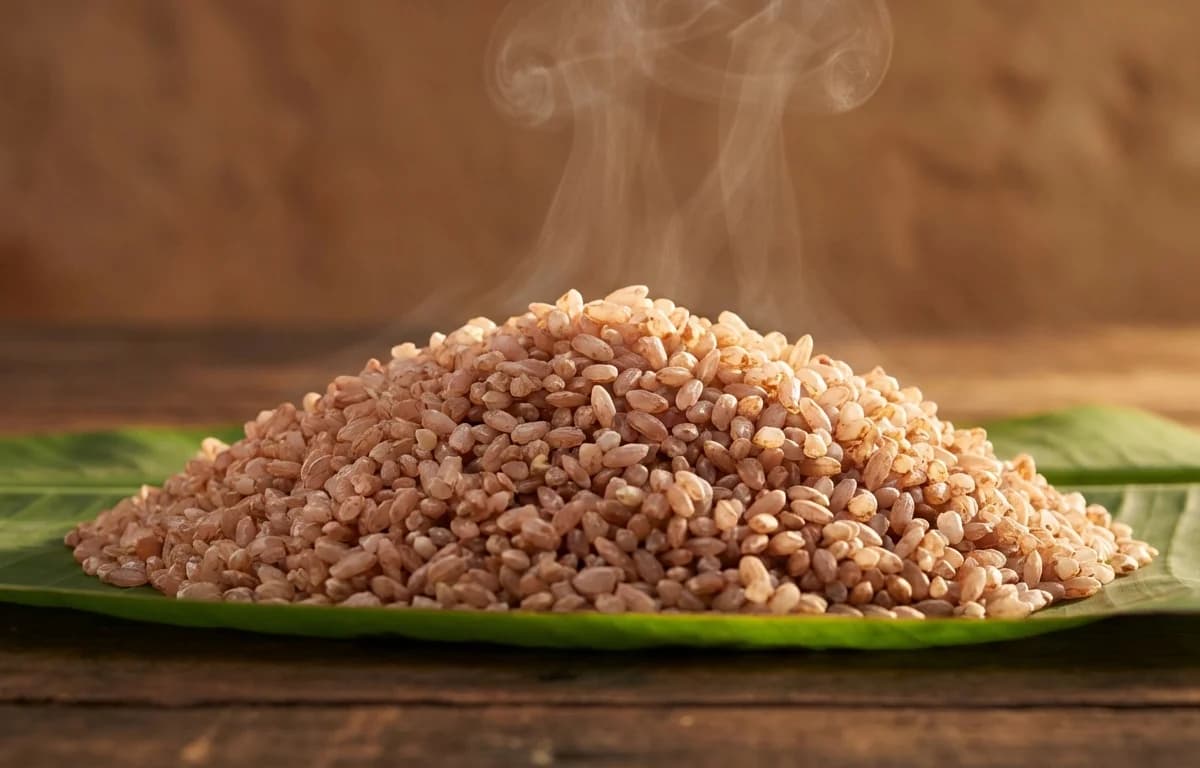
A staple in Kerala, this nutritious red parboiled rice has a unique earthy flavor and firm texture. Perfectly cooked, it's the ideal accompaniment to South Indian curries like sambar and avial.
Serving size: 1 serving
Rinse and Soak the Rice
Pressure Cook the Rice
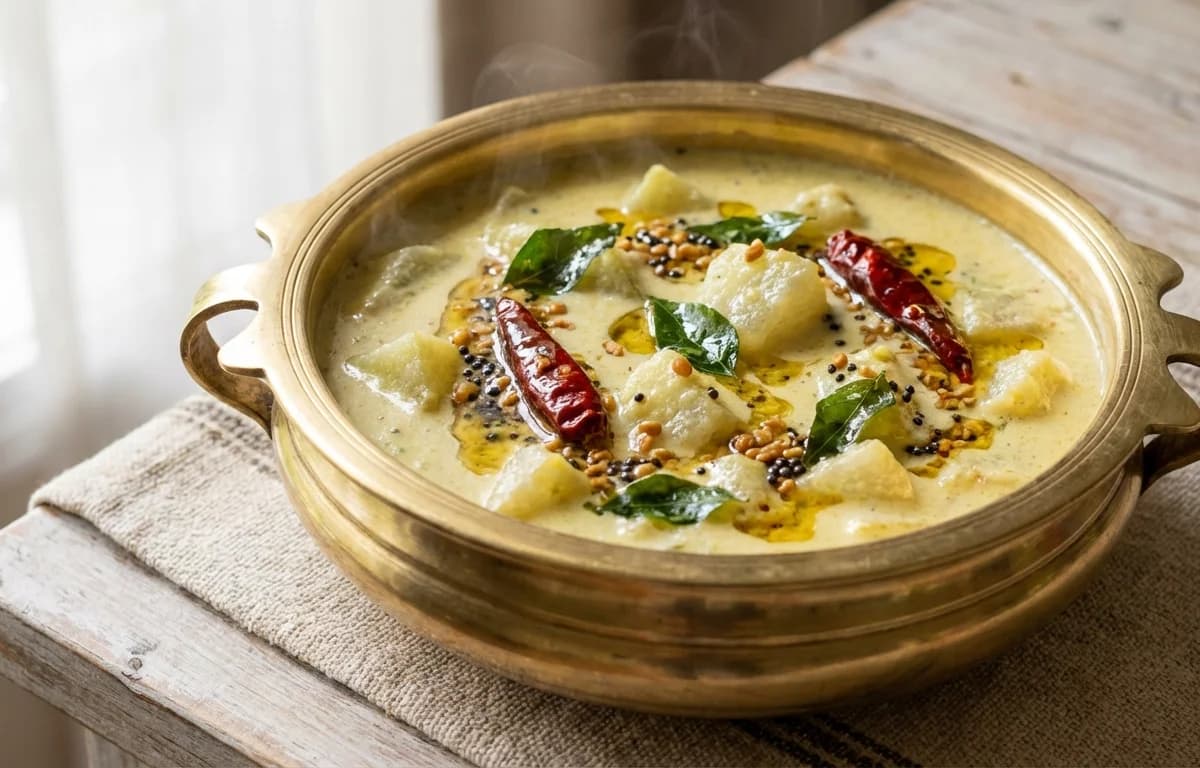
A classic Kerala curry with a beautiful balance of sweet, sour, and savory flavors. Ripe pineapple is cooked in a creamy coconut and yogurt gravy, finished with a fragrant tempering of mustard seeds and curry leaves.
Serving size: 1 serving
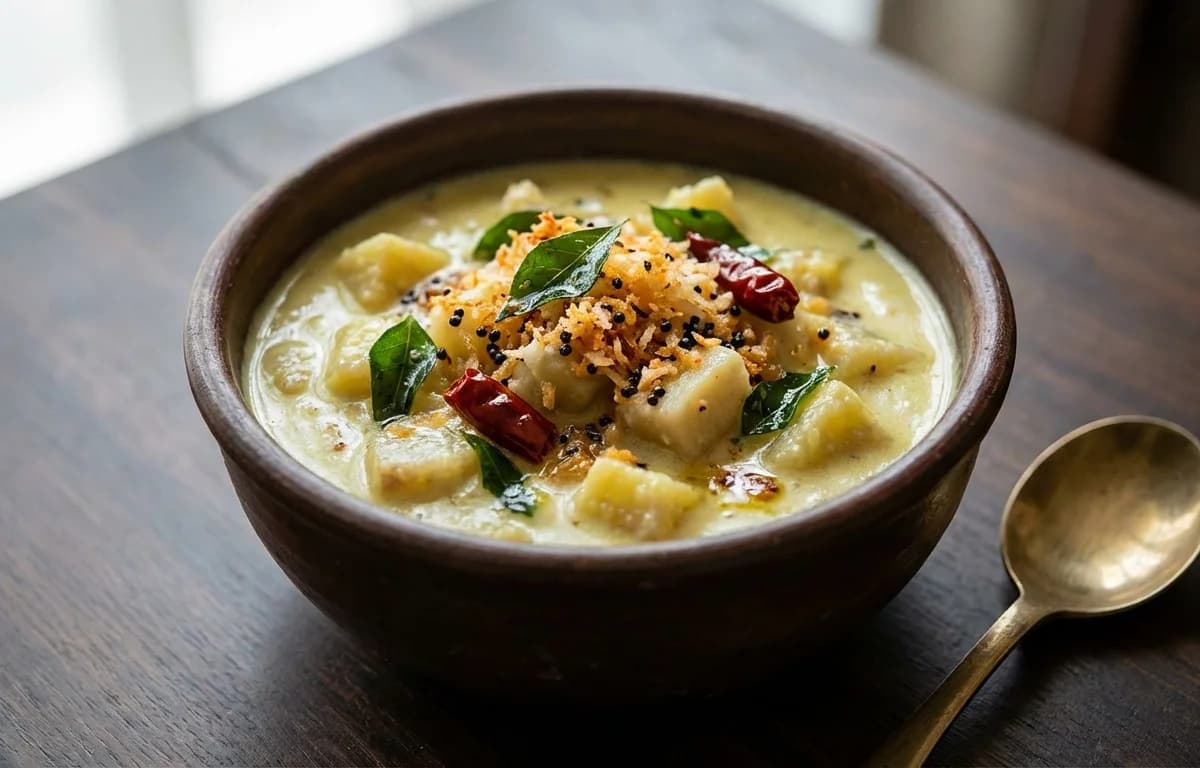
A classic Kerala dish made with tender raw bananas and yam cooked in a fragrant coconut paste. Finished with a delicious tempering of roasted coconut, this dish is a star of the traditional Sadhya feast.
Serving size: 1 serving
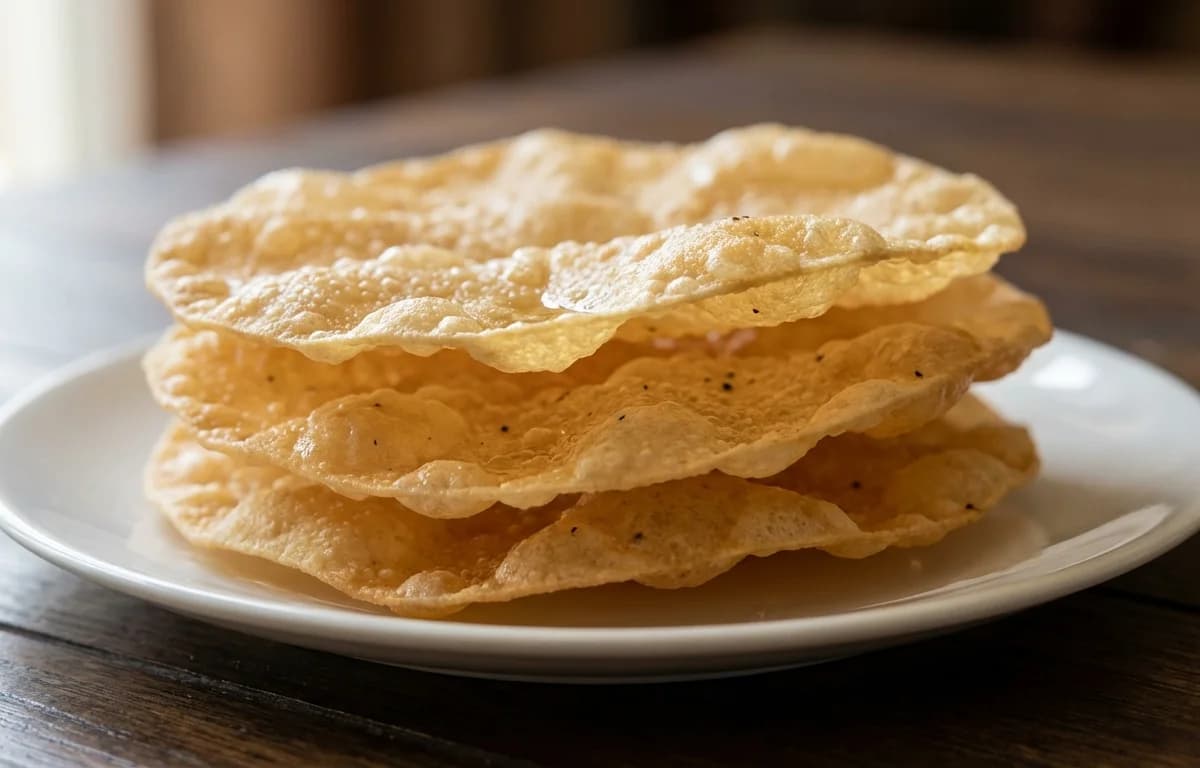
A thin, crispy lentil wafer, an essential and beloved accompaniment in South Indian meals. This versatile snack can be deep-fried for a classic crunch, roasted over an open flame for a smoky flavor, or microwaved for a quick, oil-free option. Ready in just minutes!
Serving size: 1 serving
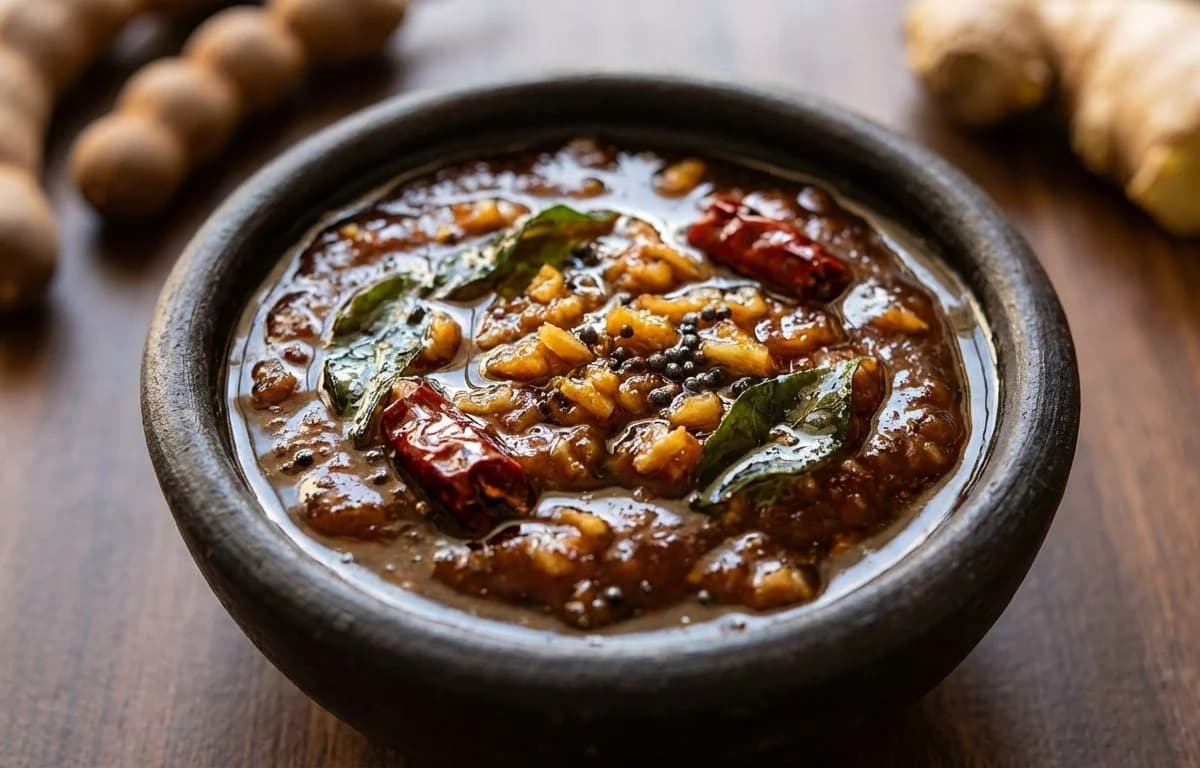
A classic Kerala condiment that hits every flavor note: sweet, sour, spicy, and tangy. Made with ginger, tamarind, and jaggery, this thick, jam-like pickle is an essential part of a traditional Sadya feast and pairs wonderfully with rice.
Creamy, tangy Pulissery & homestyle Erissery with Matta Rice and crispy Pappadam. Gut-friendly & delicious!
This kerala dish is perfect for lunch. With 1020.7700000000001 calories and 18.240000000000002g of protein per serving, it's a nutritious choice for your meal plan.
Discover authentic meals from cuisines around the world.
Find meals that fit your dietary preferences.
Find meals optimized for your goal.
Fluff and Serve
Cook the Pineapple
Prepare the Coconut Paste
Combine and Cook Gravy
Cook the Vegetables
Prepare the Coconut Paste
Combine and Simmer
Choose your preferred cooking method. Pappadam can be deep-fried, roasted over a gas flame, or cooked in a microwave. Each method yields a slightly different texture and flavor.
Method 1: Deep Frying (Classic Method)
Method 2: Roasting over Open Flame (Smoky Flavor)
Method 3: Microwaving (Oil-Free Method)
Serve the freshly prepared pappadams immediately. They are best enjoyed while warm and crispy alongside a main meal of rice and curry, or as a standalone snack.
Serving size: 1 serving
Prepare the tamarind extract. Soak the seedless tamarind in 1.5 cups of warm water for about 20 minutes. Squeeze the tamarind well with your hands to extract all the pulp into the water. Strain this liquid through a fine-mesh sieve, pressing the pulp to get as much extract as possible. Discard the solids and set the tamarind water aside.
In a heavy-bottomed pan or kadai, heat 2 tablespoons of coconut oil over medium-low heat. Add the finely chopped ginger and sauté patiently for 10-12 minutes, stirring frequently, until it turns a deep golden brown and becomes crisp. Add the chopped green chilies and continue to sauté for another minute. Remove the fried ginger and chilies with a slotted spoon, leaving the oil in the pan, and set them aside.
To the same pan, pour in the prepared tamarind extract. Add the turmeric powder, Kashmiri red chili powder, and salt. Bring the mixture to a rolling boil and let it cook for about 5 minutes, allowing the raw smell of the tamarind to dissipate.
Add the grated jaggery to the pan and stir continuously until it dissolves completely. Once dissolved, add the fried ginger and green chili mixture back into the pan. Mix everything well.
Reduce the heat to low and let the mixture simmer for 15-20 minutes. Stir occasionally to prevent it from sticking to the bottom. Cook until the mixture thickens to a jam-like consistency and you see a slight sheen of oil separating at the edges. Remember it will thicken more as it cools.
Prepare the tempering (tadka). In a small separate pan, heat the remaining 1 tablespoon of coconut oil over medium heat. Add the mustard seeds and wait for them to splutter completely. Immediately add the fenugreek seeds, broken dried red chilies, and curry leaves. Sauté for about 30 seconds until the chilies darken slightly and the leaves are crisp. Turn off the heat and stir in the asafoetida.
Incorporate the Yogurt
Prepare the Tempering (Tadka)
Finish and Rest
Prepare the Tempering (Tadka)
Finish and Serve
Pour the hot tempering over the prepared Inji Puli and mix thoroughly. Allow it to cool down to room temperature completely before transferring it to a clean, dry, and airtight glass jar for storage.
Flaky porotta with perfectly spiced, aromatic Chicken Roast. Pure comfort food, mom's recipe style!

Light Idiyappam with creamy, aromatic Varutharacha Kozhi Curry. A soul-satisfying, homestyle treat!

Fiber-rich Matta Rice with aromatic Chemmeen Roast and tangy Sambar. A homestyle, gut-friendly meal!

Aromatic Ghee Rice with protein-packed Mutton Curry and a fresh salad. An energy-giving feast!

Aromatic and perfectly spiced Malabar Fish Biryani – a gut-friendly, soul-satisfying meal!

Light Pathiri with a melt-in-mouth, perfectly spiced Nadan Mutton Curry. Pure soul-satisfying bliss!