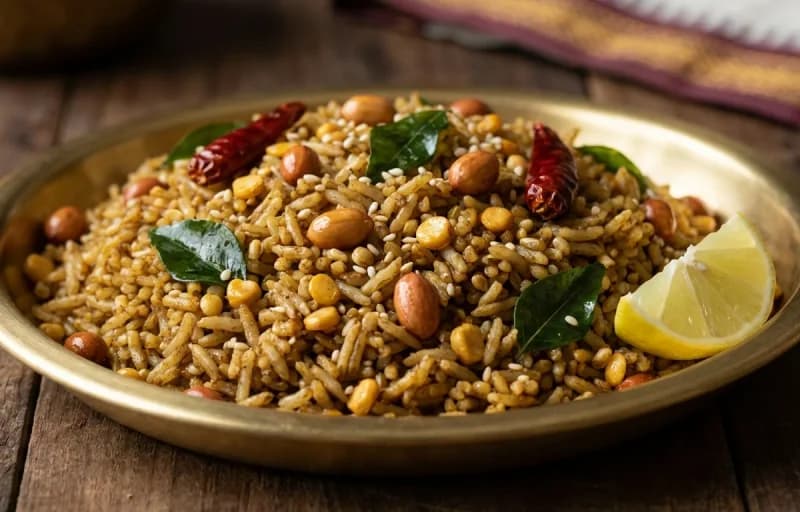
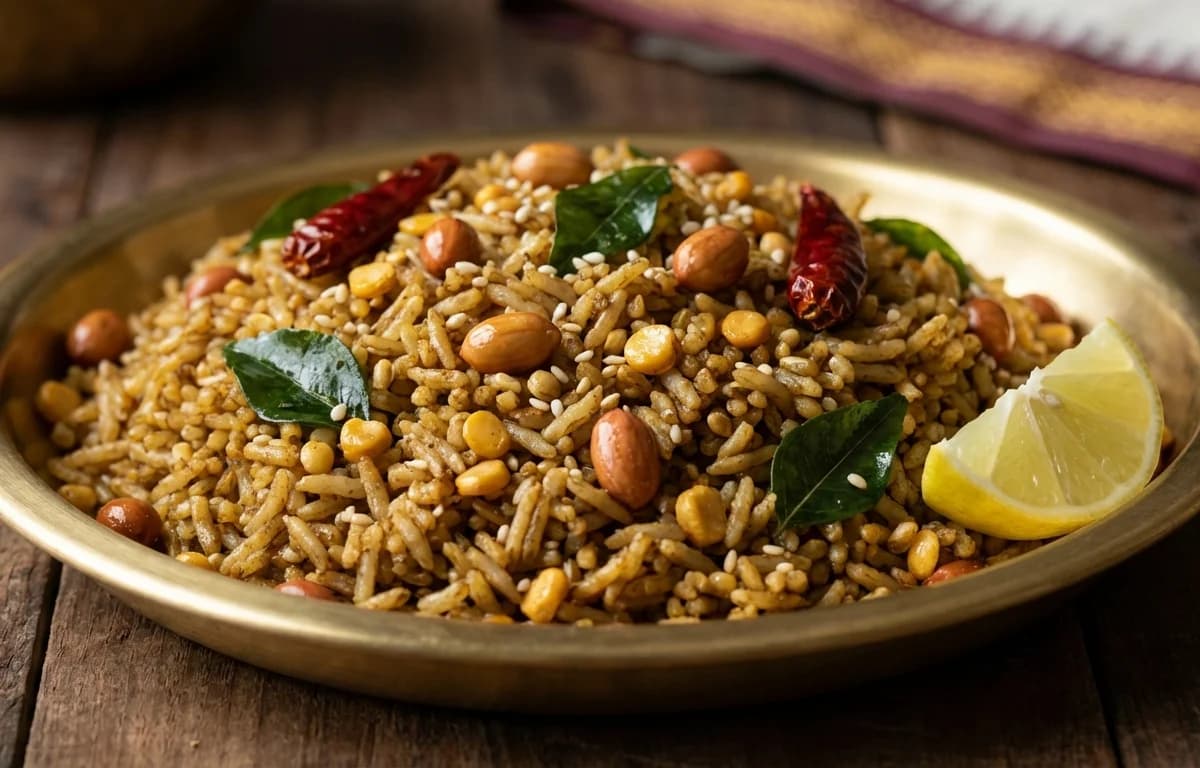
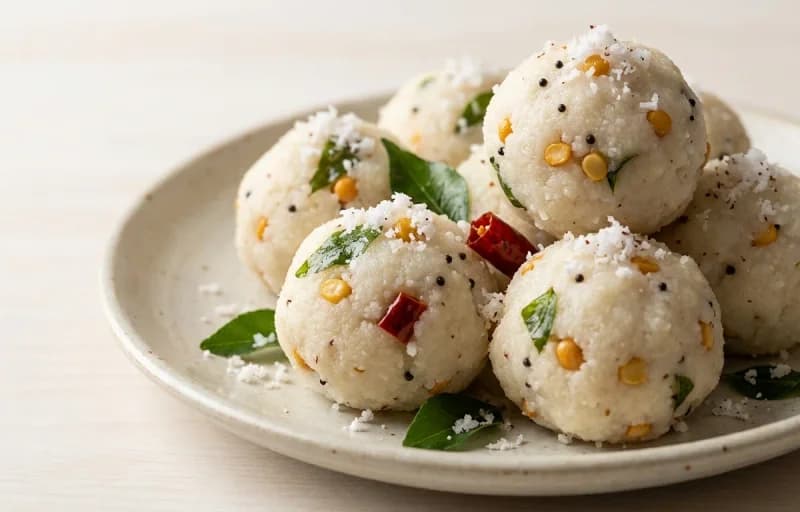
A beloved South Indian classic, this tangy and spicy rice dish gets its incredible flavor from a special tamarind and spice paste. Perfect for lunchboxes and travel, it tastes even better the next day!
Prep20 min
Cook35 min
Soak20 min
Servings4
Serving size: 1 serving
401cal
10gprotein
73gcarbs
Ingredients
1.5 cup Sona Masuri Rice (Or any other short-grain rice)
3 cup Water (For cooking rice)
1 tsp Gingelly Oil (For drizzling on cooked rice)
50 g Tamarind (Seedless, about a large lemon-sized ball)
1.5 cup Warm Water (For soaking tamarind)
2 tbsp Coriander Seeds (For the spice powder)
1 tbsp Chana Dal (For the spice powder)
6 pcs Dried Red Chillies (For the spice powder, adjust to heat preference)
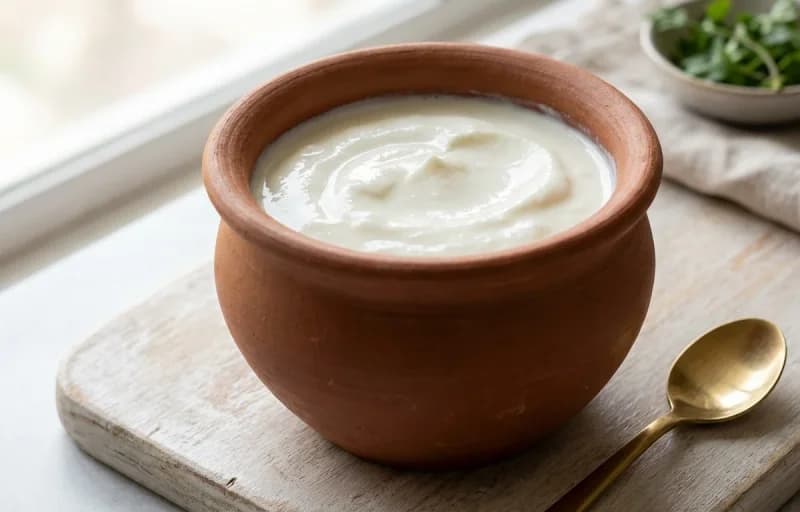
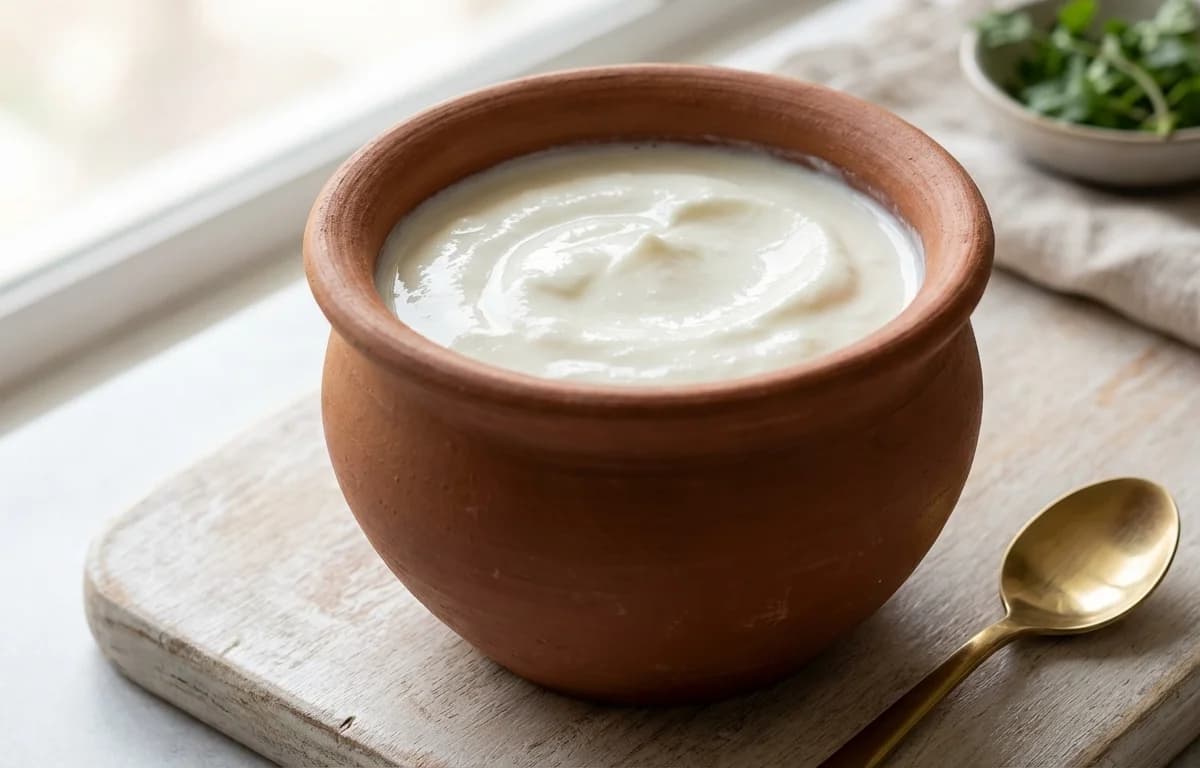
Creamy, tangy, and light homemade curd (dahi), a staple in every Indian household. This simple recipe uses just two ingredients to create a probiotic-rich food perfect for raita, lassi, or enjoying on its own. Note that this recipe requires 6-12 hours of inactive time for fermentation.
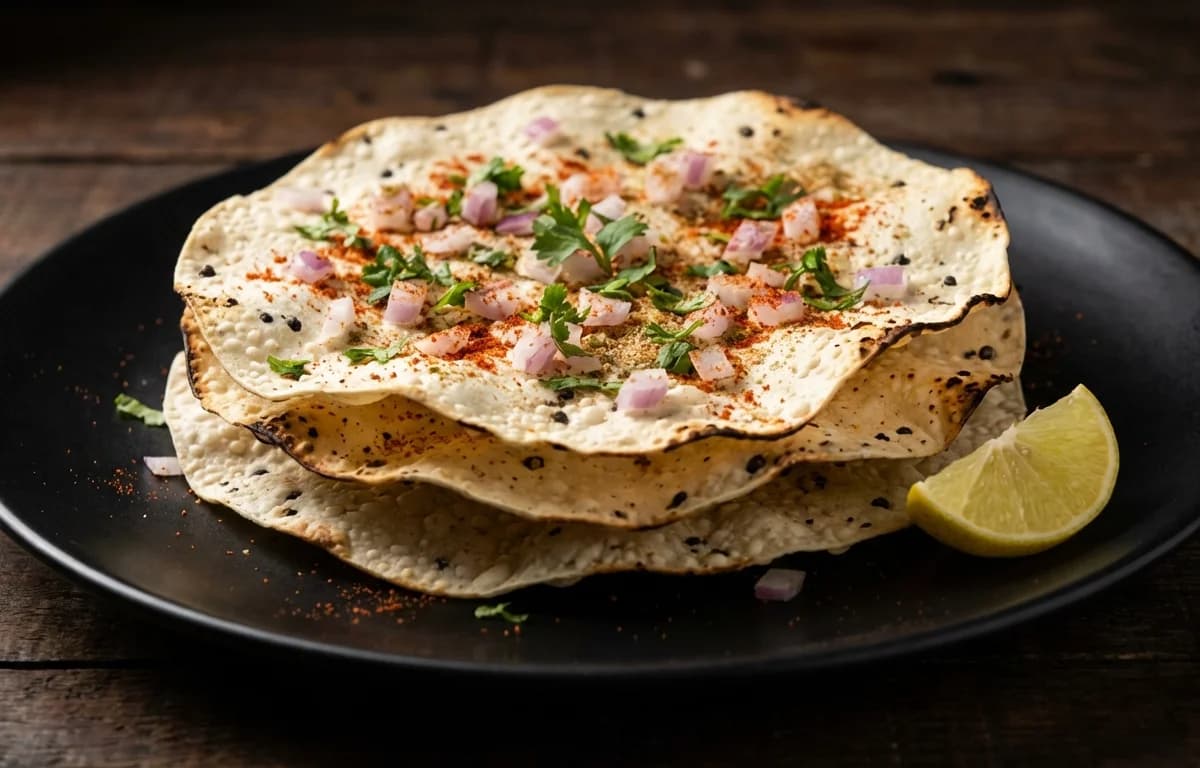
Crispy, sun-dried lentil wafers made from urad dal flour and spiced with black pepper and hing. A classic Indian accompaniment that's perfect for roasting or frying to enjoy with any meal. This recipe guides you through the traditional process of making these iconic crackers from scratch.
Aromatic, tangy tamarind rice with creamy curd. A comfort food that's quick to make and truly soul-satisfying!
This udupi dish is perfect for lunch. With 702.43 calories and 26.68g of protein per serving, it's a muscle-gain option for your meal plan.
9gfat
Black Peppercorns
(For the spice powder)
0.25 tsp Fenugreek Seeds (For the spice powder)
1 tbsp White Sesame Seeds (For the spice powder)
0.5 tsp Asafoetida (Also known as Hing)
1 tsp Mustard Seeds (For tempering)
1 tsp Urad Dal (For tempering)
0.25 cup Peanuts (Raw)
15 pcs Curry Leaves (About 1 sprig)
0.5 tsp Turmeric Powder
1 tbsp Jaggery (Powdered or grated)
1.5 tsp Salt (Adjust to taste)
Instructions
1
Cook and Cool the Rice
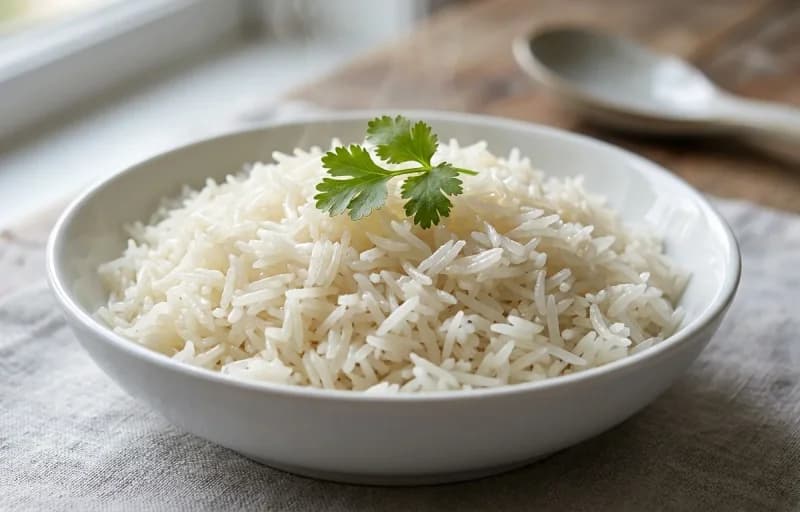
Wash the rice thoroughly under running water until the water runs clear. Cook the rice with 3 cups of water in a pot or rice cooker.
The rice should be cooked through but firm, with each grain separate. Avoid overcooking.
Once cooked, immediately spread the rice on a large plate or tray to cool down completely. Drizzle 1 teaspoon of gingelly oil and a pinch of turmeric powder over the rice and gently fluff with a fork. This prevents the grains from sticking and gives a nice color.
2
Prepare the Puliyogare Spice Powder
Heat a heavy-bottomed pan over low-medium heat. Dry roast the coriander seeds, 1 tbsp chana dal, 6 dried red chillies, black peppercorns, and fenugreek seeds.
Roast for 4-5 minutes, stirring continuously, until the dals turn golden brown and the spices are highly aromatic. Be careful not to burn them.
Turn off the heat and add the white sesame seeds to the hot pan. Stir for about a minute until they start to pop.
Transfer the roasted spices to a plate and let them cool completely. Once cooled, grind them in a spice grinder with the asafoetida to a slightly coarse powder.
3
Make the Pulikachal (Tamarind Paste)
Soak the tamarind in 1.5 cups of warm water for about 20-30 minutes. Squeeze the pulp thoroughly with your hands to extract all the juice. Strain the liquid through a fine-mesh sieve, discarding the solids.
Heat 1/4 cup of gingelly oil in a thick-bottomed pan or kadai over medium heat. Once the oil is hot, add the mustard seeds and let them splutter.
Add 1 tbsp chana dal, 1 tsp urad dal, and the raw peanuts. Sauté for 2-3 minutes until the dals are golden and the peanuts are crisp.
Add the 3 broken dried red chillies and curry leaves. Sauté for another 30 seconds until the curry leaves are crisp.
Carefully pour in the prepared tamarind extract. Add the turmeric powder, jaggery, and salt. Stir well to combine.
Bring the mixture to a boil, then reduce the heat to a simmer. Let it cook for 12-15 minutes, stirring occasionally, until the raw smell of tamarind disappears and the paste thickens considerably.
Add 3-4 tablespoons of the freshly ground Puliyogare powder to the paste. Mix well and continue to cook for another 3-4 minutes until the paste becomes very thick and oil starts to separate from the sides.
4
Combine and Serve
Take the completely cooled rice in a large mixing bowl. Add the prepared Pulikachal paste to the rice, starting with about 3/4 of the paste.
Gently mix with a light hand or a fork, ensuring not to mash or break the rice grains. The goal is to coat each grain evenly.
Taste the rice and add more paste or salt if required. The amount of paste needed depends on your preference for tanginess and spice.
Let the Puliyogare rest for at least 30-60 minutes before serving. This allows the rice to absorb all the flavors. Serve at room temperature with papad or curd.
Servings
4
Serving size: 1 serving
164cal
9gprotein
14gcarbs
8gfat
Ingredients
1 litre Whole Milk (Full-fat milk yields the thickest, creamiest curd. You can use low-fat milk, but the result will be less thick.)
1 tbsp Yogurt Starter (Must contain live active cultures. Ensure the starter is fresh and not sour for the best results.)
Instructions
1
Boil the Milk
Pour the milk into a heavy-bottomed pot or saucepan.
Bring the milk to a rolling boil over medium heat, then reduce the heat to low. Let it simmer for 5-7 minutes, stirring occasionally to prevent a skin from forming and to avoid scorching at the bottom. This process helps thicken the milk slightly, resulting in a creamier curd.
2
Cool to Lukewarm Temperature
Turn off the heat and allow the milk to cool down until it is lukewarm. The ideal temperature is between 40-45°C (105-115°F).
To test without a thermometer, dip a clean finger into the milk. You should be able to hold it in for about 10 seconds without it feeling uncomfortably hot. If it's too hot, it will kill the bacteria; if it's too cold, the curd won't set.
3
Inoculate with Starter
In a small bowl, whisk the yogurt starter until it is smooth and lump-free.
Add 2-3 tablespoons of the warm milk to the starter and mix well. This process, called tempering, helps the culture mix evenly without curdling.
Pour this tempered starter mixture back into the pot of milk and stir gently just a few times to combine everything thoroughly.
4
Ferment and Set the Curd
Pour the inoculated milk into the container you wish to set the curd in (earthenware, glass, or steel containers work well).
Cover the container with a lid and place it in a warm, draft-free spot to ferment. An oven (turned off) with the light on, a warm cupboard, or an Instant Pot on the 'Yogurt' setting are great options.
Let it sit undisturbed for 6 to 12 hours. The time will vary based on the climate; warmer weather requires less time (6-8 hours), while colder weather may take longer (10-12 hours).
5
Chill and Serve
Once the curd is set (it should be firm and not jiggle like a liquid), carefully transfer it to the refrigerator without disturbing it.
Chill for at least 3-4 hours. This crucial step stops the fermentation process (preventing it from becoming too sour) and helps the curd to thicken and set further.
Serve chilled as a side dish, or use it as a base for raita, lassi, or marinades.
In a large bowl, sift the urad dal flour. Add the coarsely crushed black peppercorns, hing, papad khar, and salt.
Whisk everything together until the spices are evenly distributed throughout the flour.
2
Form the Stiff Dough
Gradually add water, just one teaspoon at a time, to the flour mixture.
Mix and gather the flour to form an extremely stiff, tight, and almost dry dough. It's crucial to use as little water as possible. The dough will look crumbly at first.
3
Pound the Dough
Transfer the dough to a sturdy, clean surface. Grease a pestle (or the back of a heavy pan) and your hands with a little sesame oil.
Begin pounding the dough firmly for 15-20 minutes. This process is essential to develop gluten and make the dough pliable.
The texture will transform from crumbly to a smooth, elastic ball. This step cannot be skipped for authentic results.
4
Rest the Dough
Rub a little more oil over the surface of the dough ball.
Cover it with a damp cloth and let it rest for 30 minutes. This allows the flour to hydrate fully and makes rolling easier.
5
Shape into Logs and Pellets
After resting, knead the dough for another 2-3 minutes. Divide it into 2-3 equal portions.
Roll each portion into a long, uniform log about 1-inch in diameter.
Cut the logs into small, equal-sized pellets, about the size of a small marble. Keep the pellets covered with the damp cloth to prevent them from drying out.
6
Roll the Papads
Lightly grease your rolling surface and rolling pin with sesame oil.
Take one pellet, flatten it with your palm, and roll it into a very thin, translucent circle, about 4-5 inches in diameter.
The key is to roll them as thinly as possible without tearing. Place the rolled papads on a clean cotton cloth or plastic sheet, ensuring they don't overlap.
7
Dry the Papads
Place the sheets with the papads in direct, strong sunlight for 1-2 days. Flip them every 3-4 hours for even drying.
Alternatively, dry them indoors under a fan for 2-3 days, or in an oven set to its lowest temperature (around 50-60°C or 120-140°F) with the door slightly ajar for 4-6 hours, flipping halfway through.
They are ready when they are completely moisture-free, brittle, and snap easily.
8
Store and Cook
Once completely dry, stack the papads and store them in an airtight container at room temperature. They will last for several months.
To cook, you can either deep-fry in hot oil for 3-5 seconds until they puff up, or roast them directly over a gas flame using tongs, flipping constantly until crisp and lightly charred.