
vegetariandairy-free
maharashtrian
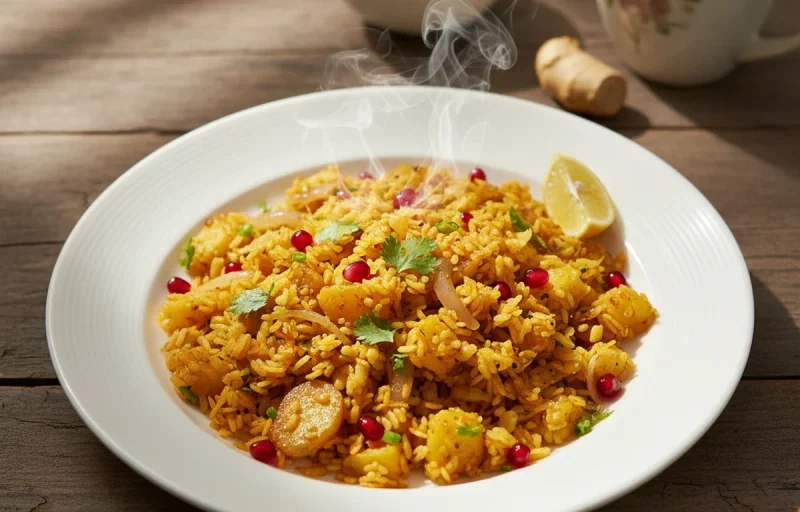
Kanda Batata Poha
10 min
409 cal
8gProtein
59gCarbs
17gFat
1Recipes
Loading...
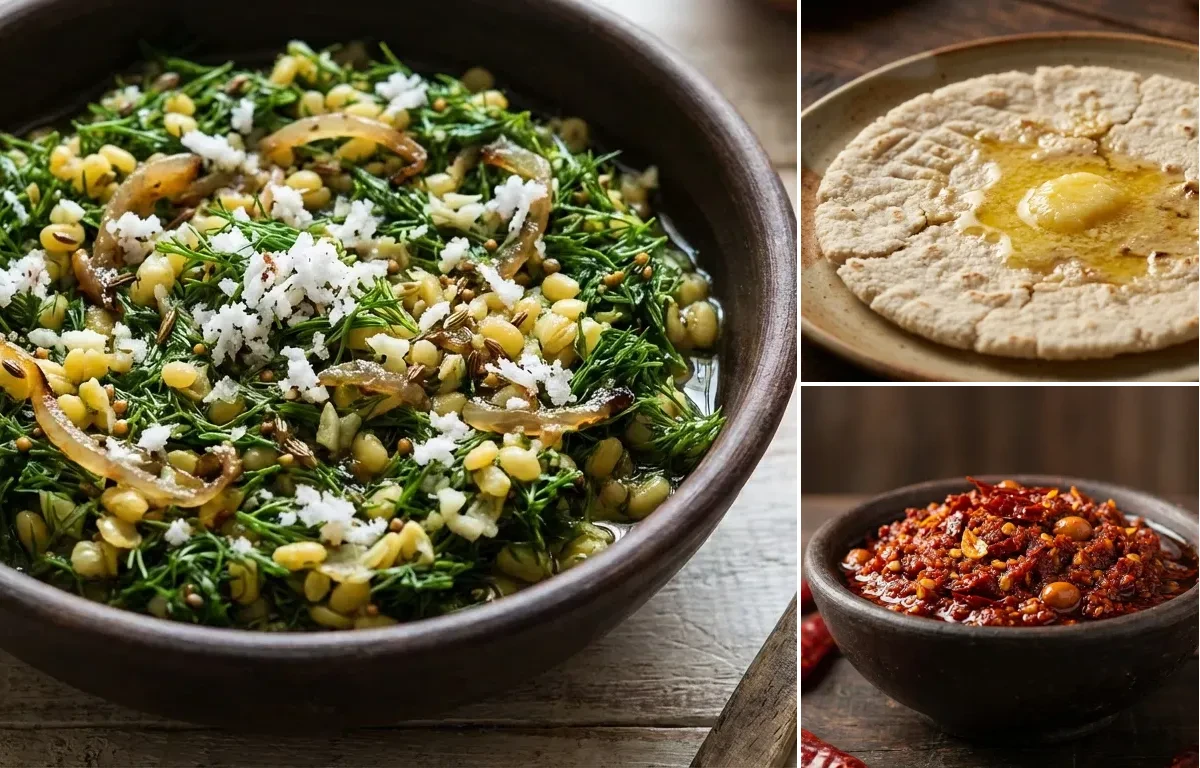
Iron-boosting Shepuchi Bhaji with fiber-rich Jowar Bhakri & tangy chutney - energy-giving & delicious!
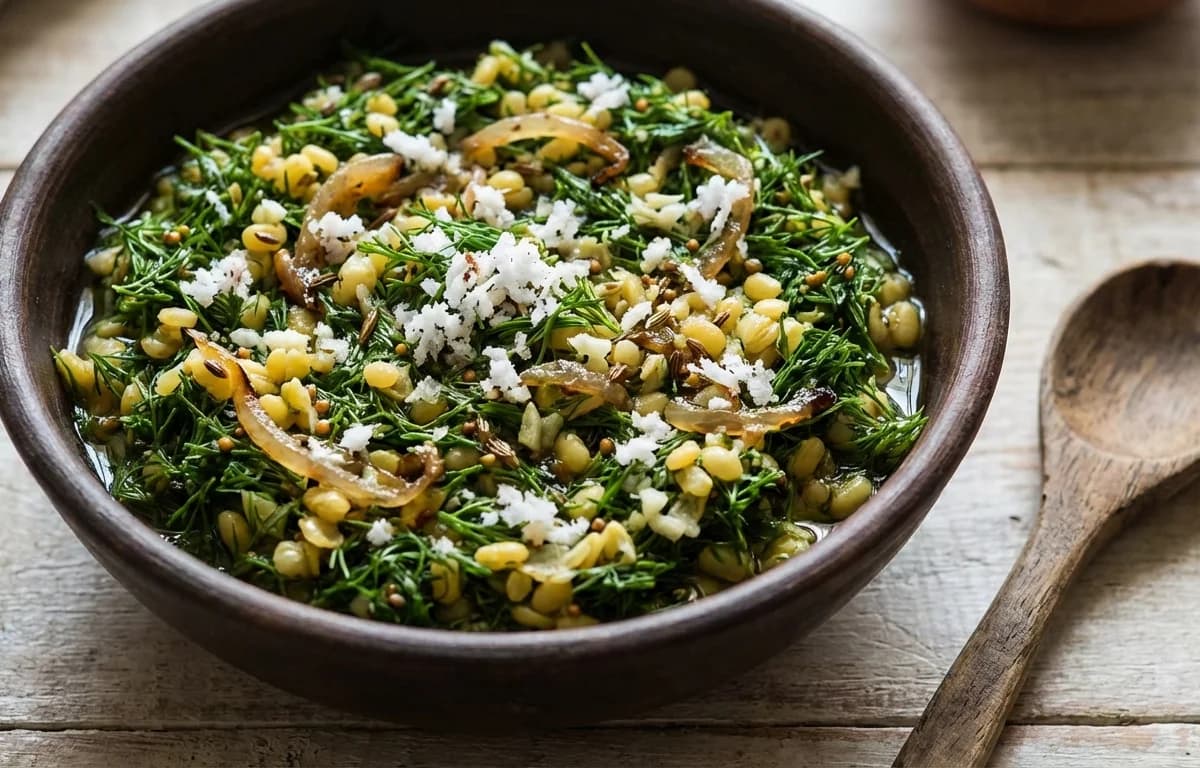
A classic Maharashtrian stir-fry made with fresh dill leaves and tender chana dal. This simple, aromatic, and healthy dish comes together quickly and pairs perfectly with bhakri or roti.
Serving size: 1 serving

A rustic, gluten-free flatbread from Maharashtra made with sorghum flour. This wholesome bhakri is traditionally patted by hand and cooked on a griddle until it puffs up beautifully. Perfect with spicy curries or chutneys.
Serving size: 1 serving
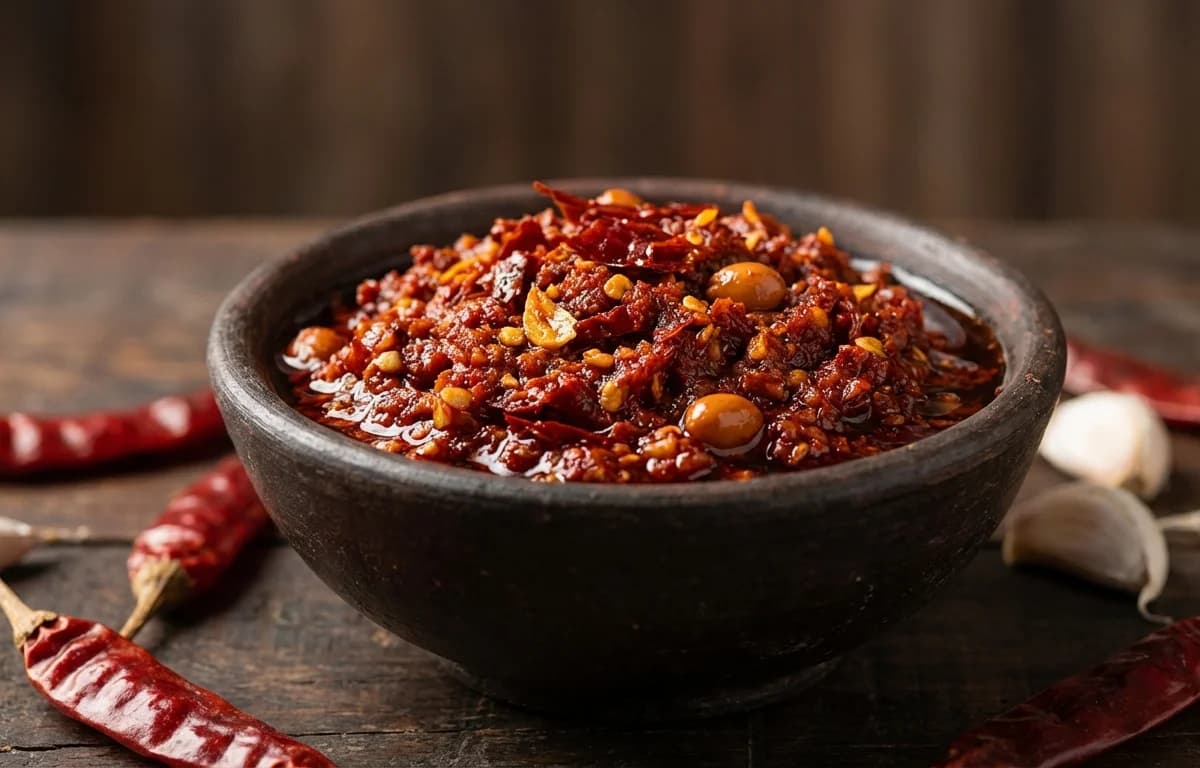
A fiery and pungent dry chutney made with garlic, red chilies, and coconut. This Maharashtrian classic is the perfect spicy kick for Vada Pav, Bhakri, or sprinkled over snacks.
Serving size: 1 serving
Iron-boosting Shepuchi Bhaji with fiber-rich Jowar Bhakri & tangy chutney - energy-giving & delicious!
This maharashtrian dish is perfect for lunch. With 453.74 calories and 13.59g of protein per serving, it's a high-fiber, gut-friendly option for your meal plan.
Discover authentic meals from cuisines around the world.
Find meals that fit your dietary preferences.
Find meals optimized for your goal.
Preparation
Tempering (Tadka)
Cook Dal and Aromatics
Add and Cook Dill Leaves
Finishing and Serving
Prepare the dough: In a large bowl, mix together the jowar flour and salt. Gradually pour in the hot water while mixing with a spoon. The water should be hot but manageable to touch. Once the flour comes together, knead it with the heel of your palm for 5-7 minutes until you get a smooth, soft, and pliable dough. It should not be sticky. Cover the dough with a damp cloth and let it rest for 10 minutes.
Divide the dough into equal portions.
Pat the bhakri: Take one portion of the dough and roll it into a smooth ball. Sprinkle some dry jowar flour on a clean, flat surface or a chakla (rolling board). Place the dough ball on the floured surface and gently flatten it with your palm. Using your fingers and palm, start patting the dough, rotating it simultaneously to form an even, thin circle of about 5-6 inches in diameter. Dust with more flour as needed to prevent sticking.
Cook the bhakri: Heat a cast iron tawa or griddle over medium-high heat. It should be hot before you place the bhakri on it. Carefully lift the patted bhakri and place it on the hot tawa. Sprinkle a little water on the top surface and spread it evenly with your fingers. Cook for about 1 minute, until the water evaporates and the top looks dry. Flip the bhakri and cook the other side for another 1-2 minutes, until light brown spots appear. Using tongs, lift the bhakri and place it directly on a medium flame. It will puff up like a balloon. Flip and cook the other side on the direct flame for a few seconds. Avoid burning it. Repeat the process for all the remaining dough balls.
Serve the Jowar Bhakri immediately, smearing a little ghee on top if you like.
Roast the peanuts and coconut separately. Heat a heavy-bottomed pan over medium-low heat. Add the raw peanuts and dry roast, stirring frequently, for 3-4 minutes until they are fragrant and have light brown spots. Remove them from the pan and set aside. In the same pan, add the desiccated coconut and roast for 1-2 minutes, stirring continuously, until it turns a light golden brown. Be vigilant as coconut can burn quickly. Remove and set aside with the peanuts.
Roast the aromatics. Add 1 tsp of oil to the same pan. Once warm, add the peeled garlic cloves and both types of dry red chilies. Sauté on low heat for 4-5 minutes. The garlic should develop light golden spots and become fragrant, and the chilies should become crisp. Add the cumin seeds and sauté for another 30 seconds until they release their aroma.
Cool all ingredients completely. Turn off the heat and transfer the garlic-chili mixture to the same plate as the peanuts and coconut. Spread everything in a single layer to cool down to room temperature. This step is crucial for a dry chutney with a long shelf life and will take about 10-15 minutes.
Grind the chutney. Once all the roasted ingredients are completely cool, transfer them to a grinder jar or food processor. Add the salt. Secure the lid and grind using the pulse function in short 2-3 second bursts. Scrape down the sides if needed. Continue pulsing until you achieve a coarse, crumbly powder. Avoid grinding continuously, as this will release oils and turn the mixture into a paste.
Store and serve. Transfer the prepared Lasun Chutney to a clean, dry, airtight glass jar. It can be stored at room temperature for up to a month. Serve sprinkled over vada pav, with bhakri (millet flatbread), or as a side with dal and rice.

Aromatic Malvani mutton with fluffy amboli & tangy solkadhi – a protein-packed, soul-satisfying feast!

Perfectly spiced Nagpuri mutton curry with soft chapatis – melt-in-mouth comfort food at its best!

Aromatic prawns rice with tangy solkadhi – an energy-giving, soul-satisfying combo you'll adore!

Perfectly spiced crab curry with wholesome bhakri – a protein-packed comfort food experience!

Aromatic, melt-in-mouth mutton rassa with fluffy rice – protein-packed comfort food you'll crave!