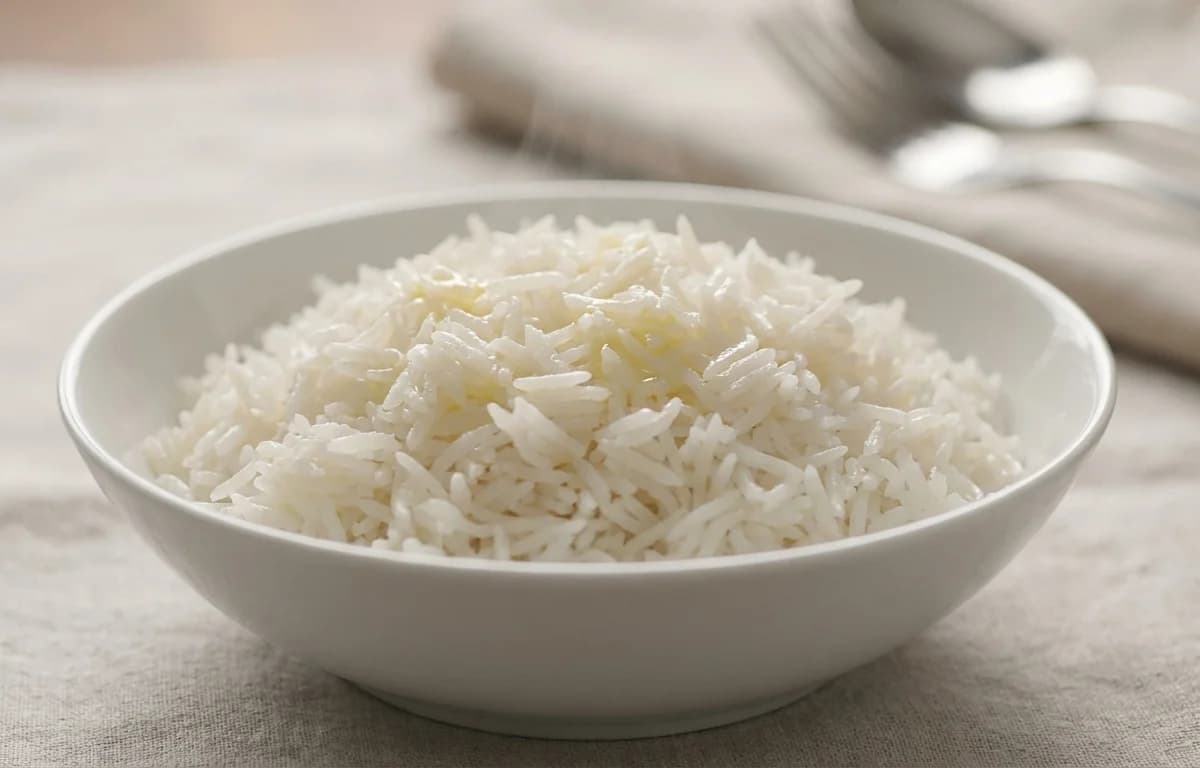
Perfectly fluffy, long-grained basmati rice with a delicate aroma. This simple, foolproof recipe gives you separate, non-sticky grains every time, making it the perfect base for any curry or dal.
Prep35 min
Cook25 min
Soak30 min
Servings4
Serving size: 1 serving
262cal
5gprotein
55gcarbs
Ingredients
1.5 cup Basmati Rice (Use good quality, aged basmati rice for best results)
2.25 cup Water (For the absorption cooking method)
0.75 tsp Salt (Adjust to taste)
1 tsp Ghee (Optional, for flavor and to prevent sticking)
Instructions
1
Rinse and Soak the Rice (35 minutes)
Place the basmati rice in a large bowl. Add cold water and gently swirl the rice with your fingers. Drain the cloudy water. Repeat this process 3-4 times until the water runs mostly clear. This removes excess starch and prevents stickiness.
Cover the rinsed rice with fresh water and let it soak for 30 minutes. Soaking allows the grains to absorb water, ensuring they cook evenly and elongate beautifully.
After 30 minutes, drain the rice completely using a fine-mesh sieve and set aside.
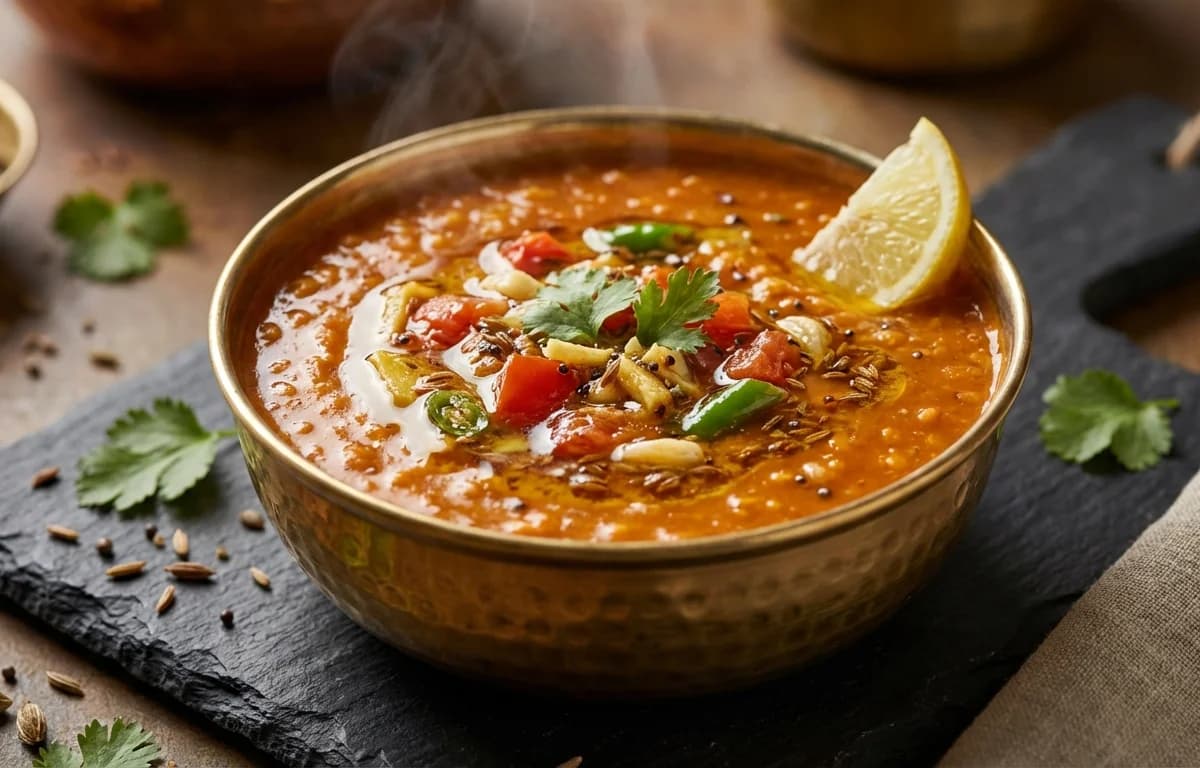
A quick, comforting red lentil dal finished with a sizzling tempering of ghee, cumin, and garlic. This everyday North Indian staple is light, packed with protein, and comes together in under 30 minutes. Perfect with steamed rice or roti.
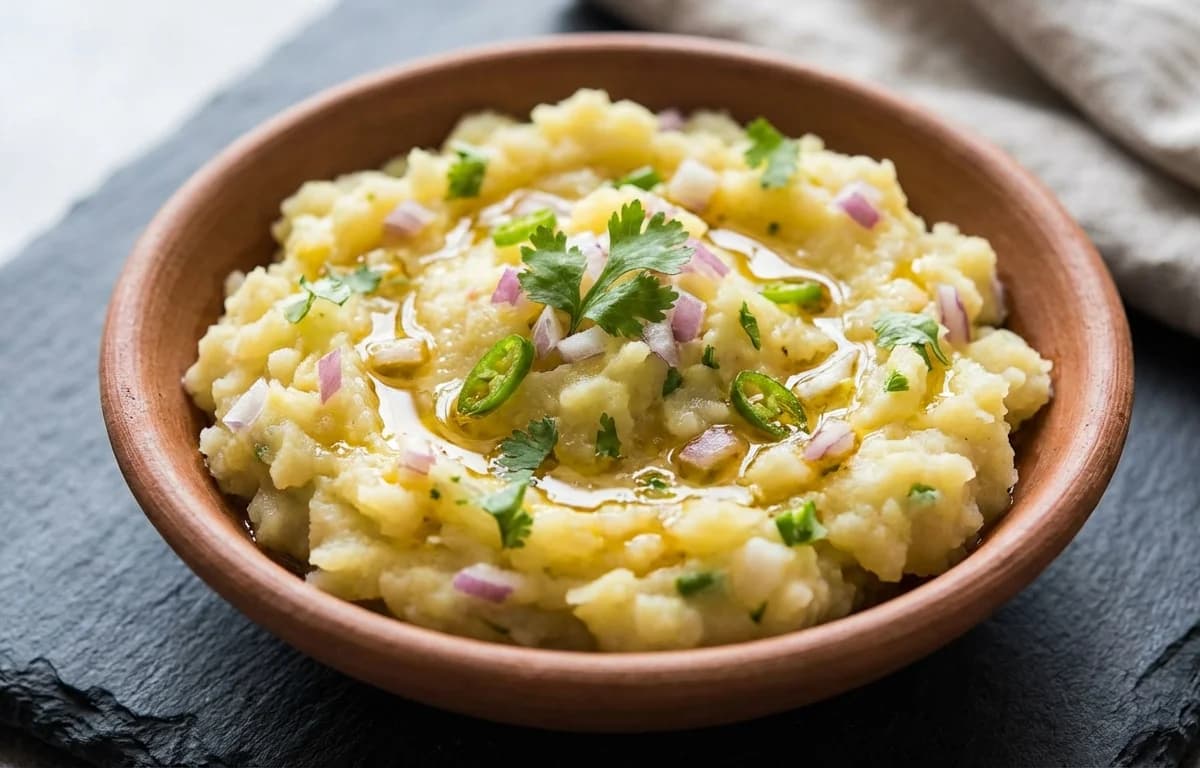
A comforting Assamese-style mashed potato, infused with the pungent kick of raw mustard oil, sharp onions, and fresh chilies. This simple side dish comes together in minutes and is the perfect accompaniment to a plate of hot rice and dal.
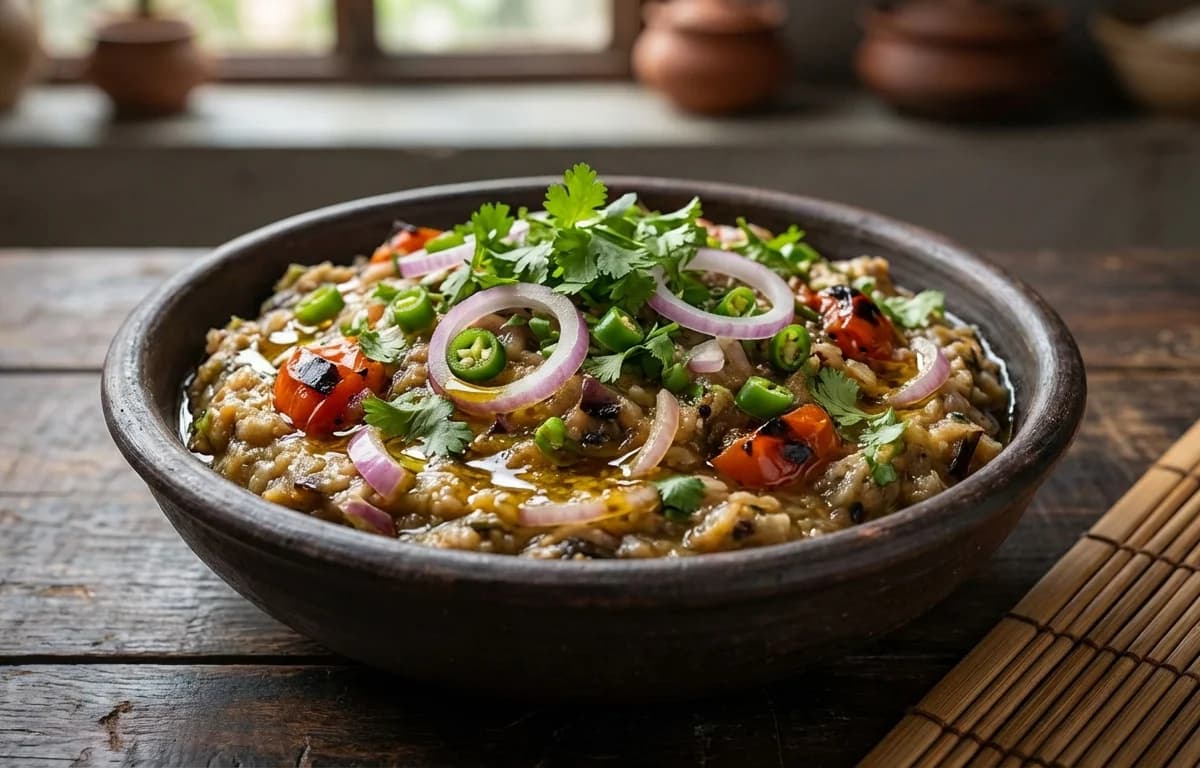
A rustic and smoky mashed eggplant dish from Assam, flavored with pungent mustard oil, raw onions, and fresh chilies. This simple, flavorful side dish comes together quickly and pairs perfectly with steamed rice and dal.
A quick and flavorful Indian scrambled egg dish cooked in a spicy tomato and onion masala. Perfect with roti or bread for a hearty breakfast or a simple weeknight meal.
Prep10 min
Cook15 min
Servings3
Serving size: 1 serving
About Steamed Basmati Rice, Masoor Dal Tadka, Aloo Pitika, Bengena Pitika and Egg Tomato Mash
Energy-giving Bhaat with protein-packed Masoor Dal & flavorful Aloo Pitika. A truly soul-satisfying lunch!
This assamese dish is perfect for lunch. With 1172.77 calories and 39.08g of protein per serving, it's a muscle-gain option for your meal plan.
Other Cuisines to Explore
Discover authentic meals from cuisines around the world.
In a medium, heavy-bottomed saucepan with a tight-fitting lid, combine the drained rice, 2.25 cups of fresh water, salt, and ghee (if using).
Bring the mixture to a rolling boil over medium-high heat, uncovered.
As soon as it boils, give it one gentle stir, then immediately reduce the heat to the lowest possible setting. Cover the saucepan tightly with the lid.
Let the rice simmer for 12-15 minutes, or until all the water has been absorbed. Do not lift the lid during this time to prevent steam from escaping.
3
Rest and Fluff (10 minutes)
Turn off the heat but leave the saucepan on the stove, still covered. Let the rice rest and steam for 10 minutes. This step is crucial for finishing the cooking process and achieving a perfect texture.
After resting, remove the lid. Use a fork to gently fluff the rice, separating the long, delicate grains.
Serve hot as a perfect accompaniment to curries, dals, or grilled dishes.
Servings
4
Serving size: 1 serving
263cal
13gprotein
37gcarbs
8gfat
Ingredients
1 cup Masoor Dal (Rinsed and soaked for 30 minutes)
3 cup Water (For pressure cooking)
0.5 tsp Turmeric Powder
1 tsp Salt (Adjust to taste)
2 tbsp Ghee
1 tsp Cumin Seeds
0.5 tsp Mustard Seeds (Optional)
0.25 tsp Hing
1 medium Onion (Finely chopped)
4 cloves Garlic (Minced)
1 inch Ginger (Grated)
2 pcs Green Chili (Slit lengthwise)
1 medium Tomato (Finely chopped)
0.75 tsp Red Chili Powder (Adjust to spice preference)
0.5 tsp Garam Masala
1 tbsp Lemon Juice (Freshly squeezed)
2 tbsp Coriander Leaves (Chopped, for garnish)
Instructions
1
Pressure Cook the Dal
Place the rinsed and soaked masoor dal in a pressure cooker.
Add 3 cups of water, turmeric powder, and salt. Stir to combine.
Secure the lid and pressure cook on medium-high heat for 2-3 whistles, which should take about 10-12 minutes.
Turn off the heat and let the pressure release naturally. Once safe to open, whisk the dal gently until it reaches a smooth, consistent texture.
2
Prepare the Tadka (Tempering)
Heat ghee in a small pan (tadka pan) over medium heat. Once hot, add the cumin seeds and mustard seeds.
Allow the seeds to crackle for about 30 seconds, then add the hing.
Immediately add the minced garlic, grated ginger, and slit green chilies. Sauté for about a minute until the raw aroma disappears and the garlic is fragrant.
Add the finely chopped onions and cook for 4-5 minutes, stirring occasionally, until they become soft and translucent.
Add the chopped tomatoes along with red chili powder and garam masala. Cook for another 4-5 minutes until the tomatoes break down and the oil begins to separate from the masala.
1 large Brinjal (Also known as eggplant, about 400-500g)
1 medium Tomato (Ripe and firm)
1 medium Onion (Finely chopped)
2 pcs Green Chili (Finely chopped, adjust to your spice preference)
3 tbsp Coriander Leaves (Freshly chopped)
2 tbsp Mustard Oil (Use a pungent, cold-pressed variety for authentic flavor)
1 tsp Salt (Adjust to taste)
Instructions
1
Roast the Vegetables
Wash the brinjal (eggplant) and tomato thoroughly and pat them dry.
Make 2-3 deep slits in the brinjal with a knife. This helps it cook evenly and prevents it from bursting.
Lightly grease the skin of the brinjal and tomato with a few drops of oil. This makes peeling easier later.
Place the brinjal and tomato directly on a gas stove flame set to medium. You can also use a grill or a wire rack placed over the flame.
Roast for 10-15 minutes, turning them every few minutes with tongs, until the skin is completely charred and blackened, and the flesh feels soft when poked with a knife.
Remove the roasted vegetables from the flame and place them in a bowl. Cover the bowl for 5 minutes to let them steam, which will further loosen the skin.
2
Peel and Mash
Once cool enough to handle, gently peel off the charred skin from both the brinjal and the tomato. Discard the skins.
Remove and discard the stem of the brinjal.
Place the peeled pulp in a mixing bowl.
Using a fork or a potato masher, mash the pulp together. Aim for a coarse, slightly chunky texture rather than a smooth puree.
3
Combine and Serve
To the mashed vegetable pulp, add the finely chopped onion, green chilies, and fresh coriander leaves.
Pour in the pungent mustard oil and add salt to taste.
Gently mix everything together until just combined. Be careful not to overmix, as this can make the dish watery.
Taste and adjust the salt or chilies if needed.
Serve the Bengena Pitika immediately with hot steamed rice, dal, and a side of roti for a complete Assamese meal.
Carefully pour the hot tadka mixture directly into the cooked dal in the pressure cooker.
Stir well to incorporate the flavors thoroughly.
Place the cooker back on low heat and let the dal simmer for 2-3 minutes. This allows the flavors to meld together. Adjust consistency with a little hot water if it's too thick.
4
Garnish and Serve
Turn off the heat. Stir in the fresh lemon juice and chopped coriander leaves.
Serve the Masoor Dal Tadka hot with steamed basmati rice, jeera rice, or fresh rotis.
Using a spatula, gently break the yolks and start scrambling, folding the eggs into the masala.
Continue to cook for 3-4 minutes, stirring gently, until the eggs are cooked through but still soft and moist.
4
Garnish and Serve
Turn off the heat. Sprinkle the garam masala and freshly chopped coriander leaves over the eggs.
Give it a final gentle mix to combine.
Serve the Egg Tomato Mash immediately with hot rotis, parathas, or toasted bread.