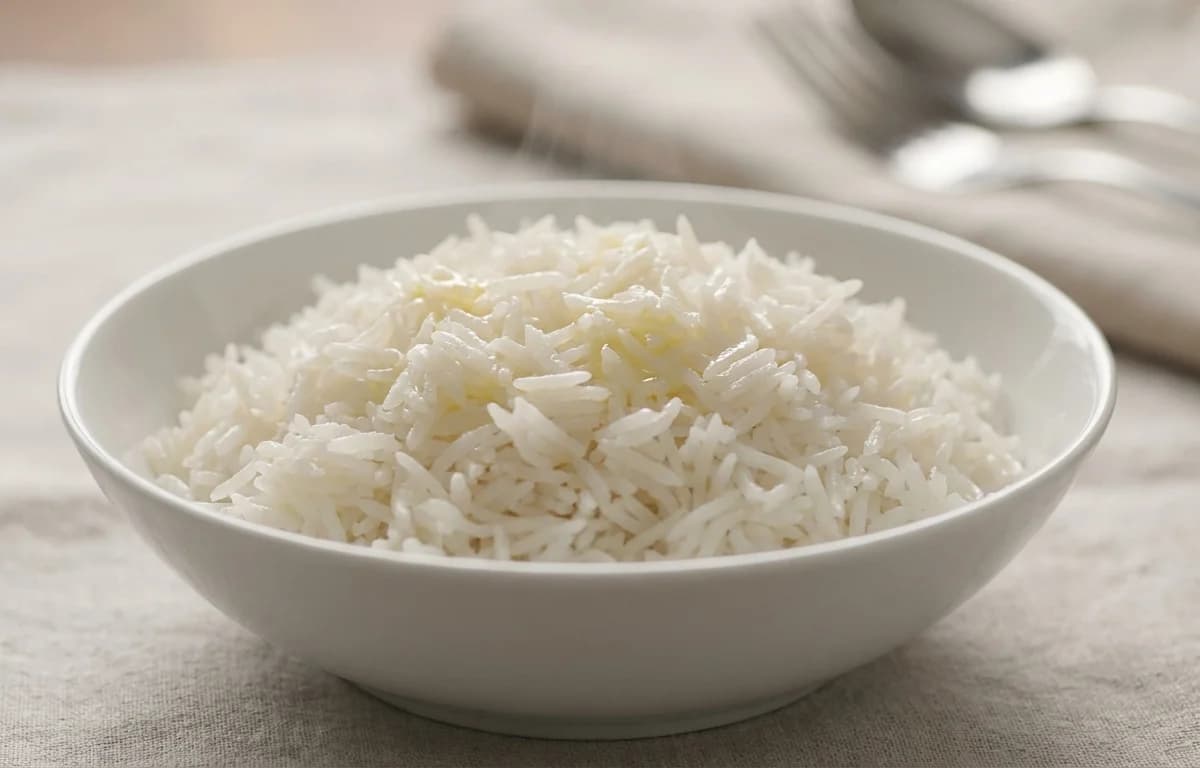
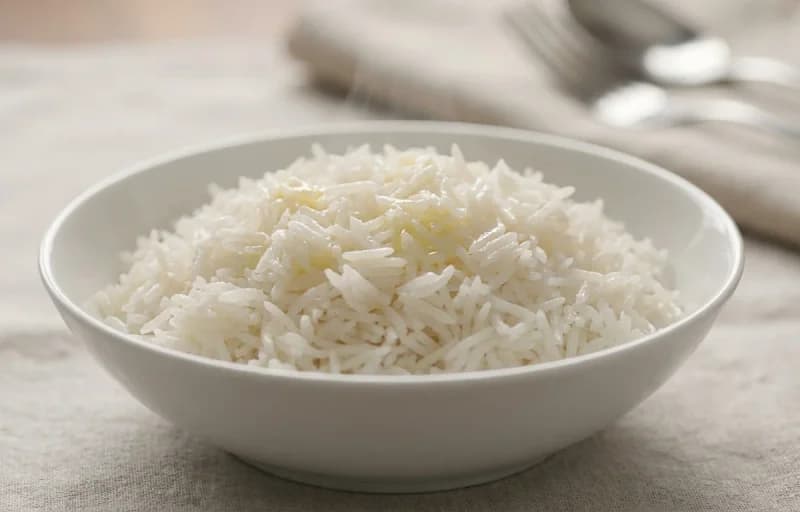
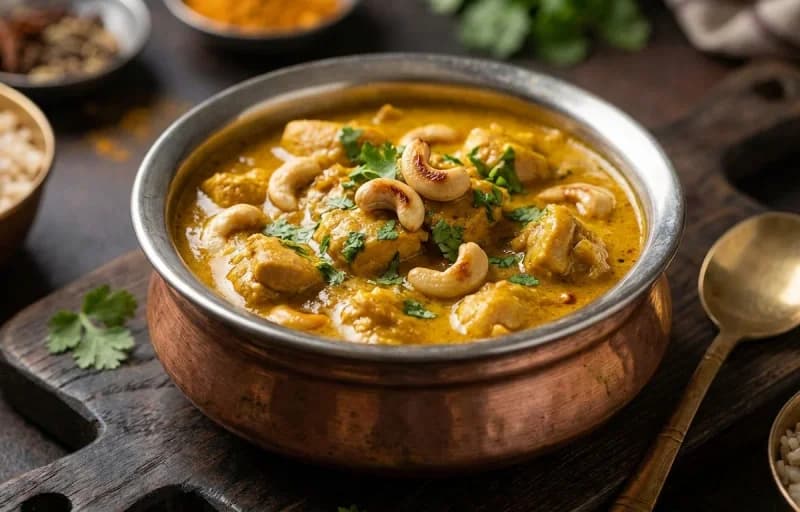
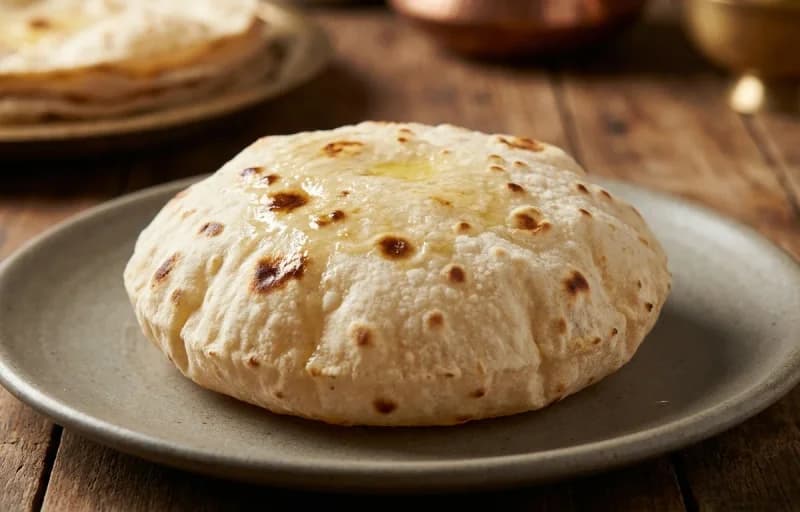
Perfectly fluffy, long-grained basmati rice with a delicate aroma. This simple, foolproof recipe gives you separate, non-sticky grains every time, making it the perfect base for any curry or dal.
Prep35 min
Cook25 min
Soak30 min
Servings4
Serving size: 1 serving
262cal
5gprotein
55gcarbs
Ingredients
1.5 cup Basmati Rice (Use good quality, aged basmati rice for best results)
2.25 cup Water (For the absorption cooking method)
0.75 tsp Salt (Adjust to taste)
1 tsp Ghee (Optional, for flavor and to prevent sticking)
Instructions
1
Rinse and Soak the Rice (35 minutes)
Place the basmati rice in a large bowl. Add cold water and gently swirl the rice with your fingers. Drain the cloudy water. Repeat this process 3-4 times until the water runs mostly clear. This removes excess starch and prevents stickiness.
Cover the rinsed rice with fresh water and let it soak for 30 minutes. Soaking allows the grains to absorb water, ensuring they cook evenly and elongate beautifully.
After 30 minutes, drain the rice completely using a fine-mesh sieve and set aside.
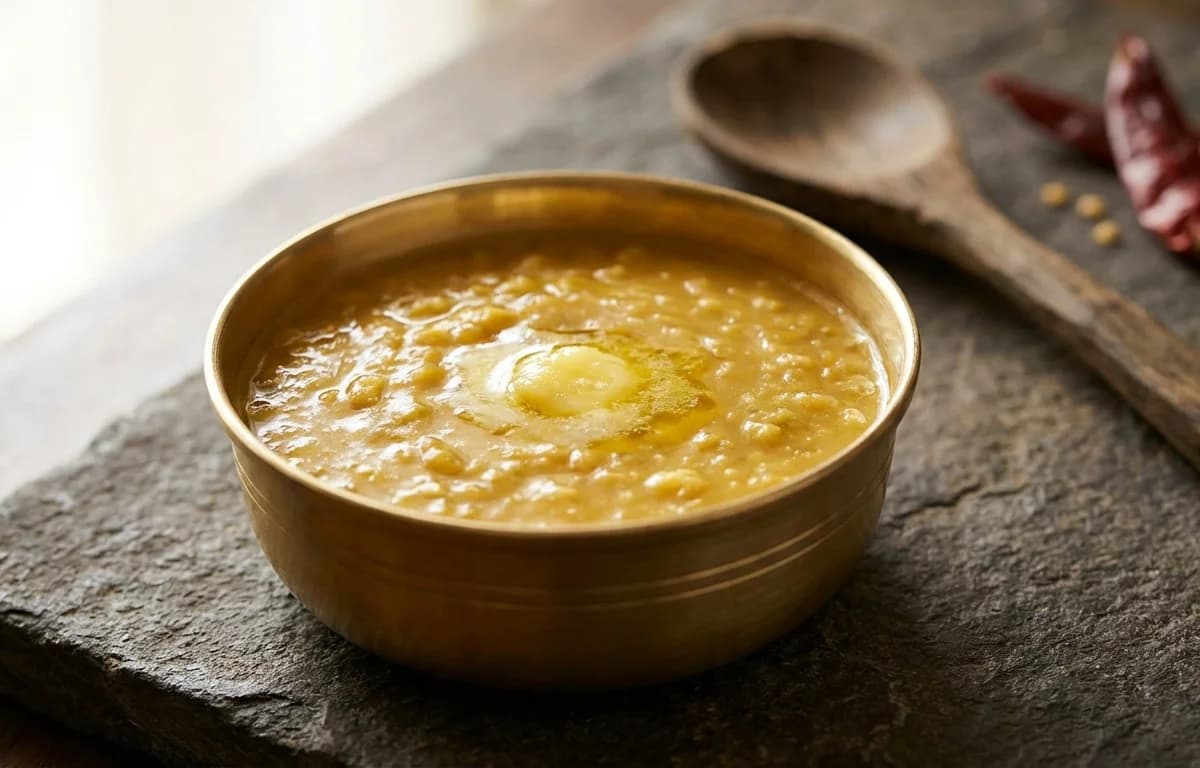
A simple and comforting Andhra staple, this thick, creamy lentil dish is made with just toor dal and turmeric. It's the perfect base for rice, ghee, and a spicy pickle, embodying pure comfort food.
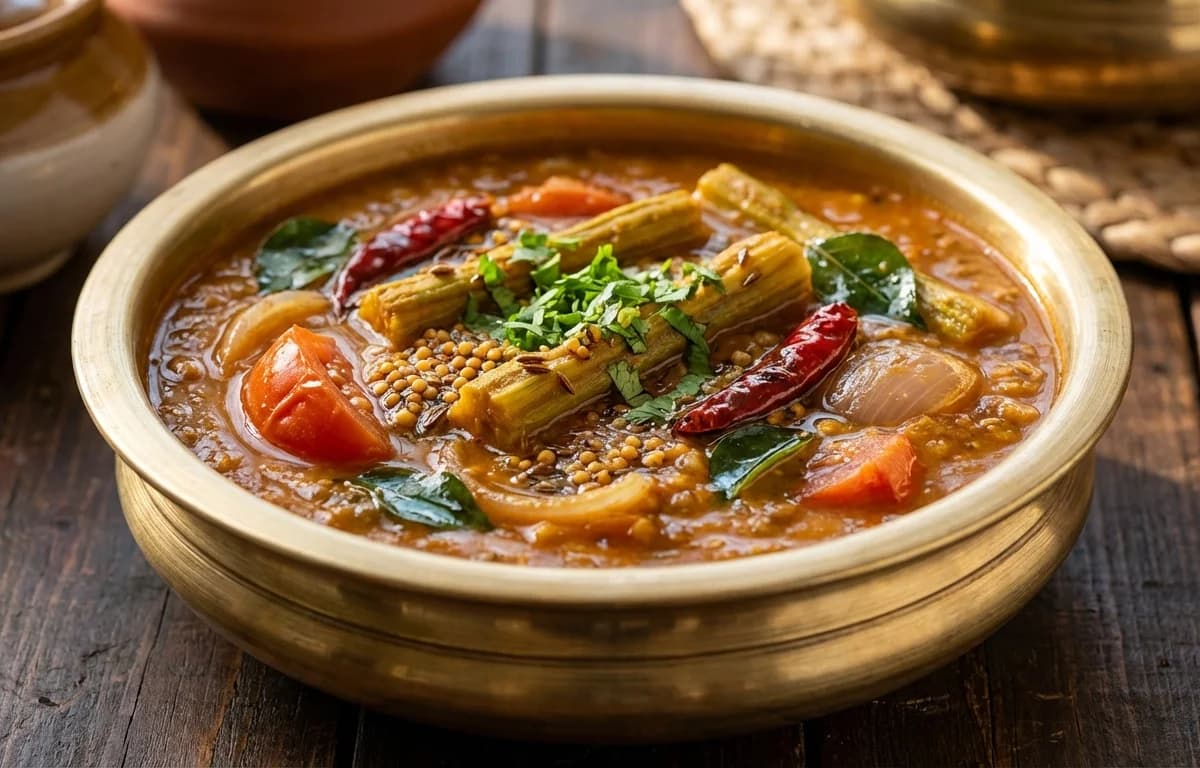
A fiery and tangy lentil stew from Andhra Pradesh, packed with vegetables like drumsticks and flavored with a special sambar powder. It's the perfect spicy accompaniment to steamed rice, idli, or dosa.
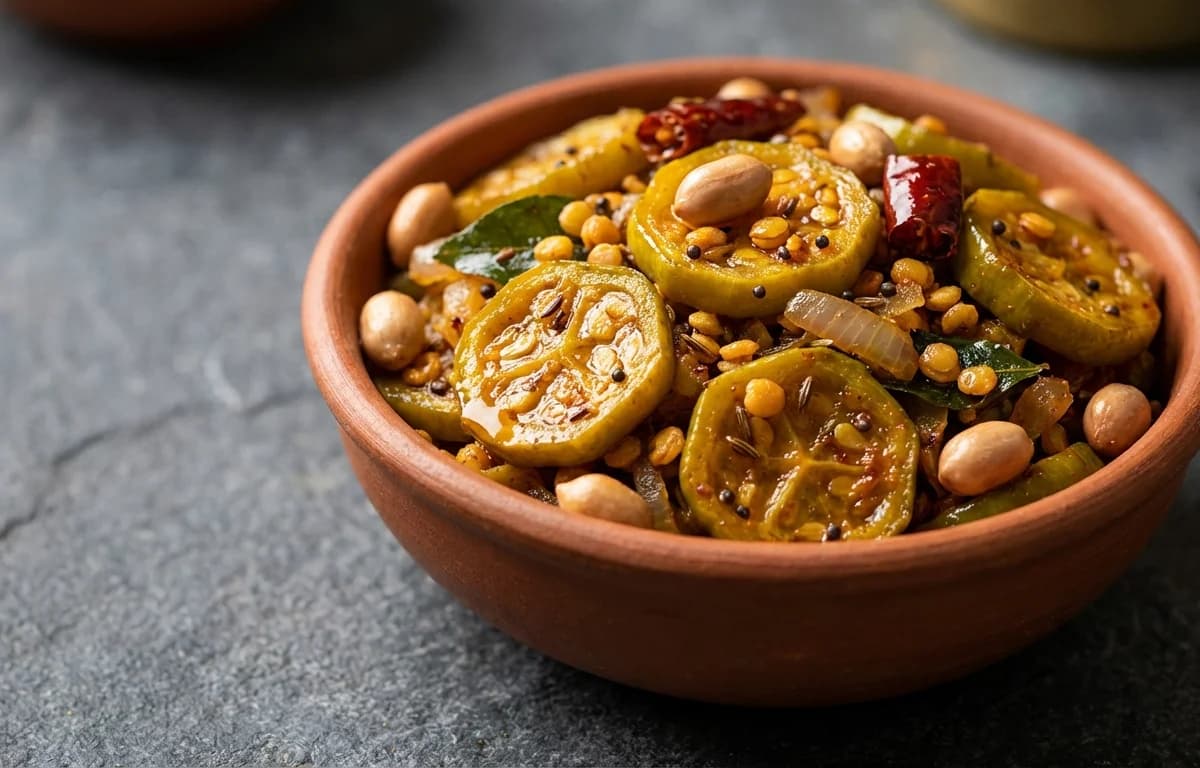
A simple, crispy, and flavorful South Indian stir-fry made with ivy gourd. This popular Andhra side dish gets its delightful crunch and nutty aroma from a special roasted peanut and garlic powder, making it a perfect partner for rice and sambar.
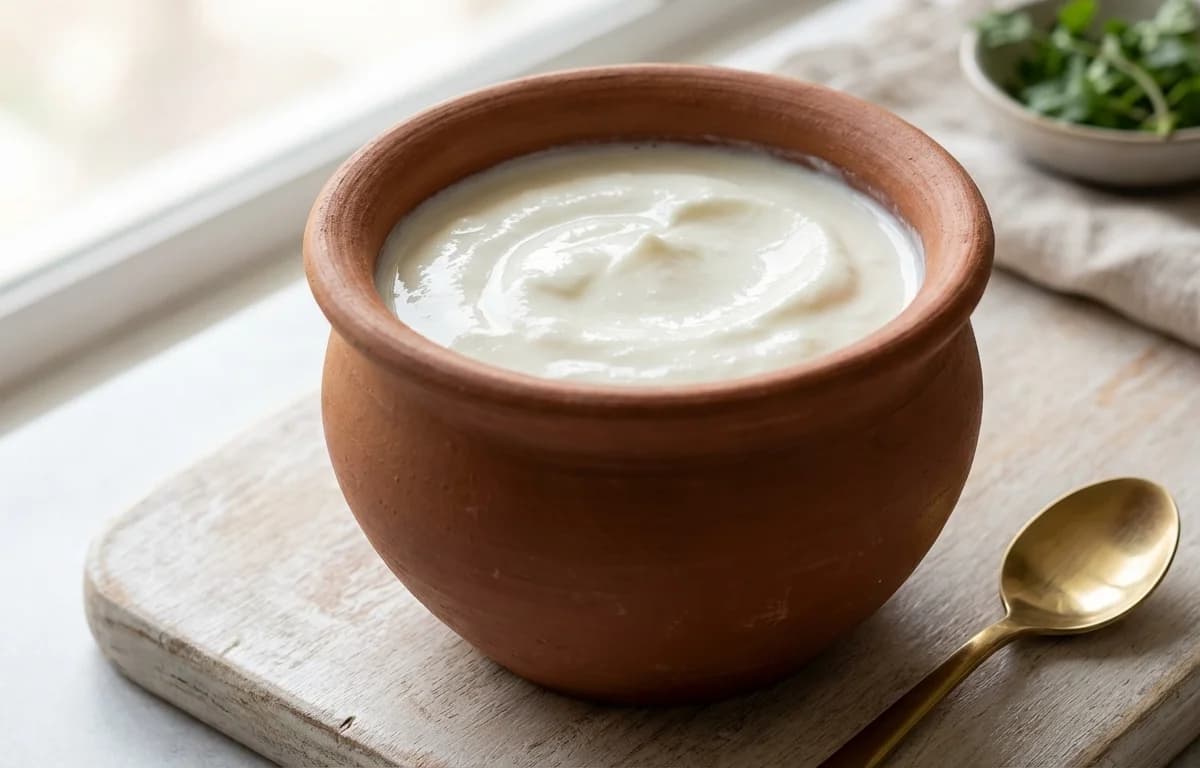
Creamy, tangy, and light homemade curd (dahi), a staple in every Indian household. This simple recipe uses just two ingredients to create a probiotic-rich food perfect for raita, lassi, or enjoying on its own. Note that this recipe requires 6-12 hours of inactive time for fermentation.
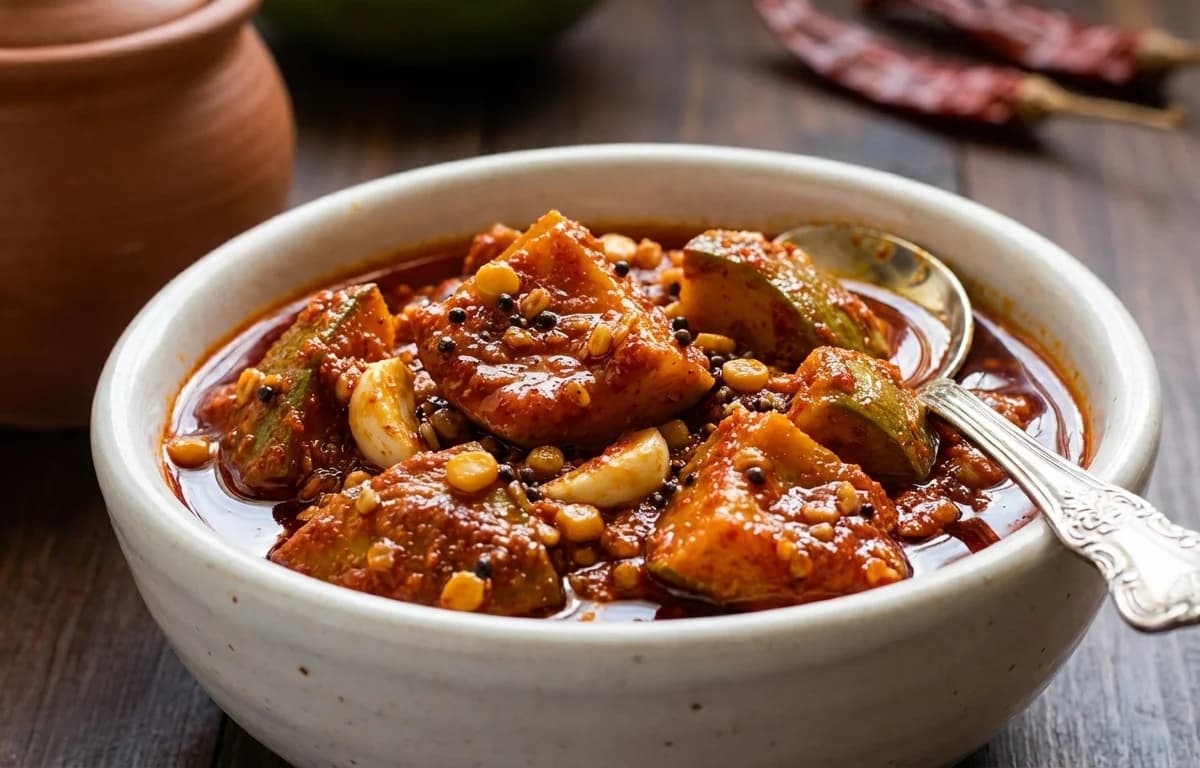
A fiery and tangy raw mango pickle from Andhra, bursting with the pungent flavor of mustard. This traditional summer pickle is a beloved South Indian condiment that pairs perfectly with hot rice, ghee, and curd rice.
About Steamed Basmati Rice, Muddapappu, Andhra Sambar, Dondakaya Vepudu, Curd and Avakai Pickle
Homestyle Andhra meal with fiber-rich sambar & tangy pickle. Pure soul-satisfying goodness!
This andhra dish is perfect for dinner. With 1397.27 calories and 46.04g of protein per serving, it's a nutritious choice for your meal plan.
1gfat
Cook the Rice (15 minutes)
In a medium, heavy-bottomed saucepan with a tight-fitting lid, combine the drained rice, 2.25 cups of fresh water, salt, and ghee (if using).
Bring the mixture to a rolling boil over medium-high heat, uncovered.
As soon as it boils, give it one gentle stir, then immediately reduce the heat to the lowest possible setting. Cover the saucepan tightly with the lid.
Let the rice simmer for 12-15 minutes, or until all the water has been absorbed. Do not lift the lid during this time to prevent steam from escaping.
3
Rest and Fluff (10 minutes)
Turn off the heat but leave the saucepan on the stove, still covered. Let the rice rest and steam for 10 minutes. This step is crucial for finishing the cooking process and achieving a perfect texture.
After resting, remove the lid. Use a fork to gently fluff the rice, separating the long, delicate grains.
Serve hot as a perfect accompaniment to curries, dals, or grilled dishes.
4
Serving size: 1 serving
232cal
11gprotein
32gcarbs
7gfat
Ingredients
1 cup Toor Dal (Also known as Kandi Pappu)
3 cup Water (For pressure cooking)
0.5 tsp Turmeric Powder
0.25 tsp Hing (Optional, for flavor and digestion)
1 tsp Salt (Adjust to taste)
2 tbsp Ghee (For serving)
Instructions
1
Prepare the Dal
Rinse 1 cup of toor dal under cool running water 3-4 times, until the water runs clear. This removes excess starch.
For a creamier texture and faster cooking, soak the rinsed dal in 2 cups of fresh water for 20-30 minutes. This step is optional but recommended.
2
Pressure Cook the Dal
Drain the soaked dal and transfer it to a 3-liter pressure cooker.
Add 3 cups of fresh water, 0.5 tsp turmeric powder, and 0.25 tsp hing (if using).
Secure the lid and pressure cook on medium-high heat for 4-5 whistles (about 15 minutes).
After the whistles, reduce the heat to low and let it simmer for 5 minutes before turning off the flame.
3
Mash to a Smooth Paste
Allow the pressure to release naturally from the cooker. This is crucial for perfectly cooked dal.
Once the pressure has subsided, open the lid. The dal should be completely soft and mushy.
Add 1 tsp of salt. Using a traditional wooden masher (pappu gutti) or a sturdy whisk, mash the dal vigorously while it is still hot until it forms a smooth, thick, and creamy paste.
If the dal seems too thick, add a few tablespoons of hot water and mix well to reach the desired consistency. It should be thick like a paste, not runny.
4
Serve
Transfer the hot Muddapappu to a serving bowl.
Serve immediately with hot steamed rice, a generous dollop of ghee, and a side of Avakai (Andhra mango pickle) or any spicy chutney for a classic and comforting meal.
In a small, dry pan over low heat, roast the peanuts for 4-5 minutes until they are aromatic and lightly browned. Remove and set aside to cool.
In the same hot pan, add the dried red chilies and cumin seeds. Roast for about 1 minute until fragrant, being careful not to burn them.
If using, lightly toast the desiccated coconut for 30 seconds until it turns a pale golden color.
Once all roasted ingredients have cooled completely, transfer them to a blender or spice grinder along with the garlic cloves.
Pulse a few times to create a coarse powder. A coarse texture is key for the final dish. Set this powder aside.
2
Temper and Sauté the Ivy Gourd
Heat oil in a wide, heavy-bottomed pan or kadai over medium heat.
Once the oil is hot, add the mustard seeds and allow them to splutter.
Add the urad dal and chana dal. Sauté for about a minute until they turn a light golden brown.
Add the curry leaves and asafoetida (hing). Sauté for another 30 seconds until the leaves are crisp.
Add the sliced ivy gourd (dondakaya) to the pan. Sprinkle with turmeric powder and salt. Mix thoroughly to ensure the slices are evenly coated with the oil and spices.
1 litre Whole Milk (Full-fat milk yields the thickest, creamiest curd. You can use low-fat milk, but the result will be less thick.)
1 tbsp Yogurt Starter (Must contain live active cultures. Ensure the starter is fresh and not sour for the best results.)
Instructions
1
Boil the Milk
Pour the milk into a heavy-bottomed pot or saucepan.
Bring the milk to a rolling boil over medium heat, then reduce the heat to low. Let it simmer for 5-7 minutes, stirring occasionally to prevent a skin from forming and to avoid scorching at the bottom. This process helps thicken the milk slightly, resulting in a creamier curd.
2
Cool to Lukewarm Temperature
Turn off the heat and allow the milk to cool down until it is lukewarm. The ideal temperature is between 40-45°C (105-115°F).
To test without a thermometer, dip a clean finger into the milk. You should be able to hold it in for about 10 seconds without it feeling uncomfortably hot. If it's too hot, it will kill the bacteria; if it's too cold, the curd won't set.
3
Inoculate with Starter
In a small bowl, whisk the yogurt starter until it is smooth and lump-free.
Add 2-3 tablespoons of the warm milk to the starter and mix well. This process, called tempering, helps the culture mix evenly without curdling.
Pour this tempered starter mixture back into the pot of milk and stir gently just a few times to combine everything thoroughly.
4
Ferment and Set the Curd
Pour the inoculated milk into the container you wish to set the curd in (earthenware, glass, or steel containers work well).
Cover the container with a lid and place it in a warm, draft-free spot to ferment. An oven (turned off) with the light on, a warm cupboard, or an Instant Pot on the 'Yogurt' setting are great options.
Let it sit undisturbed for 6 to 12 hours. The time will vary based on the climate; warmer weather requires less time (6-8 hours), while colder weather may take longer (10-12 hours).
5
Chill and Serve
Once the curd is set (it should be firm and not jiggle like a liquid), carefully transfer it to the refrigerator without disturbing it.
Chill for at least 3-4 hours. This crucial step stops the fermentation process (preventing it from becoming too sour) and helps the curd to thicken and set further.
Serve chilled as a side dish, or use it as a base for raita, lassi, or marinades.
1 kg Raw Mangoes (Use firm, sour, dark green variety. Cut into 1-inch pieces with the kernel shell.)
150 g Mustard Seeds (To be ground into a coarse powder.)
150 g Red Chilli Powder (Use a spicy variety like Guntur for authentic heat.)
150 g Rock Salt (Or non-iodized crystal salt. Iodized salt can darken the pickle.)
100 g Garlic Cloves (Peeled but left whole.)
500 ml Sesame Oil (Also known as gingelly oil. Use cold-pressed for best results.)
25 g Fenugreek Seeds (Use whole seeds.)
2 tbsp Turmeric Powder
1 tsp Asafoetida (Also known as Hing.)
25 g Kala Chana (Optional, for added texture and flavor.)
Instructions
1
Prepare the Mangoes (Crucial Step)
Wash the raw mangoes thoroughly under running water. Wipe each mango completely dry with a clean, absorbent cloth. There should be absolutely no moisture left.
Chop the mangoes into 1-inch pieces. Traditionally, the hard inner shell of the kernel (tenka) is retained with the piece, as it adds a unique flavor. Discard the soft kernel inside.
Spread the mango pieces on a dry cloth or tray in a single layer. Let them air dry under a fan for 1-2 hours to eliminate any residual surface moisture. This step is critical for preventing spoilage.
2
Prepare the Spice Mix (Masala)
Ensure your grinder jar is completely dry. Add the mustard seeds and grind them to a coarse powder. Avoid over-grinding, which can make it bitter.
In a large, completely dry bowl or basin, combine the coarse mustard powder, red chilli powder, rock salt, turmeric powder, whole fenugreek seeds, peeled garlic cloves, and kala chana (if using).
Mix these dry ingredients thoroughly with a dry spoon until evenly distributed.
3
Combine Mangoes and Spices
Add the air-dried mango pieces to the spice mix in the basin.
Cook for about 8-10 minutes, or until the drumsticks are tender but still hold their shape.
4
Combine and Simmer the Sambar
Pour the prepared tamarind extract into the pot with the cooked vegetables.
Add 2.5 tbsp Andhra sambar powder, 1 tsp red chili powder, and 1 tsp grated jaggery. Stir well to combine.
Let the mixture simmer for 5-7 minutes, allowing the raw smell of the tamarind and spices to dissipate and the flavors to meld.
Gently pour in the mashed dal. Stir everything together. If the sambar is too thick, add a little hot water to reach your desired consistency.
Bring the sambar to a gentle boil and then reduce the heat to low. Simmer for another 5 minutes. Check and adjust the salt.
5
Prepare the Tempering (Tadka)
In a small pan (tadka pan), heat 2 tbsp of oil over medium heat.
Once the oil is hot, add 1 tsp of mustard seeds and let them splutter completely.
Add 1 tsp cumin seeds, 1/4 tsp fenugreek seeds, 3 broken dry red chilies, 3 crushed garlic cloves, and the sprig of curry leaves. Sauté for 30-40 seconds until fragrant.
Turn off the heat and immediately add 1/4 tsp of asafoetida. Give it a quick stir.
6
Finish and Serve
Pour the hot tempering directly over the simmering sambar. You should hear a satisfying sizzle.
Garnish with 2 tbsp of freshly chopped coriander leaves.
Stir gently, cover the pot, and let the sambar rest for at least 10 minutes before serving. This allows the flavors of the tempering to infuse throughout the dish.
Serve hot with steamed rice, idli, dosa, or vada.
3
Slow-Fry to Perfection
Reduce the heat to medium-low and cook the ivy gourd for 15-20 minutes, stirring every 3-4 minutes to prevent sticking and ensure even cooking.
Do not cover the pan. This is crucial for allowing moisture to escape, which makes the ivy gourd crispy rather than steamed and soggy.
Continue cooking until the pieces are tender, have shrunk in size, and have developed crispy, golden-brown edges.
4
Add Spice Powder and Serve
Once the ivy gourd is well-cooked and crispy, sprinkle the prepared peanut-garlic powder over it.
Gently mix to coat all the pieces evenly.
Cook on low heat for another 2-3 minutes, allowing the flavors of the powder to meld with the vegetable.
Turn off the heat and serve hot as a side dish with rice and sambar, rasam, or dal.
Using clean, dry hands or a large dry spoon, toss everything together gently but thoroughly until every mango piece is evenly coated with the masala.
4
Temper and Add the Oil
In a small pan, gently heat the sesame oil on low heat until it is just warm to the touch. Do not let it smoke or become hot.
Turn off the heat. Add the asafoetida (hing) to the warm oil and give it a quick stir. This infuses the oil with its aroma.
Allow the oil to cool down completely to room temperature. This may take 20-30 minutes.
Pour the cooled, infused oil over the mango and spice mixture. Mix thoroughly until the oil is well incorporated.
5
Store and Cure the Pickle
Carefully transfer the pickle mixture into a sterilized, completely dry ceramic jar (bharani) or a glass jar. Do not fill it to the brim; leave about 2 inches of space at the top.
Cover the mouth of the jar with a clean, dry muslin cloth and secure it with a string. Do not use an airtight lid for the first 3 days.
For the next 3 days, once a day, use a long, clean, and dry spoon to mix the pickle from the bottom up. This ensures all pieces are submerged in the oil and spices.
By the 4th day, the mangoes will have released their juices, creating more brine, and a layer of oil will float on top. This oil layer is a natural preservative.
Taste a tiny bit of the masala. If needed, you can add more salt at this stage. Secure the jar with its airtight lid and store it in a cool, dry place.
Let the pickle cure for at least 2 weeks before consumption for the flavors to mature and the mango pieces to soften slightly. It will taste even better after a month.