Muddapappu
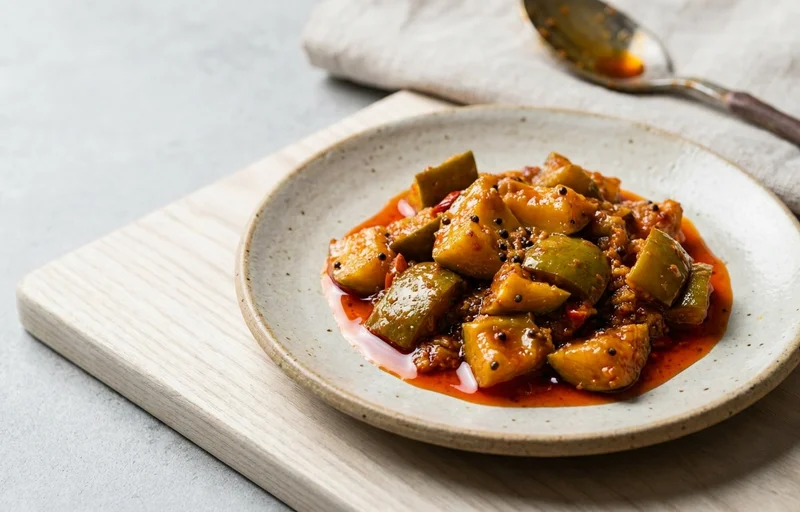
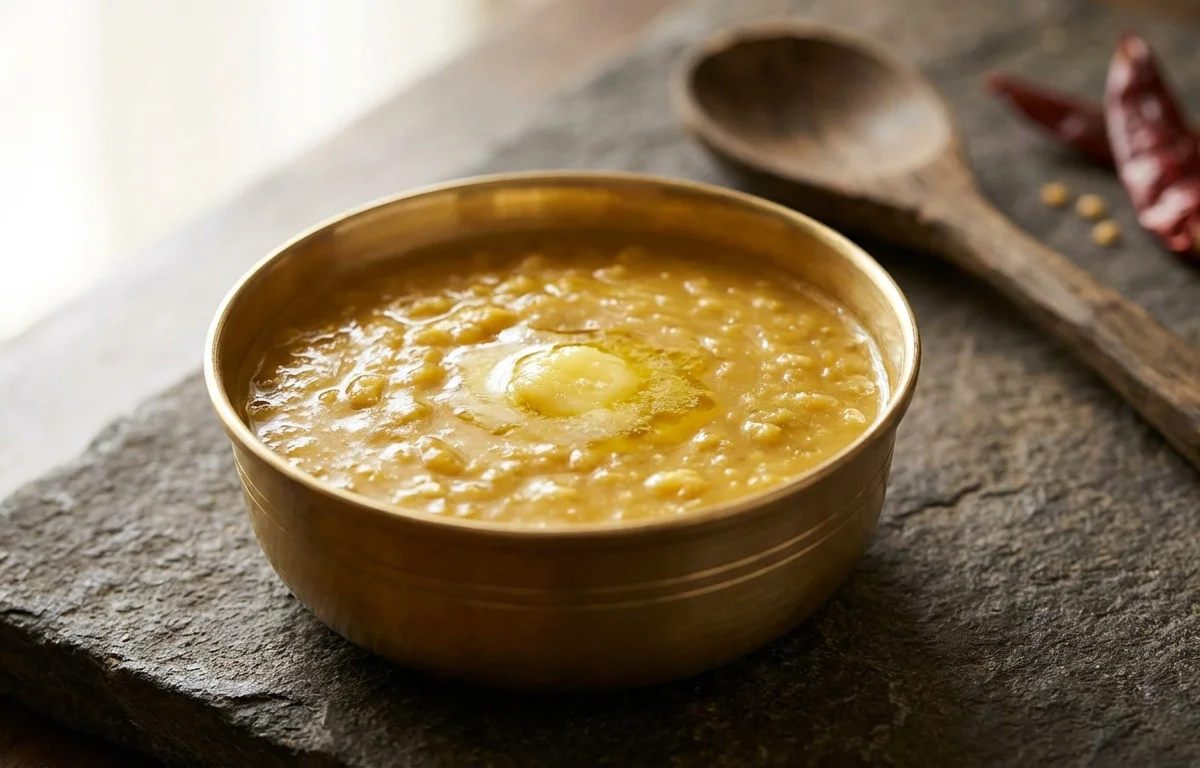
A simple Andhra-style mashed toor dal that is soft, mild, and deeply comforting. It is usually served with hot rice, a little ghee, and a side of pickle for a humble meal that feels complete.
For 4 servings
- prep
Rinse the dal.
Wash the toor dal in a few changes of water until the water runs mostly clear.
- pressure cook · ~15 min
Pressure cook the dal.
1.Add the rinsed toor dal to a pressure cooker with water, turmeric powder, and salt.2.Stir once and close the cooker.3.Cook on medium heat for 4 whistles, until the dal turns very soft.TIPFor true muddapappu texture, cook the dal a little softer than regular dal. - rest · ~5 min
Let the pressure release naturally.
- mix
Mash the dal until smooth.
Open the cooker and mash the cooked dal with the back of a ladle until soft and mostly smooth. If it looks too thick, add a splash of water and mix well.
- boil · ~3 min
Simmer briefly to finish.
Bring the mashed dal to a gentle boil for 2 to 3 minutes so the texture evens out and the flavors settle.
- serve
Serve hot with ghee.
Spoon the muddapappu into bowls and top each serving with a little ghee. Serve hot with rice.
What to keep in mind.
7 tips from the recipe — small details that make a real difference to the final dish.
- 1Cook the toor dal slightly softer than everyday dal; it should mash with almost no resistance.
- 2Let the pressure drop naturally so the grains finish softening and the texture stays creamy, not grainy.
- 3Mash while the dal is still hot for the smoothest muddapappu consistency.
- 4If serving with rice, keep the dal a little thicker; add a splash of hot water only if it tightens on standing.
- 5Simmering for a final 2 to 3 minutes helps the mashed dal turn uniform and velvety.
- 6A spoon of ghee added only at serving keeps its aroma bright and gives the plain dal its classic Andhra finish.
- 7Leftovers thicken in the fridge, so reheat with hot water and whisk well to bring back the soft texture.
Adapt it for your goals.
Vegan
Skip the ghee and finish with a little sesame oil or coconut oil for a plant-based version that still feels rich.
no pressure cookerNo-pressure-cooker
Simmer the rinsed dal in a pot until fully soft, then mash well; useful if you do not have a pressure cooker.
garlic temperedGarlic-tempered
Top with a quick tempering of ghee, cumin, and crushed garlic for a stronger aroma while keeping the dal simple.
peppery comfortPeppery-comfort
Add a little crushed black pepper at the end for gentle heat that suits the mild, soothing style of the dish.
Why this is on our healthy list.
Good Plant Protein Base
Toor dal provides plant protein that makes this simple rice-and-dal meal more satisfying and balanced.
Fiber From Lentils
Split pigeon peas add fiber, which supports fullness and makes this soft dish more nourishing than plain rice alone.
Light, Minimal Ingredients
With just dal, turmeric, salt, water, and a little ghee, this is a gentle, uncomplicated comfort food.
Turmeric Adds Antioxidants
Even a small pinch of turmeric contributes color and beneficial plant compounds to the dish.
Frequently asked questions
It should be very soft, thick, and mostly smooth after mashing, not watery and not grainy like loosely cooked dal.



.webp)