Loading...
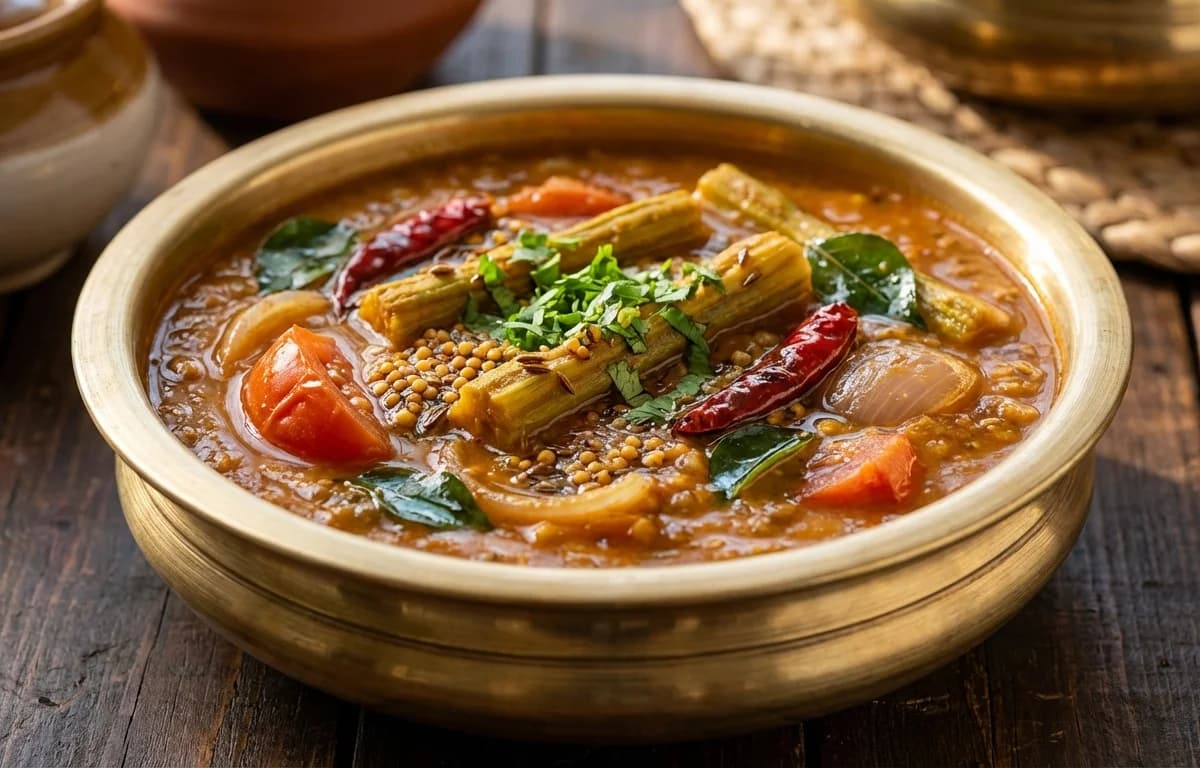
A fiery and tangy lentil stew from Andhra Pradesh, packed with vegetables like drumsticks and flavored with a special sambar powder. It's the perfect spicy accompaniment to steamed rice, idli, or dosa.
For 4 servings
Cook the Dal
Prepare Tamarind and Vegetables
Cook the Vegetables
A fiery and tangy lentil stew from Andhra Pradesh, packed with vegetables like drumsticks and flavored with a special sambar powder. It's the perfect spicy accompaniment to steamed rice, idli, or dosa.
This andhra recipe takes 55 minutes to prepare and yields 4 servings. At 329.05 calories per serving with 14.11g of protein, it's a moderately challenging recipe perfect for lunch or dinner.
Discover authentic recipes from cuisines around the world.
Find recipes that fit your dietary preferences.
Find recipes optimized for your goal.
Combine and Simmer the Sambar
Prepare the Tempering (Tadka)
Finish and Serve
Feel free to add other traditional sambar vegetables like yellow pumpkin (kaddu), bottle gourd (lauki), carrots, or broad beans (sem phali) along with the drumsticks.
For a creamier texture, you can use a mix of 3/4 cup toor dal and 1/4 cup masoor dal (red lentils).
For a Sattvic version, you can omit the onion and garlic. The flavor profile will be different but still delicious, with the spices taking center stage.
Toor dal is a fantastic source of plant-based protein, crucial for muscle building, tissue repair, and overall body function.
The combination of lentils and various vegetables like drumsticks and brinjal makes this dish high in fiber, which aids digestion, promotes satiety, and helps maintain stable blood sugar levels.
Spices like turmeric (containing curcumin) and asafoetida used in the sambar are known for their powerful anti-inflammatory and antioxidant benefits, supporting overall health.
The diverse vegetables provide essential vitamins (like Vitamin C from tomatoes) and minerals (like potassium and magnesium), contributing to a balanced diet.
Yes, it's a very healthy dish. It is rich in plant-based protein from lentils, packed with fiber and vitamins from various vegetables, and contains beneficial spices like turmeric and cumin known for their anti-inflammatory properties.
One serving (approximately 1 cup or 275g) of Andhra Sambar contains around 220-250 calories, depending on the specific vegetables and amount of oil used.
Andhra Sambar is typically spicier, uses a distinct sambar powder with a different spice blend (often more coriander and chili), and is generally tangier. Tamil Nadu sambar might be slightly sweeter and often has a different vegetable profile.
Absolutely. You can cook the toor dal in a regular pot on the stovetop. It will take longer, about 45-60 minutes, until the dal is completely soft and mushy. Ensure you add enough water to prevent it from sticking.
Yes, you can. For a more authentic taste, look for one specifically labeled 'Andhra Sambar Powder,' as it will have the characteristic spicy and robust flavor profile.
To reduce the heat, decrease the amount of red chili powder and use a milder sambar powder. To increase it, add more red chili powder or a slit green chili along with the vegetables during cooking.
This recipe goes great with these complete meals
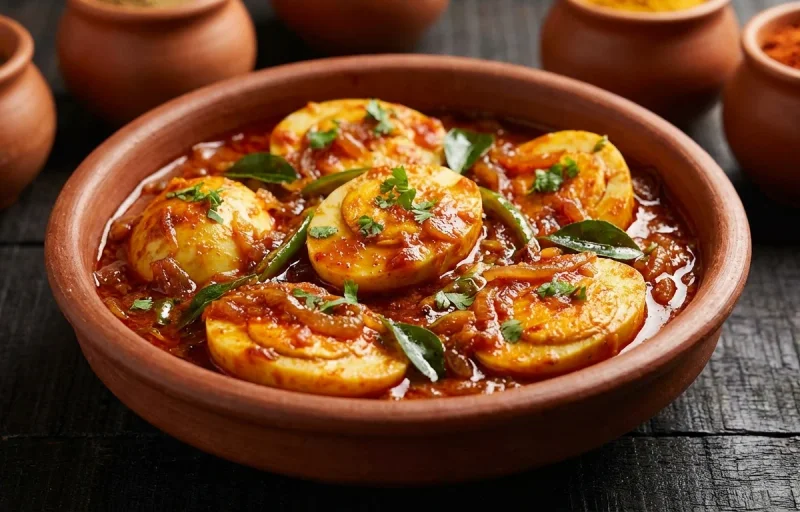
A fiery and aromatic egg fry from Andhra Pradesh, where hard-boiled eggs are tossed in a spicy onion-tomato masala with plenty of green chilies. A quick and delicious side dish for rice or roti.
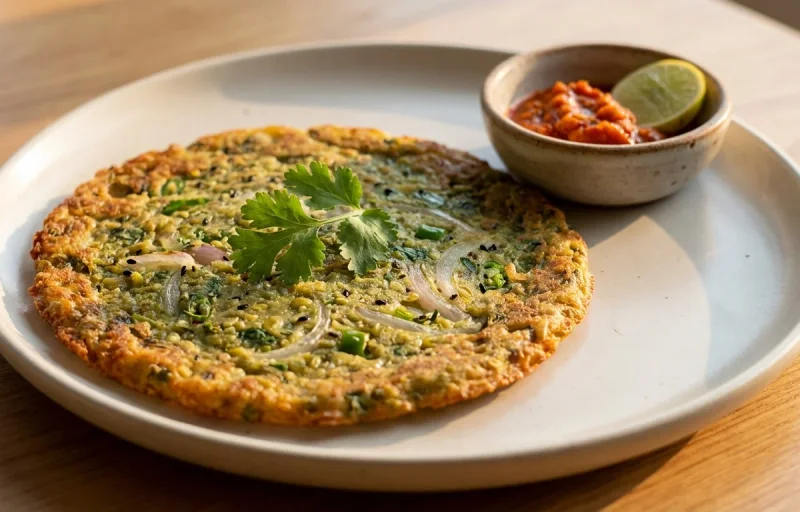
Pesarattu, popularly known as Moong Dal Polo in the Andhra region, is a classic breakfast crepe. Made from a simple batter of whole green moong lentils and rice, these savory pancakes are crispy on the outside, soft inside, and packed with protein. Often topped with chopped onions and served with a spicy ginger chutney (Allam Pachadi), it's a healthy and delicious start to the day.
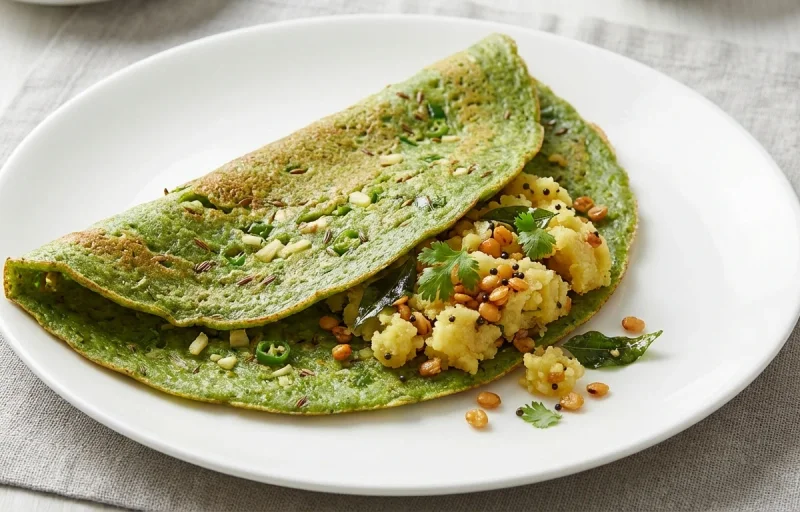
A classic Andhra breakfast combining a crispy green moong dal dosa (Pesarattu) with a savory semolina filling (Upma). This wholesome and protein-rich dish is a complete meal in itself, best enjoyed with ginger chutney.
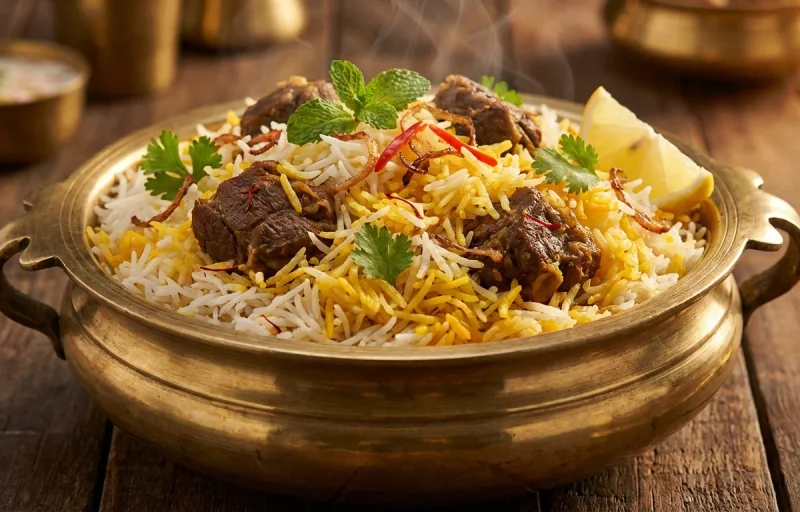
A fiery and aromatic biryani from the heart of Andhra Pradesh. Tender mutton pieces are cooked with fragrant basmati rice and a bold, spicy masala made with green chilies and fresh herbs. A true feast for spice lovers.