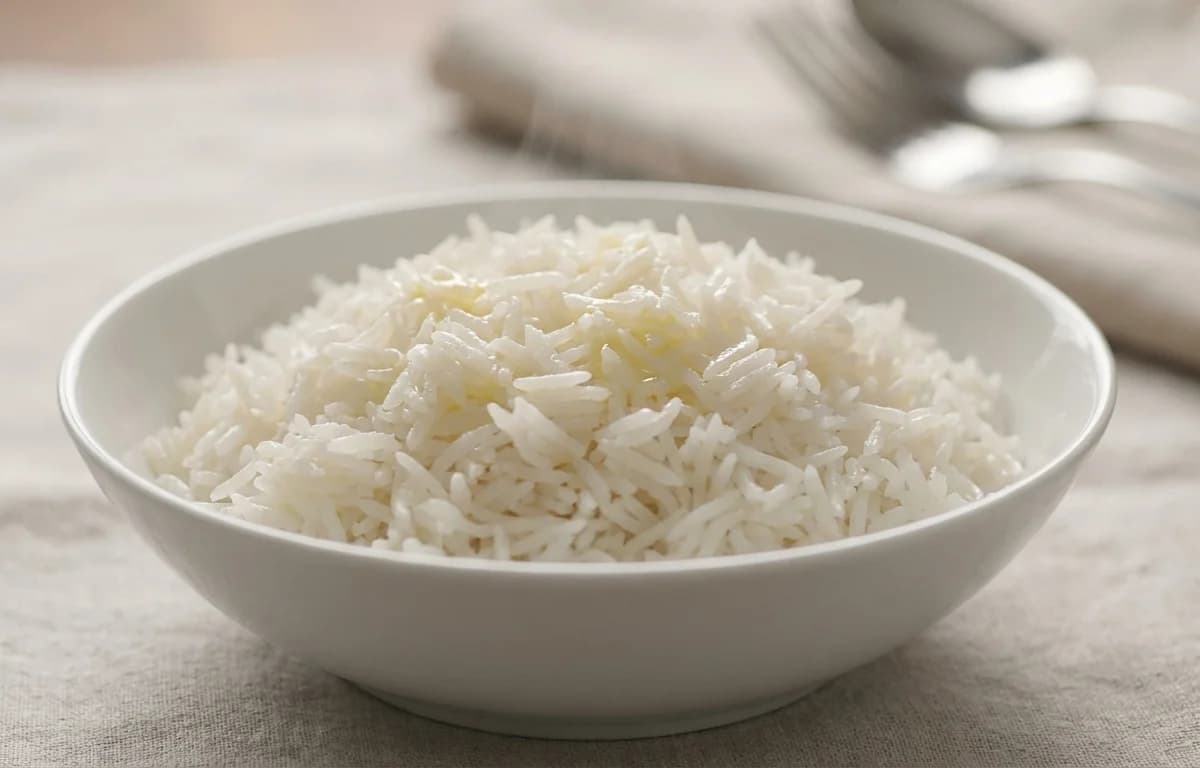
Perfectly fluffy, long-grained basmati rice with a delicate aroma. This simple, foolproof recipe gives you separate, non-sticky grains every time, making it the perfect base for any curry or dal.
Prep35 min
Cook25 min
Soak30 min
Servings4
Serving size: 1 cup
262cal
5gprotein
55gcarbs
Ingredients
1.5 cup Basmati Rice (Use good quality, aged basmati rice for best results)
2.25 cup Water (For the absorption cooking method)
0.75 tsp Salt (Adjust to taste)
1 tsp Ghee (Optional, for flavor and to prevent sticking)
Instructions
1
Rinse and Soak the Rice (35 minutes)
Place the basmati rice in a large bowl. Add cold water and gently swirl the rice with your fingers. Drain the cloudy water. Repeat this process 3-4 times until the water runs mostly clear. This removes excess starch and prevents stickiness.
Cover the rinsed rice with fresh water and let it soak for 30 minutes. Soaking allows the grains to absorb water, ensuring they cook evenly and elongate beautifully.
After 30 minutes, drain the rice completely using a fine-mesh sieve and set aside.
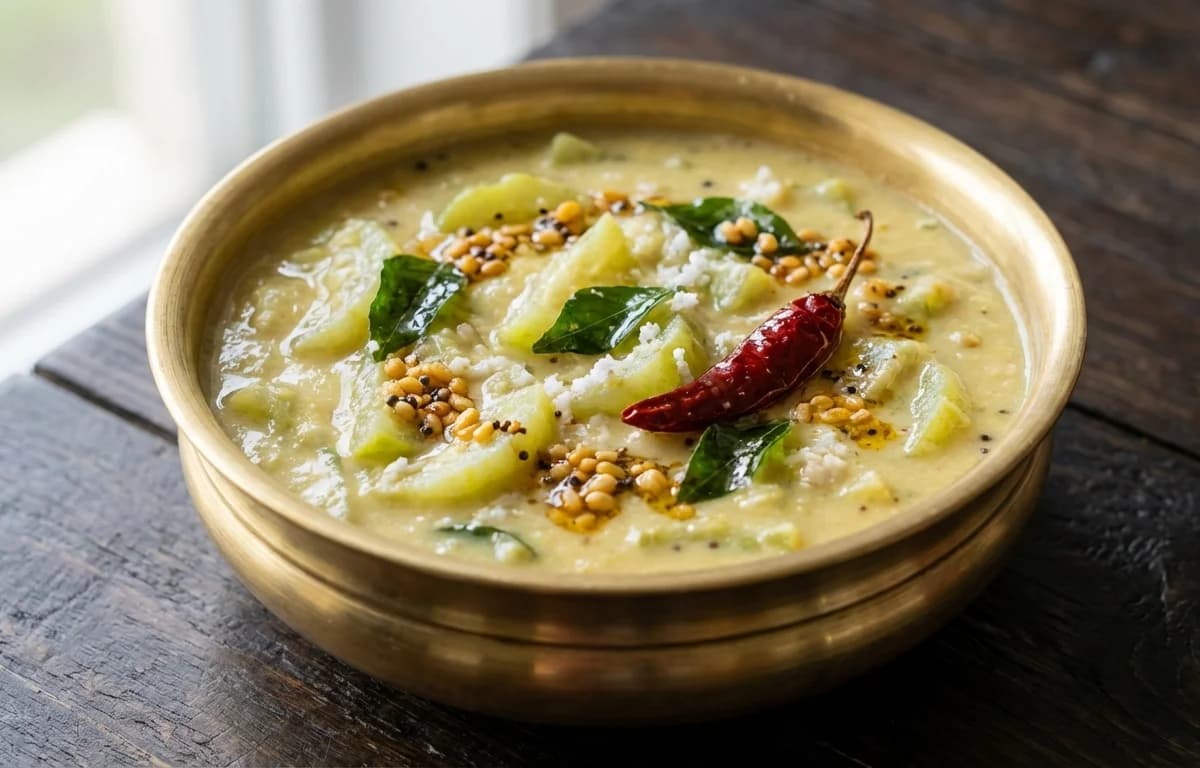
A comforting South Indian classic featuring tender snake gourd and soft lentils simmered in a creamy coconut gravy. This mildly spiced, wholesome dish is a perfect accompaniment to steamed rice and a dollop of ghee.
A comforting and aromatic South Indian soup made with cumin, pepper, and tamarind. This light and peppery rasam is perfect for soothing a cold or enjoying with hot rice.
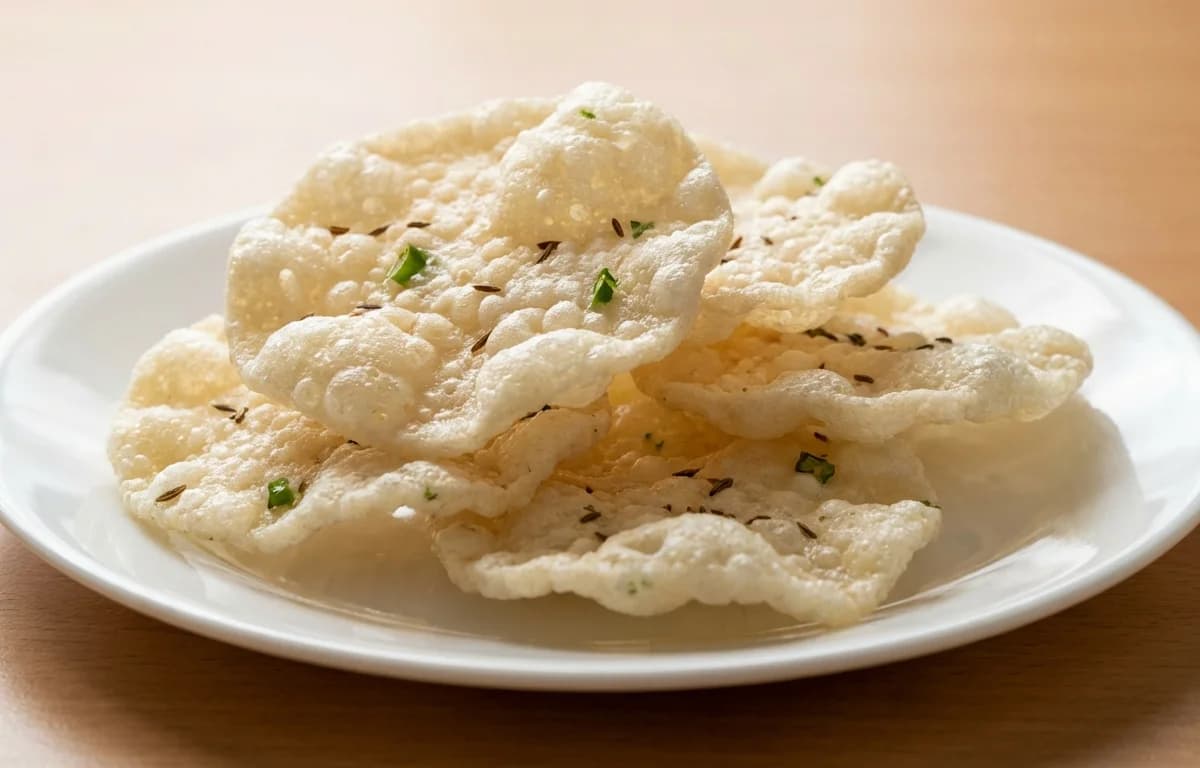
Crispy, light, and airy sun-dried rice crisps from Tamil Nadu. This traditional snack is made from a seasoned rice and sago batter, perfect for deep-frying and serving alongside a meal.
About Steamed Basmati Rice, Pudalangai Kootu, Jeeraga Rasam and Arisi Vadam
Aromatic, gut-friendly rasam with fiber-rich kootu and crispy vadam. A comfort food delight that's easy on the tummy!
This tamil dish is perfect for dinner. With 641.29 calories and 15.78g of protein per serving, it's a nutritious choice for your meal plan.
1gfat
Cook the Rice (15 minutes)
In a medium, heavy-bottomed saucepan with a tight-fitting lid, combine the drained rice, 2.25 cups of fresh water, salt, and ghee (if using).
Bring the mixture to a rolling boil over medium-high heat, uncovered.
As soon as it boils, give it one gentle stir, then immediately reduce the heat to the lowest possible setting. Cover the saucepan tightly with the lid.
Let the rice simmer for 12-15 minutes, or until all the water has been absorbed. Do not lift the lid during this time to prevent steam from escaping.
3
Rest and Fluff (10 minutes)
Turn off the heat but leave the saucepan on the stove, still covered. Let the rice rest and steam for 10 minutes. This step is crucial for finishing the cooking process and achieving a perfect texture.
After resting, remove the lid. Use a fork to gently fluff the rice, separating the long, delicate grains.
Serve hot as a perfect accompaniment to curries, dals, or grilled dishes.
175cal
8gprotein
23gcarbs
7gfat
Ingredients
300 g Snake Gourd (scraped and chopped into 1/2-inch half-moons)
0.5 cup Moong Dal (rinsed well)
0.5 tsp Turmeric Powder
2 cup Water (divided for cooking and grinding)
0.5 cup Grated Coconut (fresh or thawed frozen)
1 tsp Cumin Seeds
2 whole Green Chilli (adjust to your spice preference)
1 tsp Rice Flour (optional, for a thicker consistency)
1 tsp Salt (or to taste)
2 tsp Coconut Oil
1 tsp Mustard Seeds
1 tsp Urad Dal
1 whole Dried Red Chilli (broken into two pieces)
10 leaves Curry Leaves (from one sprig)
0.25 tsp Asafoetida
Instructions
1
Pressure Cook the Dal and Vegetable
In a 2 or 3-liter pressure cooker, combine the chopped snake gourd, rinsed moong dal, and turmeric powder.
Pour in 1.5 cups of water and give it a good stir.
Secure the lid and pressure cook on medium heat for 3 whistles (approximately 10-12 minutes).
Turn off the heat and allow the pressure to release naturally.
2
Prepare the Coconut Paste
While the dal is cooking, place the grated coconut, cumin seeds, and green chillies into a small blender jar.
Add 1/4 cup of water and grind to a very smooth paste. Scrape down the sides as needed to ensure there are no coarse bits.
If using rice flour, mix it into the ground paste now. This will prevent lumps from forming later.
3
Combine and Simmer the Kootu
Once the pressure has fully released, open the cooker. The dal should be soft and mushy, and the snake gourd tender.
Gently mash the mixture with the back of a ladle, leaving some pieces of snake gourd intact for texture.
1.5 tbsp Tamarind Paste (Or a small lime-sized ball of seedless tamarind)
4 cup Water
1.5 tsp Cumin Seeds
1 tsp Black Peppercorns
4 cloves Garlic (Lightly crushed)
1 medium Tomato (Finely chopped)
0.25 tsp Turmeric Powder
0.25 tsp Asafoetida (Also known as Hing)
1 tsp Salt (Or to taste)
1 tsp Ghee (Can substitute with vegetable oil)
0.5 tsp Mustard Seeds
2 whole Dried Red Chili (Broken in half)
1 sprig Curry Leaves (About 10-12 leaves)
2 tbsp Coriander Leaves (Freshly chopped, for garnish)
Instructions
1
Prepare Tamarind Water & Spice Paste (10 mins)
In a bowl, mix the tamarind paste with 1 cup of warm water. Let it sit for 5-10 minutes, then mash well and strain to get a smooth tamarind extract. Discard the pulp.
In a small blender or a mortar and pestle, add the cumin seeds, black peppercorns, and garlic cloves. Grind them to a coarse paste. A slightly chunky texture is ideal for the best flavor.
2
Simmer the Rasam Base (8 mins)
In a medium-sized pot, combine the prepared tamarind extract, the remaining 3 cups of water, chopped tomato, turmeric powder, asafoetida, and salt.
Bring the mixture to a boil over medium-high heat. Once boiling, reduce the heat and let it simmer for 5-7 minutes, allowing the raw smell of the tamarind to dissipate.
3
Infuse Spices (4 mins)
Add the freshly ground cumin-pepper-garlic paste to the simmering rasam. Stir well to combine.
Continue to cook on low heat for another 3-4 minutes. Watch closely until the rasam becomes frothy on top. Do NOT let it come to a rolling boil at this stage, as it can turn bitter. Turn off the heat as soon as it's frothy.
0.25 cup Sabudana (Also known as sago or javvarisi)
5 cup Water (Divided for soaking, slurry, and cooking)
5 count Green Chilies (Adjust to your spice preference)
1 tsp Cumin Seeds
0.5 tsp Hing (Asafoetida powder)
1.5 tsp Salt (Adjust to taste)
2 cup Oil (For deep frying)
Instructions
1
Prepare Sago and Chili Paste
Rinse the sabudana (sago) thoroughly under running water.
Soak the sabudana in 1 cup of water for at least 2-3 hours, or until it becomes soft and can be easily mashed.
Grind the green chilies into a coarse paste. You can add a teaspoon of water if needed, but a dry paste is preferred.
2
Create the Rice Flour Slurry
In a medium bowl, combine the rice flour with 2 cups of water.
Whisk vigorously to ensure there are absolutely no lumps. The resulting slurry should be smooth and have a thin, milky consistency.
3
Cook the Vadam Batter (Koozh)
In a heavy-bottomed pot or kadai, bring the remaining 2 cups of water to a rolling boil.
Drain any excess water from the soaked sabudana and add it to the boiling water. Cook for about 5-7 minutes, stirring occasionally, until the sabudana turns translucent.
Reduce the heat to low. While stirring the boiling water continuously with a whisk, slowly pour in the rice flour slurry. This prevents lumps from forming.
Continue to cook on low-medium heat for 12-15 minutes, stirring constantly with a sturdy spatula. The mixture will thicken into a glossy, thick, and sticky porridge (koozh). It's cooked when it no longer tastes of raw flour.
4
Season and Cool the Batter
Turn off the heat. Immediately add the green chili paste, cumin seeds, hing, and salt to the hot koozh.
Mix thoroughly until all the seasonings are evenly distributed.
Allow the mixture to cool down for 15-20 minutes. It should be warm to the touch but not scalding hot, making it manageable for piping.
5
Pipe and Sun-Dry the Vadams
Spread a clean plastic sheet, parchment paper, or a clean white cloth (veshti) in an area with direct, strong sunlight, like a terrace or balcony.
Fill a piping bag with a plain nozzle, a murukku press, or a thick ziplock bag with a corner snipped off with the warm batter.
Pipe small, coin-sized circles or random squiggles onto the sheet, leaving a little space between each vadam for air circulation.
Sun-dry for 2-4 days, depending on the intensity of the sun. After the first day, when the top is dry, gently peel and flip each vadam to ensure even drying.
The vadams are ready when they are completely moisture-free, brittle, hard, and slightly translucent.
6
Store and Fry for Serving
Once completely dried, store the vadams in a clean, airtight container at room temperature. They can be stored for over a year.
To serve, heat oil in a kadai over medium-high heat. To check if the oil is ready, drop a tiny piece of vadam; it should sizzle and rise to the surface immediately.
Carefully drop a few vadams into the hot oil. They will puff up and turn crisp and white in just 5-10 seconds.
Using a slotted spoon, quickly remove the fried vadams and drain them on a paper towel to absorb excess oil.
Serve hot as a crunchy accompaniment to rice dishes like sambar, rasam, or curd rice.
Stir in the ground coconut paste and salt. Add the remaining 1/4 cup of water, or more, to adjust the consistency to your liking.
Place the cooker back on the stove over low-medium heat and let it simmer for 5-7 minutes, stirring occasionally. This cooks out the raw flavor of the coconut paste.
4
Prepare and Add the Tempering (Tadka)
In a small pan (tadka pan), heat the coconut oil over medium heat.
Once the oil is hot, add the mustard seeds and wait for them to splutter completely.
Add the urad dal and sauté until it turns a light golden brown, about 30-45 seconds.
Toss in the broken dried red chilli and curry leaves. Sauté for another 15-20 seconds until the curry leaves are crisp.
Turn off the heat and immediately stir in the asafoetida.
5
Finish and Serve
Pour the hot tempering directly into the simmering kootu.
Mix well to incorporate the flavors. Turn off the heat.
Serve Pudalangai Kootu hot with steamed rice, a drizzle of ghee, and a side of appalam (papad).
Prepare the Tempering (Tadka) & Finish (3 mins)
In a small pan (tadka pan), heat the ghee over medium heat.
Add the mustard seeds and wait for them to splutter. Then, add the broken dried red chilies and curry leaves. Sauté for 30 seconds until the curry leaves are crisp and aromatic.
Immediately pour this hot tempering over the prepared rasam.
Garnish with freshly chopped coriander leaves. Cover the pot with a lid and let the rasam rest for at least 5 minutes to allow all the flavors to meld together before serving.