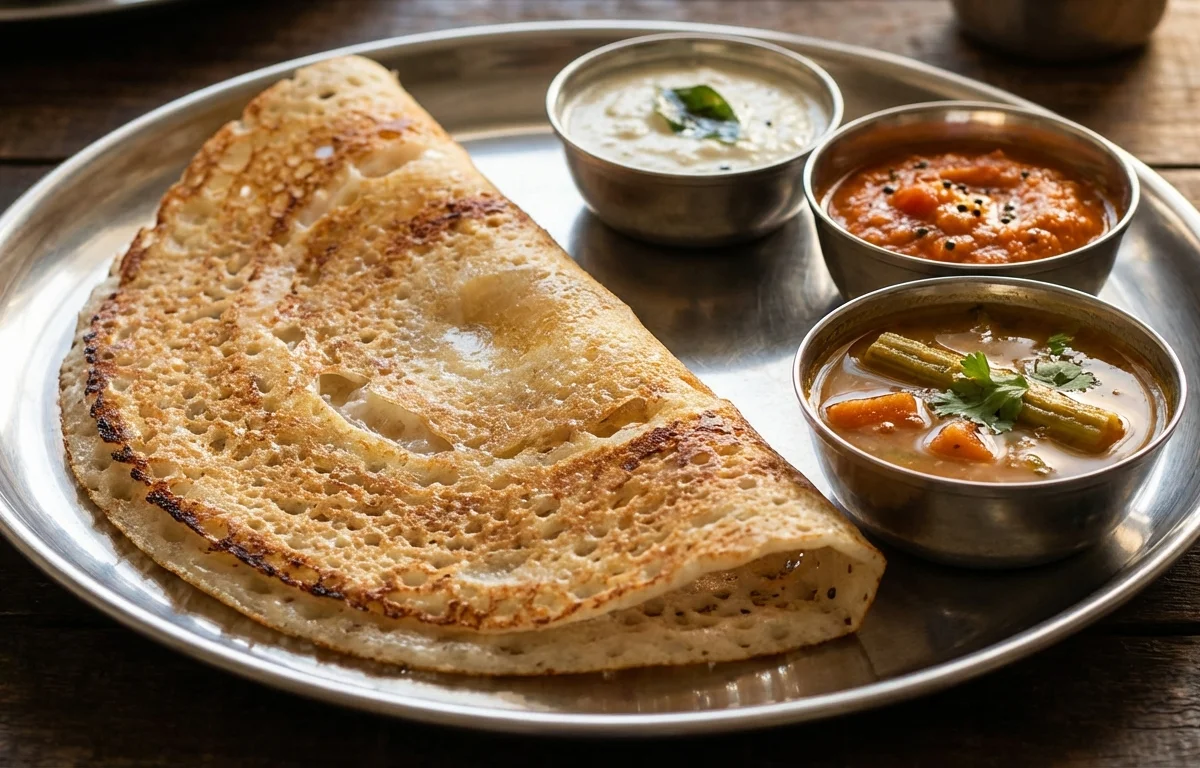
Dosa
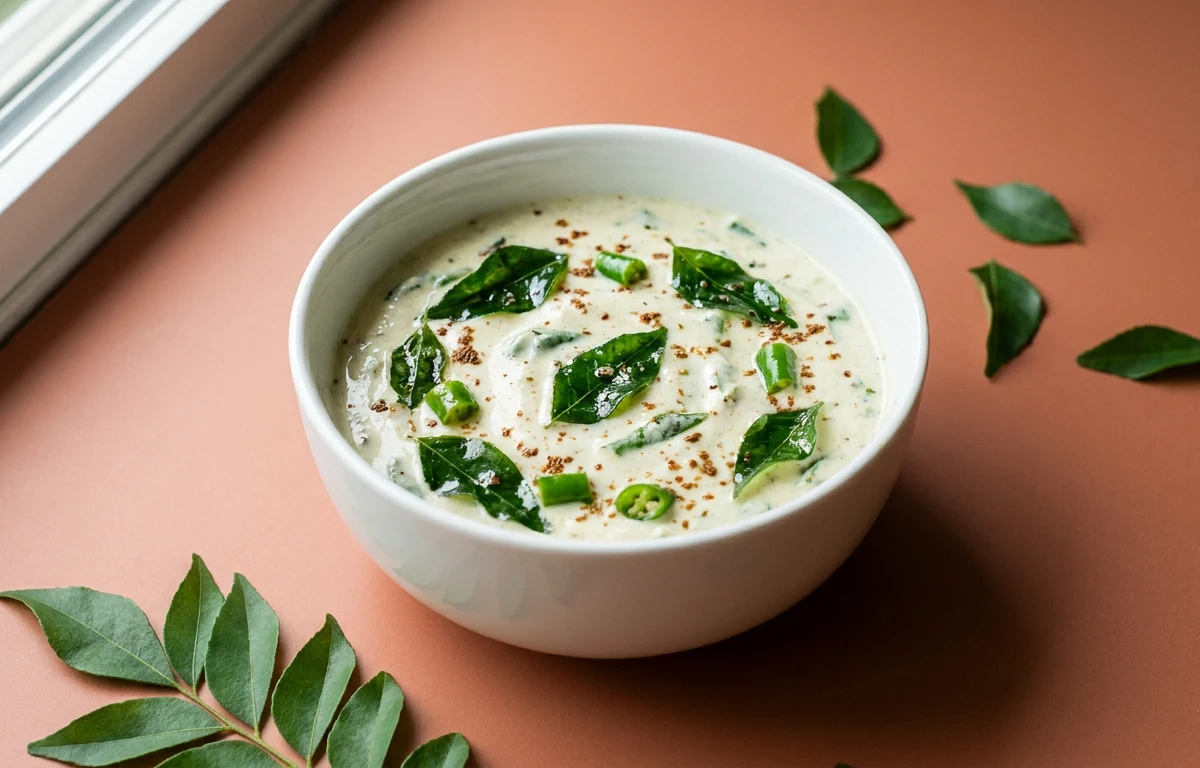
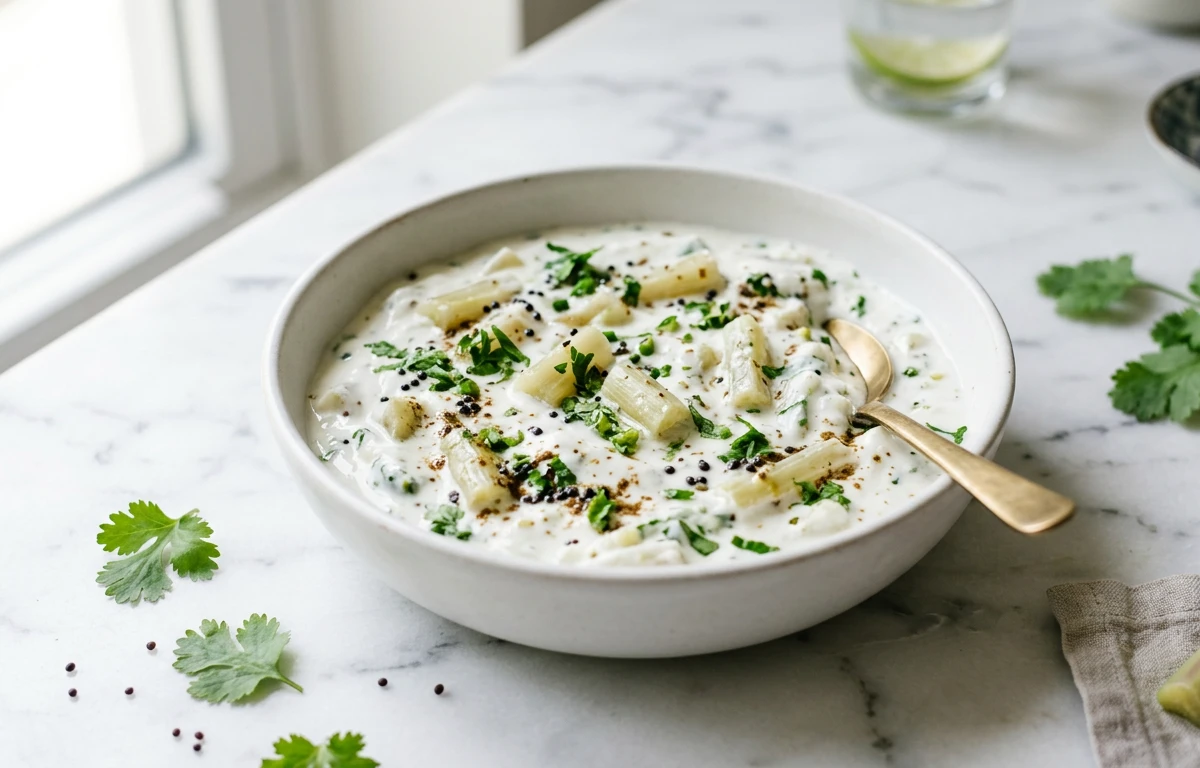
Thin, crisp South Indian crepes made from a fermented rice and lentil batter. They cook up golden on a hot griddle and pair perfectly with chutney, sambar, or a simple potato filling.
For 8 servings
- prep · ~360 min
Soak the rice and dal.
1.Rinse the parboiled rice well and soak it in water for 6 hours.2.Rinse the urad dal and soak it with the fenugreek seeds for 6 hours in a separate bowl.3.Drain both well before grinding.TIPSeparate soaking helps the dal grind fluffy and the rice stay slightly grainy for crisp dosas. - mix · ~20 min
Grind the batter.
1.Grind the urad dal and fenugreek seeds with water until light and smooth.2.Grind the rice with water to a slightly grainy, pourable paste.3.Mix both batters in a large bowl until well combined.4.Add salt and mix again with your hand for a minute. - rest · ~480 min
Ferment the batter.
Cover the bowl loosely and leave the batter in a warm spot for 8 hours, or until it looks airy and slightly risen. Stir gently once before making the dosas.
TIPThe batter should smell pleasantly tangy, not sharp or sour. - prep · ~3 min
Adjust the batter and heat the pan.
Add a little water if needed to make a flowing batter that spreads easily. Heat a dosa tawa or flat skillet over medium heat until hot but not smoking.
- fry · ~3 min
Spread and cook the dosa.
1.Lightly grease the hot pan with a little oil.2.Pour a ladle of batter in the center.3.Spread it outward in a thin circle with the back of the ladle.4.Drizzle a little oil around the edges and over the top.5.Cook until the bottom turns golden and crisp.TIPIf the pan is too hot, the batter will catch and not spread smoothly. - assemble · ~1 min
Fold the dosa.
Loosen the edges with a spatula and fold the dosa in half or roll it up. Flip only if you want a slightly firmer top.
- serve · ~20 min
Repeat with the remaining batter and serve hot.
Make the remaining dosas the same way, greasing the pan lightly as needed. Serve right away with chutney or sambar.
What to keep in mind.
7 tips from the recipe — small details that make a real difference to the final dish.
- 1If the batter sticks while spreading, lower the heat, wipe the tawa, and try again after 30 seconds.
- 2Use the back of the ladle with very light pressure so the dosa stays thin without tearing.
- 3A slightly grainy rice grind gives better crispness than a fully smooth rice paste.
- 4Ferment in a roomy bowl because the batter rises and becomes airy as the dal traps gas.
- 5Stir the fermented batter gently; vigorous mixing can knock out the air that helps light texture.
- 6For consistently crisp dosas, wipe the pan lightly between each one so excess oil does not fry the batter unevenly.
- 7Leftover batter keeps well in the fridge for a few days; bring it closer to room temperature before making dosas.
Adapt it for your goals.
Masala-dosa
Fill each cooked dosa with a simple spiced potato masala for a more substantial, classic South Indian meal.
set dosa styleSet-dosa-style
Keep the batter slightly thicker and spread less thin for softer, spongier dosas instead of very crisp ones.
ghee roastGhee-roast
Replace some of the oil with ghee for a richer aroma and deeper roast flavor on the hot tawa.
low oilLow-oil
Use a well-seasoned cast-iron or nonstick pan and brush on minimal oil while still getting good browning.
Why this is on our healthy list.
Fermented for Easier Digestion
The fermented rice-and-dal batter is traditionally valued for being lighter and gentler to digest than an unfermented batter.
Balanced Rice and Lentil Base
Combining parboiled rice with urad dal gives the dosa both energy from grains and plant-based nourishment from lentils.
Naturally Plant-Based
This dosa batter uses rice, lentils, fenugreek, water, and oil, making it suitable for many dairy-free and egg-free diets.
Frequently asked questions
It usually needs a warmer spot or more time. The batter should look airy and slightly risen and smell pleasantly tangy, not flat.