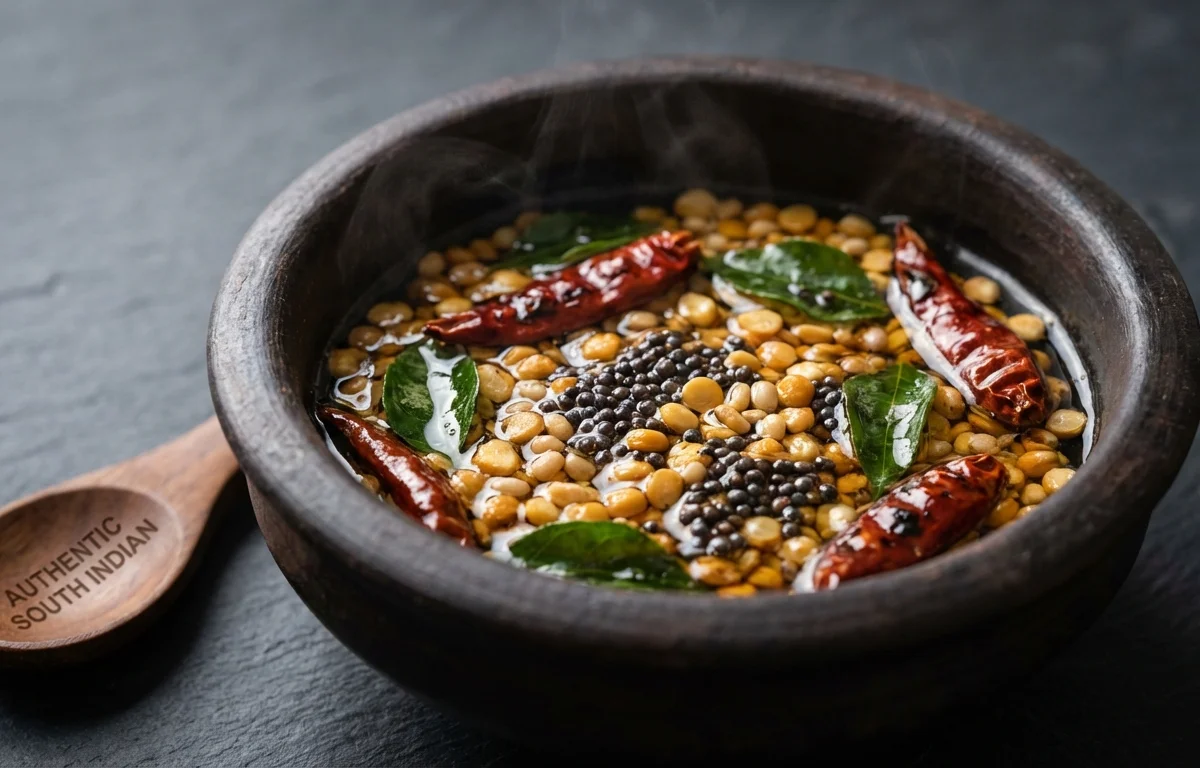
Mustard Seed Tadka
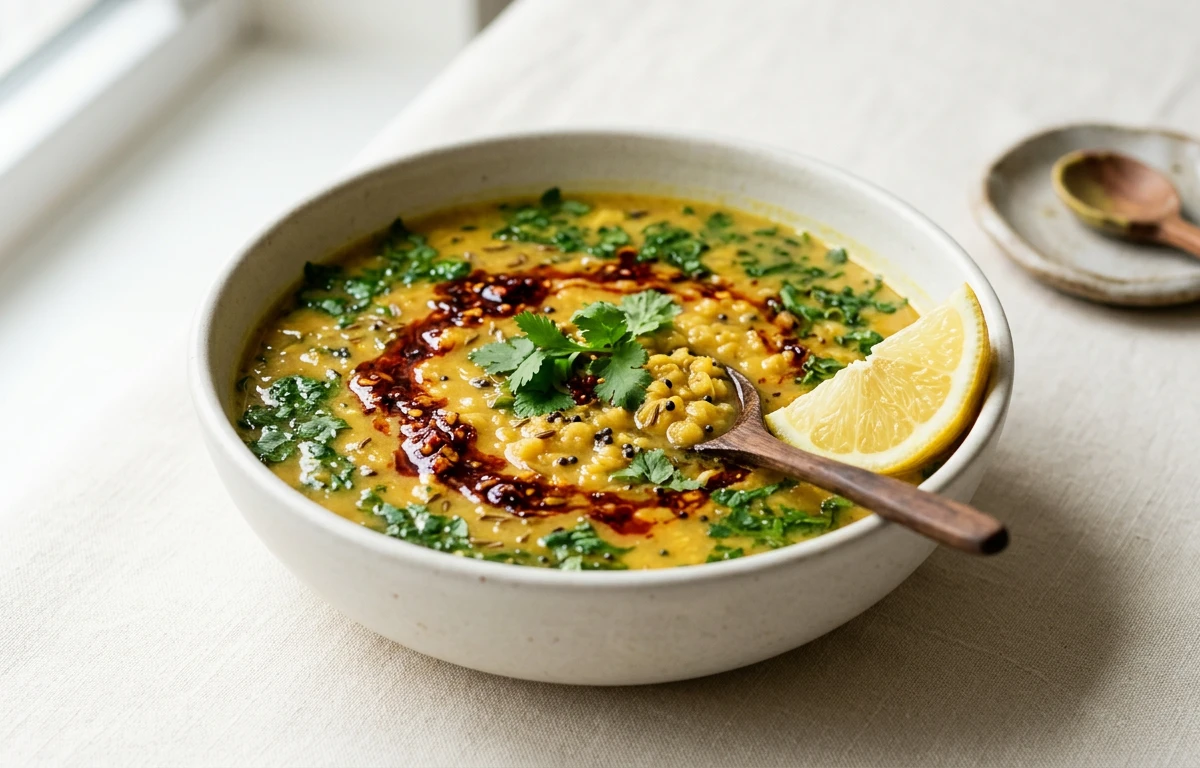
A quick Indian tempering made by crackling mustard seeds in hot oil with a few simple aromatics. Spoon it over dal, chutney, raita, or vegetable dishes for an instant burst of nutty flavor and aroma.
For 4 servings
- prep
Measure the tempering ingredients.
- temper · ~1 min
Heat the oil and crackle the mustard seeds.
Heat the oil in a small pan over medium heat. Add the mustard seeds and let them splutter fully.
TIPKeep a lid nearby because mustard seeds can pop out of the pan. - temper
Add the chili, curry leaves, and asafoetida.
Add the dried red chili, curry leaves, and asafoetida. Cook for a few seconds until fragrant, then turn off the heat.
TIPDo not let the spices darken too much or the tadka will taste bitter. - serve
Pour the hot tadka over the dish and serve immediately.
What to keep in mind.
7 tips from the recipe — small details that make a real difference to the final dish.
- 1Dry the curry leaves well before adding; any surface moisture will make the hot oil splatter aggressively.
- 2Wait until the mustard seeds splutter rapidly, not just a few pops, so their sharpness mellows into a nutty flavor.
- 3Add the asafoetida only after the mustard has crackled; it burns fast and can turn harsh in very hot oil.
- 4Use a small tadka pan or the smallest saucepan you have so the oil depth helps the seeds pop evenly.
- 5Pour the tempering over dal, raita, or chutney while both are hot or warm so the aroma blooms into the dish.
- 6If making ahead, prepare it just before serving; mustard seed tadka loses much of its fragrance as it sits.
- 7Break the dried red chili in half as written, but shake out some seeds first if you want aroma with less heat.
Adapt it for your goals.
Ghee
Swap the oil for ghee for a richer, rounder tempering that pairs especially well with dal and yogurt-based dishes.
garlicGarlic
Add a few thin slices of garlic after the mustard seeds splutter for a deeper, savory tadka for lentils or greens.
low heatLow-heat
Skip the dried red chili and keep only mustard, curry leaves, and asafoetida if you want aroma without noticeable spice.
veganVegan
Use a neutral vegetable oil and ensure the asafoetida is pure or wheat-free if needed for a fully plant-based tempering.
Why this is on our healthy list.
Aromatic flavor with little oil
A small amount of oil carries strong flavor from the spices, helping simple dals, vegetables, and yogurt dishes taste more satisfying.
Spice-based digestive support
Mustard seeds, curry leaves, chili, and asafoetida are traditional Indian tempering ingredients often used to add warmth and digestive character to meals.
Frequently asked questions
They should splutter actively and audibly in the oil. Once the popping is steady, you can add the chili, curry leaves, and asafoetida.