Amaranth isn't your typical grain. Technically a 'pseudocereal,' this tiny seed has a huge history and a nutritional profile that gets a lot of hype—it's a complete protein and naturally gluten-free. But there's a big catch most people miss, and it's a dealbreaker for some: its glycemic index. When cooked into a porridge, it can be one of the fastest-acting carbs in your pantry. The trick isn't to ban it, but to understand it and use it smartly.
↑ Cooked amaranth has a porridge-like texture and a nutty, earthy flavor.
The Ancient Seed with a Modern Catch
Walk down the grain aisle and you'll see it: amaranth. It looks like a tiny, pale seed, smaller than quinoa or millet. It cooks up into a creamy, porridge-like dish with a distinct nutty, malty taste. For thousands of years, it was a staple food for the Aztec and Inca civilizations, and today it's celebrated for being a rare plant-based 'complete protein'—meaning it contains all nine essential amino acids.
It's also gluten-free, which makes it a star for anyone with celiac disease or a gluten sensitivity. So far, so good. But the story changes when you look at how your body processes it. The very thing that makes it creamy and soft when cooked—gelatinization—also makes its carbohydrates incredibly easy to digest, which leads to a surprisingly high glycemic index.
Amaranth is a nutrient-dense, gluten-free seed, but its high glycemic index means it should be eaten in small portions and always paired with fat, fiber, and protein.
Amaranth Nutrition Facts
Here’s the nutritional breakdown for a 100-gram (about a half-cup) serving of cooked amaranth. Note the impressive mineral content alongside the basic macros.
The protein is high-quality, and the mineral lineup is where amaranth really shines. It's an excellent source of manganese, crucial for metabolism and bone health, and provides a solid dose of magnesium and iron. The fiber and protein are decent, but they're not enough to counteract the rapid digestion of its starches.
Amaranth's High Glycemic Index
This is the most important thing to know about amaranth. The glycemic index (GI) ranks carbs on a 0-100 scale by how quickly they raise blood sugar. Below 55 is low, above 70 is high. Cooked amaranth porridge has a reported GI of around 97, which is higher than white bread and nearly identical to pure glucose. It's one of the highest GIs of any whole food.
Why? The tiny size of the grain and the way its starches gelatinize (absorb water and swell) during cooking makes the carbohydrate almost immediately available for absorption. This isn't an issue for everyone, but for anyone managing blood sugar, it's a critical fact.
GLYCEMIC INDEX · AMARANTH vs COMMON FOODS
Amaranth's GI is higher than most grains
Apple
whole fruit
LOW
White Bread
refined
HIGH
Cornflakes
refined
HIGH
Amaranth (cooked)
pseudocereal
HIGH
SCALE 0–110
055110
How to Eat Amaranth Smartly
Given its high GI, you have to be strategic. The goal is to slow down digestion and blunt the blood sugar response.
01
Keep portions tiny.
Think of amaranth as a garnish or a minor ingredient, not the main event. A few tablespoons is a good starting point, not a whole bowl.
02
Always add fat and protein.
This is non-negotiable. Stir in nut butter, top with avocado, mix it with chicken or lentils. Fat and protein are your best tools for slowing stomach emptying.
03
Use it as an addition.
Instead of a bowl of amaranth porridge, stir a spoonful into your regular oatmeal or yogurt to boost the protein and mineral content without a huge carb hit.
04
Try it popped.
Like tiny popcorn, popped amaranth is a crunchy topping for salads or soups. It's eaten dry, so the GI impact is less pronounced than the cooked porridge.
05
Let it cool.
Cooling cooked amaranth can slightly increase its resistant starch content, which is digested more slowly. It's a minor tweak, but it helps.
What Amaranth Is Good For
01
A rare 'complete' plant protein
Amaranth contains all nine essential amino acids, making it a valuable protein source for vegetarian and vegan diets, on par with quinoa.
3.8 g
protein
02
Packed with key minerals
It's exceptionally rich in manganese, vital for bone formation and metabolism. It's also a great source of magnesium, phosphorus, and iron.
43%
manganese DV
03
Naturally gluten-free
As a pseudocereal, amaranth is not a type of wheat and contains no gluten, making it a safe and nutritious choice for people with celiac disease.
100%
gluten-free
04
Contains beneficial fiber
The 2.1 grams of fiber per 100g serving contributes to digestive health and can help with feelings of fullness, as long as the GI is managed.
2.1 g
fiber
What to Pair Amaranth With
Pairing is everything with amaranth. The goal is to add buffers—fat, protein, and more fiber—to slow down that fast-acting carb.
Eat Freely — or Be Mindful?
Three Ways to Use It
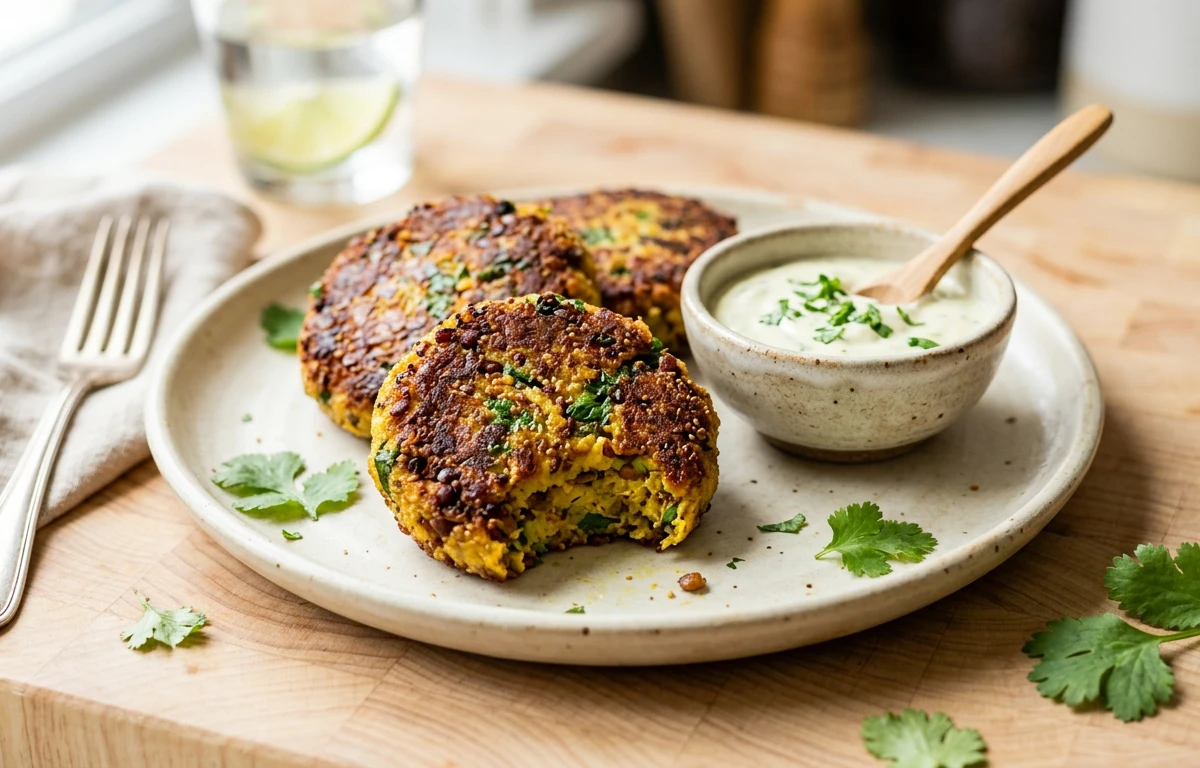
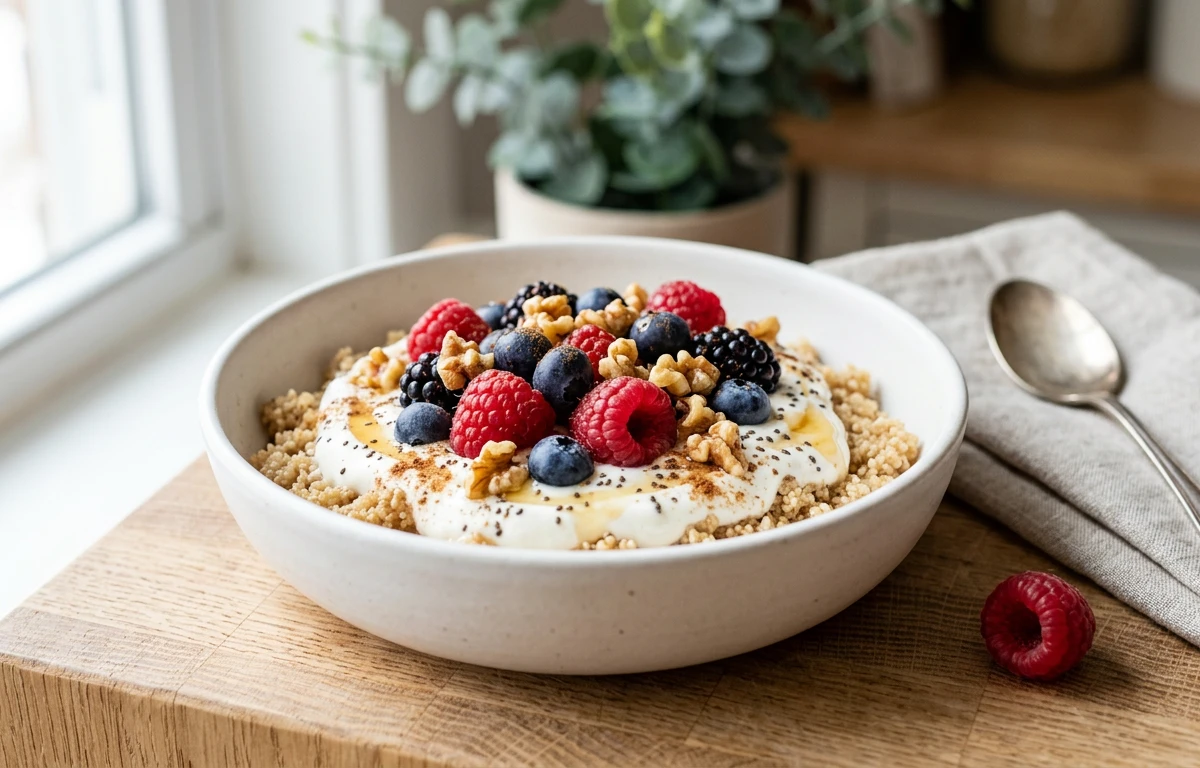
Forget a big bowl of porridge. Here are three smarter ways to incorporate amaranth's benefits without the downside.
Want smart grains worked into a balanced week?
Our meal planner knows how to use ingredients like amaranth correctly—paired with protein and fat for steady energy, with portions and macros already calculated for you.
Build my weekly plan →SOURCES & REFERENCES · 3
One more thing
Eating well is rarely about willpower. It’s about having a short list of dinners you actually want to eat. Pick two from this list. Make them next week. The rest will follow.
If you want these on autopilot, our weekly meal planner can drop the picks above into your calendar with one click and build a single grocery list from the merged ingredients.
FREQUENTLY ASKED QUESTIONS
Frequently asked questions
Is amaranth good for people with diabetes?
Generally, no. Due to its very high glycemic index (around 97), cooked amaranth can cause a rapid and large spike in blood sugar, making it a poor choice for those managing diabetes or insulin resistance.
Is amaranth better than quinoa?
It depends on your goals. Amaranth has more manganese and is also a complete protein, but quinoa has a much lower glycemic index (around 53), making it a better choice for blood sugar control. For most people, quinoa is the more versatile and balanced option.
Is amaranth a carb or a protein?
It's both, but it is primarily a carbohydrate source. While it's famous for being a 'complete protein,' a 100g serving has about 19g of carbs and only 4g of protein. Think of it as a high-carb food with a high-quality protein bonus.
How do you lower the glycemic impact of amaranth?
You can't change the grain itself, but you can manage its effect. Always eat it in very small portions and combine it with significant amounts of fat (like avocado or nut butter), protein (like yogurt or eggs), and fiber (like leafy greens or chia seeds).

ABOUT THE AUTHOR
Shreya Chatterjee
NUTRITION WRITER
Shreya is a nutrition writer and the voice behind The Nutrition Pen, where she turns evidence-based nutrition into simple, repeatable eating habits. Her writing focuses on practical food guidance — what to actually put on the plate — for readers who want to eat well without the noise.
Meet the editorial team →METHODOLOGY
How this article was created
Built using verified nutrition databases, culinary research, and traditional cooking knowledge — every claim is cross-referenced against the sources listed in the article.
· USDA data· Culinary research· Quality reviewed
Read our methodology →TRANSPARENCY
About this content
Articles are curated using trusted food databases (USDA FoodData Central, IFCT), culinary literature, and dietary guidelines, then structured by our editorial team for clarity, accuracy, and usefulness.
· Verified data sources· Culinary research· Quality reviewed
Read our editorial policy →RELATED RECIPES
Cook from this article
EXPLORE OUR MEALS
Meals that fit this article

GENERAL_HEALTHY · 705 CAL
Banana with Peanut Butter Pregnancy + supplement + iron
AMERICAN · 694 CAL
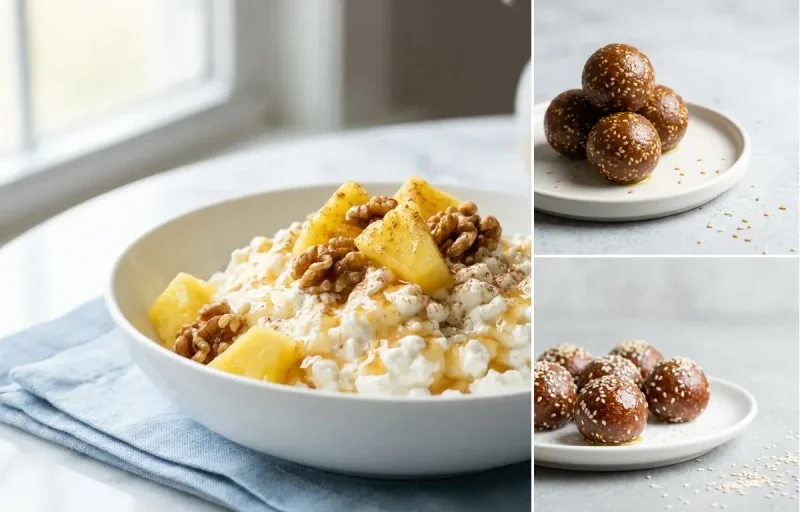
Cottage Cheese with Pineapple Walnuts and Hemp Pregnancy + supplement + iron

AMERICAN · 359 CAL
Apple with Peanut Butter with Glass of Milk + supplement + iron

MEDITERRANEAN · 738 CAL
Greek Yogurt with Berries Walnuts and Honey + supplement + iron
TAGGED
KEEP READING