So often, pak choi is just a background player — the crisp green thing tossed into a stir-fry at the last minute. But I think it's one of the most underrated vegetables in the produce aisle. It’s incredibly refreshing, cooks in minutes, and packs a serious nutritional punch for something that’s mostly water and air. We're talking a huge hit of vitamin C for almost zero calories. It's time to give this brilliant brassica the spotlight it deserves.
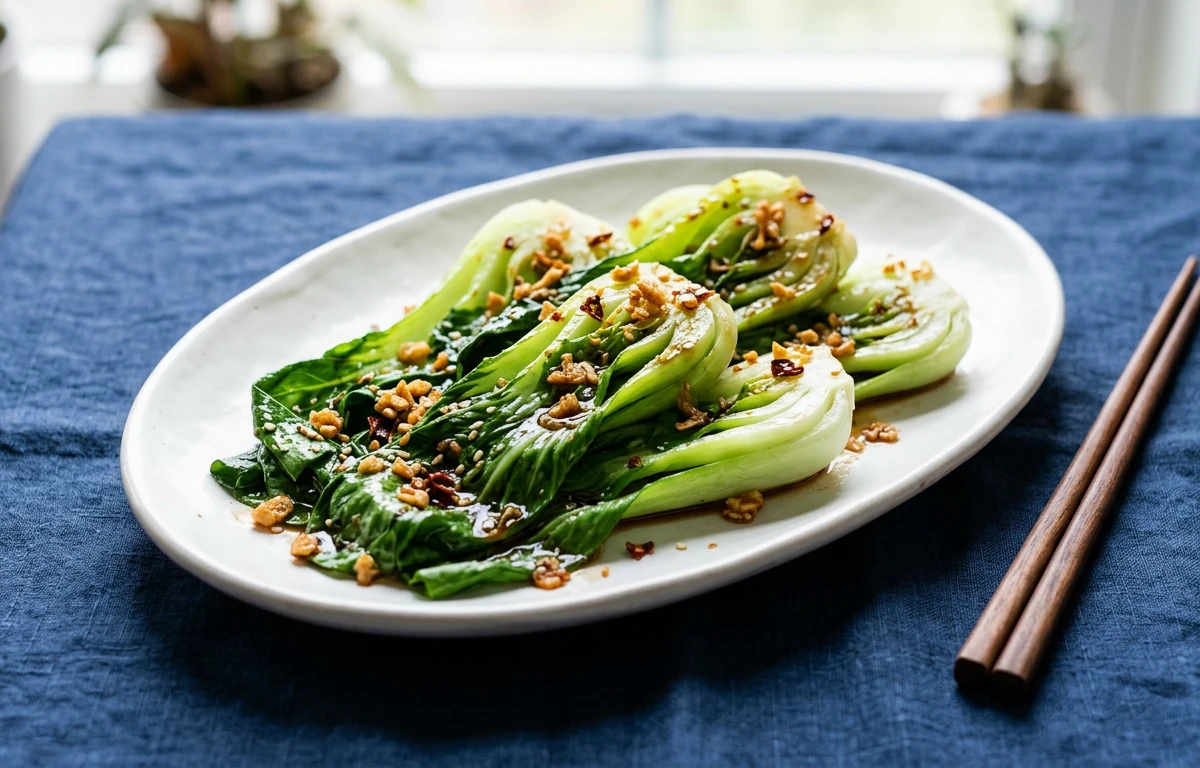
↑ Pak choi's crisp white stems and dark green leaves are both edible and delicious.
The crisp, wildly underrated green
Pak choi (or bok choy, they're the same thing) has this wonderful dual personality. The stems are thick, crisp, and juicy like celery, while the leaves are tender and dark like spinach. It's part of the brassica family, a cousin to cabbage and broccoli, but with a much milder, sweeter flavor.
Most of us only meet it in a takeout container, but it's so easy to cook at home and ridiculously good for you. It's a classic 'high-volume, low-calorie' food, meaning you can eat a whole lot of it and feel full for very few calories. It's basically crunchy water, but with a surprise wallop of vitamins.
IN ONE LINE
Pak choi is one of the most nutrient-dense greens you can eat: virtually zero-calorie, low-carb, and loaded with vitamin C.
Pak choi nutrition facts
Here’s the nutritional breakdown for a 100-gram serving of raw pak choi, which is about one cup chopped or one to two baby pak choi.
The number that jumps out immediately is the vitamin C. Getting half of your daily needs from just 17 calories is an incredible nutritional bargain. The carb count is also tiny, and once you subtract the fibre, you're left with just over one gram of net carbs, making it a dream for anyone on a low-carb or ketogenic diet.
Pak choi's glycemic index
Glycemic index (GI) measures how quickly a food raises blood sugar. As a non-starchy, leafy vegetable that's extremely low in carbohydrates, the GI of pak choi is negligible. It's so low that it isn't typically measured or listed in databases.
For all practical purposes, you can consider it a 'free' food that will have virtually no impact on your blood sugar levels. It's one of the best vegetables you can choose for stable energy.
GLYCEMIC INDEX · PAK CHOI vs COMMON FOODS
Pak choi has a negligible GI
Pak Choi
negligible
LOW
Apple
whole fruit
LOW
Pineapple
whole fruit
MEDIUM
White bread
refined
HIGH
Cornflakes
refined
HIGH
SCALE 0–90
04590
How to cook it right
The biggest mistake people make with pak choi is overcooking it into a soggy mess. The goal is 'tender-crisp'.
01
Keep it quick.
Whether you stir-fry, steam, or grill it, pak choi cooks in 2-4 minutes. The leaves wilt almost instantly, and the stems just need to lose their raw edge.
02
Cook stems first.
If using larger heads, slice the stems off and start cooking them 1-2 minutes before you toss in the delicate leaves.
03
Try it grilled or roasted.
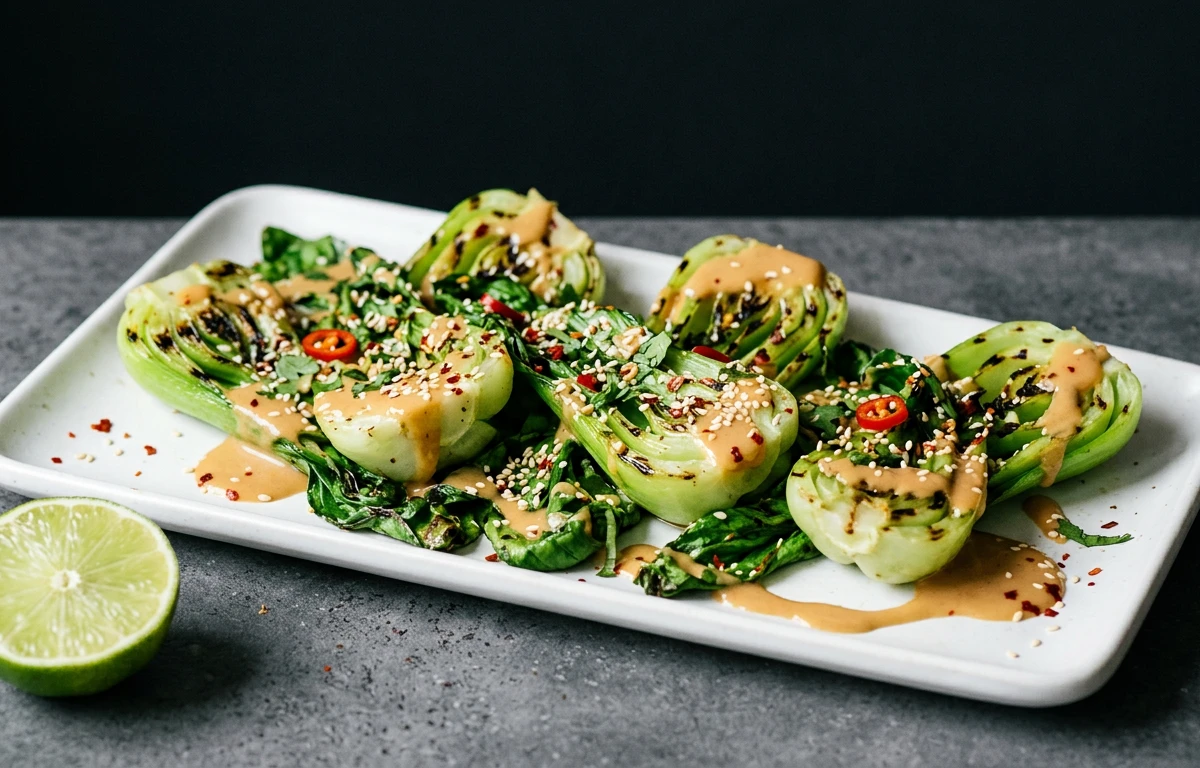
Slice baby pak choi in half lengthwise, brush with oil, and grill or roast at high heat for a few minutes. The edges get charred and delicious.
04
Eat it raw.
Finely shred the crisp stems and add them to salads or slaws for a fantastic, juicy crunch. The leaves can be used like any other salad green.
05
Pair with a little fat.
A drizzle of sesame oil or olive oil doesn't just add flavor; it helps your body absorb the fat-soluble vitamins present in the greens.
What pak choi is good for
01
Serious immune support
A 100g serving delivers half of your daily vitamin C, which is crucial for a healthy immune system and great skin.
50%
vit C DV
02
Effortless weight management
With only 17 calories but plenty of water and some fibre, pak choi helps fill you up without adding to your calorie budget.
17
calories
03
Excellent for blood sugar
With a negligible glycemic index and just over 1 gram of net carbs, it's a perfect vegetable for maintaining stable blood sugar.
~1.2g
net carbs
04
A source of antioxidants
As a cruciferous vegetable, it contains various plant compounds that help combat oxidative stress in the body.
Cruciferous
vegetable
What to pair pak choi with
Pak choi has a mild, sweet flavor that plays well with bold Asian-inspired seasonings. The key is to balance savory, aromatic, and acidic notes.
Eat freely — or be mindful?
Three ways to eat it
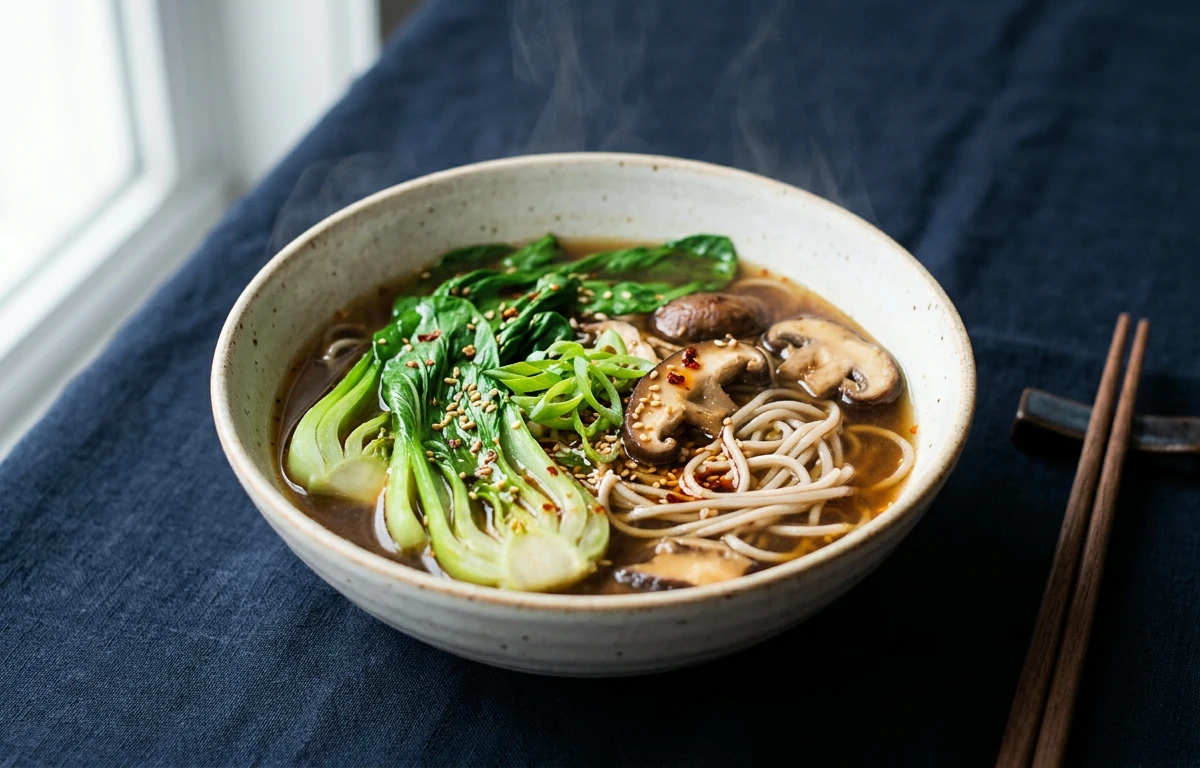
Beyond a basic stir-fry, pak choi is incredibly versatile. Here are three simple ideas.
Want more smart, simple vegetables in your week?
Our meal planner makes it easy to build a balanced week of meals, incorporating nutrient-dense foods like pak choi without the effort. Get a plan, a single grocery list, and feel great.
Build my weekly plan →SOURCES & REFERENCES · 3
One more thing
Eating well is rarely about willpower. It’s about having a short list of dinners you actually want to eat. Pick two from this list. Make them next week. The rest will follow.
If you want these on autopilot, our weekly meal planner can drop the picks above into your calendar with one click and build a single grocery list from the merged ingredients.
FREQUENTLY ASKED QUESTIONS
Frequently asked questions
Are pak choi and bok choy the same thing?
Yes. They are just different English spellings for the same type of Chinese cabbage. You can use them interchangeably in recipes.
Can you eat pak choi raw?
Absolutely. The crisp, juicy stems are fantastic when thinly sliced and added to salads or slaws for crunch. The leaves can be treated like any other tender salad green.
Is pak choi good for a keto diet?
Yes, it's an excellent choice for keto. With only about 1.2 grams of net carbohydrates per 100-gram serving, it fits easily into a very low-carb eating plan.
What part of the pak choi do you eat?
You eat the whole thing! Both the white or light green stem and the dark green leaves are edible and delicious. Just trim off the very bottom of the base.
METHODOLOGY
How this article was created
Built using verified nutrition databases, culinary research, and traditional cooking knowledge — every claim is cross-referenced against the sources listed in the article.
· USDA data· Culinary research· Quality reviewed
Read our methodology →TRANSPARENCY
About this content
Articles are curated using trusted food databases (USDA FoodData Central, IFCT), culinary literature, and dietary guidelines, then structured by our editorial team for clarity, accuracy, and usefulness.
· Verified data sources· Culinary research· Quality reviewed
Read our editorial policy →EXPLORE OUR MEALS
Meals that fit this article

AMERICAN · 1677 CAL
Almonds with Sliced Apple + supplement + iron

MEDITERRANEAN · 809 CAL
Greek Yogurt with Berries Almonds and Granola + supplement + iron

GENERAL_HEALTHY · 705 CAL
Banana with Peanut Butter Pregnancy + supplement + iron
MODERN · 982 CAL
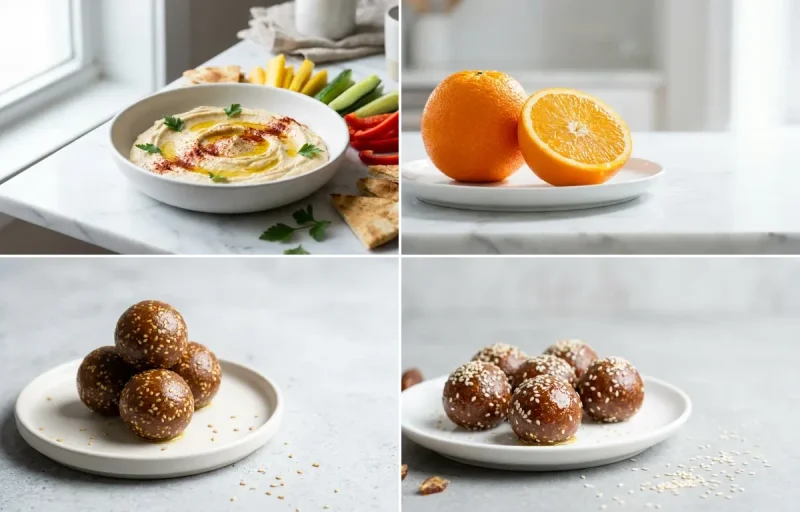
Hummus with Crudits and Pita with Fresh Orange Snack + supplement + iron
TAGGED
KEEP READING