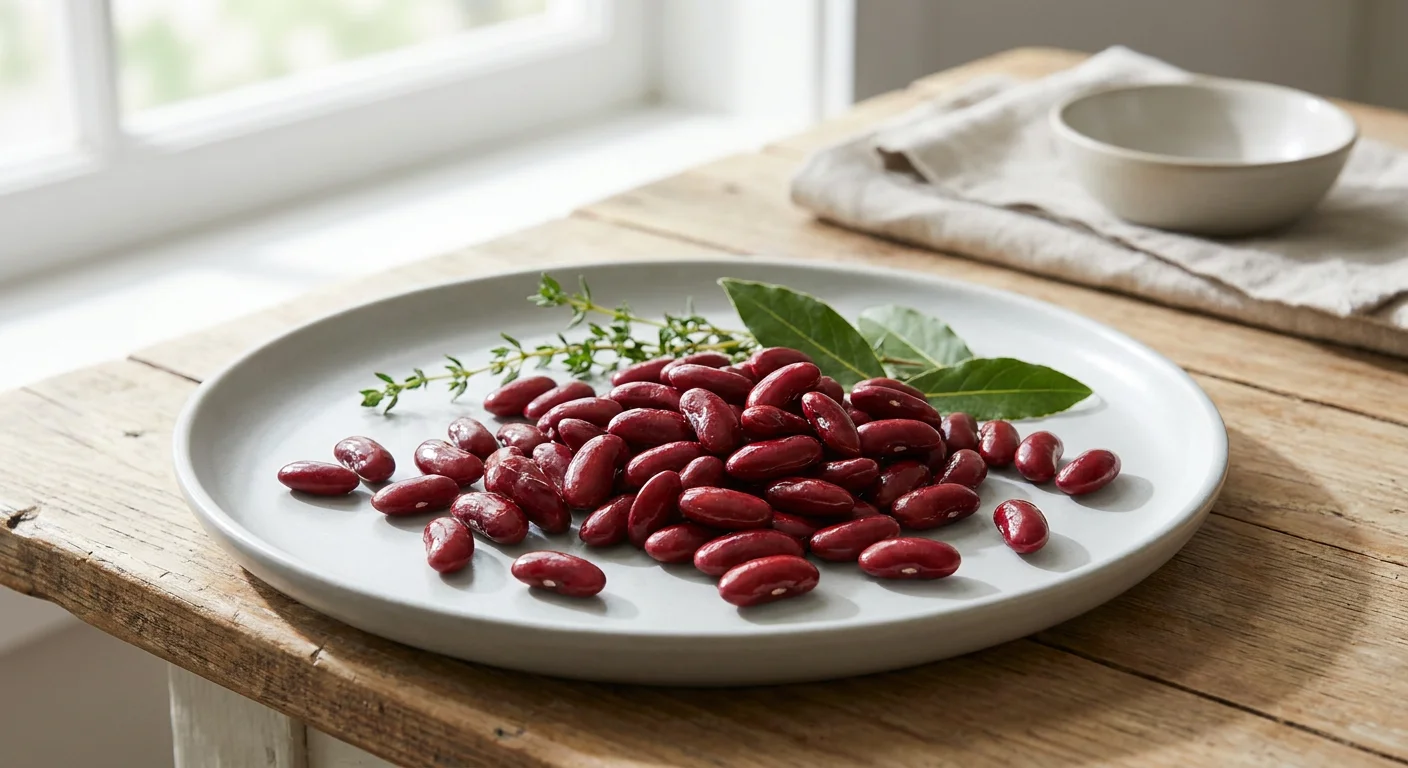
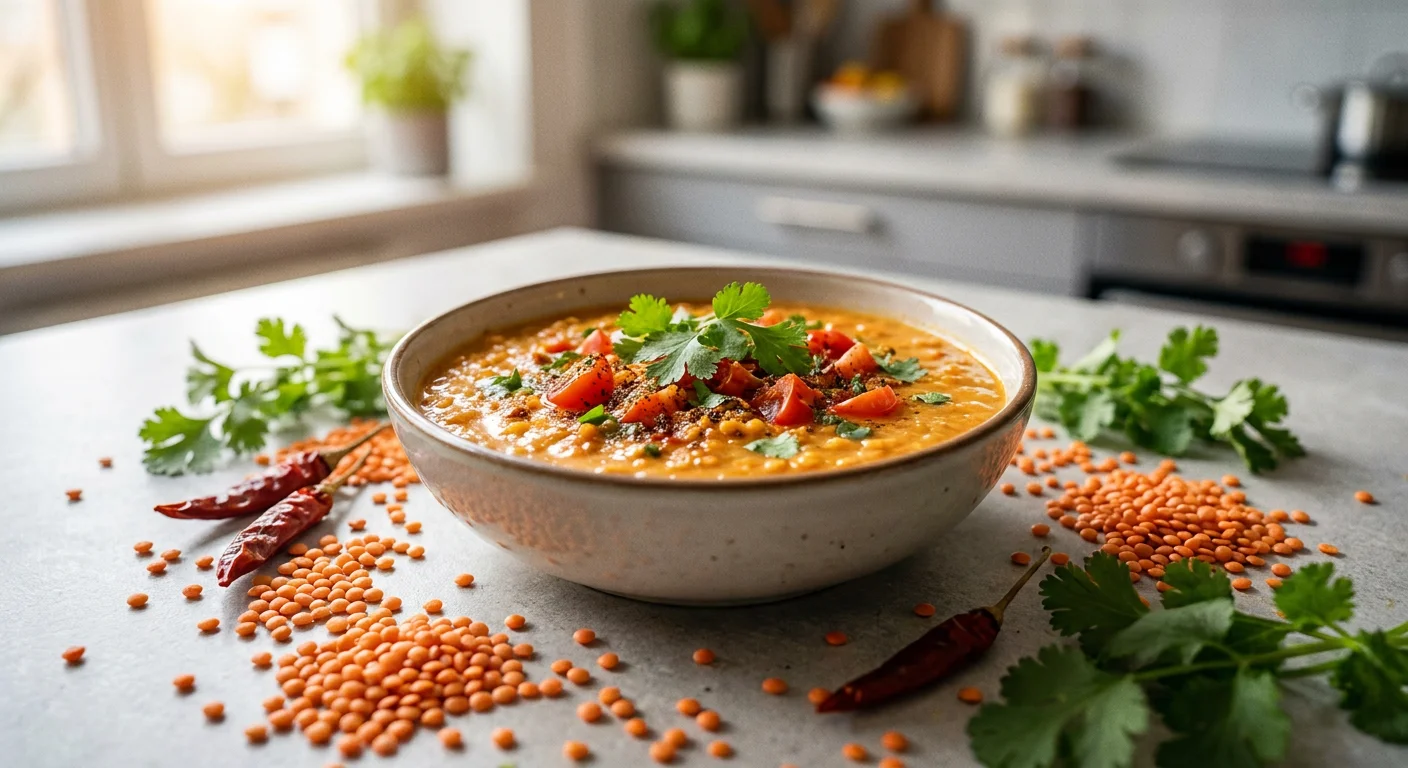
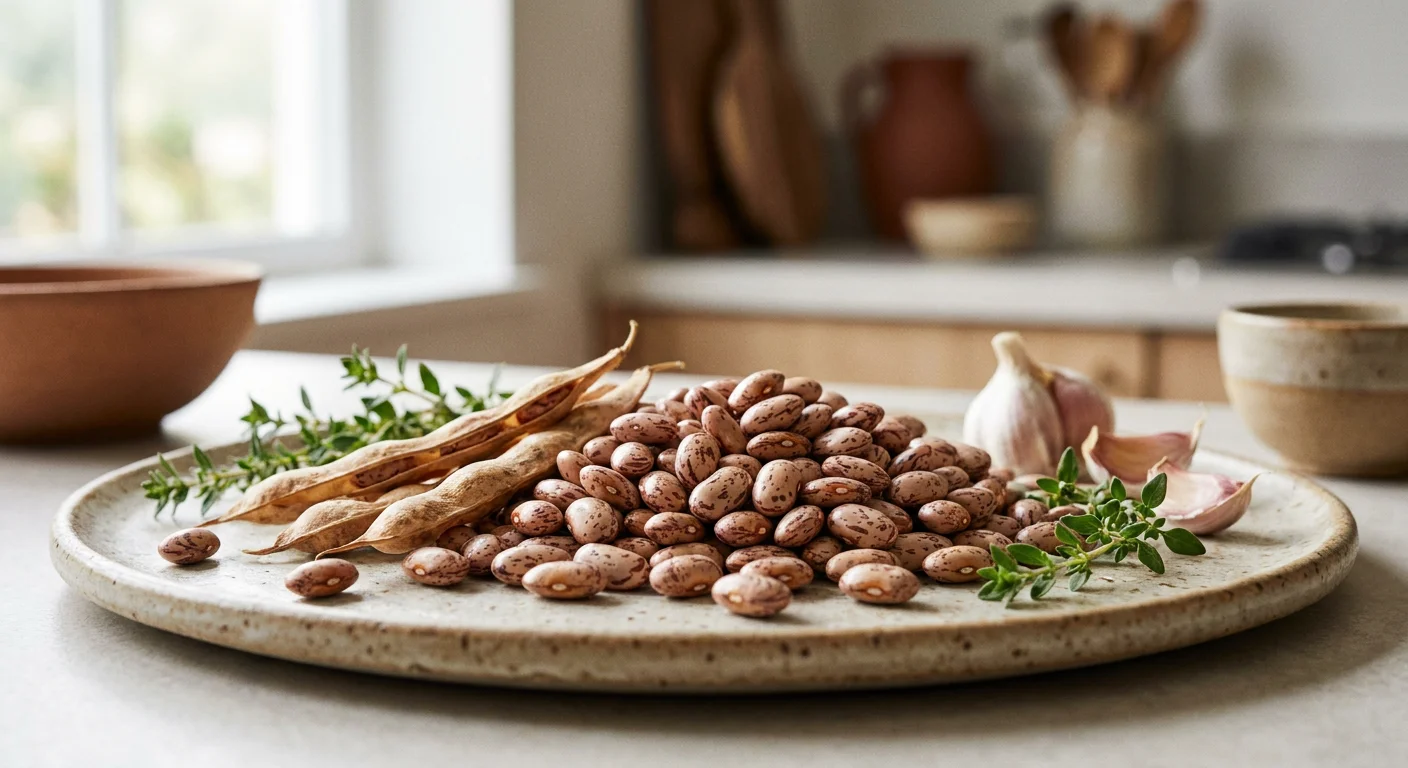
Let's get one thing straight: spelt isn't some dusty, forgotten grain only for health-food purists. Think of it as a fantastic, nutty-tasting upgrade for your weeknight meals. It's got a satisfying chew that holds its own in salads and bowls, and packs in more protein and fibre than you'd get from brown rice. It’s an ancient grain, sure, but its real value is in how it performs on a modern plate — keeping you full, delivering steady energy, and tasting genuinely good.
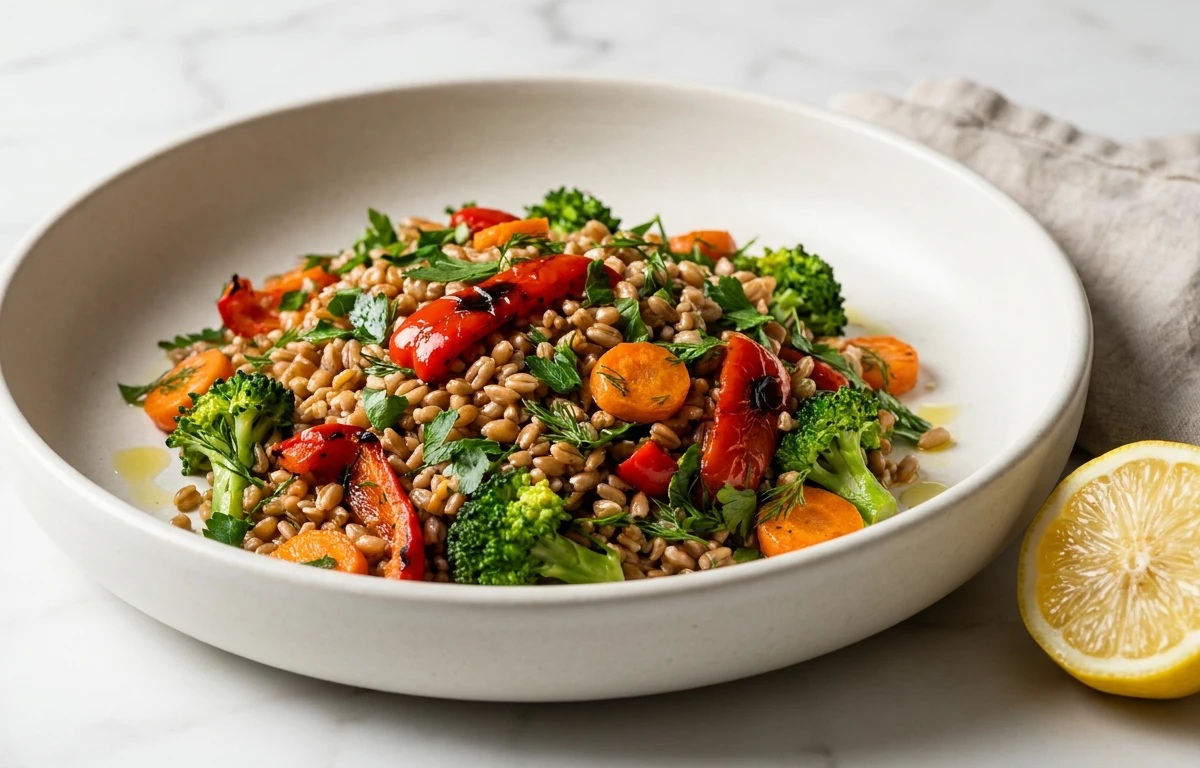
↑ Cooked spelt has a satisfying, chewy texture and a nutty flavour.
The smart grain swap
Spelt is often sold as an 'ancient grain,' which is true — it's a species of wheat that's been around for thousands of years. But its history is less important than its texture and taste. It's chewier than rice, nuttier than quinoa, and has a satisfying bite that doesn't turn to mush. It's also a nutritional step-up from many common starches.
The main thing to know is this: spelt is a fantastic replacement for white rice, pasta, or couscous, offering more fibre, protein, and micronutrients in every serving. It's not a 'superfood,' it's just a genuinely better staple.
IN ONE LINE
A chewy, nutty-tasting whole grain with more protein and fibre than brown rice. A smart swap for refined carbs, but mind your portions and remember it contains gluten.
Cooked spelt nutrition facts
Here's the nutritional profile for a 100-gram serving of cooked spelt, which is about half a cup.
The two numbers that really stand out are the protein and fibre. At 5.5 grams and 3.9 grams respectively, spelt outperforms both brown rice and quinoa on a per-calorie basis. This combination is what makes it so satisfying and helps provide a slower, more sustained release of energy.
Spelt's glycemic index
Glycemic index (GI) tells us how quickly a food raises blood sugar. Foods under 55 are 'low,' while those over 70 are 'high.' While exact numbers vary, whole-grain spelt consistently falls into the 'moderate' GI category. It's a whole grain, so its intact fibre and protein slow down digestion compared to anything made with white flour. It will raise blood sugar more than beans or leafy greens, but it provides a much steadier curve than bread or white rice.
GLYCEMIC INDEX · SPELT vs COMMON FOODS
Spelt sits in the moderate-GI band
Apple
whole fruit
LOW
Cooked Spelt
whole grain (est.)
MODERATE
Pineapple
whole fruit
MODERATE
White bread
refined
HIGH
SCALE 0–90
04590
The best way to eat it
Getting the most out of spelt is easy. It's a forgiving grain, but a few simple habits make it even better.
01
Start with a half-cup portion.
A 100g serving (about 1/2 cup cooked) is a great starting point, delivering 127 calories and a good dose of fibre.
02
Always pair it.
Never eat it plain. Add protein (chicken, beans), fat (olive oil, avocado), and vegetables to make it a complete, balanced meal.
03
Use it as a base.
It's the perfect foundation for grain salads, hearty soups, or as a simple side instead of rice. Its nutty flavour works with almost anything.
04
Choose whole berries.
For the most fibre and slowest energy release, use whole spelt berries. Spelt flour is still a better choice than white flour, but the whole grain is best.
What spelt is good for
01
Sustained, steady energy
The combination of complex carbs and nearly 4g of fibre means spelt is broken down slowly, preventing the energy spikes and crashes you get from refined grains.
127
calories
02
Keeps you feeling full
With 5.5g of protein and a high fibre count, spelt is very satiating. It helps keep hunger at bay, making it a great choice for weight management.
5.5 g
protein
03
A happy gut
The fibre in spelt acts as a prebiotic, feeding the beneficial bacteria in your digestive system and promoting regularity.
3.9 g
fibre
04
A better choice for heart health
Diets rich in whole grains like spelt are consistently linked with better heart health outcomes, partly thanks to fibre's ability to help manage cholesterol levels.
0.8 g
fat
What to pair spelt with
Spelt's nutty, slightly sweet flavour and robust texture make it a great team player. The goal is always to add protein, healthy fats, and more vegetables.
Who should eat spelt?
Three ways to use it
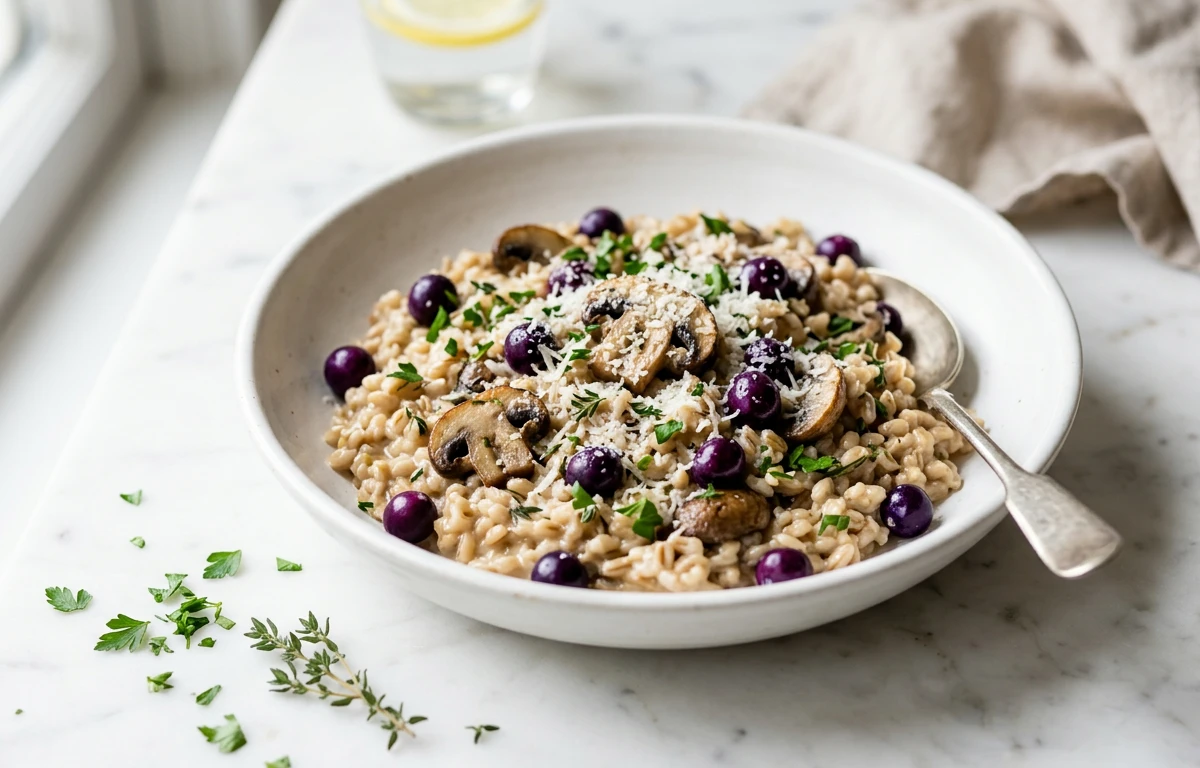
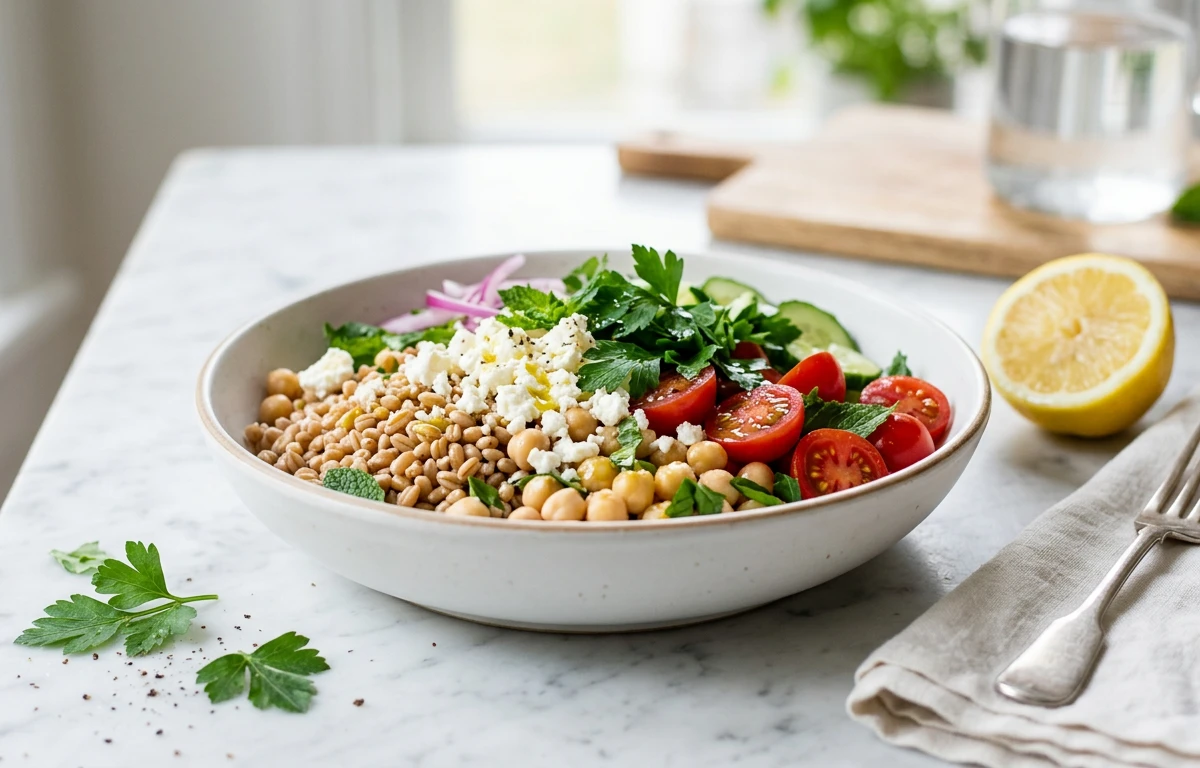
Here are three simple ideas that put cooked spelt to work in delicious, balanced meals.
Want smart grains worked into a balanced week — without the planning?
Our meal planner pairs grains like spelt with protein and fibre for steady energy, with portions and macros already calculated and a single grocery list at the end.
Build my weekly plan →SOURCES & REFERENCES · 3
One more thing
Eating well is rarely about willpower. It’s about having a short list of dinners you actually want to eat. Pick two from this list. Make them next week. The rest will follow.
If you want these on autopilot, our weekly meal planner can drop the picks above into your calendar with one click and build a single grocery list from the merged ingredients.
FREQUENTLY ASKED QUESTIONS
Frequently asked questions
Is spelt gluten-free?
No, absolutely not. Spelt is a type of wheat and contains gluten. People with celiac disease or a gluten sensitivity must avoid it completely.
Is spelt better than brown rice?
Nutritionally, it's a strong contender. Spelt generally has more protein and fibre than brown rice per serving. They have different tastes and textures, so it's great to rotate between them. Spelt is nuttier and chewier.
Is spelt good for weight loss?
Yes, it can be a great tool for weight loss. The high fibre and protein content make it very filling, which can help you eat fewer calories overall. Just be sure to stick to a reasonable portion size.
How do you cook spelt?
It's simple. Use a ratio of about 1 part spelt berries to 3 parts water or broth. Bring to a boil, then reduce the heat and simmer until tender, which usually takes 40-60 minutes. You can also cook it in a rice cooker.
METHODOLOGY
How this article was created
Built using verified nutrition databases, culinary research, and traditional cooking knowledge — every claim is cross-referenced against the sources listed in the article.
· USDA data· Culinary research· Quality reviewed
Read our methodology →TRANSPARENCY
About this content
Articles are curated using trusted food databases (USDA FoodData Central, IFCT), culinary literature, and dietary guidelines, then structured by our editorial team for clarity, accuracy, and usefulness.
· Verified data sources· Culinary research· Quality reviewed
Read our editorial policy →EXPLORE OUR MEALS
Meals that fit this article

AMERICAN · 1677 CAL
Almonds with Sliced Apple + supplement + iron

MEDITERRANEAN · 809 CAL
Greek Yogurt with Berries Almonds and Granola + supplement + iron

GENERAL_HEALTHY · 705 CAL
Banana with Peanut Butter Pregnancy + supplement + iron

MODERN · 982 CAL
Hummus with Crudits and Pita with Fresh Orange Snack + supplement + iron
TAGGED
KEEP READING