Let's be honest, fresh field beans — or broad beans, or fava beans, depending on where you are — can feel like a bit of a relic. Something your grandmother cooked. But I'm here to tell you they are wildly underrated. These bright green gems are one of the best things about spring, packing a serious amount of plant protein and gut-friendly fiber into a very small calorie budget. They're not just a side dish; they're a legitimate nutritional star hiding in plain sight.
↑ Fresh field beans are a fantastic source of plant protein and fiber.
The underrated spring green
Fresh field beans are a true seasonal treat. You pop them from a puffy, felt-lined pod to reveal these satisfyingly chunky, bright green beans. They have a distinctly fresh, slightly nutty, and almost buttery flavor that's unlike any other bean.
What's really special, though, is their nutritional profile. For something so light and fresh, they pack a punch that's more like a lentil or chickpea. We're talking a serious dose of protein and a huge amount of fiber, making them incredibly satisfying and brilliant for your blood sugar.
IN ONE LINE
Think of them as a vegetable that acts like a legume: low-calorie and fresh-tasting, but with the protein and fiber to actually fill you up.
Field bean nutrition facts
Here’s the nutritional breakdown for a 100-gram serving of cooked fresh field beans, which is about two-thirds of a cup.
The two numbers that jump out are the protein and fiber. At 7.6 grams of protein and 5.4 grams of fiber, they're more filling and nutrient-dense than most other green vegetables. They're also an outstanding source of folate, a crucial B-vitamin for cell growth and metabolism.
Field beans and your blood sugar
Glycemic index (GI) tells us how quickly a food raises blood sugar. Foods under 55 are 'low-GI'. While there isn't an official, universally agreed GI value for fresh field beans, all legumes are famously low on the scale. Their high fiber and protein content act as a natural brake, slowing down the absorption of their carbohydrates. This means they provide steady, sustained energy, not a quick spike and crash. They're an excellent choice for anyone managing blood sugar.
GLYCEMIC INDEX · FIELD BEANS vs COMMON FOODS
Field beans are firmly in the low-GI camp
Cherries
whole fruit
LOW
Fresh Field Beans
legume (est.)
LOW
Apple
whole fruit
LOW
White bread
refined
HIGH
Cornflakes
refined
HIGH
SCALE 0–90
04590
How to prep them: the double-pod question
The biggest question with field beans is whether to 'double-pod' them. It's a bit of work, but for most recipes, it's absolutely worth it.
01
First podding: Free them from the main pod.
Slit open the large, puffy green pod and run your thumb down the inside to pop out the beans. This is the easy part.
02
Blanch them briefly.
Drop the beans into boiling water for just 1-2 minutes, then immediately transfer them to a bowl of ice water. This makes the second skin easier to remove.
03
Second podding: Slip off the skin.
Each bean has a pale, slightly tough outer skin. Nick it with your thumbnail and squeeze gently. The vibrant green, tender bean inside will pop right out. This is the 'double-podded' bean, and it has a far superior texture.
04
When to skip it?
If your beans are very young and small, you can sometimes get away with just the first podding. For stews or long-cooked dishes, the skin will soften anyway. But for salads, dips, or simple side dishes, double-podding is non-negotiable.
What fresh field beans are good for
01
A serious plant-protein source
With over 7 grams of protein per 100g, they're a fantastic way for anyone, especially vegetarians and vegans, to build a filling, protein-rich meal.
7.6 g
protein
02
Excellent for gut health
The 5.4 grams of fiber includes soluble and insoluble types, feeding good gut bacteria and promoting regularity. That's nearly 20% of your daily need in one small serving.
5.4 g
fiber
03
Sustained energy and fullness
The combination of protein, fiber, and low-GI carbs makes them incredibly satisfying. They help keep you full for hours and prevent energy slumps.
88
calories
04
Rich in Folate (Vitamin B9)
One serving provides over a quarter of your daily folate, which is vital for cell production and particularly important during pregnancy to prevent birth defects.
26%
folate DV
What to pair field beans with
Their fresh, slightly earthy flavor loves bright, salty, and fatty partners. The goal is to complement their texture without overwhelming them.
Eat freely — or be mindful?
Three simple ways to use them
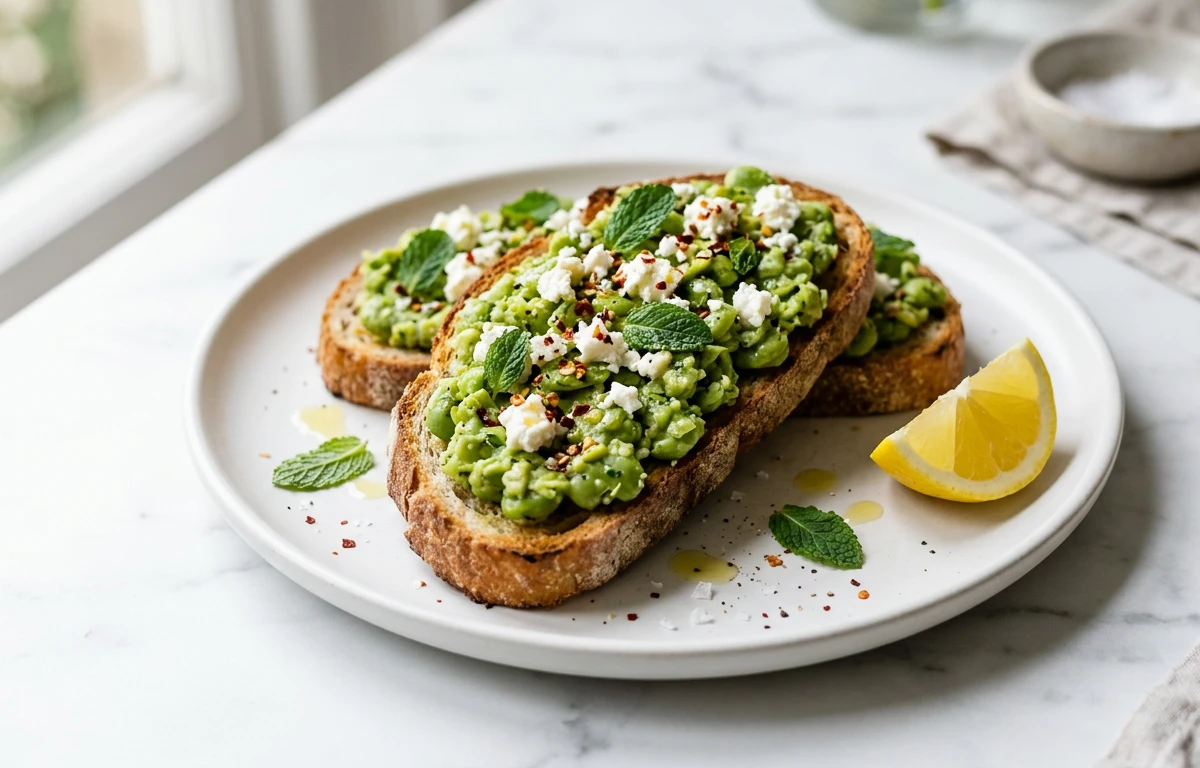
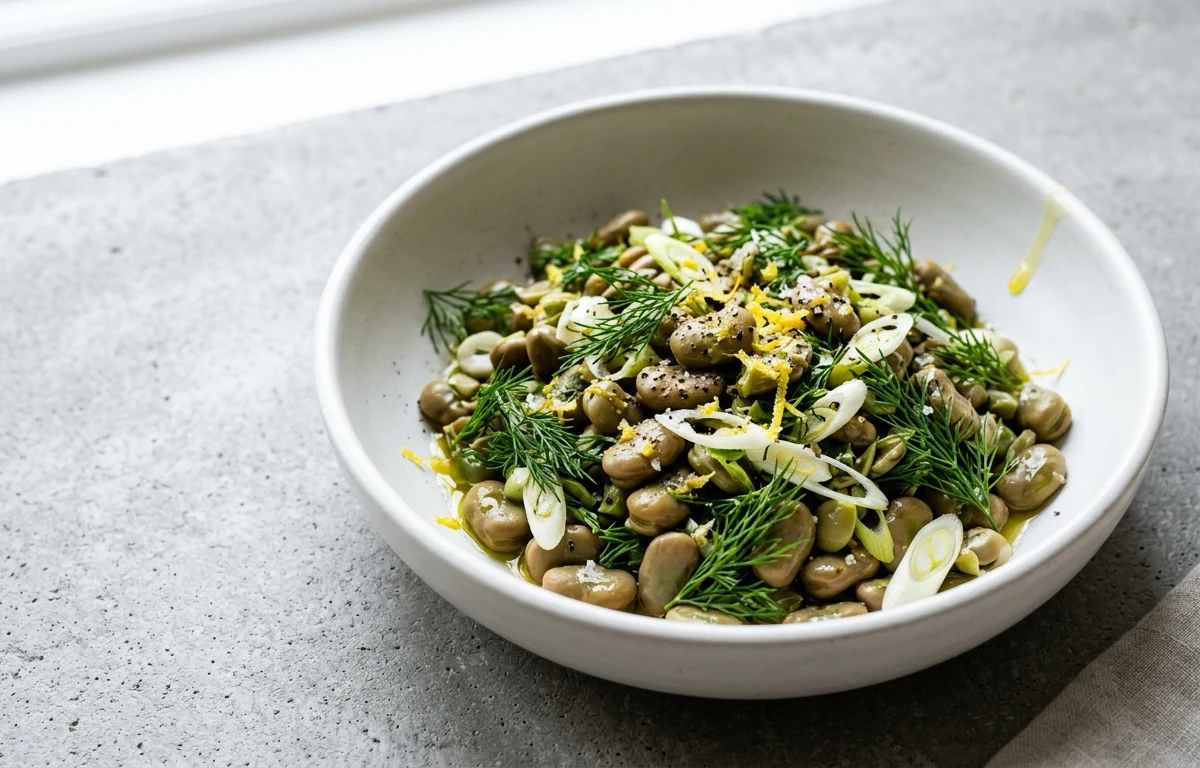
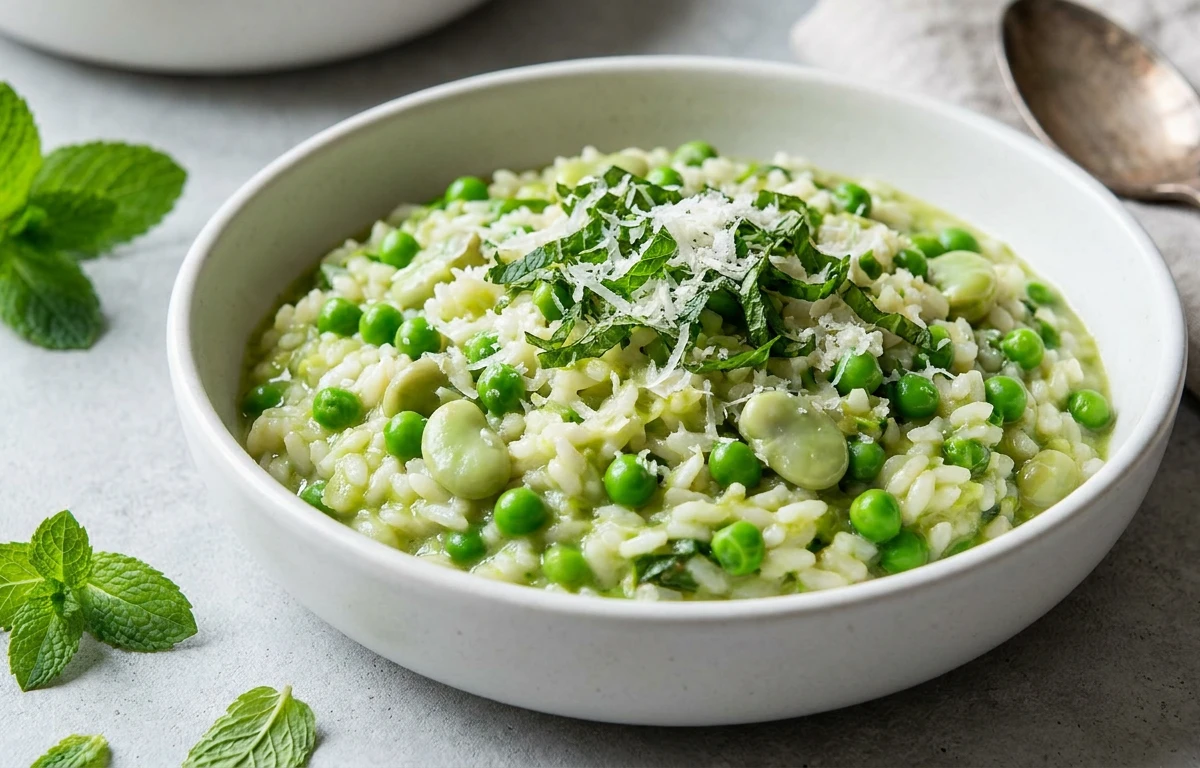
Forget complicated recipes. The best way to enjoy fresh field beans is to let their flavor shine.
Want more high-protein, high-fiber foods in your week?
Our meal planner makes it easy to incorporate nutrient-dense foods like field beans into your diet. Get balanced recipes, smart grocery lists, and a plan that's tailored to you.
Build my weekly plan →This guide is general information, not medical advice. If you have a health condition or take medication, consult your doctor or a registered dietitian before making big changes to your diet.
SOURCES & REFERENCES · 3
One more thing
Eating well is rarely about willpower. It’s about having a short list of dinners you actually want to eat. Pick two from this list. Make them next week. The rest will follow.
If you want these on autopilot, our weekly meal planner can drop the picks above into your calendar with one click and build a single grocery list from the merged ingredients.
FREQUENTLY ASKED QUESTIONS
Frequently asked questions
Are broad beans, fava beans, and field beans the same thing?
Yes. They are all common names for the same plant, Vicia faba. The name used often depends on your location. 'Broad bean' is common in the UK, while 'fava bean' is more common in the US and Mediterranean cooking.
Do I really have to double-pod them?
For the best texture, yes. The outer skin can be a bit tough and papery. Double-podding reveals the tender, bright green bean inside. It takes a few extra minutes but transforms the dish. For very young, small beans or long-cooked stews, you can sometimes skip it.
Are field beans good for people with diabetes?
Yes, they are an excellent choice. Their high fiber and protein content, combined with a low glycemic index, helps to slow down sugar absorption and promote stable blood glucose levels.
What is favism?
Favism is a serious condition linked to a genetic disorder called G6PD deficiency. For people with this condition, eating fava beans can trigger a severe reaction where red blood cells break down. It is rare, but if you have a family history of G6PD deficiency, you must avoid fava beans entirely.
METHODOLOGY
How this article was created
Built using verified nutrition databases, culinary research, and traditional cooking knowledge — every claim is cross-referenced against the sources listed in the article.
· USDA data· Culinary research· Quality reviewed
Read our methodology →TRANSPARENCY
About this content
Articles are curated using trusted food databases (USDA FoodData Central, IFCT), culinary literature, and dietary guidelines, then structured by our editorial team for clarity, accuracy, and usefulness.
· Verified data sources· Culinary research· Quality reviewed
Read our editorial policy →EXPLORE OUR MEALS
Meals that fit this article

AMERICAN · 1677 CAL
Almonds with Sliced Apple + supplement + iron

MEDITERRANEAN · 809 CAL
Greek Yogurt with Berries Almonds and Granola + supplement + iron

GENERAL_HEALTHY · 705 CAL
Banana with Peanut Butter Pregnancy + supplement + iron

MODERN · 982 CAL
Hummus with Crudits and Pita with Fresh Orange Snack + supplement + iron
TAGGED
KEEP READING