Kothavarangai: Fiber, Low GI, and Why You Should Eat This Underrated Bean: verified nutrition facts, glycemic context, serving guidance, and practical cooking ideas.
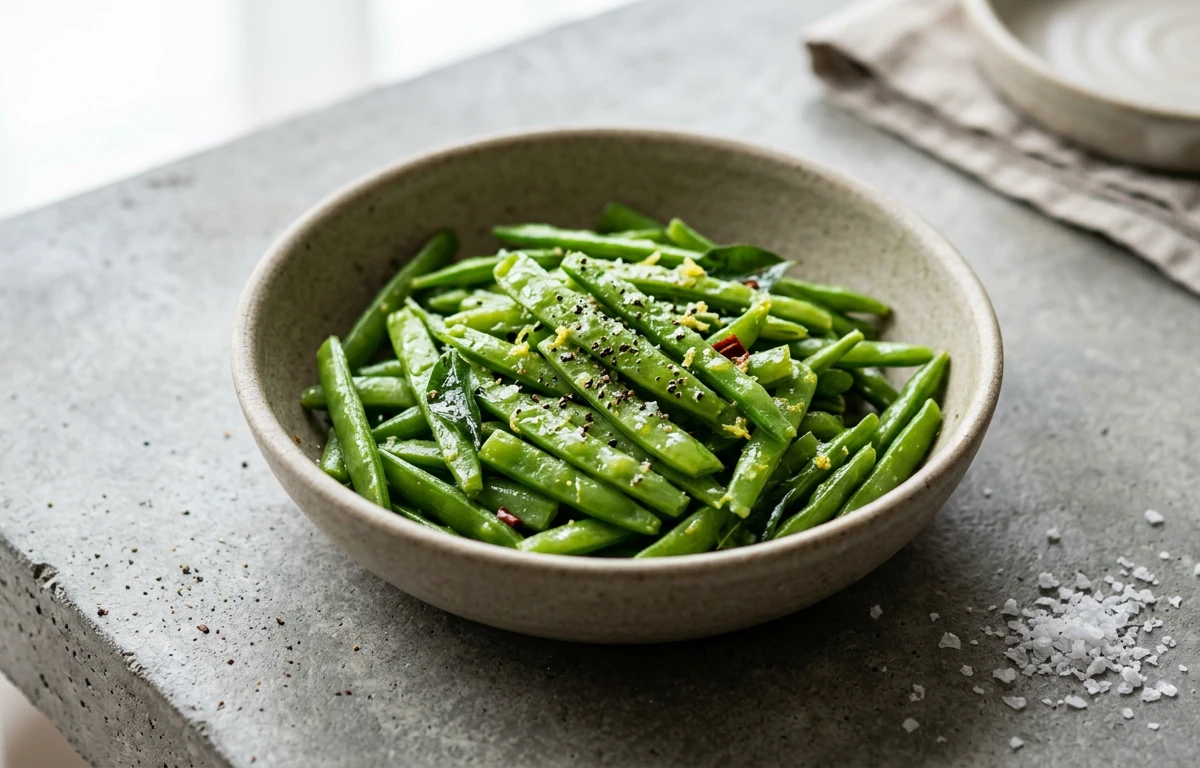
↑ Kothavarangai, or cluster beans, have a unique texture and impressive fiber content.
The fiber-packed bean you're probably not eating
Kothavarangai (also known as guar beans) are a staple in many parts of India, but they're still a bit of a mystery elsewhere. They grow in, well, clusters, and have a flatter, more rugged look than a French bean. The texture is the main event: it's firm, chewy, and satisfying in a way softer beans aren't.
Yes, they can have a slightly bitter note, but that's part of their charm and a sign of their unique plant compounds. When cooked properly with spices and maybe a little coconut, that bitterness mellows into a complex, savory flavor. The real reason to get to know them, though, is their killer nutrition stats.
IN ONE LINE
Kothavarangai is extremely low-calorie, packed with fiber, and has almost zero net carbs. It's a secret weapon for blood sugar control and feeling full for longer.
Kothavarangai nutrition facts
Here's the breakdown for a 100-gram serving, which is about a cup of chopped beans. The numbers are frankly impressive.
Look at that ratio: 3.6 grams of carbs, with 2.7 grams of that being pure fiber. That leaves you with less than one gram of net carbs, which is the amount that actually impacts blood sugar. For a vegetable, that's remarkable. You're getting 10% of your daily fiber for just 22 calories. It's a dieter's and a diabetic's dream food.
Kothavarangai's Glycemic Index
There isn't an official, universally cited glycemic index number for kothavarangai. But frankly, we don't need one to know how it behaves. With its high fiber content and vanishingly low net carbs, its effect on blood sugar is minimal. It's firmly in the 'low' GI category, and almost certainly at the very bottom of that scale. It's far gentler on blood sugar than even low-GI fruits like apples or cherries.
GLYCEMIC INDEX · KOTHAVARANGAI vs COMMON FOODS
Cluster Beans Have a Very Low Glycemic Impact
Cluster Beans
very high fiber
LOW
Apple
whole fruit
LOW
Mango
whole fruit
LOW
White bread
refined
HIGH
Cornflakes
refined
HIGH
SCALE 0–90
04590
How to cook it right
You can't just steam cluster beans like you would French beans. They need a little more persuasion, but it's worth it.
01
Trim the ends.
Just like with regular beans, snap or slice off the tough top and tail of each bean.
02
Don't be afraid to cook it well.
This is not a vegetable for a light, crisp-tender blanch. They need to be cooked through to soften their texture and mellow their flavor. Simmering or stir-frying for a good 10-15 minutes is typical.
03
Pair with strong flavors.
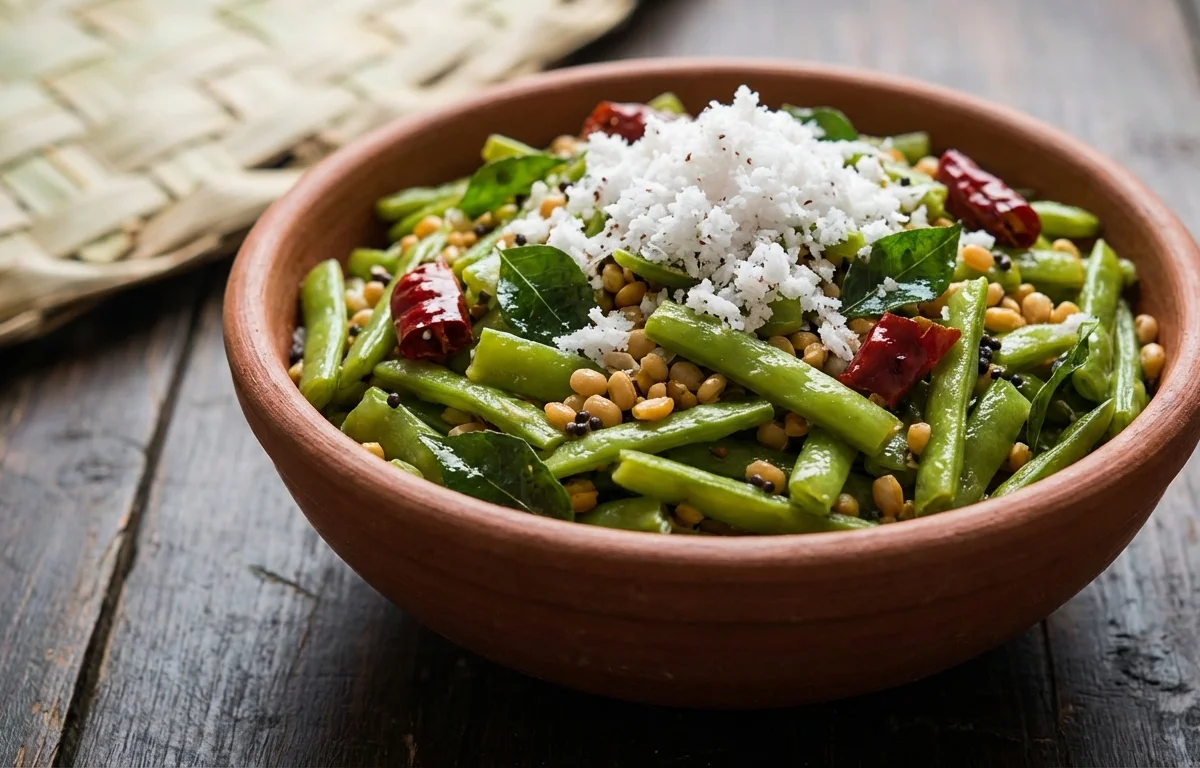
The bean's assertive character stands up well to garlic, ginger, onion, chilli, and warming spices like cumin and turmeric. A sprinkle of grated coconut at the end is a classic South Indian finish.
04
Consider a quick blanch.
If you're particularly sensitive to bitterness, you can blanch the beans in boiling salted water for 2-3 minutes and then drain them before adding to your main dish. This can help temper the flavor.
What kothavarangai is good for
01
Superb for blood sugar control
With just 0.9g of net carbs and a ton of fiber, kothavarangai barely moves the needle on blood sugar, making it an all-star for anyone with diabetes or insulin resistance.
0.9 g
net carbs
02
A weight-loss ally
It's tough to find a food that's more filling for fewer calories. The high fiber content promotes satiety, helping you feel full and manage your appetite.
22
kcal / 100g
03
Promotes a healthy gut
The 2.7 grams of dietary fiber per serving act as a prebiotic, feeding beneficial gut bacteria and promoting regular bowel movements. A healthy gut is linked to better immunity and overall health.
2.7 g
fiber
04
Supports heart health
Diets rich in fiber, particularly from vegetables like cluster beans, are linked to lower cholesterol levels and a reduced risk of heart disease. Plus, it's naturally fat-free and low in sodium.
0.1 g
fat
What to pair kothavarangai with
Cluster beans love bold partners that complement their earthy, slightly bitter flavor and chewy texture.
Eat freely — or be mindful?
Three ways to eat it
Ready to try them? Here are three classic, simple preparations that bring out the best in cluster beans.
.webp)
Want more high-fiber, low-carb foods in your week?
Our meal planner can help you build a balanced week featuring vegetables like kothavarangai, with portions and macros already calculated and a single grocery list at the end.
Build my weekly plan →SOURCES & REFERENCES · 3
One more thing
Eating well is rarely about willpower. It’s about having a short list of dinners you actually want to eat. Pick two from this list. Make them next week. The rest will follow.
If you want these on autopilot, our weekly meal planner can drop the picks above into your calendar with one click and build a single grocery list from the merged ingredients.
FREQUENTLY ASKED QUESTIONS
Frequently asked questions
Is kothavarangai good for people with diabetes?
Yes, it's one of the best vegetables you can eat. Its extremely low net carbohydrate content and high fiber mean it has a very minimal impact on blood sugar levels.
Why are my cluster beans bitter?
A slight bitterness is a natural characteristic of the bean. However, intense bitterness can mean they are undercooked. Unlike French beans, cluster beans need to be cooked thoroughly until tender to mellow out their flavor.
Can you eat kothavarangai raw?
No, you should not eat them raw. They are tough, very bitter, and hard to digest. They must be cooked to be palatable and for your body to absorb their nutrients.
Is kothavarangai the same as French beans or long beans?
No, they are different vegetables. While they are all legumes, kothavarangai (guar) has a flatter shape, a much firmer, chewier texture, and a more distinct, earthy flavor profile than the milder, softer French bean or long bean.

ABOUT THE AUTHOR
Shreya Chatterjee
NUTRITION WRITER
Shreya is a nutrition writer and the voice behind The Nutrition Pen, where she turns evidence-based nutrition into simple, repeatable eating habits. Her writing focuses on practical food guidance — what to actually put on the plate — for readers who want to eat well without the noise.
Meet the editorial team →METHODOLOGY
How this article was created
Built using verified nutrition databases, culinary research, and traditional cooking knowledge — every claim is cross-referenced against the sources listed in the article.
· USDA data· Culinary research· Quality reviewed
Read our methodology →TRANSPARENCY
About this content
Articles are curated using trusted food databases (USDA FoodData Central, IFCT), culinary literature, and dietary guidelines, then structured by our editorial team for clarity, accuracy, and usefulness.
· Verified data sources· Culinary research· Quality reviewed
Read our editorial policy →EXPLORE OUR MEALS
Meals that fit this article

AMERICAN · 1677 CAL
Almonds with Sliced Apple + supplement + iron

MEDITERRANEAN · 809 CAL
Greek Yogurt with Berries Almonds and Granola + supplement + iron

GENERAL_HEALTHY · 705 CAL
Banana with Peanut Butter Pregnancy + supplement + iron

MODERN · 982 CAL
Hummus with Crudits and Pita with Fresh Orange Snack + supplement + iron
TAGGED
KEEP READING