Most of us meet pumpkin once a year in a pie, loaded with sugar and spice. But the pumpkin itself—that bright, earthy squash—is something else entirely. It's incredibly low in calories and carbs, beautifully versatile, and one of the easiest vegetables to build a healthy meal around. Forget the lattes and the candy. The real magic of pumpkin is what happens when you treat it simply: roast it, soup it, or mash it. It's a canvas for flavor, not just a carrier for sugar.
↑ Simple, cubed yellow pumpkin is a low-calorie, low-carb base for any meal.
More than just pie filling
Let's get one thing straight: the bright orange vegetable we call pumpkin is a nutritional winner. It's over 90% water and has fewer carbs than an apple. The problem isn't the pumpkin; it's what we do to it. We drown it in sugar for pies, syrups, and lattes, burying its subtle, earthy flavor.
This profile is about rescuing the pumpkin from its sugary fate. Eaten on its own terms—roasted, steamed, or puréed without a mountain of sweeteners—it's one of the most diet-friendly, versatile vegetables in the kitchen.
IN ONE LINE
Yellow pumpkin is a low-calorie, low-carb, non-starchy vegetable that's excellent for blood sugar control and weight management when not loaded with sugar.
Yellow pumpkin nutrition facts
Here's the nutritional profile for a 100-gram serving of cooked yellow pumpkin, which is about half a cup of mashed or cubed pumpkin.
The numbers are striking for how low they are. At just 26 calories and 6.5 grams of carbs, pumpkin is less dense than potatoes, corn, and even carrots. The one surprise might be the fiber—at just half a gram, it's not a fiber powerhouse. Its main benefits come from its low energy density and micronutrient content, like its respectable 10% of your daily Vitamin C.
Pumpkin's glycemic index
While there isn't a universally agreed-upon, precise GI value for all types of yellow pumpkin, its nutritional profile—low carbohydrate, high water, some fiber—means it's firmly in the low-glycemic category. It will raise blood sugar far more slowly and gently than starchy vegetables or refined grains. This makes it an excellent choice for anyone managing blood sugar.
GLYCEMIC INDEX · PUMPKIN vs COMMON FOODS
Pumpkin sits in the low-GI band
Yellow Pumpkin
non-starchy veg (est.)
LOW
Apple
whole fruit
LOW
Pineapple
whole fruit
MEDIUM
Watermelon
whole fruit
HIGH
White Bread
refined
HIGH
SCALE 0–90
04590
The smart way to cook it
To get the best from pumpkin, think simple. The goal is to enhance its natural, earthy sweetness, not cover it up.
01
Roast it.
Toss cubes with a little olive oil, salt, pepper, and maybe some sage or thyme. Roast at 400°F (200°C) until tender and slightly caramelized. This is pumpkin at its best.
02
Soup it.
Simmer cooked pumpkin with vegetable broth, onions, and garlic, then blend until smooth. A swirl of yogurt or a sprinkle of toasted seeds is all it needs.
03
Mash it.
Steam or boil pumpkin until very soft, then mash it as a low-carb alternative to potatoes. Great with a little butter or olive oil.
04
Go savory, not sweet.
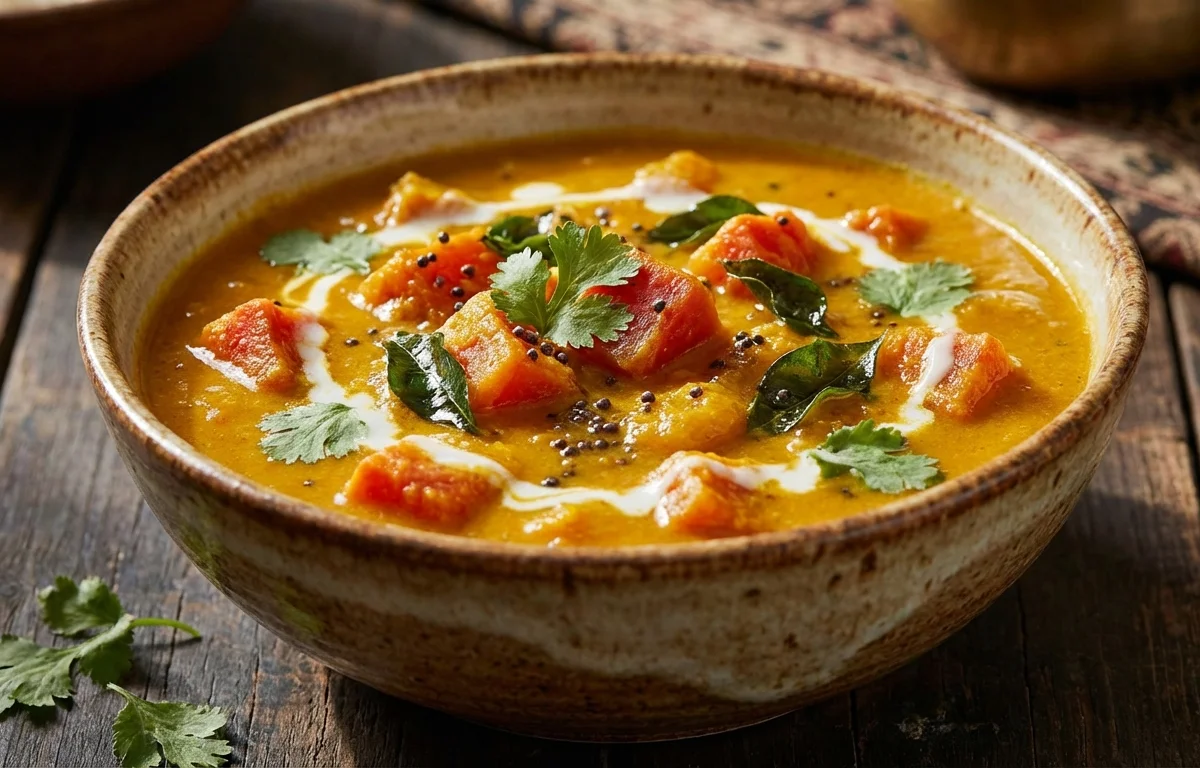
Use pumpkin in curries, stews, and chilis. Its mild flavor and creamy texture work beautifully with spices and legumes.
05
Read the can.
If using canned purée, make sure the only ingredient is 'pumpkin'. Avoid 'pumpkin pie filling', which is pre-sweetened and spiced.
What pumpkin is good for
01
Excellent for weight management
At only 26 calories per 100g, pumpkin is very low in energy density. You can eat a large, filling portion without consuming many calories.
26
cal / 100g
02
Supports blood sugar control
With just 6.5g of carbs and a low glycemic index, pumpkin provides gentle energy without causing sharp spikes in blood sugar.
6.5g
carbs
03
A good source of Vitamin C
A single serving provides about a tenth of your daily vitamin C, which is crucial for immune function, skin health, and acting as an antioxidant.
10%
Vit C DV
04
Hydrating and versatile
Pumpkin is over 90% water, which contributes to hydration. Its mild flavor makes it an easy and healthy addition to countless savory dishes.
92%
water
What to pair pumpkin with
Pumpkin's mild, slightly sweet flavor is a perfect backdrop for bold, savory ingredients. Pairing it with protein and fat creates a balanced, satisfying meal.
Eat freely — or be mindful?
Three ways to eat it
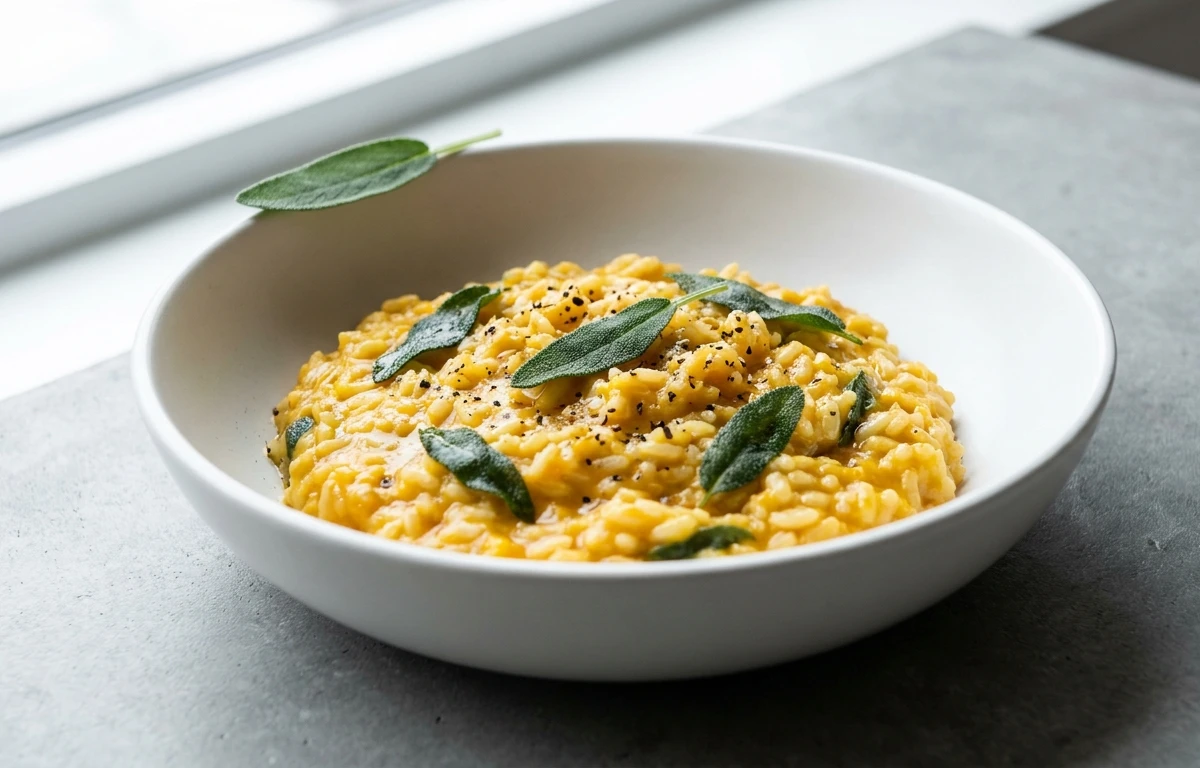
Three simple, savory ways to enjoy pumpkin that let the vegetable shine.
-pumpkin-soup.webp)
Want vegetables worked into a balanced week — without the planning?
Our meal planner uses versatile vegetables like pumpkin in balanced recipes, with portions and macros already calculated and a single grocery list at the end.
Build my weekly plan →SOURCES & REFERENCES · 3
One more thing
Eating well is rarely about willpower. It’s about having a short list of dinners you actually want to eat. Pick two from this list. Make them next week. The rest will follow.
If you want these on autopilot, our weekly meal planner can drop the picks above into your calendar with one click and build a single grocery list from the merged ingredients.
FREQUENTLY ASKED QUESTIONS
Frequently asked questions
Can people with diabetes eat pumpkin?
Yes, absolutely. Plain cooked pumpkin is an excellent choice for people with diabetes. It's very low in carbohydrates and has a low glycemic index, so it won't cause a significant spike in blood sugar. Just be sure to eat it without added sugars.
Is pumpkin keto-friendly?
Yes. With only about 6 grams of net carbs per 100-gram serving, pumpkin can easily fit into a ketogenic diet in moderation. It's a great way to get vegetable volume and nutrients without a high carb load.
Is canned pumpkin as healthy as fresh pumpkin?
It can be! If you buy 100% pure canned pumpkin purée, the nutrition is very similar to fresh, cooked pumpkin. Just be careful not to buy 'pumpkin pie filling,' which is loaded with sugar and spices.
Is pumpkin a fruit or a vegetable?
Here's a fun bit of trivia. Botanically speaking, because it grows on a vine and contains seeds, a pumpkin is a fruit. But in the kitchen and nutritionally, we treat it as a vegetable due to its savory flavor and use in meals.

ABOUT THE AUTHOR
Shreya Chatterjee
NUTRITION WRITER
Shreya is a nutrition writer and the voice behind The Nutrition Pen, where she turns evidence-based nutrition into simple, repeatable eating habits. Her writing focuses on practical food guidance — what to actually put on the plate — for readers who want to eat well without the noise.
Meet the editorial team →METHODOLOGY
How this article was created
Built using verified nutrition databases, culinary research, and traditional cooking knowledge — every claim is cross-referenced against the sources listed in the article.
· USDA data· Culinary research· Quality reviewed
Read our methodology →TRANSPARENCY
About this content
Articles are curated using trusted food databases (USDA FoodData Central, IFCT), culinary literature, and dietary guidelines, then structured by our editorial team for clarity, accuracy, and usefulness.
· Verified data sources· Culinary research· Quality reviewed
Read our editorial policy →RELATED RECIPES
Cook from this article
EXPLORE OUR MEALS
Meals that fit this article

AMERICAN · 1677 CAL
Almonds with Sliced Apple + supplement + iron

MEDITERRANEAN · 809 CAL
Greek Yogurt with Berries Almonds and Granola + supplement + iron

GENERAL_HEALTHY · 705 CAL
Banana with Peanut Butter Pregnancy + supplement + iron
MODERN · 982 CAL
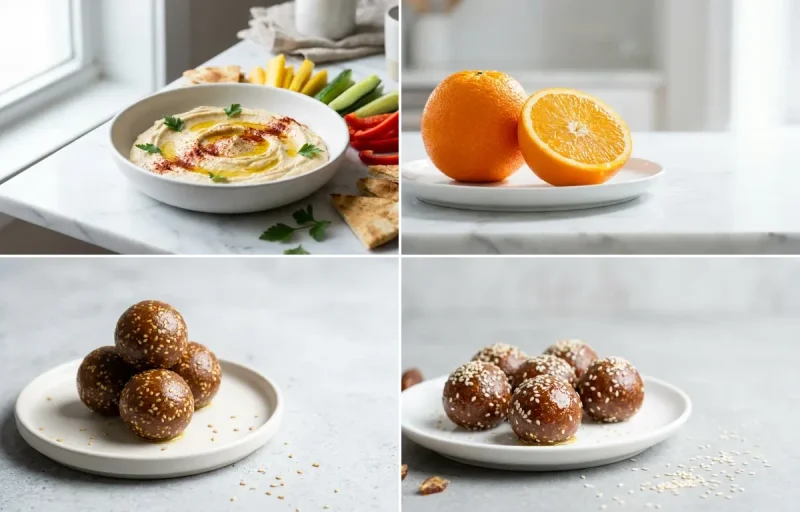
Hummus with Crudits and Pita with Fresh Orange Snack + supplement + iron
TAGGED
KEEP READING