Let's be honest, brown lentils don't exactly scream 'excitement'. They're the dependable, slightly drab workhorse of the pantry. But writing them off as boring is a huge mistake. For pennies a serving, these little discs deliver a stunning combination of plant protein, gut-friendly fiber, and slow-release carbs that keep you full for hours. They're a nutritional foundation, and one of the most effective, underrated foods for building a healthy diet on.
↑ The humble brown lentil — a nutritional powerhouse hiding in plain sight.
The quiet pantry superstar
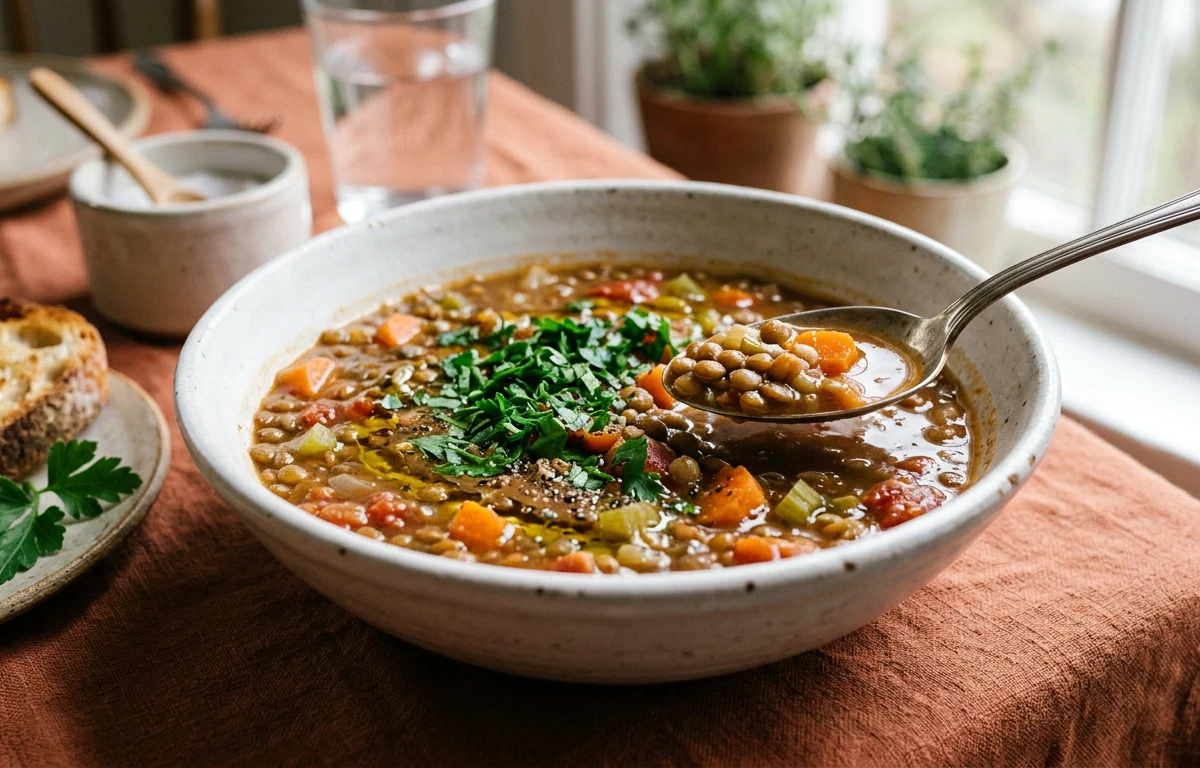
Brown lentils are the most common type you'll find in the supermarket. They're larger than French or red lentils, hold their shape relatively well when cooked (but not as firmly as green lentils), and have a mild, earthy flavor that makes them incredibly versatile. They don't need soaking and cook in about 20-30 minutes, making them a weeknight hero.
Their real magic isn't in some exotic flavor, but in their nutritional density. They're a perfect three-in-one package: a quality plant-based protein, a substantial source of complex carbohydrate for energy, and a huge dose of dietary fiber.
IN ONE LINE
A one-cup cooked serving of brown lentils provides nearly 18 grams of protein and 16 grams of fiber for about 230 calories — a combination that's hard to beat for fullness and steady energy.
Brown lentil nutrition facts
The numbers below are for 100 grams of dry lentils. This is a crucial point! Dry lentils absorb a lot of water and expand, so 100g dry makes about 2.5 to 3 cups when cooked. A typical one-cup cooked serving would have about one-third of the calories and nutrients listed here.
The standout numbers are protein and fiber. Nearly 25 grams of protein per 100g dry is comparable to meat, making lentils a cornerstone of plant-based diets. They're also an incredible source of folate (Vitamin B9), essential for cell growth, and a great source of iron and manganese.
Brown lentils' glycemic index
If you're worried about carbs and blood sugar, lentils are one of the best foods you can eat. Their glycemic index (GI) is very low, usually ranking around 32. A GI under 55 is considered low, so lentils are far from the 'spiky' carbs found in bread or rice. This is because the carbohydrate is bundled with so much soluble fiber and protein, which dramatically slows down digestion and the release of sugar into the bloodstream. The result is steady, long-lasting energy, not a quick spike and crash.
GLYCEMIC INDEX · LENTILS vs COMMON FOODS
Lentils are a true low-GI food
Brown Lentils
cooked
LOW
Apple
whole fruit
LOW
Pineapple
whole fruit
MEDIUM
White bread
refined
HIGH
Cornflakes
refined
HIGH
SCALE 0–90
04590
How to cook them right
Cooking lentils is simple, but a few small things make a big difference between delicious, distinct lentils and a pot of brown mush.
01
Rinse them first.
Give them a quick rinse in a fine-mesh sieve under cold water to remove any dust or debris. No soaking required.
02
Use a 1:3 ratio.
Use one part dry lentils to three parts water or broth. Bring to a boil, then reduce to a gentle simmer.
03
Don't salt the water (at first).
Salting the cooking water from the start can sometimes make lentils tough. Add salt and other seasonings in the last 5-10 minutes of cooking.
04
Simmer, don't boil.
A hard boil will smash them apart. A gentle simmer for 20-30 minutes is all you need. Start checking for doneness at 20 minutes.
05
Add acid at the end.
Like salt, acidic ingredients like lemon juice or vinegar can prevent lentils from softening. Stir them in after the lentils are cooked to brighten the flavor.
What brown lentils are good for
01
Excellent for blood sugar control
The potent combination of high fiber and protein makes lentils a top-tier food for managing blood sugar and preventing the spikes associated with refined carbs.
GI ≈32
low
02
A plant-protein powerhouse
With about 18 grams of protein per cooked cup, lentils are a fantastic, low-fat way to meet your protein needs, support muscle, and stay full.
18 g
protein/cup
03
Supports heart health
The soluble fiber in lentils can help lower LDL ('bad') cholesterol. They're also a good source of heart-friendly minerals like potassium and magnesium.
16 g
fiber/cup
04
Incredible source of folate
One cup of cooked lentils provides about 90% of the daily value for folate (B9), a vitamin crucial for DNA synthesis and preventing birth defects.
90%
folate DV
05
Feeds your microbiome
The fiber in lentils acts as a prebiotic, providing food for the beneficial bacteria in your gut, which is linked to better digestion and overall health.
Top Tier
prebiotic
What to pair lentils with
Lentils' earthy flavor is a blank canvas. They love being paired with bold, bright, and rich flavors to bring them to life.
Eat freely — or be mindful?
Three ways to eat them
Go beyond basic soup. Here are three simple, satisfying ways to make brown lentils a regular part of your week.
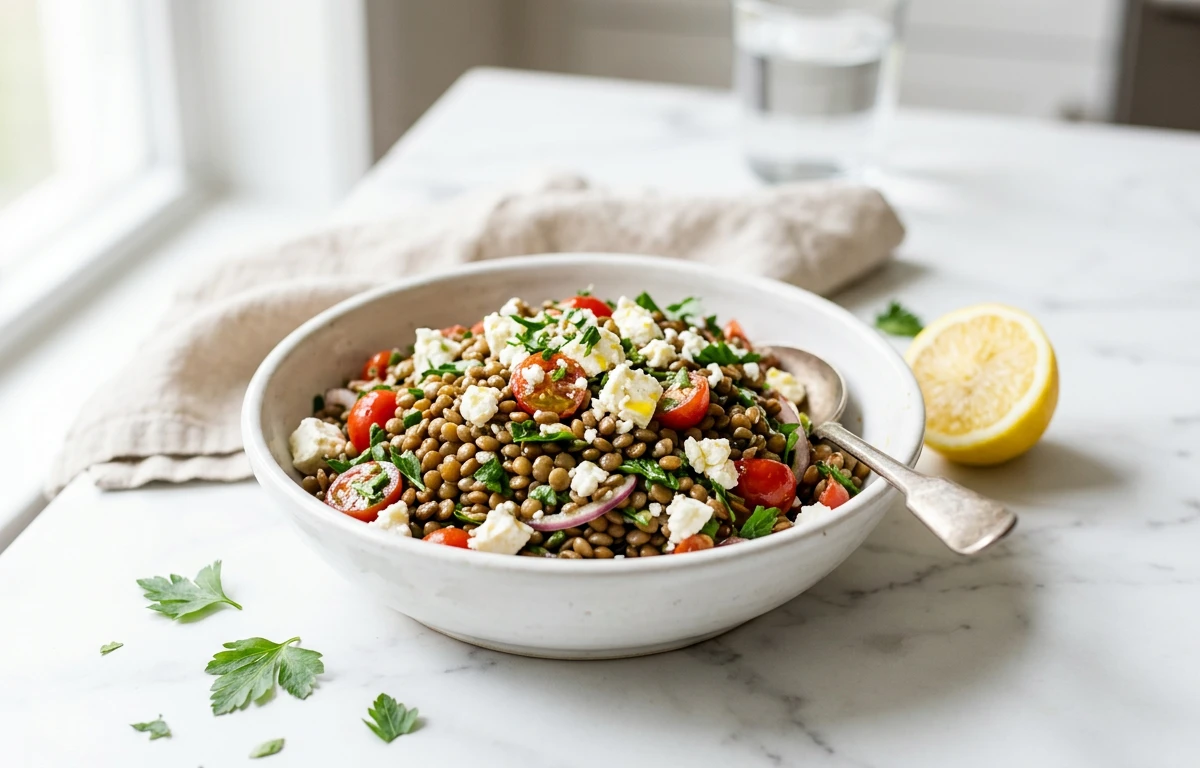
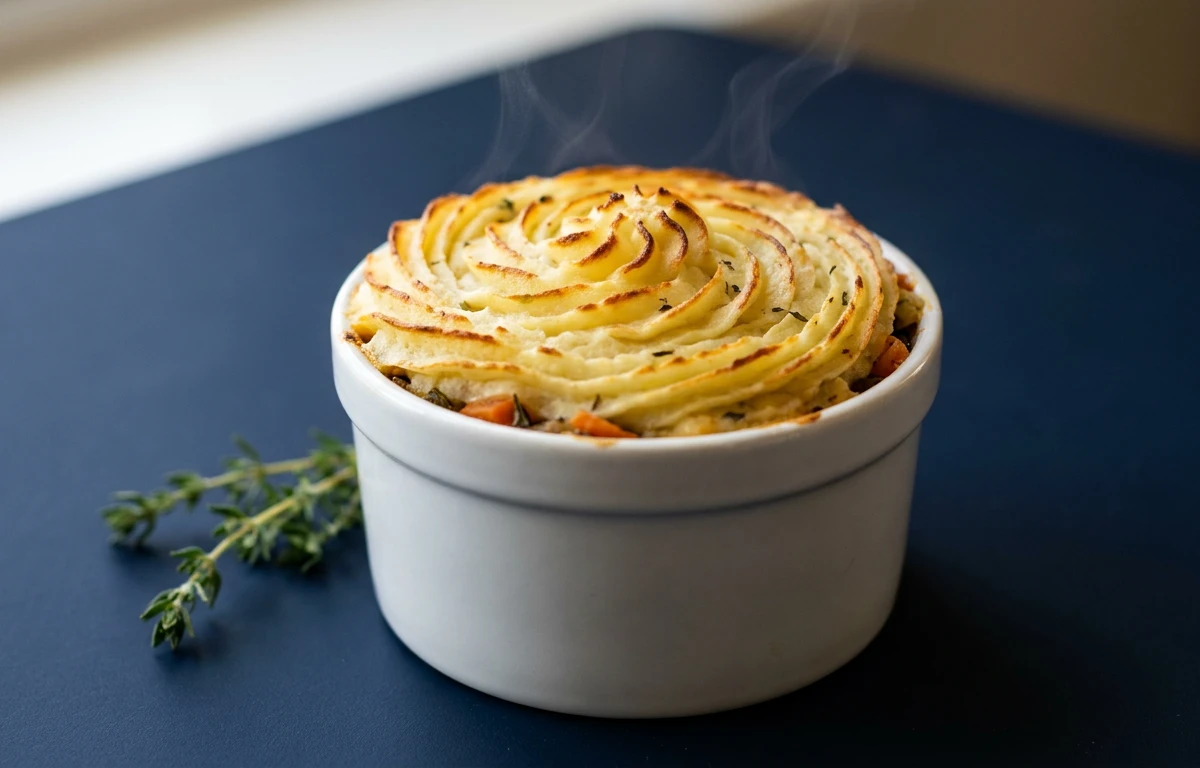
Want to build balanced meals without the guesswork?
Our meal planner uses foundational foods like lentils to build satisfying, high-protein, high-fiber weeks. Get your personalized plan with recipes, macros, and a single grocery list.
Build my weekly plan →SOURCES & REFERENCES · 3
One more thing
Eating well is rarely about willpower. It’s about having a short list of dinners you actually want to eat. Pick two from this list. Make them next week. The rest will follow.
If you want these on autopilot, our weekly meal planner can drop the picks above into your calendar with one click and build a single grocery list from the merged ingredients.
FREQUENTLY ASKED QUESTIONS
Frequently asked questions
Are brown lentils good for people with diabetes?
They are one of the best foods for diabetes management. Their very low glycemic index, combined with high fiber and protein, leads to a very slow, controlled release of blood sugar. They help with satiety and long-term blood sugar control.
Do lentils cause gas and bloating?
They can, especially if you're not used to eating a lot of fiber. The fiber in lentils is great for your gut bacteria, but a sudden increase can cause gas. Start with smaller portions (like 1/2 cup cooked) and drink plenty of water to help your system adjust.
Are canned lentils as healthy as dry lentils?
Canned lentils are a great convenience and are nutritionally very similar to home-cooked ones. The main watch-out is sodium. Look for 'no salt added' versions or rinse them thoroughly in a colander before using to wash away up to 40% of the added salt.
Do I need to soak brown lentils before cooking?
No, brown lentils are small enough that they don't require soaking. Just give them a quick rinse to clean them and they're ready to cook, usually in about 20-30 minutes.
METHODOLOGY
How this article was created
Built using verified nutrition databases, culinary research, and traditional cooking knowledge — every claim is cross-referenced against the sources listed in the article.
· USDA data· Culinary research· Quality reviewed
Read our methodology →TRANSPARENCY
About this content
Articles are curated using trusted food databases (USDA FoodData Central, IFCT), culinary literature, and dietary guidelines, then structured by our editorial team for clarity, accuracy, and usefulness.
· Verified data sources· Culinary research· Quality reviewed
Read our editorial policy →RELATED RECIPES
Cook from this article
EXPLORE OUR MEALS
Meals that fit this article

AMERICAN · 1677 CAL
Almonds with Sliced Apple + supplement + iron

MEDITERRANEAN · 809 CAL
Greek Yogurt with Berries Almonds and Granola + supplement + iron

GENERAL_HEALTHY · 705 CAL
Banana with Peanut Butter Pregnancy + supplement + iron

MODERN · 982 CAL
Hummus with Crudits and Pita with Fresh Orange Snack + supplement + iron
TAGGED
KEEP READING