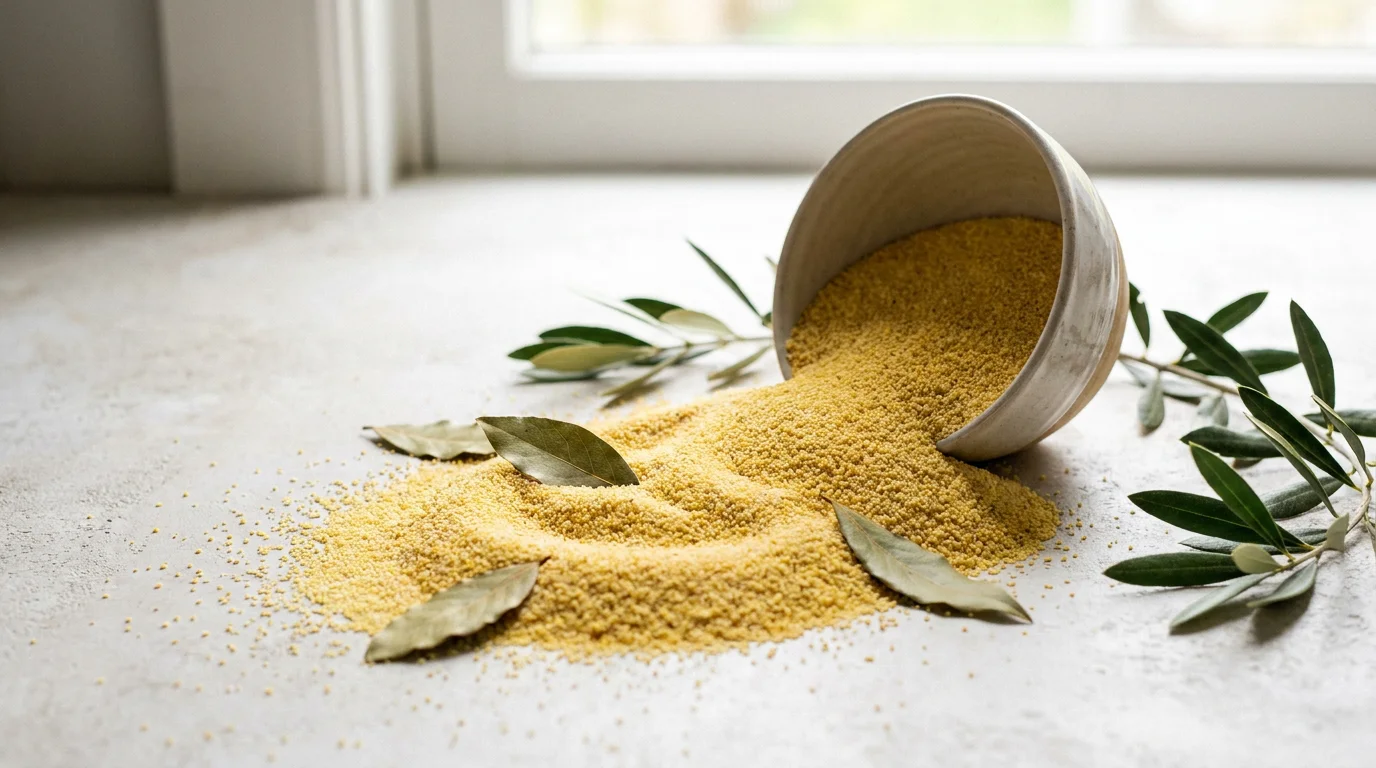
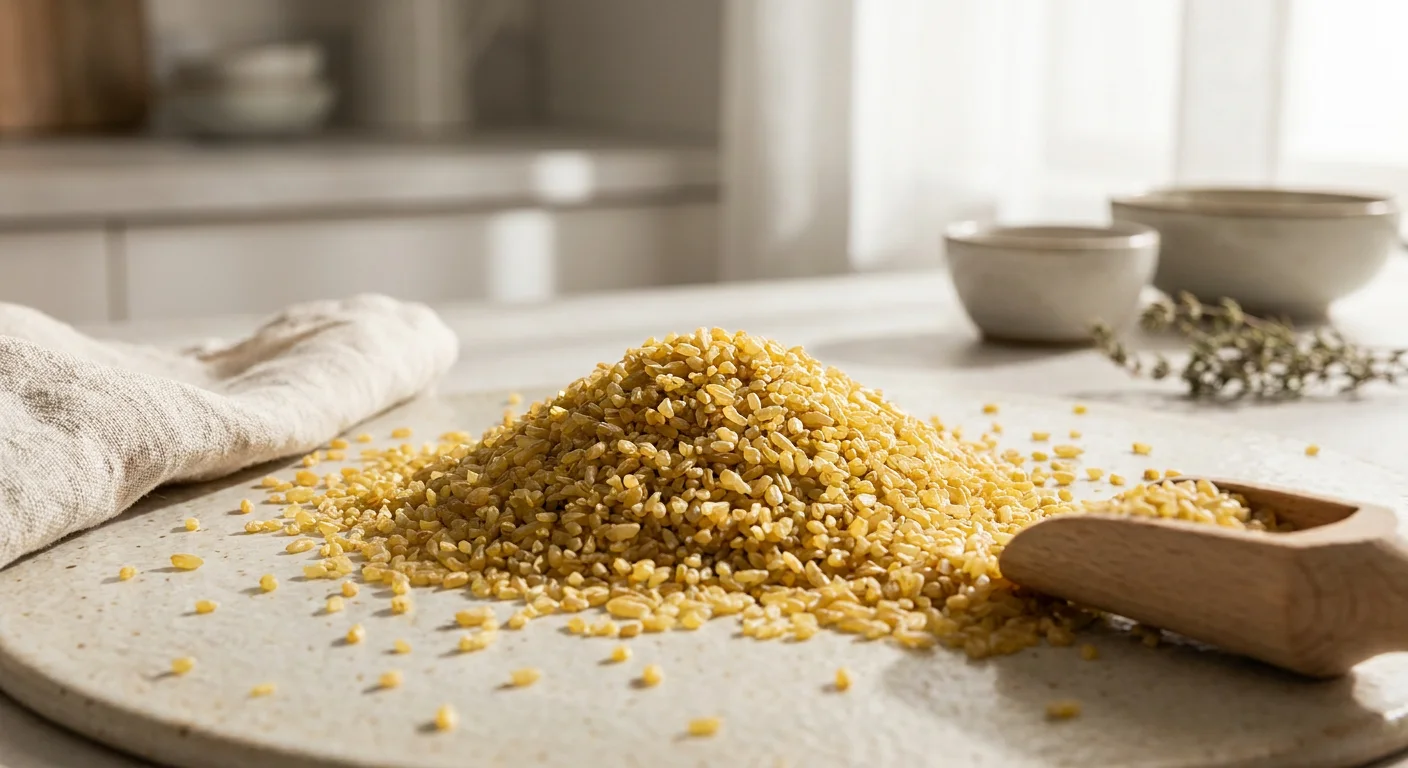
Let's clear up the biggest misconception right away: buckwheat has absolutely nothing to do with wheat. It isn't even a grain. It's a gluten-free seed from a plant related to rhubarb, which we treat like a grain in the kitchen. With its wonderfully nutty, earthy flavor, it's a genuine nutritional standout, offering up quality plant protein, a solid dose of fiber, and complex carbohydrates that give you slow, steady energy. It's one of the most versatile and underrated foods in the pantry.
↑ Cooked buckwheat groats, also known as kasha.
The gluten-free 'grain' that isn't a grain
Buckwheat is a bit of an impostor, in the best possible way. It sounds like a hardy wheat variety, but it's a 'pseudocereal' — a seed we use like a grain. This makes it a fantastic option for anyone avoiding gluten, but its benefits go way beyond that. It has a more robust nutritional profile than many true grains, with more protein, fiber, and minerals like magnesium and manganese. The taste is distinctive: toasted and nutty, slightly earthy, and deeply satisfying, whether you're eating it as a simple porridge or using the flour for pancakes.
IN ONE LINE
Despite the name, buckwheat isn't wheat. It's a naturally gluten-free seed with a nutty taste, packed with high-quality fiber and protein.
Buckwheat nutrition facts
Here's the nutritional breakdown for 100 grams of cooked buckwheat groats, which is about half a cup. Note that the raw groats will have different values by weight.
What stands out here isn't just one number, but the combination. You get a decent amount of protein that, unusually for a plant food, is 'complete'—meaning it contains all nine essential amino acids. You also get a solid hit of fiber and important minerals, all for under 100 calories. It's a very nutrient-dense food.
Buckwheat's glycemic index
Glycemic index (GI) tells us how quickly a food raises blood sugar. Anything under 55 is considered low. Buckwheat consistently scores in the low-to-medium range, generally between 45-55 depending on the form. Whole buckwheat groats (kasha) have a lower GI than buckwheat flour, because the structure is more intact. This slow-and-steady energy release is thanks to its high fiber and protein content, which slows down digestion and the absorption of its carbohydrates.
GLYCEMIC INDEX · COMMON FOODS
Where Buckwheat Sits on the Glycemic Scale
Apple
whole fruit
LOW
Mango
whole fruit
LOW
Pineapple
whole fruit
MEDIUM
White bread
refined
HIGH
Cornflakes
refined
HIGH
SCALE 0–90
04590
How to cook and use it
Getting started with buckwheat is simple. Toasted groats are often sold as 'kasha', which has a deeper flavour, but raw groats work just as well.
01
Cook it like rice.
Use a 1:2 ratio of buckwheat groats to water or broth. Bring to a boil, then simmer covered for about 15-20 minutes until the liquid is absorbed. Fluff with a fork.
02
Make a savory porridge (Kasha).
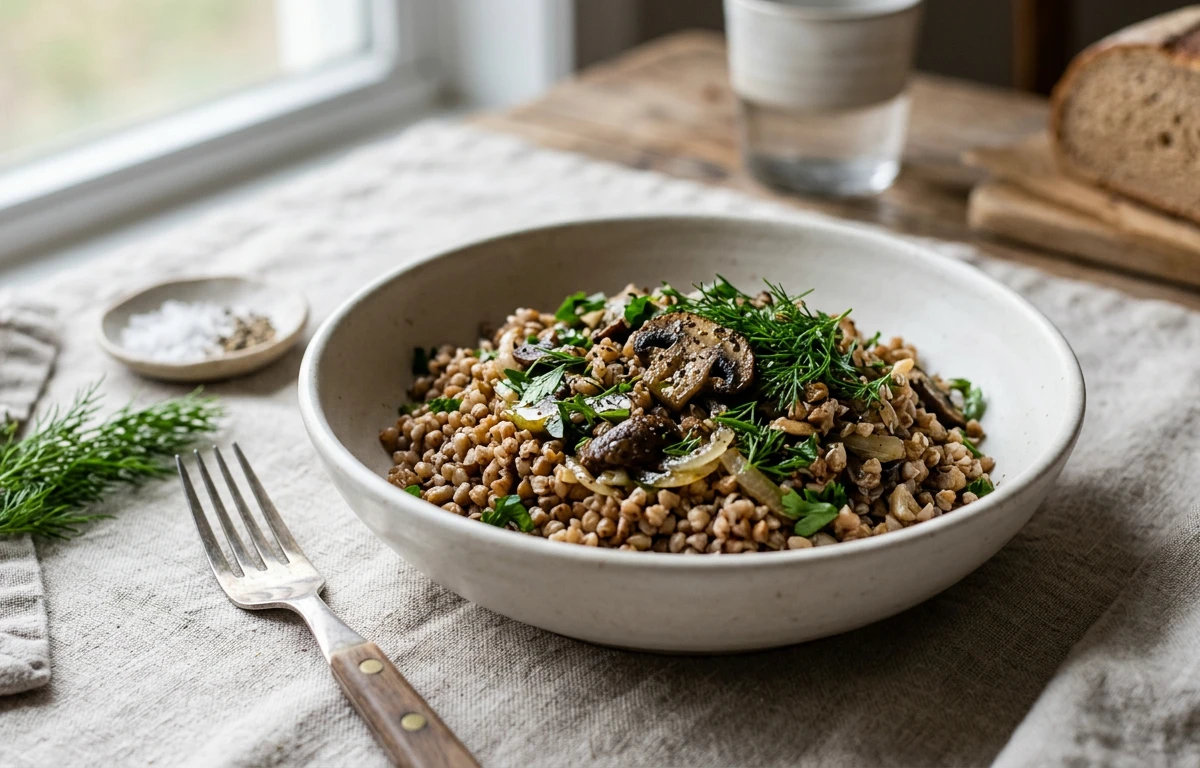
This is a classic Eastern European dish. Cook the groats and serve with sautéed mushrooms, onions, and a dollop of sour cream or yogurt.
03
Add it to salads and soups.
Cooked and cooled buckwheat adds a satisfying, chewy texture and nutty flavor to salads, or can be used to thicken soups and stews.
04
Try buckwheat flour.
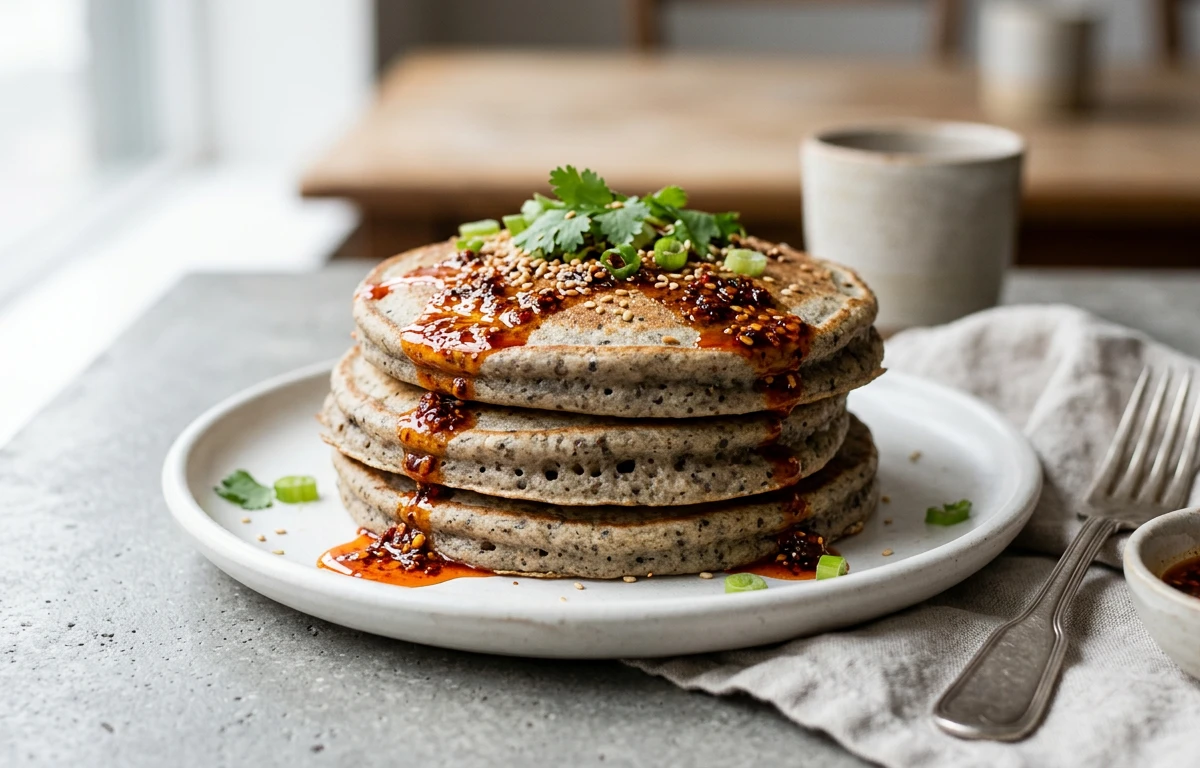
Use it to make incredible gluten-free pancakes, crepes (galettes), or soba noodles. It has a bold flavor that works well in baked goods.
05
Sprout it.
Raw buckwheat groats can be sprouted and added to salads or smoothies for a crunchy, nutrient-packed boost.
What buckwheat is good for
01
A go-to for gluten-free diets
As a naturally gluten-free pseudocereal, it's a safe and nutritious staple for anyone with celiac disease or non-celiac gluten sensitivity.
100%
gluten-free
02
High-quality plant protein
Buckwheat contains all nine essential amino acids, making it a 'complete' protein source—a rare quality among plant foods.
3.4 g
protein
03
Supports stable blood sugar
With its low-to-medium GI and high fiber content, buckwheat provides sustained energy without the sharp spikes associated with refined grains.
Low GI
complex carb
04
Good for heart health
The combination of fiber, magnesium, and rutin (an antioxidant) in buckwheat helps support healthy blood pressure and cholesterol levels.
12%
magnesium DV
05
Aids digestion and gut health
The 2.7 grams of fiber per serving helps keep you regular and acts as a prebiotic, feeding the beneficial bacteria in your gut.
2.7 g
fiber
What to pair buckwheat with
Buckwheat's earthy, nutty character loves savory, umami-rich partners. It's not a background player; it has a strong personality.
Who should eat it?
Three ways to eat it
Beyond a simple side dish, buckwheat can be the star of the meal. Here are three ideas to get you started.
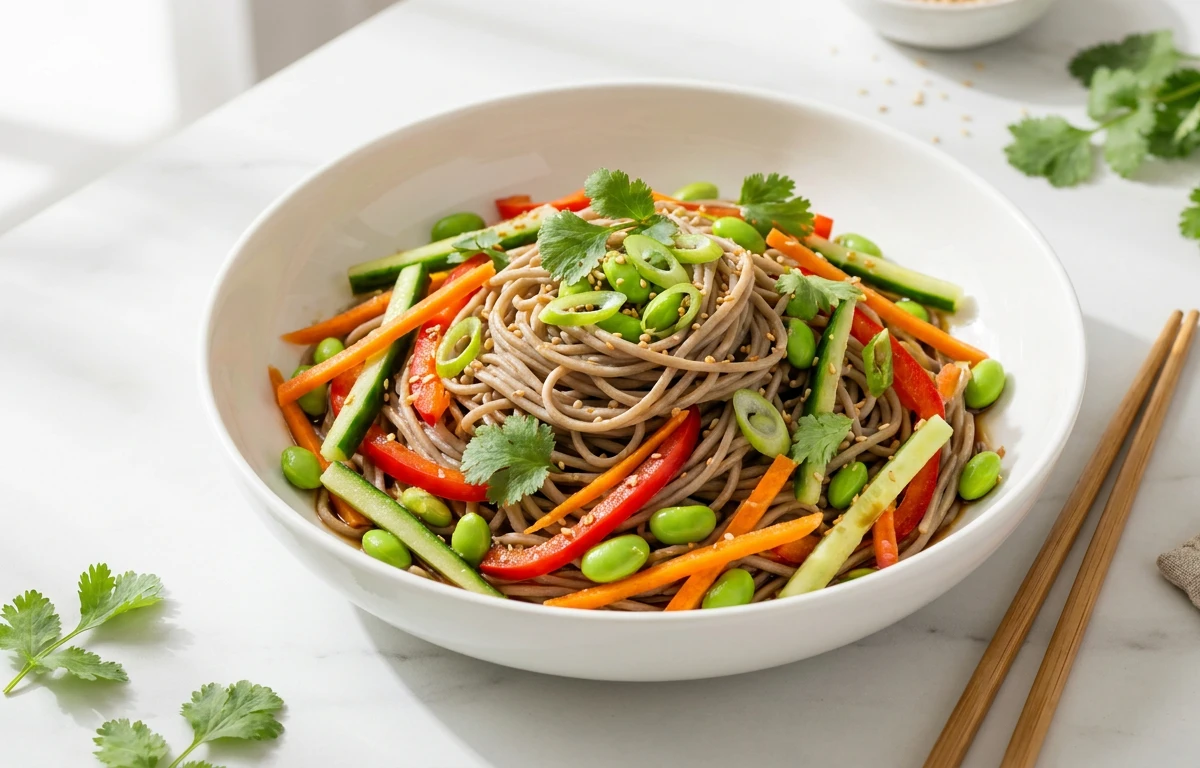
Want smart carbs worked into a balanced week — without the planning?
Our meal planner pairs foods like buckwheat with protein and healthy fats for steady energy, with portions and macros already calculated and a single grocery list at the end.
Build my weekly plan →SOURCES & REFERENCES · 3
One more thing
Eating well is rarely about willpower. It’s about having a short list of dinners you actually want to eat. Pick two from this list. Make them next week. The rest will follow.
If you want these on autopilot, our weekly meal planner can drop the picks above into your calendar with one click and build a single grocery list from the merged ingredients.
FREQUENTLY ASKED QUESTIONS
Frequently asked questions
Is buckwheat a type of wheat?
No, not at all. Despite the confusing name, buckwheat is not a grain and is not related to wheat. It is a gluten-free seed from a flowering plant.
Is buckwheat good for people with diabetes?
Yes, it's an excellent choice. Its high fiber content and low-to-medium glycemic index help prevent sharp blood sugar spikes, making it a great carbohydrate source for managing diabetes.
Is buckwheat healthier than oatmeal?
They are both healthy but have different strengths. Buckwheat offers more protein, and it's a 'complete' protein. Oatmeal is higher in soluble fiber, particularly beta-glucan, which is great for lowering cholesterol. Both are fantastic choices.
Do I need to rinse buckwheat before cooking?
It's a good idea. Rinsing buckwheat groats before cooking removes any dust or debris and can help prevent them from becoming too gummy. Toasting them in a dry pan for a few minutes before adding liquid also enhances their nutty flavor.
METHODOLOGY
How this article was created
Built using verified nutrition databases, culinary research, and traditional cooking knowledge — every claim is cross-referenced against the sources listed in the article.
· USDA data· Culinary research· Quality reviewed
Read our methodology →TRANSPARENCY
About this content
Articles are curated using trusted food databases (USDA FoodData Central, IFCT), culinary literature, and dietary guidelines, then structured by our editorial team for clarity, accuracy, and usefulness.
· Verified data sources· Culinary research· Quality reviewed
Read our editorial policy →RELATED RECIPES
Cook from this article
EXPLORE OUR MEALS
Meals that fit this article

GENERAL_HEALTHY · 705 CAL
Banana with Peanut Butter Pregnancy + supplement + iron
AMERICAN · 694 CAL
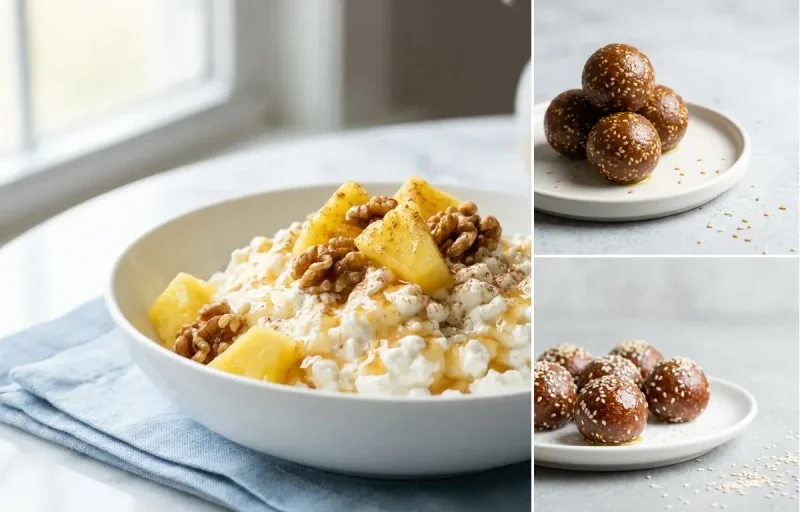
Cottage Cheese with Pineapple Walnuts and Hemp Pregnancy + supplement + iron

AMERICAN · 359 CAL
Apple with Peanut Butter with Glass of Milk + supplement + iron

MEDITERRANEAN · 738 CAL
Greek Yogurt with Berries Walnuts and Honey + supplement + iron
TAGGED
KEEP READING