Health & Nutrition · 9 MIN READ
Is Chapati Good for Weight Loss? The Truth
It’s the question every Indian household asks before a diet. The honest answer isn’t yes or no — it’s how, how much, and what’s on the plate beside it.
Loading...
It’s the question every Indian household asks before a diet. The honest answer isn’t yes or no — it’s how, how much, and what’s on the plate beside it.
It’s the question every Indian household asks before a diet. The honest answer isn’t yes or no — it’s how, how much, and what’s on the plate beside it..
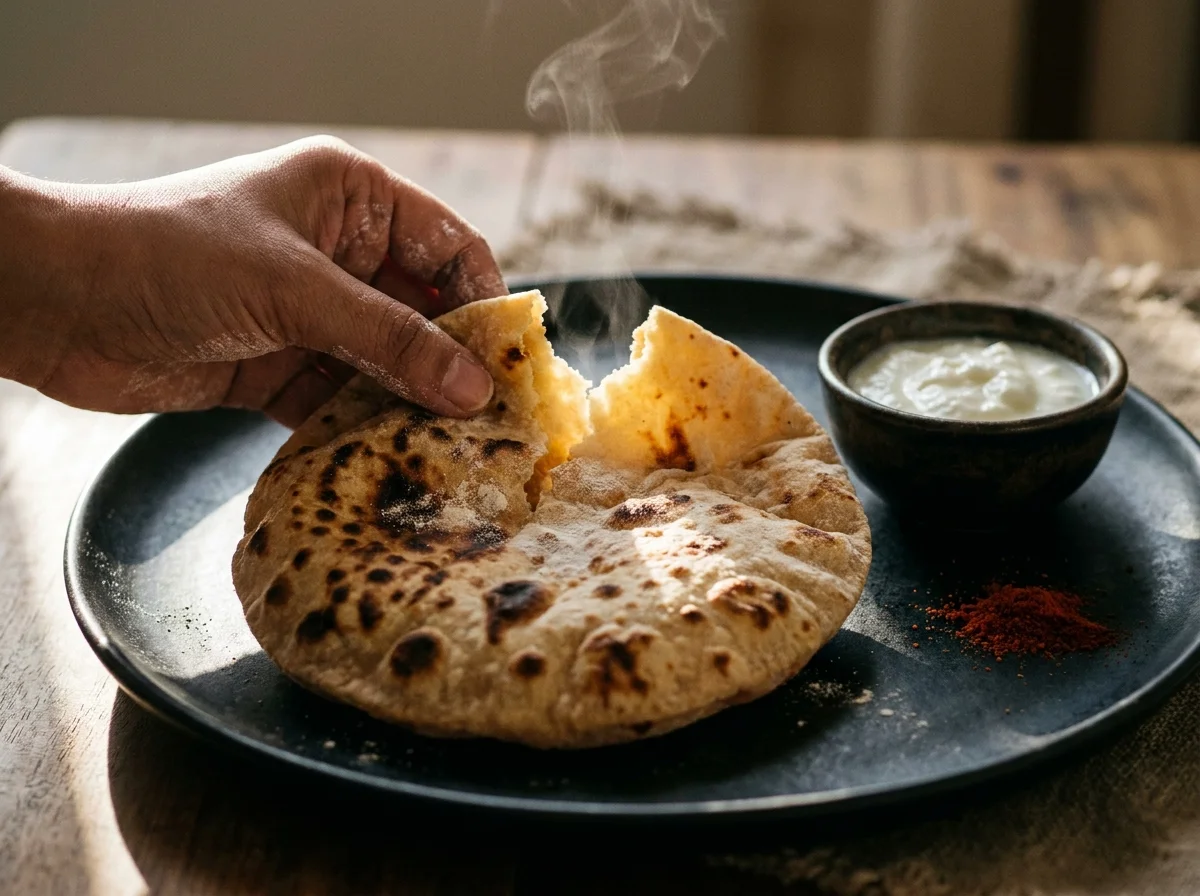
Yes — chapati can absolutely support weight loss. But that sentence comes with three asterisks: the flour you use, the portion you serve, and what you put next to it. A chapati eaten mindfully is one of the better grain choices on the planet. A stack of five slathered in ghee, chased with sugary chai, is not. Let’s settle this properly.
A single medium whole-wheat chapati (around 30g of dough, 6 inches wide) carries roughly 70–90 calories, 3g of protein, and 2–3g of fibre. It has a moderate glycaemic index, meaning it raises blood sugar more gently than white rice or white bread. For most adults trying to lose weight, 2–3 chapatis per meal — paired with vegetables and a protein — fits comfortably inside a calorie deficit.
Made from whole-wheat flour (atta), a chapati keeps the bran and germ of the grain — which is where most of the fibre, B vitamins, iron, and magnesium live. That fibre is the quiet hero of weight loss: it slows digestion, blunts blood-sugar spikes, and keeps you full for longer so you reach for fewer snacks at 4pm.
Whole-wheat chapati has a GI of about 45 [3][4] — squarely in the LOW band. That's the single most under-appreciated fact about chapati. People assume any flour-based food has a high GI; in reality, plain whole-wheat roti has a slower blood-sugar response than white rice, idli, parathas with oil, and most breads.
The reason is the bran and germ that survive in atta. They slow gastric emptying and give starch time to be absorbed gradually. The same flour bleached into maida (white refined flour) jumps to GI ~71 — closer to white bread than to a chapati. So when someone calls chapati 'a refined carb', they're confusing it with naan or maida roti. The whole-wheat version isn't.
Compare that to refined white flour (maida), which strips out the bran and germ entirely. A maida-based roti or naan digests faster, spikes blood sugar higher, and leaves you hungry sooner — the opposite of what you want when managing weight.
The headline: a chapati delivers more fibre per calorie than almost any other staple on an Indian table. That’s precisely the trait that supports a weight-loss diet.
There’s no universal number — it depends on your total daily calorie target, activity, and what else is on the plate. But here’s a practical, real-world guide most dietitians use as a starting point:
Small swaps turn an already-good chapati into a weight-loss ally. None of these cost much, and most improve the taste:
Picture your plate in quarters. This is the structure that makes chapati work for fat loss every single time — no counting required:
No single food makes you gain or lose weight. Patterns do. A whole-wheat chapati inside a vegetable-and-protein-forward plate is one of the most sustainable weight-loss patterns we have in South Asian kitchens.
— Priya Sharma, RD
Our meal planner builds Indian weight-loss plates around whole-wheat chapati, dal, and seasonal sabzi — with portions and macros already calculated.
Build my weekly plan →This guide is general information, not medical advice. If you have a health condition or take medication, consult your doctor or a registered dietitian before making big changes to your diet.
Eating well is rarely about willpower. It’s about having a short list of dinners you actually want to eat. Pick two from this list. Make them next week. The rest will follow.
If you want these on autopilot, our weekly meal planner can drop the picks above into your calendar with one click and build a single grocery list from the merged ingredients.

Sourabh writes about Indian cuisine, budget cooking, and the everyday nutrition questions that come up in Indian kitchens — chapati portions, dal protein, how to keep dishes balanced without losing the flavours families actually want. His pieces lean on credible sources (ICMR-NIN, peer-reviewed studies) and home-cook reality in equal measure.
Meet the editorial team →Built using verified nutrition databases, culinary research, and traditional cooking knowledge — every claim is cross-referenced against the sources listed in the article. Last reviewed Jun 2026.
Articles are curated using trusted food databases (USDA FoodData Central, IFCT), culinary literature, and dietary guidelines, then structured by our editorial team for clarity, accuracy, and usefulness.