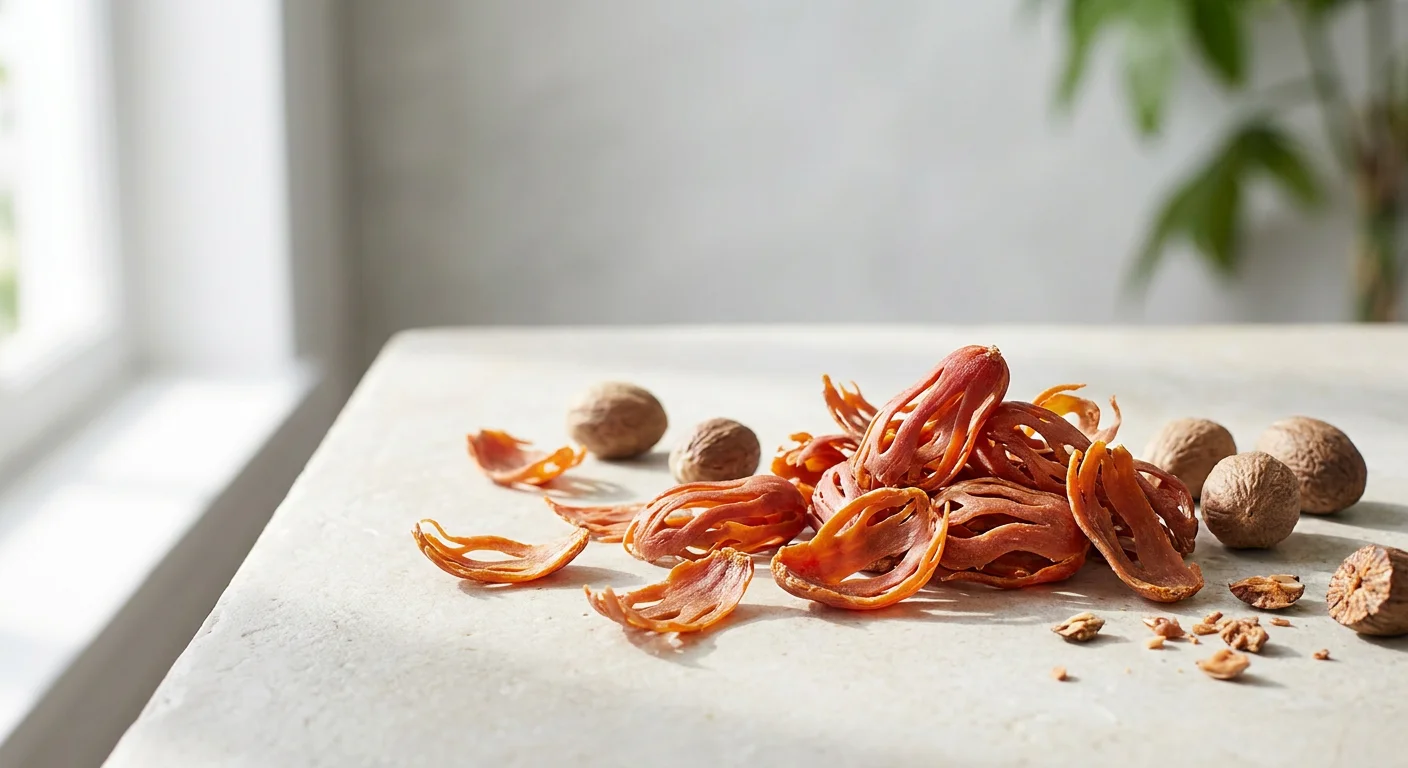
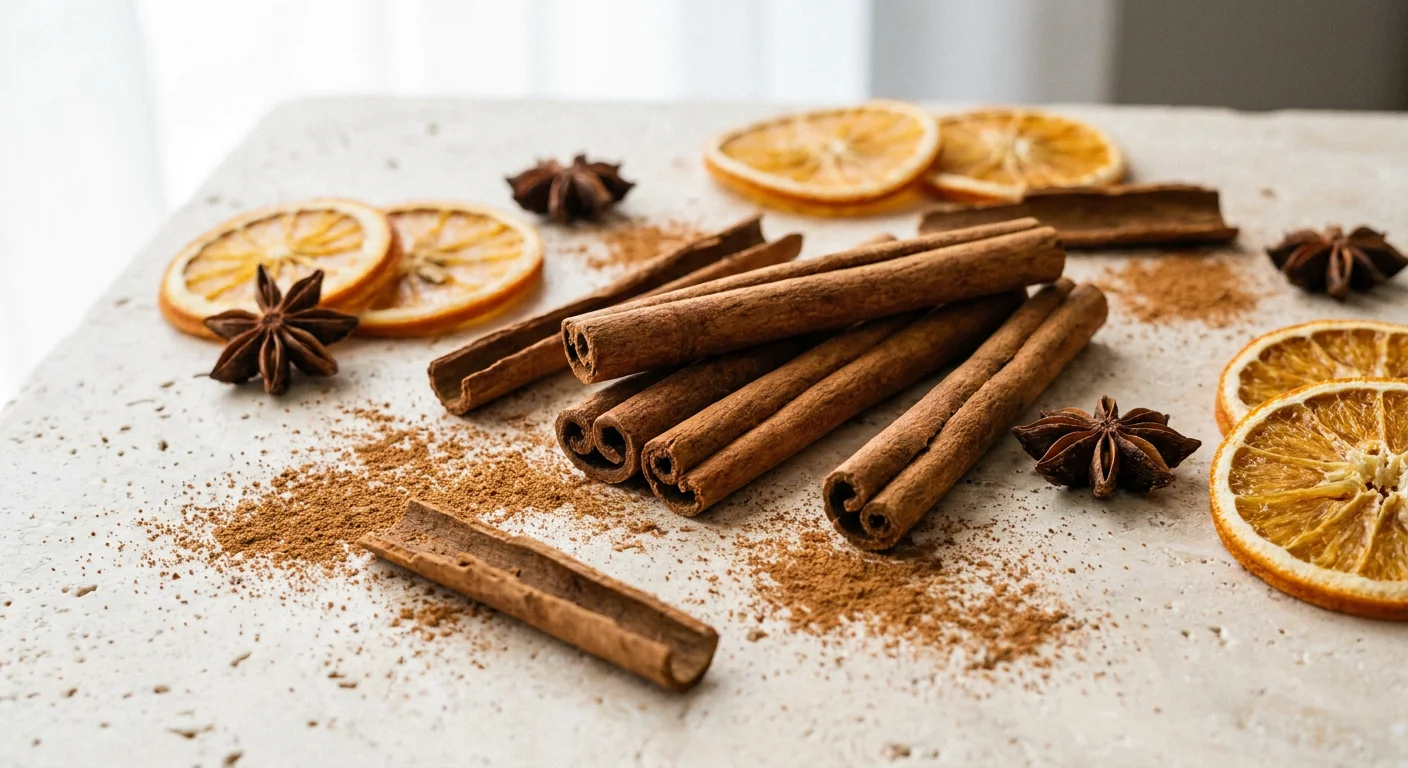
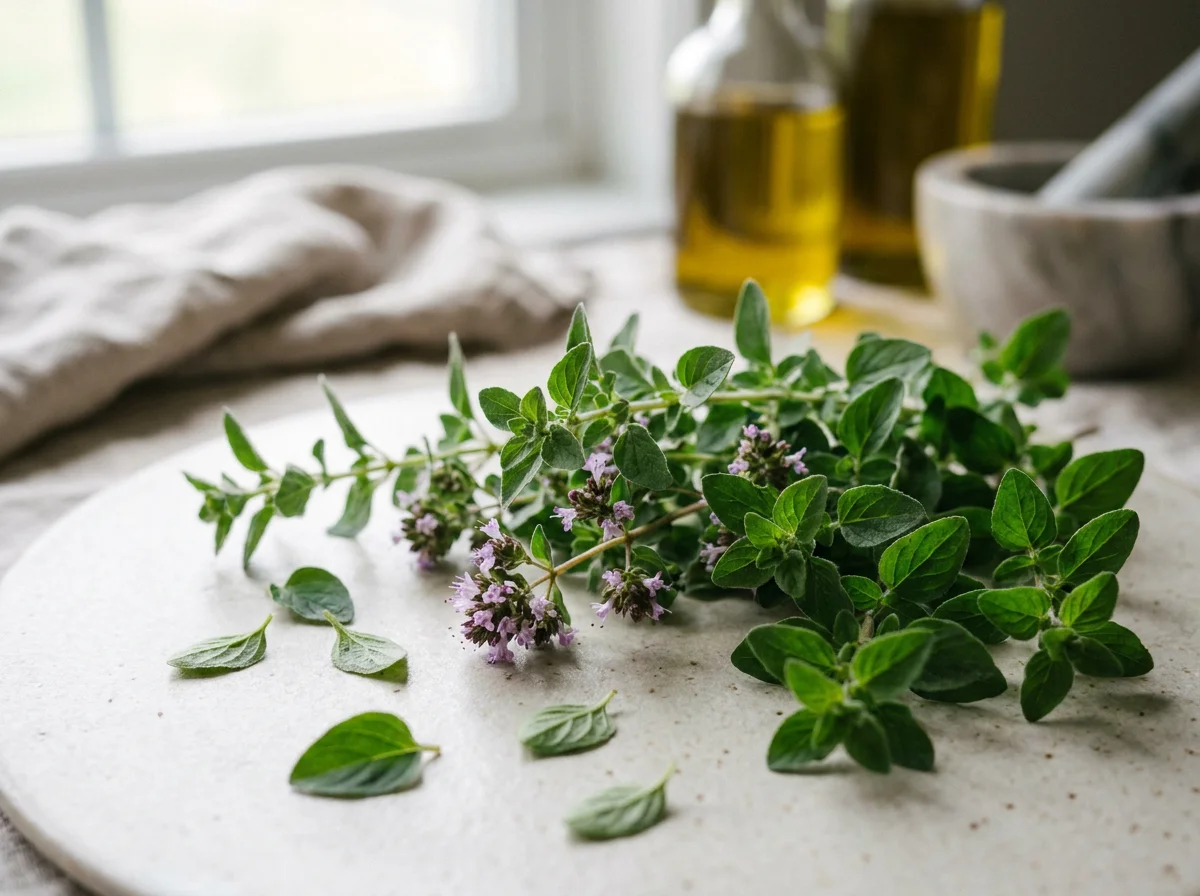
It's on every table, in every kitchen, yet we barely give it a second thought. Black pepper is the world's most popular spice, but we often treat it like edible dust. That's a mistake. The 'king of spices' isn't just a way to add a bit of heat; it's a source of a remarkable compound called piperine, which has potent antioxidant effects and, most famously, the ability to dramatically boost your absorption of other nutrients. It's time we stopped seeing pepper as salt's boring partner and started seeing it for the functional food it is.
↑ More than a condiment, black pepper is a functional spice.
The Overlooked King of Spices
Black pepper's story is incredible. It shaped trade routes, started wars, and was once worth more than gold. Today, it's so common we forget it has a biology and a chemistry that matter. The sharp, pungent bite of pepper comes from an alkaloid called piperine. This is where all the interesting health effects come from. Piperine is an antioxidant, an anti-inflammatory, and a bio-enhancer — a substance that helps your body absorb other compounds more effectively. So when you grind pepper over your meal, you're not just adding flavour; you're upgrading your food's nutritional potential.
IN ONE LINE
Black pepper is more than a seasoning; its active compound, piperine, is a potent antioxidant that boosts nutrient absorption and adds flavour without salt or calories.
Black pepper nutrition facts
Looking at the nutrition facts for 100 grams of black pepper is... interesting. It's a huge amount you'd never eat in a day, or probably even a month. But it shows that, gram for gram, pepper is surprisingly dense in fibre and minerals. The more useful measure is a teaspoon, which has just a handful of calories and adds up to a meaningful dose of micronutrients over time.
The Power of Piperine
Let's be honest, you don't eat pepper for the fibre. You eat it for the flavour, which comes from piperine. But this compound does more than taste good. Its most famous trick is boosting the bioavailability of curcumin, the active component in turmeric, by up to 2,000%. It literally helps the curcumin pass from your gut into your bloodstream instead of being quickly metabolized.
But piperine isn't just a sidekick. On its own, it's a powerful antioxidant that helps neutralize unstable molecules called free radicals. Chronic inflammation is linked to nearly every major health condition, and studies show piperine has potent anti-inflammatory effects. It's also been studied for its potential role in brain health and improving blood sugar control.
The famous pairing: Piperine in black pepper can increase the absorption of curcumin from turmeric by up to 2000%, turning two good spices into a great one.
Black Pepper's Glycemic Index
This is a short section. Black pepper's glycemic index (GI) isn't measured, because it would be pointless. The GI scale tells us how quickly a carbohydrate-containing food raises blood sugar. Since you only use a tiny sprinkle of pepper, and it's very low in digestible carbs, its effect on your blood sugar is effectively zero. It's one of the safest, most reliable flavourings for anyone managing their blood sugar, from pre-diabetes to type 2 diabetes.
GLYCEMIC INDEX · CONTEXT
Black Pepper's Glycemic Impact is Negligible
Cherries
whole fruit
LOW
Apple
whole fruit
LOW
Pineapple
whole fruit
MEDIUM
White bread
refined
HIGH
Cornflakes
refined
HIGH
SCALE 0–90
04590
How to Get the Most From It
Using pepper well is simple, but a few small habits can make a big difference to both flavour and health benefits.
01
Grind it fresh.
Pre-ground pepper loses its aromatic oils and piperine content to oxidation. Grinding whole peppercorns right before you eat preserves the flavour and the good stuff.
02
Pair it with turmeric.
This is the most famous nutritional one-two punch. If you're eating turmeric, add a crack of black pepper to ensure you're absorbing the curcumin.
03
Add it at the end of cooking.
While it's fine to add pepper during cooking, some of the delicate aromatic compounds and a bit of the piperine can be lost to high heat. A final twist before serving gives the biggest flavour hit.
04
Use it as a salt substitute.
Pepper provides a pungent, complex flavour that can help you cut back on sodium without your food tasting bland. It's a heart-health win.
What black pepper is good for
01
Boosting Nutrient Absorption
Piperine enhances the bioavailability of many nutrients, most notably curcumin, but also beta-carotene and other beneficial compounds.
2000%
curcumin boost
02
Potent Antioxidant Action
Piperine helps protect your cells from damage caused by free radicals, which is linked to aging and chronic disease.
High
antioxidant
03
Natural Anti-inflammatory
In lab and animal studies, piperine has been shown to be a powerful anti-inflammatory, helping to quiet the pathways that lead to chronic inflammation.
Active
compound
04
Aids Digestion
Pepper stimulates the taste buds, which in turn signals the stomach to increase hydrochloric acid secretion, improving the digestion of food.
Enzyme
support
What to pair black pepper with
Pepper is the universal spice for a reason — it goes with almost everything. But some pairings are especially powerful, either for taste or nutrition.
Eat freely — or be mindful?
Three ways to use it well
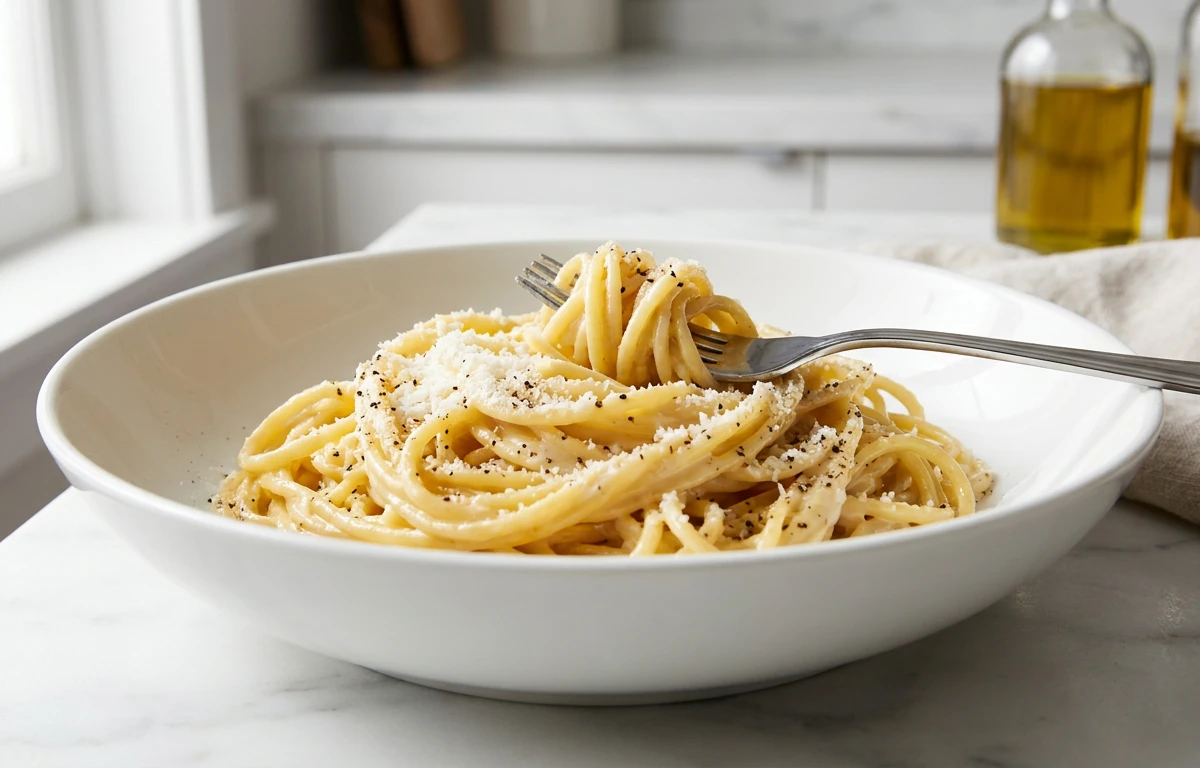
Move beyond just shaking it on at the end. Here are three recipes where black pepper gets to be the star.

Want flavourful meals worked into a balanced week — without the planning?
Our meal planner uses spices like black pepper to create delicious, healthy food, with portions and macros already calculated and a single grocery list at the end.
Build my weekly plan →SOURCES & REFERENCES · 3
One more thing
Eating well is rarely about willpower. It’s about having a short list of dinners you actually want to eat. Pick two from this list. Make them next week. The rest will follow.
If you want these on autopilot, our weekly meal planner can drop the picks above into your calendar with one click and build a single grocery list from the merged ingredients.
FREQUENTLY ASKED QUESTIONS
Frequently asked questions
Does black pepper really help you absorb turmeric?
Yes, absolutely. This is one of the most well-documented synergies in nutrition. The piperine in black pepper can increase the absorption of curcumin (the active compound in turmeric) by up to 2,000%. It effectively 'escorts' the curcumin through the gut wall into the bloodstream.
Is fresh ground pepper better than pre-ground?
Yes, by a long shot. Whole peppercorns protect the aromatic oils and piperine inside. Once ground, these compounds are exposed to air and light, and they begin to degrade. Freshly ground pepper has a much more complex flavour and higher potency of its beneficial compounds.
Can you have too much black pepper?
In normal culinary amounts, it's extremely safe. You would have to consume vast quantities to run into problems. Extremely high doses (far more than you'd ever use in cooking) could potentially cause digestive irritation or interact with certain medications. For everyday use, there's no need to worry.
Is white pepper the same as black pepper?
They come from the same plant, but are processed differently. Black peppercorns are cooked and dried unripe berries. For white pepper, the berries are allowed to fully ripen, and the outer black shell is soaked and rubbed off, leaving only the inner seed. White pepper has a different, more earthy heat and less of the aromatic complexity of black pepper.

ABOUT THE AUTHOR
Shreya Chatterjee
NUTRITION WRITER
Shreya is a nutrition writer and the voice behind The Nutrition Pen, where she turns evidence-based nutrition into simple, repeatable eating habits. Her writing focuses on practical food guidance — what to actually put on the plate — for readers who want to eat well without the noise.
Meet the editorial team →METHODOLOGY
How this article was created
Built using verified nutrition databases, culinary research, and traditional cooking knowledge — every claim is cross-referenced against the sources listed in the article.
· USDA data· Culinary research· Quality reviewed
Read our methodology →TRANSPARENCY
About this content
Articles are curated using trusted food databases (USDA FoodData Central, IFCT), culinary literature, and dietary guidelines, then structured by our editorial team for clarity, accuracy, and usefulness.
· Verified data sources· Culinary research· Quality reviewed
Read our editorial policy →RELATED RECIPES
Cook from this article
EXPLORE OUR MEALS
Meals that fit this article

AMERICAN · 1677 CAL
Almonds with Sliced Apple + supplement + iron

MEDITERRANEAN · 809 CAL
Greek Yogurt with Berries Almonds and Granola + supplement + iron

GENERAL_HEALTHY · 705 CAL
Banana with Peanut Butter Pregnancy + supplement + iron

MODERN · 982 CAL
Hummus with Crudits and Pita with Fresh Orange Snack + supplement + iron
TAGGED
KEEP READING