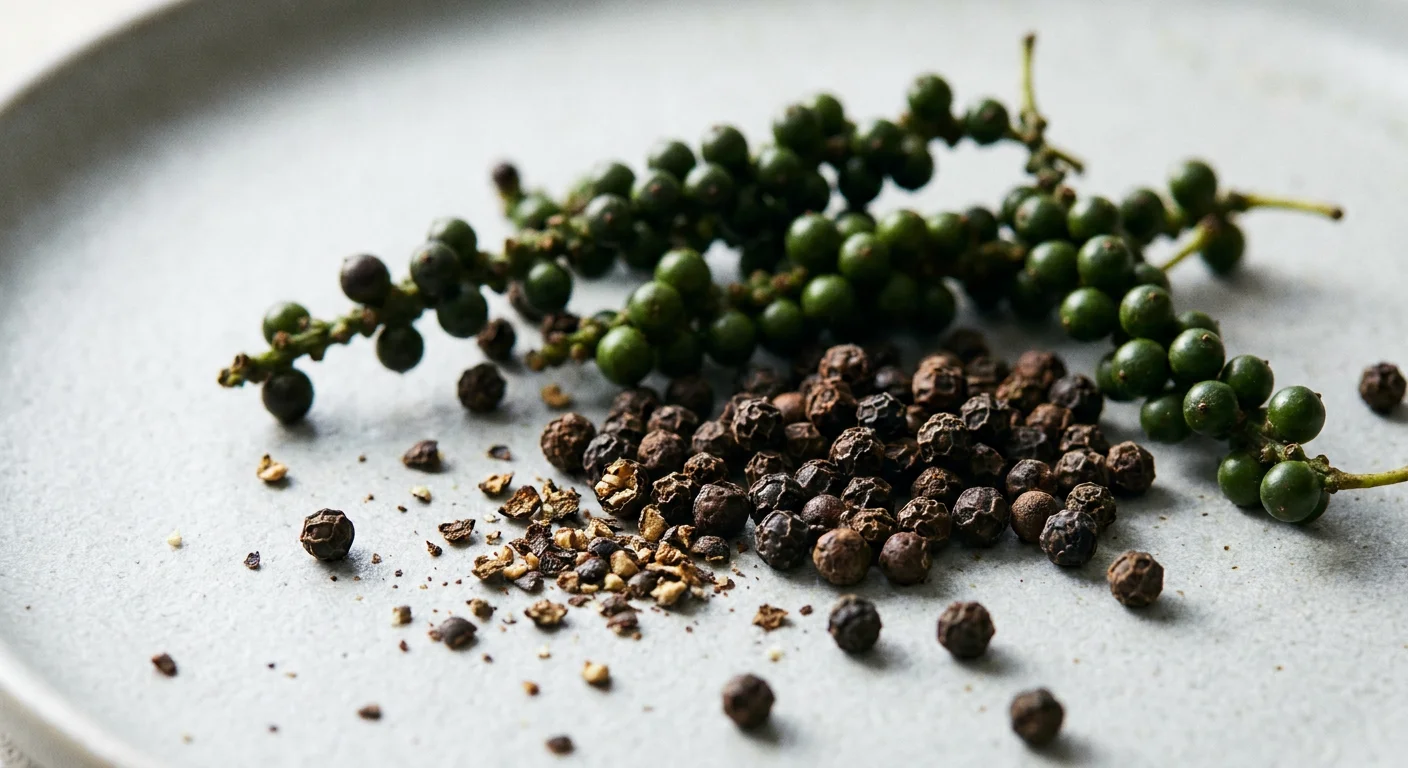
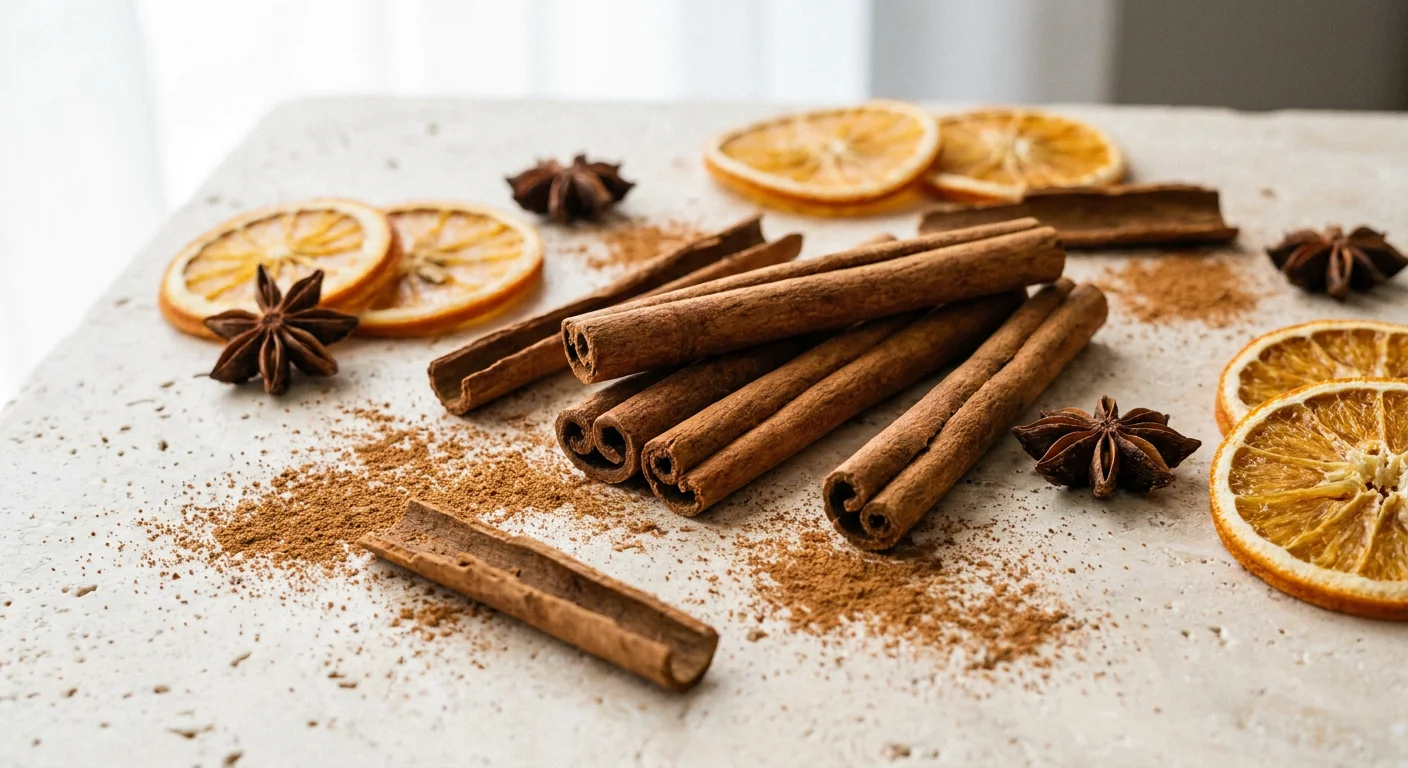
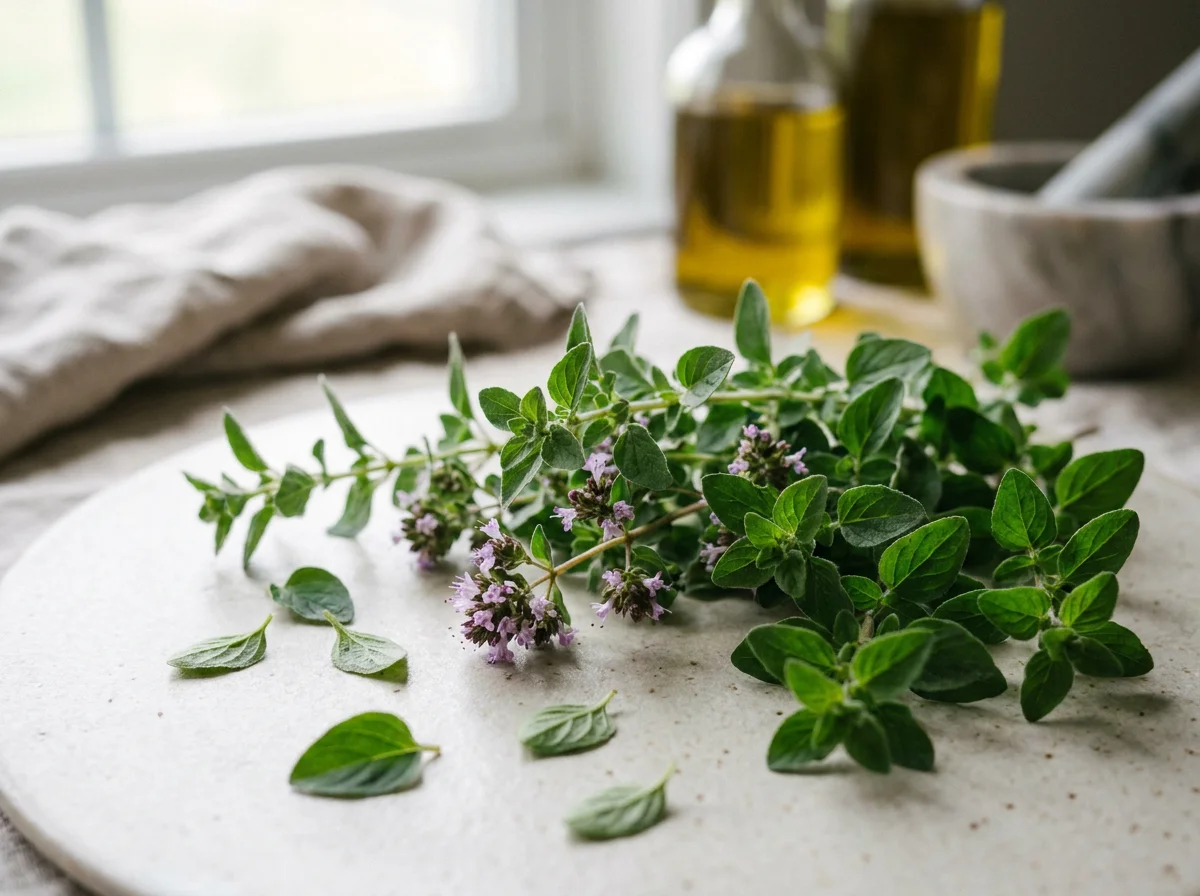
Ever cracked open a whole nutmeg? You might have missed the best part. Wrapped around that hard, woody seed is a delicate, coral-red lattice that looks like something from the sea. That's mace. It's nutmeg's more refined, warmer, and slightly peppery sibling, and it's one of the most underrated spices in the rack. While its nutrition facts per 100 grams look wild, the real magic of mace is in the tiny pinch that transforms a dish from simple to spectacular without adding a grain of sugar or salt.
↑ Mace isn't ground nutmeg; it's the lacy covering (aril) that surrounds the nutmeg seed.
The Spice Hiding in Plain Sight
Mace and nutmeg grow as two distinct spices on one tree. Nutmeg is the seed; mace is the lacy membrane, called an aril, that wraps around it. When fresh, it's a brilliant crimson, fading to a warm orange-tan as it dries. Its flavor is similar to nutmeg but noticeably more delicate, with warm, peppery, and almost floral notes. Think of it as nutmeg's brighter, more aromatic cousin.
The real story of mace isn't about eating it by the spoonful. It's about using a tiny amount to add incredible depth and complexity to both sweet and savory dishes, from custards and cakes to sausages and creamy vegetable gratins.
Mace is the perfect tool for making food taste rich and satisfying without relying on salt, sugar, or fat. A tiny pinch is all you need.
Mace nutrition facts
Looking at the nutrition for 100 grams of mace is interesting, but not very practical — that's more than an entire jar! It shows that spices are concentrated nutritionally, but we use them in such small amounts. A more realistic serving is about half a teaspoon, which is around 1 gram. The table below is for 100g, but the 'at a glance' numbers are for a more typical 1 tsp serving.
The big numbers for fat and fiber per 100g are impressive, and they point to the fact that whole spices are complex plant materials. But in the kitchen, mace's contribution to your daily macros is tiny. Its real contribution is flavor and the antioxidant compounds that come with it.
Mace's Glycemic Index
There's no official glycemic index (GI) rating for mace, and for good reason: it's irrelevant. Glycemic index measures how much a 50-gram portion of available carbohydrate from a food raises your blood sugar. You would need to eat over 150 grams of mace — almost two full jars — to get that much carbohydrate.
In the real world, a generous pinch of mace has almost no carbohydrate and therefore no meaningful effect on your blood sugar. It's a 'free' food from a glycemic perspective, which makes it a fantastic tool for flavoring meals on any diet.
GLYCEMIC INDEX · CONTEXT IS EVERYTHING
Mace's Glycemic Impact is Minimal
Cherries
whole fruit
LOW
Apple
whole fruit
LOW
Pineapple
whole fruit
MEDIUM
White bread
refined
HIGH
Cornflakes
refined
HIGH
SCALE 0–90
04590
How to Use Mace
Mace is more common in European, Caribbean, and Indian cooking than in a standard American kitchen, but it's incredibly versatile. Here's how to get started.
01
Start with a pinch.
Mace is potent. A little goes a long way. For a family-sized dish, start with 1/8 to 1/4 of a teaspoon of ground mace.
02
Buy blades if you can.
Like nutmeg, mace is best when freshly ground. The whole 'blades' keep their flavor for years. A quick grind in a spice grinder or mortar and pestle releases their full aroma.
03
Think beyond baking.
While it's lovely in cakes and custards, mace shines in savory dishes. Try it in cream sauces, soups, potato gratins, or with poultry and fish.
04
Bloom it in fat.
To get the most out of its flavor, gently heat the mace in a little butter or oil for 30 seconds before adding other ingredients. This awakens the aromatic compounds.
What Mace is Good For
01
Maximum Flavor, Minimum Sodium
Mace provides a huge hit of warm, complex flavor, allowing you to create satisfying dishes while reducing your reliance on salt.
0
sodium
02
A Source of Antioxidants
Like many intensely colored spices, mace is rich in plant compounds (phenols and flavonoids) that act as antioxidants in the body.
Rich
antioxidants
03
Traditional Digestive Aid
In many traditional medicine systems, mace and nutmeg have been used for centuries to soothe digestive complaints. While not a cure, it speaks to its gentle nature.
Aids
digestion
What to Pair Mace With
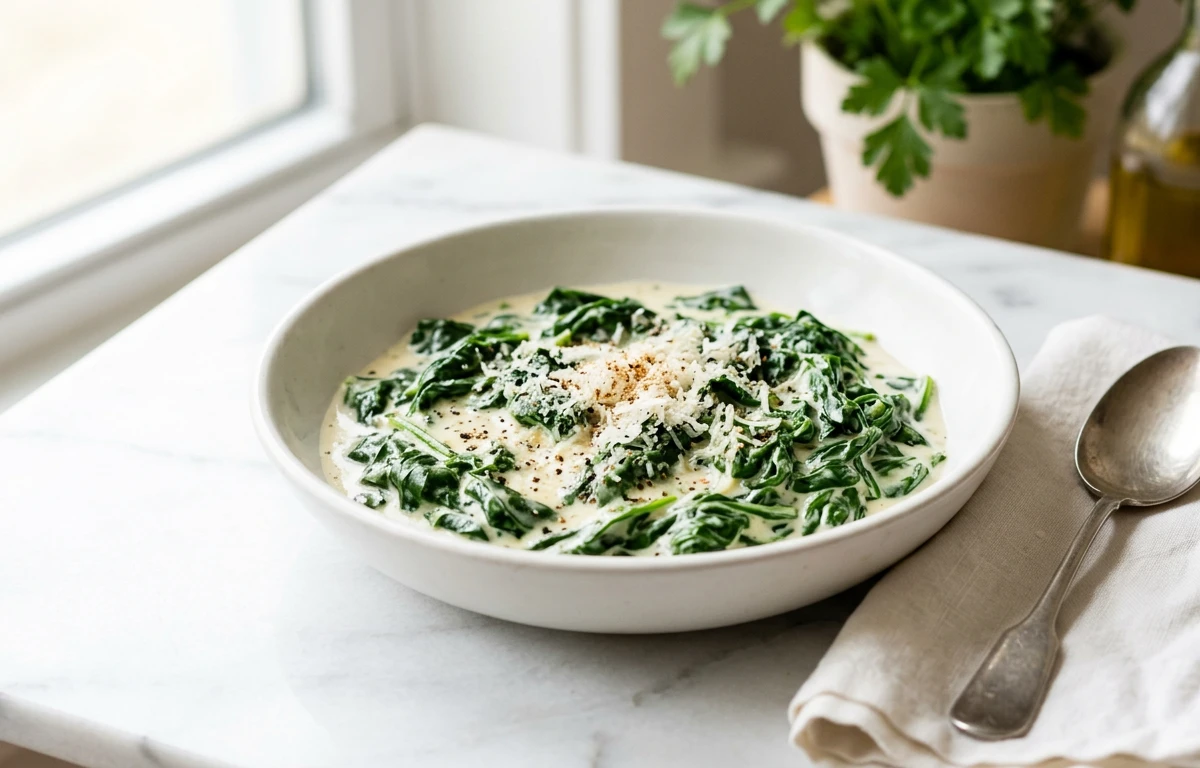
Mace's unique profile bridges the gap between sweet and savory. It has a special affinity for creamy textures and rich flavors.
Is Mace Right For You?
Three Ways to Use It
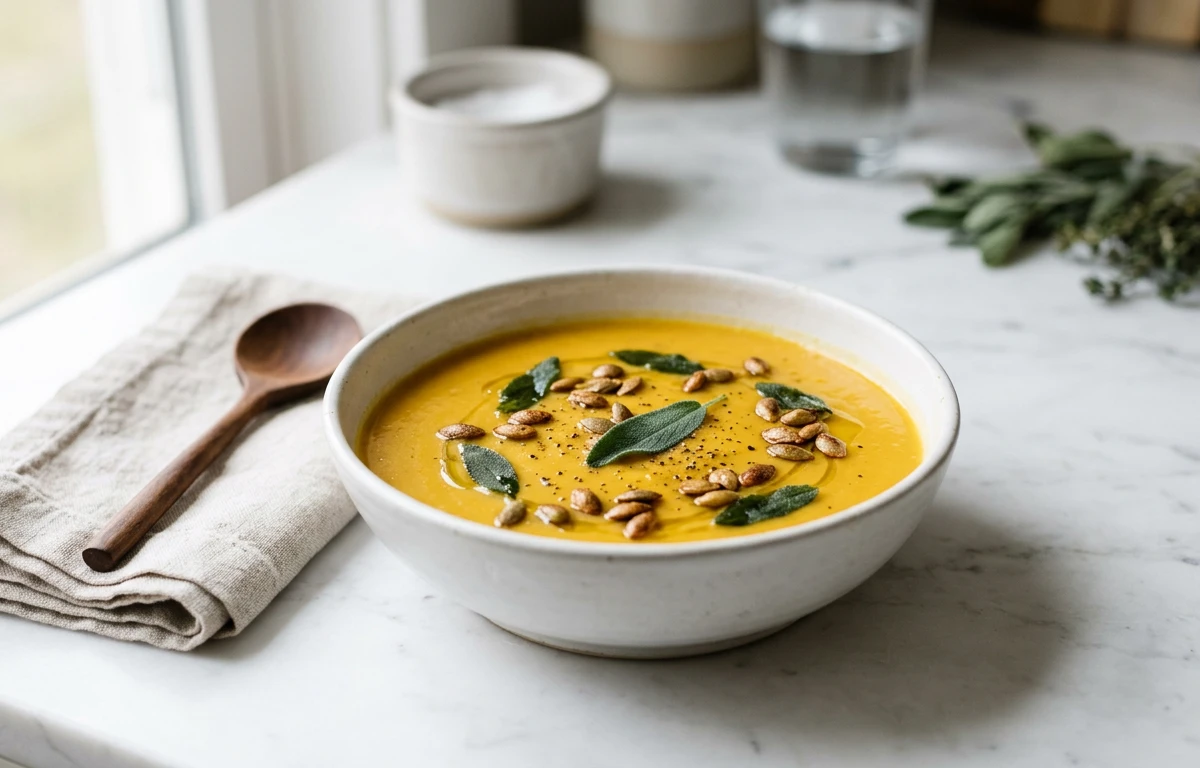
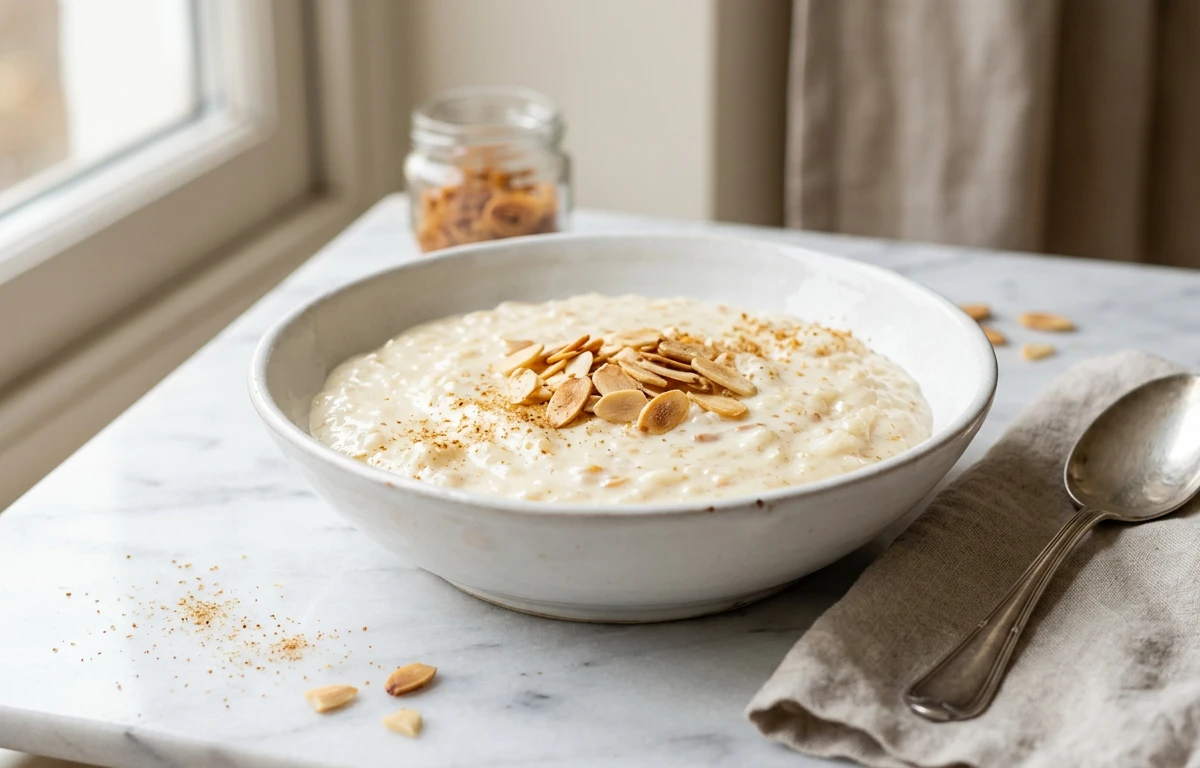
Ready to move mace to the front of your spice rack? Here are three simple recipes where its unique flavor can really shine.
Want to make healthy eating more flavorful?
Our meal planner focuses on using spices and herbs like mace to create delicious, satisfying meals that are naturally low in sodium and added sugar. Get a plan that makes healthy food exciting.
Build my weekly plan →SOURCES & REFERENCES · 3
One more thing
Eating well is rarely about willpower. It’s about having a short list of dinners you actually want to eat. Pick two from this list. Make them next week. The rest will follow.
If you want these on autopilot, our weekly meal planner can drop the picks above into your calendar with one click and build a single grocery list from the merged ingredients.
FREQUENTLY ASKED QUESTIONS
Frequently asked questions
What is the difference between mace and nutmeg?
They come from the same fruit. Nutmeg is the inner seed, while mace is the lacy, red covering (aril) that surrounds the seed. Mace has a similar flavor profile but is generally considered more delicate, warmer, and slightly peppery compared to the sweeter, more pungent nutmeg.
Can I substitute nutmeg for mace?
Yes, you can, but they aren't identical. If a recipe calls for mace, you can use nutmeg, but use about 25% less as nutmeg's flavor is stronger. If a recipe calls for nutmeg, you can use an equal amount of mace for a more delicate result.
Is mace good for you?
In the small amounts used in cooking, mace's primary benefit is adding flavor without salt, sugar, or calories. While it is rich in antioxidants and minerals per 100g, a typical serving is too small to contribute significantly to your daily nutrient needs. Its health benefit comes from making healthy food taste delicious.
How should I store mace?
Store mace, both blades and ground, in a tightly sealed container in a cool, dark place away from sunlight. Whole blades will keep their flavor for several years, while ground mace is best used within six months to a year.
METHODOLOGY
How this article was created
Built using verified nutrition databases, culinary research, and traditional cooking knowledge — every claim is cross-referenced against the sources listed in the article.
· USDA data· Culinary research· Quality reviewed
Read our methodology →TRANSPARENCY
About this content
Articles are curated using trusted food databases (USDA FoodData Central, IFCT), culinary literature, and dietary guidelines, then structured by our editorial team for clarity, accuracy, and usefulness.
· Verified data sources· Culinary research· Quality reviewed
Read our editorial policy →EXPLORE OUR MEALS
Meals that fit this article

AMERICAN · 1677 CAL
Almonds with Sliced Apple + supplement + iron

MEDITERRANEAN · 809 CAL
Greek Yogurt with Berries Almonds and Granola + supplement + iron

GENERAL_HEALTHY · 705 CAL
Banana with Peanut Butter Pregnancy + supplement + iron

MODERN · 982 CAL
Hummus with Crudits and Pita with Fresh Orange Snack + supplement + iron
TAGGED
KEEP READING