That warm, dusty-sweet scent of cinnamon is more than just cozy. It’s a signal from one of the world's most interesting spices. We think of it as a flavor, but nutritionally, cinnamon is a bit of a stealth operator. The official nutrition facts are for 100 grams, which is a frankly ridiculous amount—you'd never eat that much. But even in the teaspoon you sprinkle on your oatmeal, you're getting a surprising hit of fiber and a unique set of compounds that can actually help your body manage blood sugar. It's not magic, but it's pretty remarkable for something that just tastes good.
↑ Cinnamon is more than a flavor — it's a functional food with real benefits.
The world's coziest health food
Cinnamon feels like a treat. It's the scent of bakeries, the warmth in a winter drink. But behind that comforting aroma is a serious nutritional profile. Per gram, it's one of the most fiber-rich things you can eat. It's also loaded with polyphenol antioxidants, the same kind of beneficial compounds found in berries and green tea.
The key is the dose. Nobody eats cinnamon by the cup. A teaspoon here and there is all you need to get the flavor and the benefits without overdoing it. It's a spice that punches well above its weight.
A teaspoon of cinnamon is a fiber-rich, zero-sugar flavor hit that can actually help manage your blood sugar. Think of it as a tool, not just a topping.
Cinnamon nutrition facts
The official data for cinnamon is based on a 100-gram serving. This is useful for comparison, but it's not a real-world portion. For context, a standard jar holds about 40 grams, and a single teaspoon is only 2.6 grams. I've included the more realistic teaspoon values in the 'At a Glance' panel.
The number that leaps out is the fiber: 53.1 grams. That's more fiber than pretty much any vegetable or fruit, gram for gram. Even in a small teaspoon serving, you get 1.4 grams of fiber, which is more than you'd find in a slice of wholewheat bread. It's mostly insoluble fiber, which is great for digestive regularity.
Cinnamon's glycemic index
Glycemic index (GI) measures how fast a food raises blood sugar. Cinnamon's GI is so low it's considered negligible. It doesn't raise your blood sugar at all. In fact, it does the opposite. Numerous studies have shown that adding cinnamon to a meal, especially a carb-heavy one, can help blunt the resulting blood sugar spike. It seems to slow down stomach emptying and improve how efficiently your cells take up glucose from the blood. It's one of the few ingredients that can actively lower the GI of the foods you eat it with.
GLYCEMIC INDEX · CINNAMON vs COMMON FOODS
Cinnamon's effect on blood sugar
Cinnamon
spice
LOW
Cherries
whole fruit
LOW
Apple
whole fruit
LOW
Pineapple
whole fruit
MEDIUM
White Bread
refined
HIGH
SCALE 0–90
04590
The smart way to use it
Getting the benefits of cinnamon is easy. It's all about small, consistent habits.
01
Aim for a teaspoon a day.
Studies showing benefits often use doses from 1 to 6 grams per day. A teaspoon (~2.6g) is a great, safe starting point for most people.
02
Pair it with carbs.
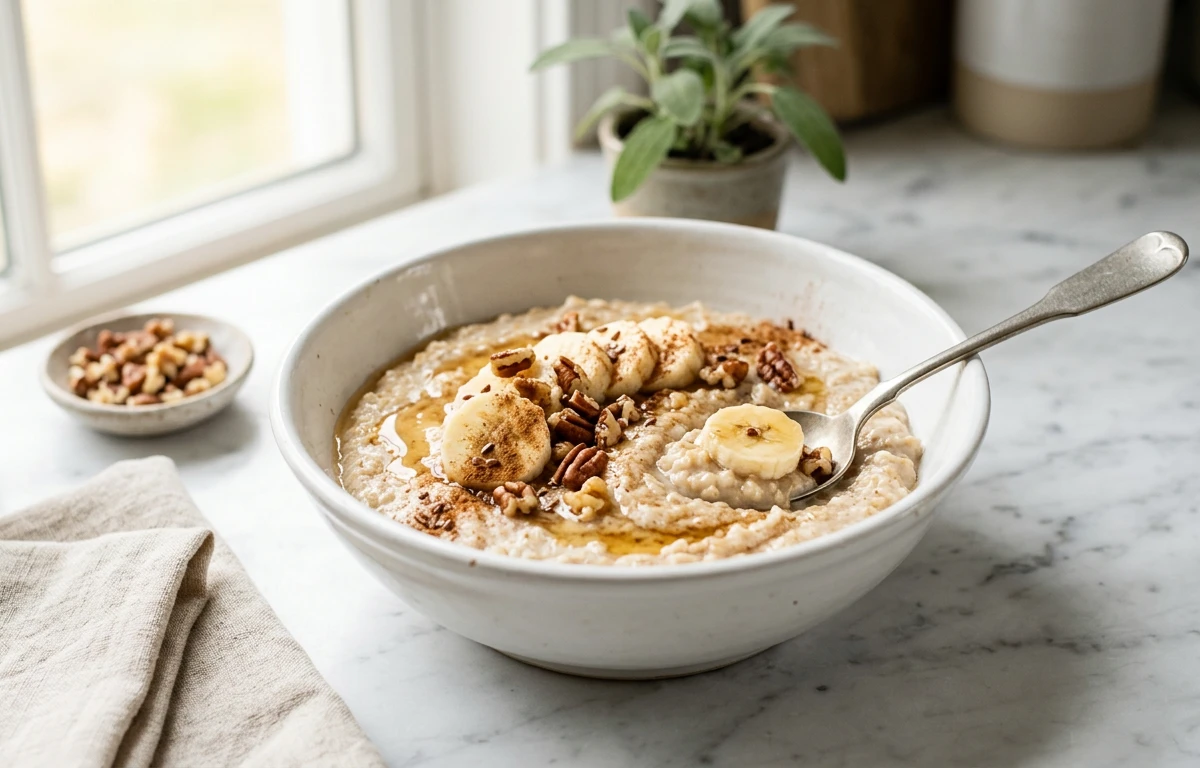
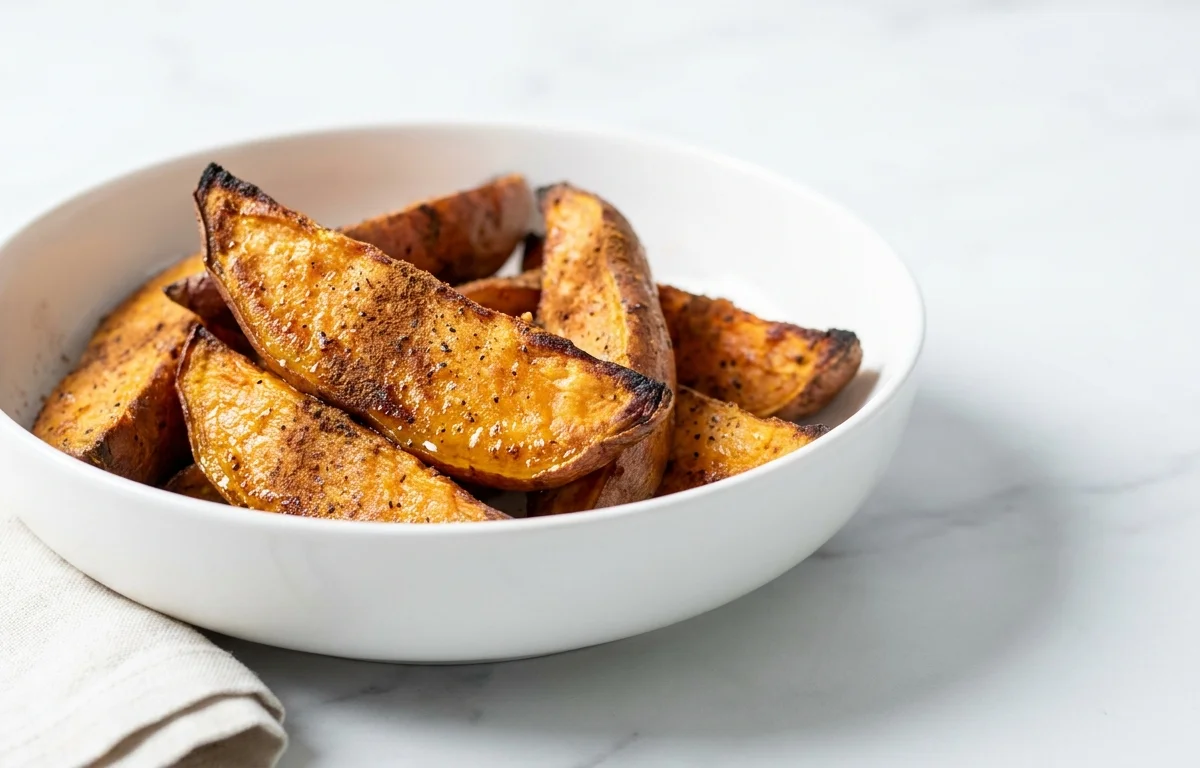
Sprinkle it on oatmeal, sweet potatoes, or fruit. This is where its blood-sugar-blunting effects really shine.
03
Stir it into drinks.
A dash in your morning coffee or tea is an effortless way to get it in. It adds flavor without sugar or calories.
04
Know your type (briefly).
Most supermarket cinnamon is Cassia, which is great but contains coumarin. If you use a lot, consider seeking out Ceylon ('true') cinnamon, which has much less.
05
Don't do the 'cinnamon challenge'.
Inhaling a spoonful of dry cinnamon is incredibly dangerous and can cause choking and lung damage. Just don't.
What cinnamon is good for
01
Blood sugar support
Cinnamon can improve insulin sensitivity and slow sugar absorption, helping to keep blood glucose levels more stable after meals.
GI ≈ 0
negligible
02
A surprising fiber source
At over 50% fiber by weight, even a single teaspoon provides a meaningful 1.4g dose, which contributes to gut health and fullness.
1.4 g
fiber/tsp
03
Packed with antioxidants
It's loaded with powerful polyphenol antioxidants, especially cinnamaldehyde, which fight oxidative stress and inflammation in the body.
High
antioxidants
04
Heart health markers
Some research suggests regular intake may help reduce levels of total cholesterol, 'bad' LDL cholesterol, and triglycerides.
Cholesterol
support
What to pair cinnamon with
Cinnamon's warmth complements both sweet and savory foods, especially those with carbohydrates it can help to buffer.
Use freely — or be mindful?
Three ways to use it
Three simple ways to make cinnamon a regular part of your routine.

Want functional foods like cinnamon worked into a balanced week?
Our meal planner uses ingredients strategically to manage energy and boost nutrition, with portions and macros already calculated and a single grocery list at the end.
Build my weekly plan →SOURCES & REFERENCES · 3
One more thing
Eating well is rarely about willpower. It’s about having a short list of dinners you actually want to eat. Pick two from this list. Make them next week. The rest will follow.
If you want these on autopilot, our weekly meal planner can drop the picks above into your calendar with one click and build a single grocery list from the merged ingredients.
FREQUENTLY ASKED QUESTIONS
Frequently asked questions
How much cinnamon is safe to eat per day?
For most people, 1-2 teaspoons (around 2-5 grams) of common Cassia cinnamon per day is considered safe and effective. If you use more, or have liver concerns, you might consider switching to Ceylon cinnamon, which is much lower in a compound called coumarin.
What's the difference between Cassia and Ceylon cinnamon?
Cassia is the common, less expensive cinnamon you find in most supermarkets. It's bold and spicy. Ceylon ('true') cinnamon is more expensive, with a milder, more complex flavor. The main health difference is that Cassia contains significant coumarin, while Ceylon has negligible amounts.
Can cinnamon replace my diabetes medication?
Absolutely not. Cinnamon can be a helpful dietary addition to support blood sugar management, but it is not a treatment or replacement for prescribed medication. Always talk to your doctor before making any changes to your diabetes management plan.
Does cinnamon help you lose weight?
Indirectly, it might help. By adding flavor for virtually no calories, it can make healthy foods more appealing. Its effect on blood sugar regulation can also help manage cravings and energy slumps that might otherwise lead to snacking. But it's not a magic weight-loss pill.
METHODOLOGY
How this article was created
Built using verified nutrition databases, culinary research, and traditional cooking knowledge — every claim is cross-referenced against the sources listed in the article.
· USDA data· Culinary research· Quality reviewed
Read our methodology →TRANSPARENCY
About this content
Articles are curated using trusted food databases (USDA FoodData Central, IFCT), culinary literature, and dietary guidelines, then structured by our editorial team for clarity, accuracy, and usefulness.
· Verified data sources· Culinary research· Quality reviewed
Read our editorial policy →RELATED RECIPES
Cook from this article
EXPLORE OUR MEALS
Meals that fit this article

AMERICAN · 1677 CAL
Almonds with Sliced Apple + supplement + iron

MEDITERRANEAN · 809 CAL
Greek Yogurt with Berries Almonds and Granola + supplement + iron

GENERAL_HEALTHY · 705 CAL
Banana with Peanut Butter Pregnancy + supplement + iron

MODERN · 982 CAL
Hummus with Crudits and Pita with Fresh Orange Snack + supplement + iron
TAGGED
KEEP READING