Let's clear one thing up: a chestnut isn't a nut. Not in the way an almond or a walnut is, anyway. Botanically it's a fruit, and nutritionally, it behaves more like a whole grain or a starchy potato. It's surprisingly low in fat and protein, but loaded with complex carbohydrates and, most impressively, an enormous amount of dietary fiber. Forget thinking of them as a holiday-only treat. Dried chestnuts are a serious, year-round source of gut-friendly fiber, if you know how to use them.
↑ Dried chestnuts are more concentrated in carbs and calories than fresh ones.
WHAT THIS ARTICLE COVERS
The fruit that acts like a grain
Most things we call 'nuts' are fatty — think almonds, pecans, macadamias. They're high in fats and protein, and low in carbs. Chestnuts flip that script completely. They are the odd one out, with a profile that looks much more like brown rice or sweet potato.
The main event here is carbohydrate, but it's the complex, starchy kind, and it arrives with a truly staggering amount of fiber. This makes them a fantastic, gluten-free source of slow-release energy, and a champion for gut health.
Dried chestnuts are a low-fat, high-fiber food that's more like a starchy whole grain than a nut. Eat them for their fiber, not as a low-carb snack.
Dried chestnut nutrition facts
Here's the nutritional breakdown for a 100-gram (about 3.5 ounce) serving of dried, unpeeled European chestnuts. Keep in mind this is a large portion; a snack-sized handful would be closer to 30 grams.
That fiber number is the real headline. At 14.9 grams, a 100g serving of dried chestnuts delivers more than half of your recommended daily fiber intake. That's more than you'll find in almost any other fruit, nut, or grain. The fat content, at just under 4 grams, is also remarkably low.
Are dried chestnuts too high in carbs?
With nearly 80 grams of carbohydrate per 100g serving, there's no denying that chestnuts are a high-carb food. This makes them a definite 'no' for ketogenic diets. But for most people, the type of carbohydrate matters more than the amount. The carbs in chestnuts are complex and bundled with so much fiber that they're digested slowly, providing steady energy rather than a sharp spike. They're fuel, not filler.
Because they're dried, chestnuts are calorie- and carb-dense. A 100g serving is a lot — think of a small handful (around 30g) as a more typical snack portion.
Chestnut's glycemic index
Glycemic index (GI) ranks how fast a food raises blood sugar. While there isn't a widely published, official GI value for dried European chestnuts, we can make an educated estimate. Their high carbohydrate content would normally suggest a higher GI, but the massive amount of fiber works hard to slow down sugar absorption. The likely result is a moderate GI — gentler than refined grains, but more impactful than low-sugar fruits.
GLYCEMIC INDEX · CHESTNUT vs COMMON FOODS
Chestnuts likely have a moderate GI
Cherries
whole fruit
LOW
Apple
whole fruit
LOW
Dried Chestnut
est. medium
MEDIUM
White bread
refined
HIGH
Cornflakes
refined
HIGH
SCALE 0–90
04590
The smart way to eat them
Dried chestnuts are incredibly versatile, but a little mindfulness goes a long way.
01
Start with a small portion.
A 30g serving (a small handful) is a good place to start. It provides around 110 calories and a fantastic 4.5g of fiber.
02
Rehydrate for cooking.
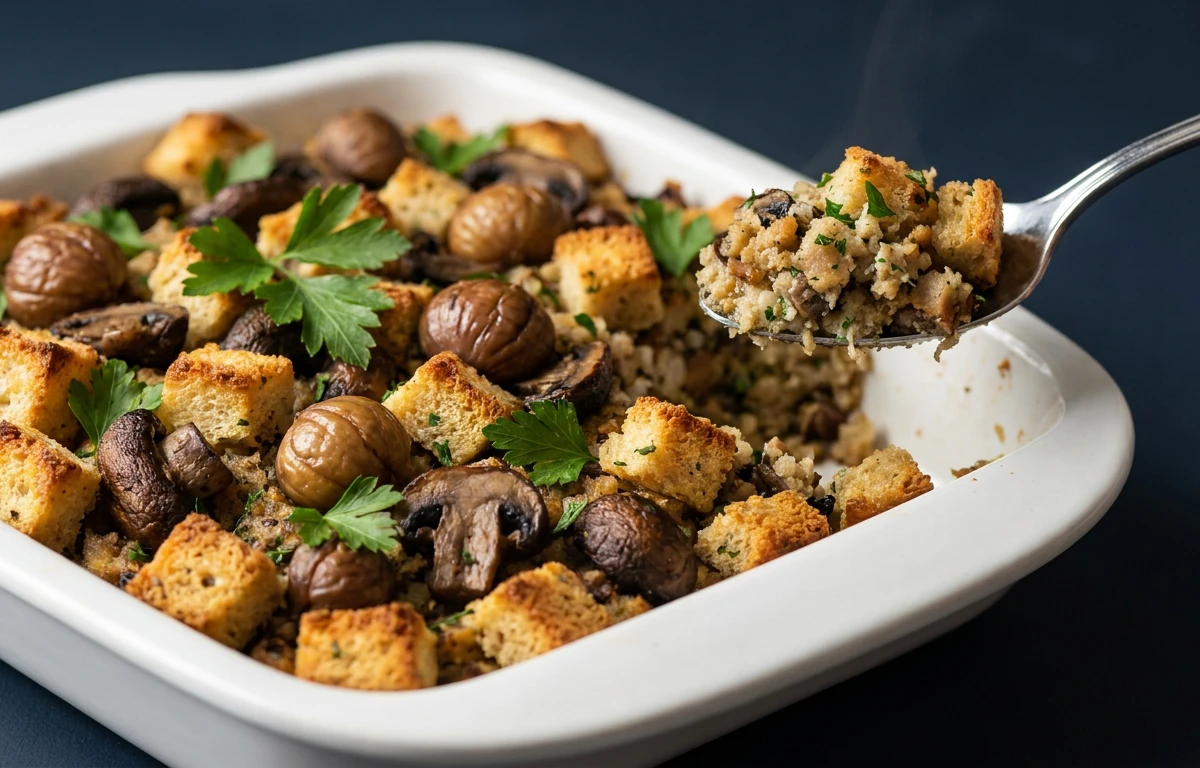
Soaking dried chestnuts in hot water for an hour makes them plump and tender, perfect for adding to stews, soups, and stuffings.
03
Grind into flour.
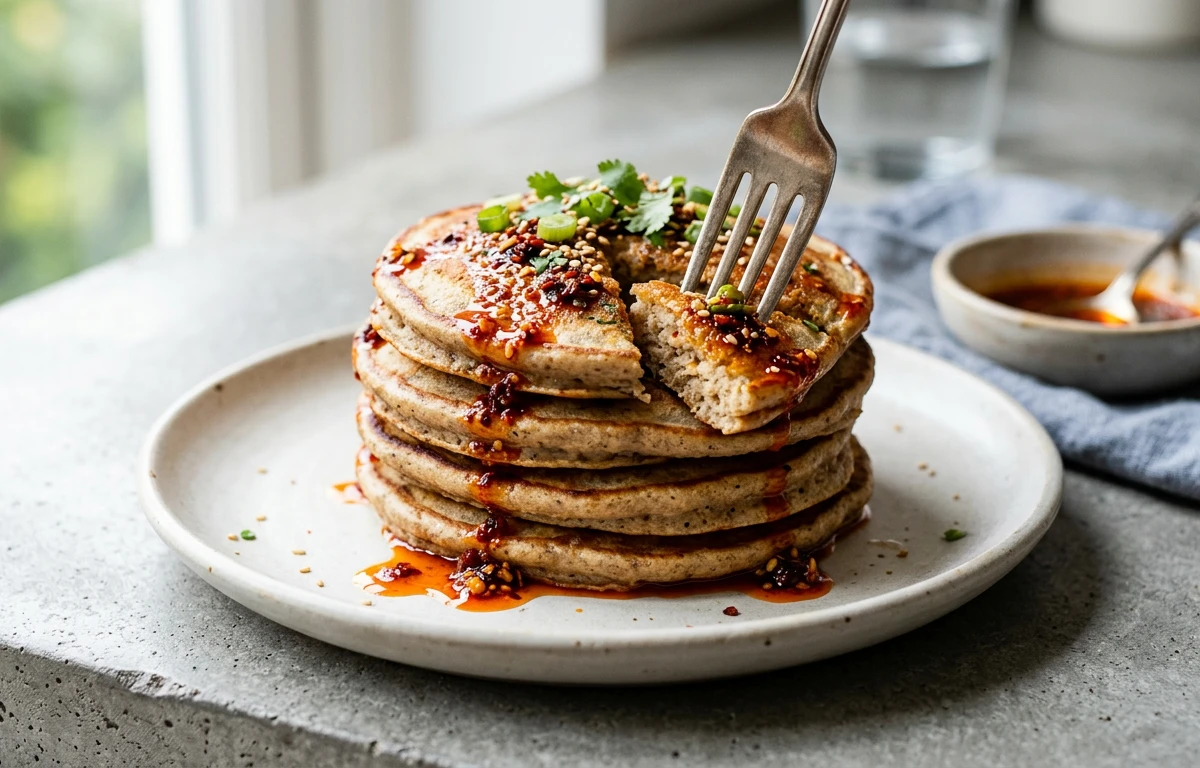
You can blitz dried chestnuts in a powerful blender to make a sweet, nutty, gluten-free flour for baking.
04
Pair with protein or fat.
Because they're mostly carbs, eating chestnuts with a source of protein (like meat or yogurt) or fat (like olive oil or cheese) creates a more balanced meal.
What dried chestnuts are good for
01
Exceptional for gut health
With 14.9g of fiber per 100g, chestnuts are a powerhouse for feeding beneficial gut bacteria and promoting regularity.
14.9g
fiber
02
Sustained, starchy energy
The complex carbs provide slow-release fuel, making them a great choice for active people or as part of a filling meal.
78.4g
carbs
03
A uniquely low-fat 'nut'
Unlike true nuts, chestnuts are very low in fat. This makes them a great choice for adding bulk and fiber to meals without adding much fat.
3.9g
fat
04
A source of Vitamin C
It's unusual for a dried, starchy food to retain vitamin C, but chestnuts provide a useful amount, which supports immune function.
17%
vit C DV
What to pair chestnuts with
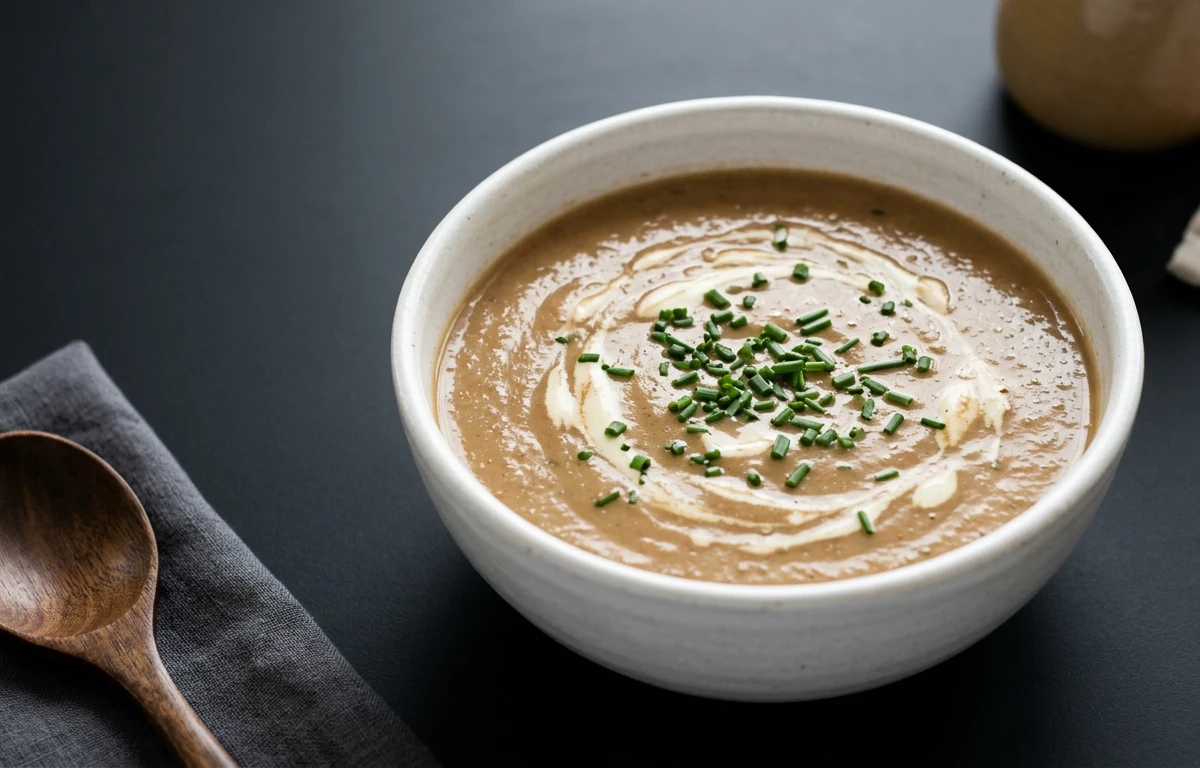
Chestnuts have a mildly sweet, earthy flavor that works in both sweet and savory dishes. Pairing them helps balance their starchy nature.
Eat freely — or be mindful?
Three ways to use them
Beyond just roasting, dried chestnuts are a fantastic ingredient in the kitchen. Here are three ideas to get you started.
Want high-fiber foods worked into a balanced week — without the planning?
Our meal planner pairs ingredients like chestnuts with protein and healthy fats for steady energy, with portions and macros already calculated and a single grocery list at the end.
Build my weekly plan →SOURCES & REFERENCES · 3
One more thing
Eating well is rarely about willpower. It’s about having a short list of dinners you actually want to eat. Pick two from this list. Make them next week. The rest will follow.
If you want these on autopilot, our weekly meal planner can drop the picks above into your calendar with one click and build a single grocery list from the merged ingredients.
FREQUENTLY ASKED QUESTIONS
Frequently asked questions
Are chestnuts good for weight loss?
In moderation. They are calorie-dense, so large portions can hinder weight loss. However, their extremely high fiber content is very filling and can help control appetite, so a small, planned portion can be a useful part of a weight management diet.
Are chestnuts actually nuts?
Botanically, they are considered fruits from the Fagaceae family of trees. Nutritionally, they are very different from tree nuts like almonds or walnuts, as they are low in fat and protein but very high in carbohydrates and fiber.
Can people with diabetes eat chestnuts?
With significant caution and strict portion control. The carbohydrate count is very high (78.4g per 100g). While the fiber helps slow sugar absorption, a large serving can still significantly impact blood sugar. A very small portion, paired with protein and fat, is the safest approach. Always consult your doctor or dietitian.
Are dried chestnuts as healthy as fresh ones?
They have a similar nutritional profile, but drying concentrates everything. Dried chestnuts are much higher in calories, carbs, and fiber by weight because the water has been removed. The drying process may also reduce some heat-sensitive vitamins like vitamin C. Both are healthy, but portion sizes for dried chestnuts must be much smaller.
METHODOLOGY
How this article was created
Built using verified nutrition databases, culinary research, and traditional cooking knowledge — every claim is cross-referenced against the sources listed in the article.
· USDA data· Culinary research· Quality reviewed
Read our methodology →TRANSPARENCY
About this content
Articles are curated using trusted food databases (USDA FoodData Central, IFCT), culinary literature, and dietary guidelines, then structured by our editorial team for clarity, accuracy, and usefulness.
· Verified data sources· Culinary research· Quality reviewed
Read our editorial policy →RELATED RECIPES
Cook from this article
EXPLORE OUR MEALS
Meals that fit this article

AMERICAN · 1677 CAL
Almonds with Sliced Apple + supplement + iron

MEDITERRANEAN · 809 CAL
Greek Yogurt with Berries Almonds and Granola + supplement + iron

GENERAL_HEALTHY · 705 CAL
Banana with Peanut Butter Pregnancy + supplement + iron

MODERN · 982 CAL
Hummus with Crudits and Pita with Fresh Orange Snack + supplement + iron
TAGGED
KEEP READING