Asparagus spears: Nutrition, Benefits, Glycemic Index & How to Cook It: verified nutrition facts, glycemic context, serving guidance, and practical cooking ideas.
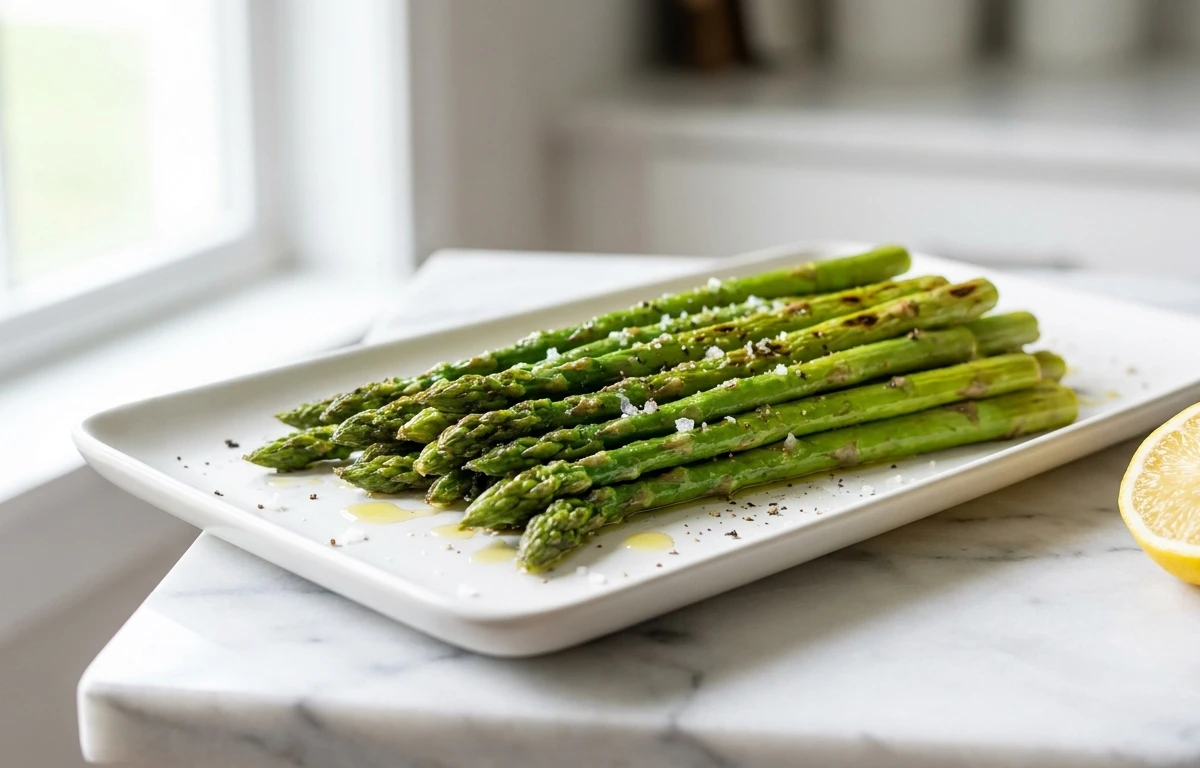
↑ Fresh asparagus is one of the first signs of spring.
The ultimate spring vegetable
Asparagus is mostly water and fibre, which is why it's so incredibly low in calories. But don't mistake 'low-calorie' for 'low-nutrient'. It's a genuine powerhouse, delivering a fantastic hit of folate (crucial for cell growth) and vitamin K (for bone health and blood clotting). It's the definition of a nutrient-dense food: you get a lot of nutritional bang for very few caloric bucks.
IN ONE LINE
Asparagus is a low-calorie, low-carb, high-fibre vegetable with an almost-zero glycemic index, making it a brilliant choice for weight management and blood sugar control.
Asparagus nutrition facts
Here's the nutritional profile for a standard 100-gram serving of cooked asparagus spears, which is about 5-7 medium spears.
The two standout nutrients here are folate and vitamin K. A single serving gets you over a third of your daily needs for both. Folate is vital for everyone, but especially important during pregnancy for preventing birth defects. Vitamin K is essential for blood clotting and building strong bones. The fibre content is also significant, especially because it includes inulin, a prebiotic that nourishes beneficial gut bacteria.
Asparagus and its glycemic index
This will be short and sweet: asparagus is a non-starchy vegetable. Its glycemic index (GI) is so low that it's often considered negligible, and its glycemic load (GL) is less than 1. It simply doesn't contain enough digestible carbohydrate to cause a meaningful rise in blood sugar. This makes it one of the most reliable and safe vegetables for anyone managing blood sugar levels, from pre-diabetes to type 1.
GLYCEMIC INDEX · ASPARAGUS vs COMMON FOODS
Asparagus is firmly in the 'very low' GI category
Asparagus
non-starchy veg
LOW
Apple
whole fruit
LOW
Pineapple
whole fruit
MEDIUM
White bread
refined
HIGH
Cornflakes
refined
HIGH
SCALE 0–90
04590
How to cook it right
The biggest crime against asparagus is overcooking it. You want it tender-crisp, with a bit of a snap, not limp and army-green. The thinner the spear, the faster it cooks.
01
Roast it hot and fast.
Toss spears in olive oil, salt, and pepper. Roast at 400°F (200°C) for 10-15 minutes. This concentrates their flavor beautifully.
02
Blanch or steam it briefly.
Drop into boiling salted water for 2-4 minutes, then plunge into ice water to stop the cooking and lock in the bright green color.
03
Grill or pan-sear it.
A little char from a hot grill or cast-iron pan adds a wonderful smoky dimension. Just a few minutes per side is all you need.
04
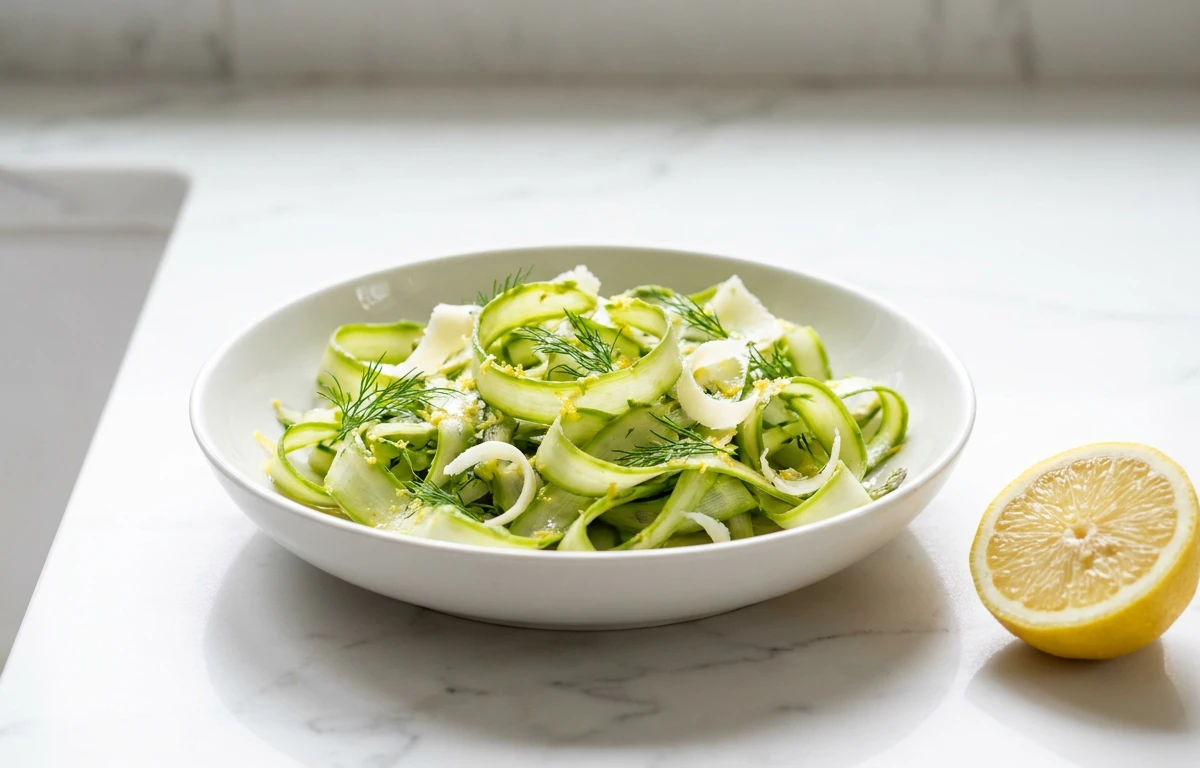
Shave it raw.
Use a vegetable peeler to create thin ribbons. Toss with lemon juice, olive oil, and shaved Parmesan for a crisp, refreshing salad.
05
Don't drown it in sauce.
Its delicate, earthy flavor is best with simple partners: lemon, butter, olive oil, a good hard cheese, or a perfectly poached egg.
What asparagus is good for
01
Excellent for weight management
At only 26 calories per serving but with over 2 grams of fibre, asparagus helps you feel full and satisfied on a very low energy budget.
26
calories
02
Supports a healthy gut
Asparagus is a top source of inulin, a type of prebiotic fibre that acts as food for beneficial gut bacteria like Bifidobacteria and Lactobacilli.
2.1 g
fiber
03
Packed with folate for cell health
One serving provides over a third of the daily folate needed for DNA synthesis and repair. It's especially critical during pregnancy.
37%
folate DV
04
A major source of Vitamin K
Essential for building and maintaining strong bones and for ensuring your blood clots properly when needed.
35%
vit K DV
05
Natural diuretic properties
It contains the amino acid asparagine, which along with its potassium content, can help the body flush excess salt and fluid, reducing bloating.
202 mg
potassium
What to pair asparagus with
Asparagus has a distinctive, grassy flavor that loves fat, acid, and salt. These simple additions turn it from a side dish into a star.
Eat freely — or be mindful?
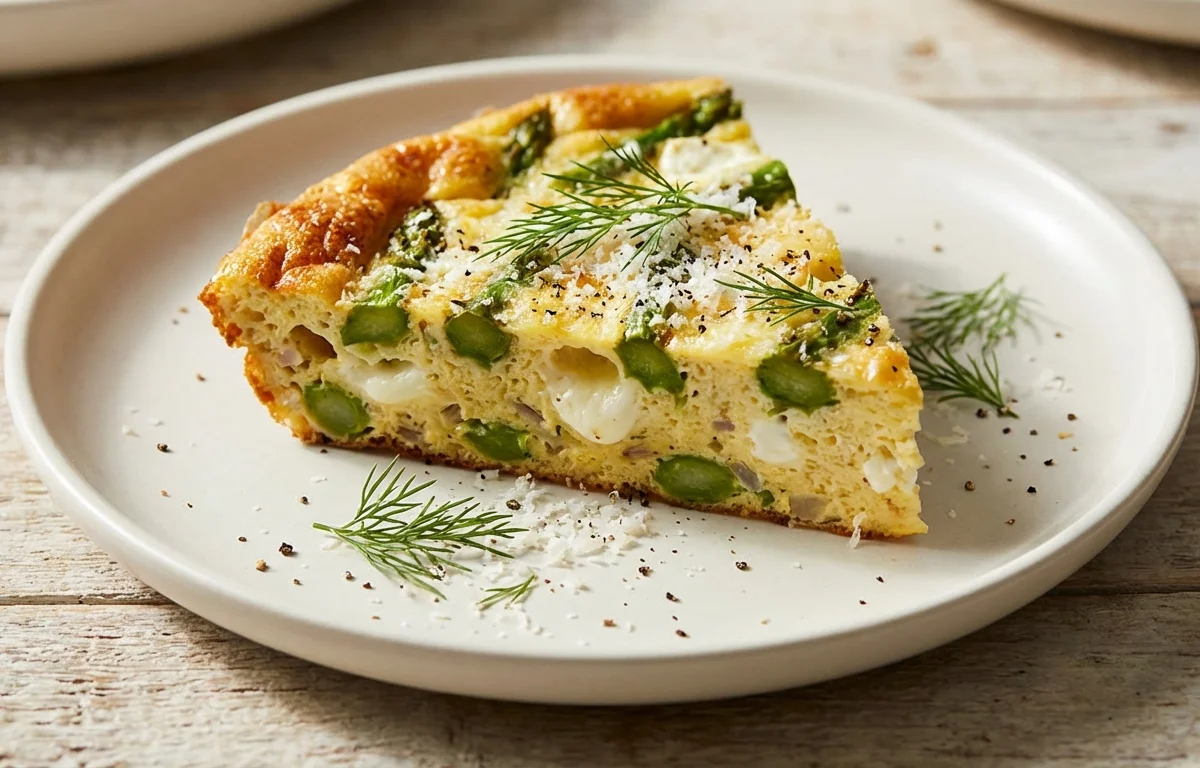
Three ways to eat it
Beyond a simple side dish, asparagus is incredibly versatile. Here are three easy ideas.
Want delicious, low-carb vegetables worked into a balanced week?
Our meal planner uses nutrient-dense vegetables like asparagus to build satisfying, healthy meals. We handle the portions, macros, and planning — you just get a simple grocery list.
Build my weekly plan →SOURCES & REFERENCES · 3
One more thing
Eating well is rarely about willpower. It’s about having a short list of dinners you actually want to eat. Pick two from this list. Make them next week. The rest will follow.
If you want these on autopilot, our weekly meal planner can drop the picks above into your calendar with one click and build a single grocery list from the merged ingredients.
FREQUENTLY ASKED QUESTIONS
Frequently asked questions
Why does asparagus make my pee smell funny?
Asparagus contains asparagusic acid. When your body breaks it down, it creates sulfur-containing compounds that are volatile (they turn into a gas easily) and have a strong smell. Not everyone can smell it, and not everyone produces it, but it's completely harmless.
Can people with diabetes eat asparagus?
Absolutely. Asparagus is an ideal vegetable for diabetes management. It's very low in carbohydrates and has a negligible glycemic index, so it will not cause a spike in blood sugar levels.
Is asparagus good for weight loss?
Yes, it's fantastic for weight loss. It's very low in calories (about 26 per 100g) but high in water and fibre, which helps you feel full and satisfied. It's a classic example of a high-volume, low-calorie food.
How do I store asparagus to keep it fresh?
Treat it like a bouquet of flowers. Trim the ends and stand the bunch upright in a glass or jar with an inch of water in the bottom. Cover loosely with a plastic bag and keep it in the fridge. It will stay crisp for several days.
METHODOLOGY
How this article was created
Built using verified nutrition databases, culinary research, and traditional cooking knowledge — every claim is cross-referenced against the sources listed in the article.
· USDA data· Culinary research· Quality reviewed
Read our methodology →TRANSPARENCY
About this content
Articles are curated using trusted food databases (USDA FoodData Central, IFCT), culinary literature, and dietary guidelines, then structured by our editorial team for clarity, accuracy, and usefulness.
· Verified data sources· Culinary research· Quality reviewed
Read our editorial policy →EXPLORE OUR MEALS
Meals that fit this article

AMERICAN · 1677 CAL
Almonds with Sliced Apple + supplement + iron

MEDITERRANEAN · 809 CAL
Greek Yogurt with Berries Almonds and Granola + supplement + iron

GENERAL_HEALTHY · 705 CAL
Banana with Peanut Butter Pregnancy + supplement + iron

MODERN · 982 CAL
Hummus with Crudits and Pita with Fresh Orange Snack + supplement + iron
TAGGED
KEEP READING