Let's talk about that golden, slightly gritty flour in your pantry. Whether you call it maize flour or cornmeal, it's the soul of cornbread, polenta, and tortillas. But it often gets a simple label: 'carbs'. That's not the whole story. Yes, it's a grain, but the difference between a refined, sugary cornbread mix and a bowl of whole-grain polenta is night and day. The key is understanding what it is, and what it isn't.
↑ Maize flour, or cornmeal, is a staple grain with a complex nutritional profile.
The misunderstood grain
Maize flour is simply dried and ground field corn. Depending on the grind, it becomes the fine powder for arepas, the medium grit for cornbread, or the coarse crunch of polenta. Its reputation as an 'empty carb' comes from the highly refined, degerminated versions often found in cheap mixes. But proper, whole-grain maize flour, which includes the fibrous hull and nutrient-rich germ, is a different beast entirely. It brings fibre, some protein, and a surprising range of micronutrients to the table. It's a staple food for a reason.
IN ONE LINE
Whole-grain maize flour is a good source of fibre and energy. The trick is to pair it with protein and vegetables, not just butter and sugar.
Maize flour nutrition facts
Here’s the nutritional breakdown for 100 grams of typical yellow maize flour, which is about two-thirds of a standard cup. This is a fairly large serving, so for most recipes, you'll be using a fraction of this.
The big numbers here are calories and carbohydrates. This is an energy-dense food, which is why it's been a valuable staple for centuries. But look closer: 7.3 grams of fibre is significant. That's more than a bowl of oatmeal. This fibre is what separates it from other refined flours and helps slow down the digestion of all those carbs.
Watch out for 'degerminated' cornmeal. This process removes the oil-rich germ to extend shelf life, but it also strips out much of the fibre, vitamins, and minerals. Always choose 'whole-grain' when you can.
Maize flour's glycemic index
This is where things get tricky. The glycemic index (GI) of maize flour isn't one single number. It depends on the grind (finer grinds have a higher GI), whether it's whole-grain or refined, and what you eat it with. Generally, it falls into the medium-to-high range. A creamy, soft polenta will be digested faster and have a higher GI than a dense, baked piece of cornbread. This means it can raise blood sugar more quickly than foods like lentils or barley, but often more slowly than white bread.
GLYCEMIC INDEX · MAIZE FLOUR vs COMMON FOODS
Maize flour sits in the medium-to-high GI band
Apple
whole fruit
LOW
Pineapple
whole fruit
MEDIUM
Maize Flour (Polenta)
cooked grain
MEDIUM
White Bread
refined
HIGH
SCALE 0–90
04590
The smart way to use it
Maize flour is a fantastic ingredient. You just have to use it thoughtfully to keep it on the healthy side.
01
Go whole-grain.
This is the most important rule. Look for 'whole-grain cornmeal' on the label. It has more fibre and nutrients.
02
Watch the portion size.
It's calorie-dense. A serving of polenta is about 1/2 cup of dry meal. For cornbread, stick to one piece.
03
Pair it with protein and fat.
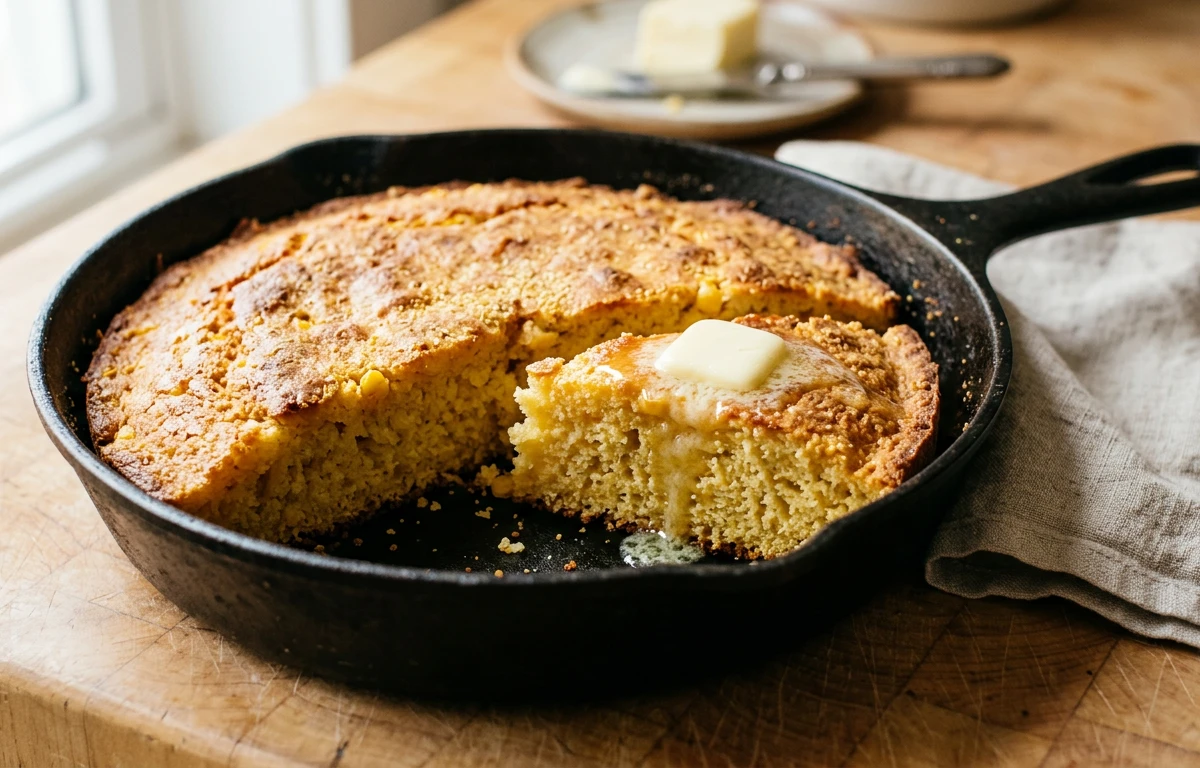
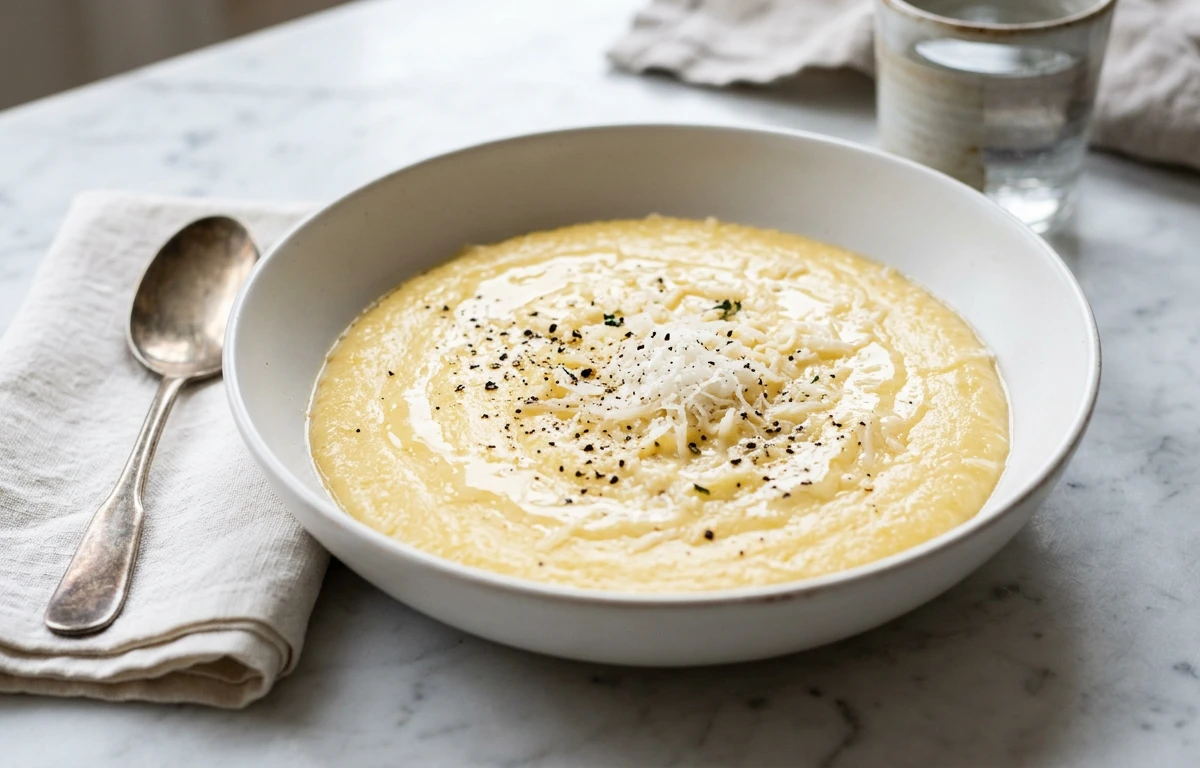
Never eat it alone. Adding beans, cheese, a hearty stew, or even just some olive oil and parmesan slows digestion and makes it a balanced meal.
04
Go savory over sweet.
Corn is naturally sweet. Resist the urge to add lots of sugar or honey to your cornbread. Let its natural flavor shine with herbs, cheese, or jalapeños instead.
What maize flour is good for
01
A great source of fibre
With over 7 grams of fibre per 100g, whole-grain maize flour is great for digestive health, helping you feel full and supporting a healthy gut.
7.3 g
fibre
02
Sustained carbohydrate energy
The complex carbs and fibre provide a steadier release of energy compared to refined white flour, making it a good choice for active people.
77 g
carbs
03
Naturally gluten-free
For those with celiac disease or gluten sensitivity, maize flour is a safe and versatile alternative to wheat flour for baking, thickening, and more.
100%
gluten-free
04
Rich in antioxidants
Yellow corn is a source of carotenoids like lutein and zeaxanthin, antioxidants that are particularly important for eye health.
Lutein
Zeaxanthin
What to pair maize flour with
Think of maize flour as a canvas for flavour. Pairing it correctly is the key to turning it into a balanced meal.
A staple — or a limit?
Three ways to use it
Here are three simple, savory ways to make maize flour a healthy part of your routine.
Want to build meals around smart carbs?
Our meal planner can help you incorporate grains like maize flour into a balanced week, pairing them with the right proteins and vegetables to keep you full and your energy steady.
Build my weekly plan →SOURCES & REFERENCES · 3
One more thing
Eating well is rarely about willpower. It’s about having a short list of dinners you actually want to eat. Pick two from this list. Make them next week. The rest will follow.
If you want these on autopilot, our weekly meal planner can drop the picks above into your calendar with one click and build a single grocery list from the merged ingredients.
FREQUENTLY ASKED QUESTIONS
Frequently asked questions
Is maize flour the same as cornstarch?
No. Maize flour (cornmeal) is ground, dried corn. Cornstarch is only the starchy part of the corn endosperm, extracted and processed into a fine powder. They are not interchangeable in recipes.
Is all maize flour gluten-free?
Yes, corn is naturally gluten-free. However, it can be processed in facilities that also handle wheat, barley, or rye, leading to cross-contamination. If you have celiac disease, look for products explicitly certified as gluten-free.
Is maize flour good for people with diabetes?
With caution. Because of its high carbohydrate content and medium-to-high GI, it can cause significant blood sugar spikes if not eaten in moderation. A small portion, paired with lots of protein and fibre from other foods, is the safest approach. Always consult with your doctor or dietitian.
Is polenta just corn grits?
They are very similar! Both are made from ground corn. Generally, 'polenta' refers to the Italian dish and can be made from various grinds, while 'grits' are popular in the American South and are traditionally made from hominy (corn treated with an alkali).
METHODOLOGY
How this article was created
Built using verified nutrition databases, culinary research, and traditional cooking knowledge — every claim is cross-referenced against the sources listed in the article.
· USDA data· Culinary research· Quality reviewed
Read our methodology →TRANSPARENCY
About this content
Articles are curated using trusted food databases (USDA FoodData Central, IFCT), culinary literature, and dietary guidelines, then structured by our editorial team for clarity, accuracy, and usefulness.
· Verified data sources· Culinary research· Quality reviewed
Read our editorial policy →RELATED RECIPES
Cook from this article
EXPLORE OUR MEALS
Meals that fit this article

GENERAL_HEALTHY · 705 CAL
Banana with Peanut Butter Pregnancy + supplement + iron
AMERICAN · 694 CAL
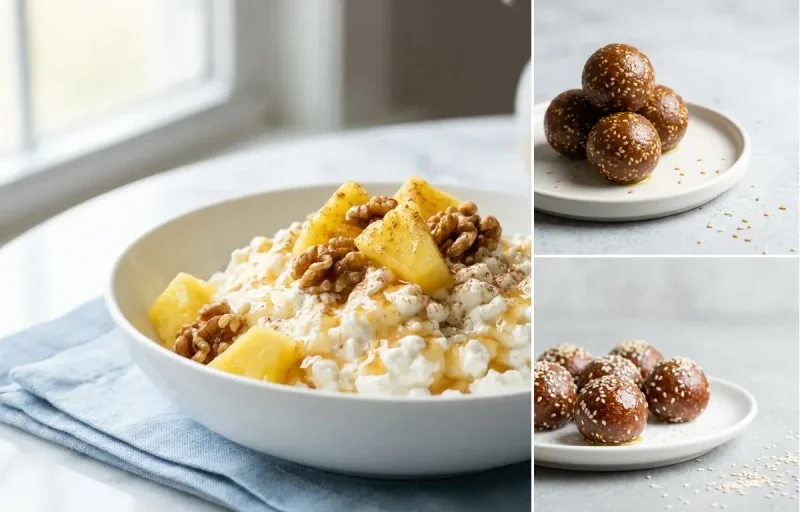
Cottage Cheese with Pineapple Walnuts and Hemp Pregnancy + supplement + iron
AMERICAN · 359 CAL
Apple with Peanut Butter with Glass of Milk + supplement + iron

MEDITERRANEAN · 738 CAL
Greek Yogurt with Berries Walnuts and Honey + supplement + iron
TAGGED
KEEP READING