Flaxseeds are one of those things we all buy with the best intentions, but they often end up sitting in the back of the cupboard. That's a real shame, because these tiny seeds are nutritional giants. They're one of the best plant sources of heart-healthy omega-3 fats on the planet, loaded with fiber, and have a near-zero impact on blood sugar. The trick is knowing how to unlock all that goodness — and yes, it involves grinding them.
↑ Whole flaxseeds are pretty, but ground flax is where the nutrition is.
The tiny seed powerhouse
Flax is one of the oldest crops in the world, originally grown for its fiber to make linen. But the real magic is in the seeds. They come in two main colors, brown and golden, which are nutritionally almost identical. What matters more than color is the form: whole or ground.
Whole flaxseeds have a tough outer shell that our bodies can't break down easily. If you eat them whole, they're likely to pass right through you, taking their valuable nutrients with them. To get the benefits, you need to crack them open. This is why you'll hear dietitians like me going on and on about using ground flax.
IN ONE LINE
For maximum benefit, buy whole flaxseeds and grind them yourself in a coffee grinder just before using. A tablespoon or two is enough to deliver a huge boost of fiber and omega-3s.
Flaxseed nutrition facts
Here’s the nutritional profile for 100 grams of flaxseed. It's a large amount — about 10 tablespoons — but it's the standard for comparison. A more typical serving is one or two tablespoons.
Why you must grind them
I can't say this enough: your body gets very little from whole flaxseeds. Their tough hulls are designed to survive digestion so the seed can be spread. Grinding them breaks this hull and exposes the nutrient-rich interior, including the precious omega-3 fatty acids and lignans.
You can buy pre-ground flaxseed (often called flax meal), which is convenient. But the fats in flax are delicate and can go rancid when exposed to air and light. For this reason, buying whole seeds and grinding small batches at home in a coffee or spice grinder is the gold standard. Store any ground flax—and your whole seeds—in an airtight container in the fridge or freezer to keep them fresh.
The healthy fats in flaxseed are polyunsaturated, which means they're sensitive to heat, light, and air. Storing them in the fridge or freezer is non-negotiable.
Flaxseed's glycemic index
The glycemic index (GI) of flaxseed is so low it's often not even formally measured. Why? Because it contains almost no starch or sugar. Of its 28.9 grams of carbs per 100g, a whopping 27.3 grams are fiber. This means the 'net carbs'—the ones that impact blood sugar—are incredibly low. The high fiber and fat content also act as a brake, slowing down the digestion of any other carbs you eat with them. For managing blood sugar, it's one of the best things you can add to your plate.
GLYCEMIC INDEX · FLAXSEED vs COMMON FOODS
Flaxseed has a near-zero glycemic impact
Flaxseed
ground
LOW
Apple
whole fruit
LOW
Pineapple
whole fruit
MEDIUM
White bread
refined
HIGH
Cornflakes
refined
HIGH
SCALE 0–90
04590
How to actually use them
Getting more flax into your diet is easy once you get into the habit. Remember to start small (say, a teaspoon) to let your digestive system adapt to the extra fiber, and drink plenty of water.
01
Start with 1-2 tablespoons.
This is a potent dose of fiber and omega-3s. Don't overdo it, especially at first.
02
Sprinkle it on everything.
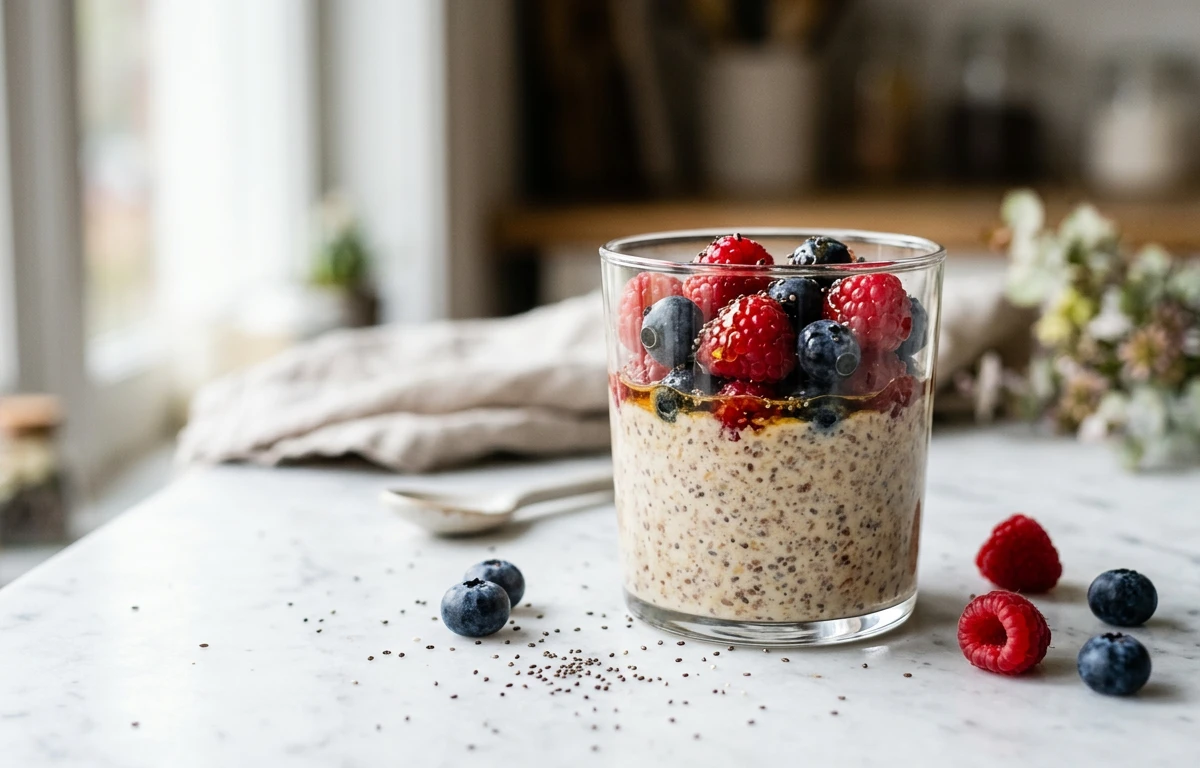
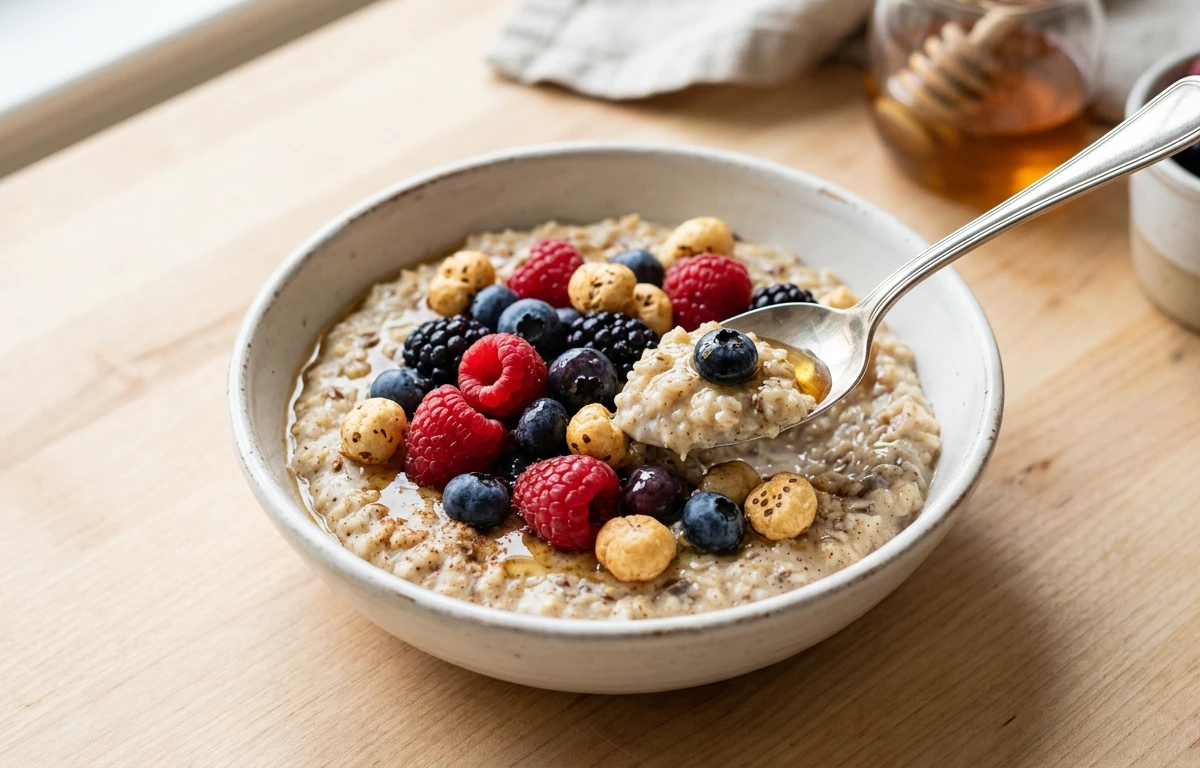
Stir ground flax into oatmeal, yogurt, cottage cheese, or applesauce. It has a mild, nutty flavor that blends in easily.
03
Blend it into smoothies.
This is the easiest way to use it. It adds thickness and a nutritional punch without really changing the taste.
04
Use it in baking.
You can replace a small portion (up to 1/4) of the flour in muffins, breads, or cookies with ground flax for a fiber boost.
05
Make a 'flax egg'.
For vegan baking, mix 1 tablespoon of ground flax with 3 tablespoons of water. Let it sit for 5-10 minutes to form a gel. This replaces one egg.
What flaxseed is good for
01
A top source of Omega-3s (ALA)
Flaxseed is rich in alpha-linolenic acid (ALA), a plant-based omega-3 fatty acid that's a precursor to EPA and DHA and is linked to better heart health.
~2.4g
ALA per tbsp
02
Extraordinarily high in fiber
With a mix of soluble and insoluble fiber, flax supports digestive health, promotes regularity, and helps you feel full and satisfied.
2.7g
fiber per tbsp
03
May help lower cholesterol
The soluble fiber in flax can bind with cholesterol and bile acids in the gut and help carry them out of the body, which can help lower LDL ('bad') cholesterol levels.
Soluble
fiber
04
Rich in beneficial lignans
Flaxseeds are the richest dietary source of lignans, a type of phytoestrogen with powerful antioxidant properties that may help reduce the risk of certain chronic diseases.
800x
more than other foods
05
Supports healthy blood pressure
Multiple studies have found that daily flaxseed consumption can lead to meaningful reductions in both systolic and diastolic blood pressure.
Daily
intake
What to pair flaxseed with
Flaxseed's nutty flavor is mild and versatile. It works best when stirred into wet ingredients, where it can absorb liquid and contribute to a pleasant texture.
Who should eat flaxseed?
Three simple ways to use it
No complex recipes needed. Here are three everyday ways to make ground flaxseed a regular habit.

Want powerful ingredients like flaxseed worked into a balanced week?
Our meal planner intelligently incorporates high-fiber, nutrient-dense foods into your weekly plan, with portions and macros already calculated and a single grocery list at the end.
Build my weekly plan →SOURCES & REFERENCES · 3
One more thing
Eating well is rarely about willpower. It’s about having a short list of dinners you actually want to eat. Pick two from this list. Make them next week. The rest will follow.
If you want these on autopilot, our weekly meal planner can drop the picks above into your calendar with one click and build a single grocery list from the merged ingredients.
FREQUENTLY ASKED QUESTIONS
Frequently asked questions
Do you have to grind flaxseeds?
Yes, for the most part. Whole flaxseeds often pass through the digestive system intact, meaning you don't absorb their valuable nutrients like omega-3s. Grinding breaks the tough outer shell and makes the nutrients available. Pre-ground is fine, but grinding fresh is best.
How much flaxseed should you eat a day?
A typical recommendation is 1 to 2 tablespoons (about 10-20 grams) of ground flaxseed per day. If you're new to it, start with a smaller amount, like one teaspoon, and gradually increase to allow your digestive system to adjust to the high fiber content.
Is flaxseed good for weight loss?
It can be a helpful tool. The high amount of soluble fiber in flaxseed absorbs water and forms a gel, which can slow digestion and help you feel fuller for longer. This can help reduce overall calorie intake.
What's the difference between brown and golden flaxseed?
Nutritionally, they are very similar. Golden flaxseed has a slightly milder, more buttery flavor, while brown flaxseed is a bit nuttier. The choice between them is mostly a matter of personal preference or aesthetics in a recipe.
METHODOLOGY
How this article was created
Built using verified nutrition databases, culinary research, and traditional cooking knowledge — every claim is cross-referenced against the sources listed in the article.
· USDA data· Culinary research· Quality reviewed
Read our methodology →TRANSPARENCY
About this content
Articles are curated using trusted food databases (USDA FoodData Central, IFCT), culinary literature, and dietary guidelines, then structured by our editorial team for clarity, accuracy, and usefulness.
· Verified data sources· Culinary research· Quality reviewed
Read our editorial policy →RELATED RECIPES
Cook from this article
EXPLORE OUR MEALS
Meals that fit this article

AMERICAN · 1677 CAL
Almonds with Sliced Apple + supplement + iron
MEDITERRANEAN · 809 CAL
Greek Yogurt with Berries Almonds and Granola + supplement + iron

GENERAL_HEALTHY · 705 CAL
Banana with Peanut Butter Pregnancy + supplement + iron

MODERN · 982 CAL
Hummus with Crudits and Pita with Fresh Orange Snack + supplement + iron
TAGGED
KEEP READING