Ivy Gourd: Nutrition, Low Glycemic Index & Diabetes Benefits: verified nutrition facts, glycemic context, serving guidance, and practical cooking ideas.
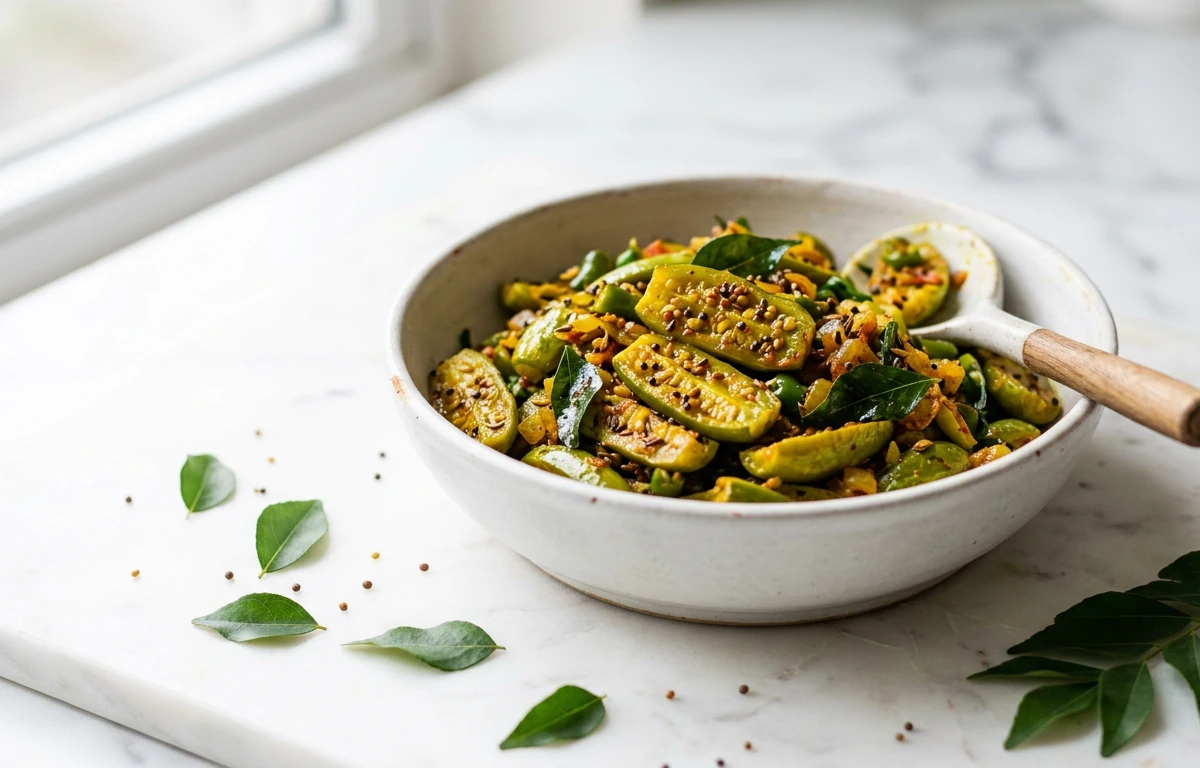
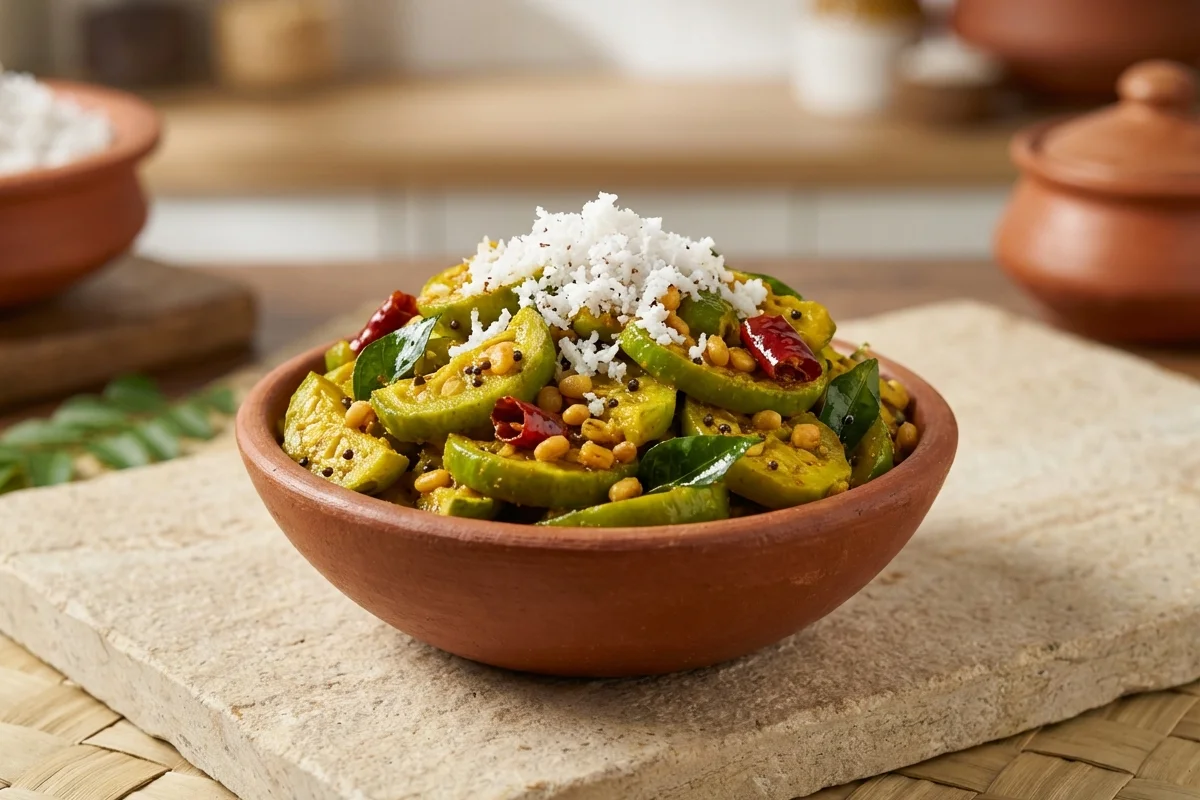
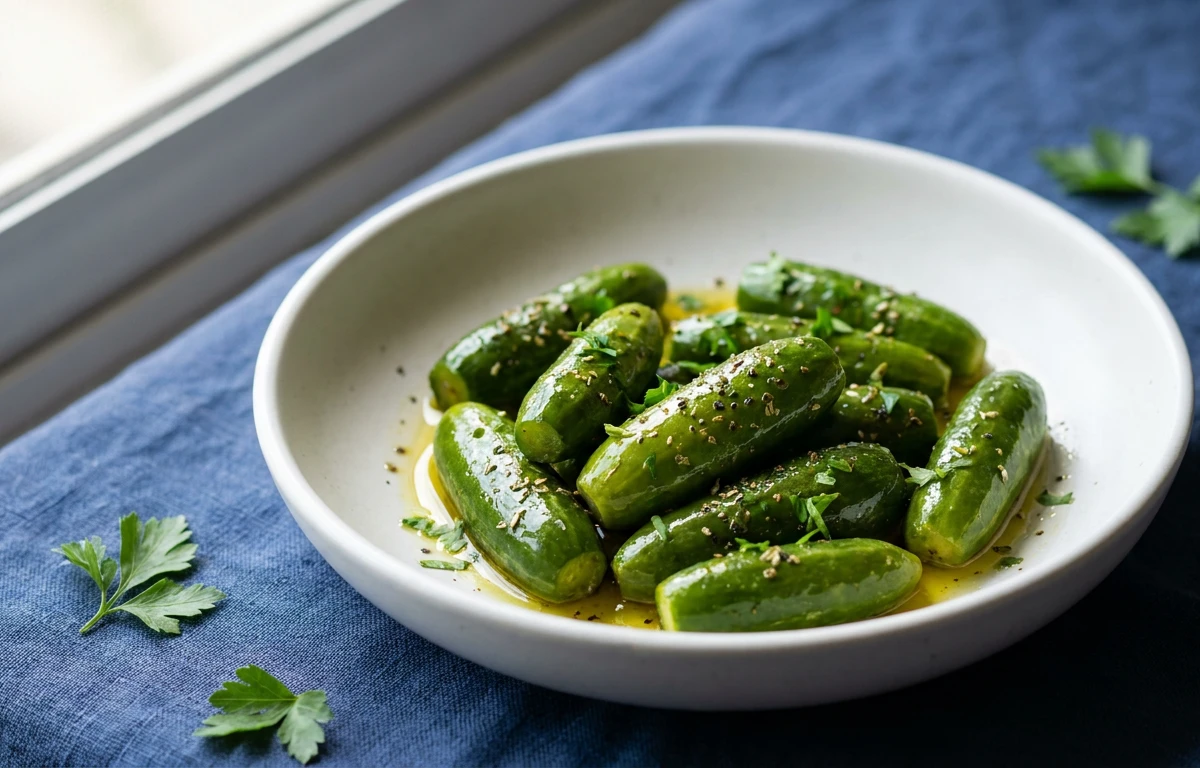
↑ Fresh ivy gourd has a crispness and mild flavor perfect for stir-fries and curries.
The blood-sugar friendly vegetable
Let's be honest, ivy gourd isn't exactly a checkout-aisle staple for most of us. But in parts of India and Southeast Asia, it's a kitchen workhorse. And for good reason. It's mild, versatile, and it happens to be exceptionally good at not raising your blood sugar. In fact, traditional medicine has used it for diabetes for centuries, and modern science is starting to catch up, with studies pointing to its potential to help regulate glucose.
The trick is knowing what to do with it. Eaten raw, it can be astringent, but a quick sauté or stir-fry transforms it into something tender-crisp and delicious.
IN ONE LINE
Ivy gourd is an incredibly low-carb, low-calorie, low-glycemic vegetable, making it an all-star for anyone managing diabetes, on a keto diet, or aiming for weight loss.
Ivy gourd nutrition facts
Here's the nutritional breakdown for a standard 100-gram serving (about a cup, sliced) of raw ivy gourd. Cooking barely changes these numbers.
The numbers speak for themselves. At just 20 calories and 3.2 grams of net carbs, this is what we call a 'free' vegetable — you can eat it in generous amounts without it making a dent in your calorie or carb budget. The protein and fiber aren't sky-high, but they add to the vegetable's satisfying bulk. While this specific dataset shows no Vitamin C, other sources suggest it contains some, along with B vitamins and minerals like iron, but the main story here is its fantastic macro profile.
Ivy gourd's glycemic index
There isn't an official, universally cited glycemic index (GI) number for ivy gourd, and that's because it's so low it's almost not worth measuring. As a non-starchy, high-fiber, low-carbohydrate vegetable, its effect on blood sugar is minimal to negligible. For context, it would have a far lower GI than even low-GI fruits like apples or cherries. It behaves more like broccoli, spinach, or cucumber in your body — providing nutrients and bulk with virtually no sugar spike.
GLYCEMIC INDEX · IVY GOURD vs COMMON FOODS
Ivy gourd has a negligible glycemic impact
Ivy Gourd
non-starchy veg
LOW
Apple
whole fruit
LOW
Pineapple
whole fruit
MEDIUM
Watermelon
whole fruit
HIGH
White bread
refined
HIGH
SCALE 0–90
04590
How to cook with it
The key to delicious ivy gourd is cooking it right. It's not a salad vegetable. Here are a few simple ways to prepare it.
01
Slice it thin.
Whether you slice them into rounds or lengthwise into quarters, keeping the pieces uniform helps them cook evenly.
02
Sauté or stir-fry.
This is the best method. A hot pan with a little oil, some spices, and 7-10 minutes of cooking is all it needs. It should be tender but still have a slight bite.
03
Don't boil it.
Boiling ivy gourd tends to make it waterlogged and mushy, losing both texture and flavor. Stick to dry-heat methods like frying or roasting.
04
Pair with strong flavors.
Ivy gourd is mild, so it loves soaking up the flavors of spices like turmeric, cumin, and mustard seeds, or aromatics like garlic and onion.
What ivy gourd is good for
01
Excellent for blood sugar control
With almost no sugar and very few carbs, ivy gourd has a minimal impact on blood glucose, making it ideal for people with diabetes or insulin resistance.
Low
Glycemic Index
02
Aids weight management
At only 20 calories per 100g, you can eat a large, filling portion without adding significant calories, helping you feel full on less.
20
calories
03
Perfect for keto and low-carb diets
With just over 3 grams of net carbs per serving, ivy gourd easily fits into the tightest carb budgets, providing bulk and nutrients.
3.2g
net carbs
04
Provides anti-inflammatory compounds
Ivy gourd contains natural plant compounds like saponins, flavonoids, and phenols, which are studied for their antioxidant and anti-inflammatory properties.
Plant
compounds
What to pair ivy gourd with
Ivy gourd's mildness is its strength — it's a perfect canvas for other flavors. Think of it as a sponge for spices and healthy fats.
Eat freely — or be mindful?
Three simple recipes
Don't be intimidated. Ivy gourd is incredibly easy to cook. Here are three simple ways to get started.
Want smart vegetables worked into a balanced week?
Our meal planner uses ingredients like ivy gourd in delicious, easy recipes, with portions and macros already calculated and a single grocery list at the end.
Build my weekly plan →SOURCES & REFERENCES · 3
One more thing
Eating well is rarely about willpower. It’s about having a short list of dinners you actually want to eat. Pick two from this list. Make them next week. The rest will follow.
If you want these on autopilot, our weekly meal planner can drop the picks above into your calendar with one click and build a single grocery list from the merged ingredients.
FREQUENTLY ASKED QUESTIONS
Frequently asked questions
Is ivy gourd really good for diabetes?
Yes, it's one of the best vegetables you can choose. It's extremely low in carbohydrates and has a very low glycemic index, so it won't spike your blood sugar. Some studies even suggest it may have properties that help the body manage glucose.
What does ivy gourd taste like?
When fresh and young, it has a very mild, slightly grassy flavor and a crisp texture, similar to a cucumber but less watery. If it's old, it can become slightly bitter. Cooking mellows the flavor and makes it tender.
Can you eat ivy gourd raw?
You can, but it's not the best way to enjoy it. Raw ivy gourd can be quite astringent and a little tough. It's much more palatable and delicious when cooked, which softens its texture and mellows its flavor.
Where can I buy ivy gourd?
You'll most likely find it in Indian or Southeast Asian grocery stores. Look for firm, bright green, and blemish-free gourds. Avoid any that are soft, shriveled, or turning yellow.

ABOUT THE AUTHOR
Shreya Chatterjee
NUTRITION WRITER
Shreya is a nutrition writer and the voice behind The Nutrition Pen, where she turns evidence-based nutrition into simple, repeatable eating habits. Her writing focuses on practical food guidance — what to actually put on the plate — for readers who want to eat well without the noise.
Meet the editorial team →METHODOLOGY
How this article was created
Built using verified nutrition databases, culinary research, and traditional cooking knowledge — every claim is cross-referenced against the sources listed in the article.
· USDA data· Culinary research· Quality reviewed
Read our methodology →TRANSPARENCY
About this content
Articles are curated using trusted food databases (USDA FoodData Central, IFCT), culinary literature, and dietary guidelines, then structured by our editorial team for clarity, accuracy, and usefulness.
· Verified data sources· Culinary research· Quality reviewed
Read our editorial policy →RELATED RECIPES
Cook from this article
EXPLORE OUR MEALS
Meals that fit this article

AMERICAN · 1677 CAL
Almonds with Sliced Apple + supplement + iron

MEDITERRANEAN · 809 CAL
Greek Yogurt with Berries Almonds and Granola + supplement + iron

GENERAL_HEALTHY · 705 CAL
Banana with Peanut Butter Pregnancy + supplement + iron

MODERN · 982 CAL
Hummus with Crudits and Pita with Fresh Orange Snack + supplement + iron
TAGGED
KEEP READING