It's easy to forget just how good dried chickpeas are. They sit in the pantry, these hard little beige pebbles, looking like a project. But with just a bit of water and time, they transform into a creamy, nutty, wildly versatile staple that's a nutritional powerhouse. Forget thinking of them as just 'carbs' — chickpeas are a brilliant, slow-burning combination of high-quality protein and enormous amounts of fiber, making them one of the most satisfying and blood-sugar-friendly foods you can eat.
↑ Dried chickpeas are a pantry staple that punches way above its weight class.
The ultimate pantry workhorse
There are few ingredients as globally loved or as fundamentally nourishing as the chickpea. Whether you call it a garbanzo bean or kabuli chana, this legume is the backbone of dishes from hummus in the Middle East to chana masala in India. Its appeal is simple: it's cheap, it's satisfying, and it carries flavor beautifully.
The real story, though, is in its nutrition. The combination of plant protein and fiber is off the charts, making chickpeas incredibly satiating. They keep you full for hours, provide steady energy, and do brilliant things for your heart and gut health. They're not a side dish; they're the main event.
IN ONE LINE
A single serving of dried chickpeas cooks up to provide a massive dose of plant protein, gut-friendly fiber, and essential minerals, all with a gentle, low-glycemic impact.
Dried chickpea nutrition facts
Here’s the nutritional breakdown for 100 grams of dried chickpeas. It's important to remember that this portion will absorb water and swell to about 2.5 to 3 times its weight when cooked, yielding roughly 2.5 cups of cooked chickpeas.
The two numbers that jump out are the protein and the fiber. At over 20 grams of protein and 12 grams of fiber, this single serving makes a massive contribution to your daily needs. But don't miss the folate — over 100% of your daily value, crucial for cell growth and metabolism — and a solid dose of iron, especially important on plant-based diets.
Chickpeas and your blood sugar
Despite being high in carbohydrates, chickpeas are exceptionally friendly to your blood sugar. That's because of their very low glycemic index (GI). The GI ranks foods on how quickly they raise blood sugar, and cooked chickpeas score around 28-32, which is firmly in the 'low' category. Why? The huge amount of fiber, protein, and resistant starch slows down digestion to a crawl, leading to a very slow, gentle release of energy rather than a spike.
GLYCEMIC INDEX · CHICKPEAS vs COMMON FOODS
Chickpeas sit firmly in the low-GI band
Cherries
whole fruit
LOW
Cooked Chickpeas
legume
LOW
Apple
whole fruit
LOW
White bread
refined
HIGH
Cornflakes
refined
HIGH
SCALE 0–90
04590
How to Cook Dried Chickpeas
Cooking dried chickpeas is cheaper, tastier, and gives you more control over texture and salt than using canned. It's a simple, mostly hands-off process.
01
Rinse and sort.
Give your chickpeas a good rinse under cold water and quickly pick out any stones or discolored ones.
02
Soak them overnight.
Place the chickpeas in a large bowl and cover with at least 3-4 inches of cold water. Let them soak for 8-12 hours. They will triple in size. This step rehydrates them and makes them easier to digest.
03
Or, do a quick soak.
In a rush? Cover chickpeas with water in a pot, bring to a boil, cook for 5 minutes, then turn off the heat and let them stand for 1 hour.
04
Cook until tender.
Drain the soaking water and transfer the chickpeas to a large pot. Cover with fresh water, bring to a boil, then simmer for 1-2 hours until tender. A pressure cooker does the job in about 15-20 minutes.
What Dried Chickpeas Are Good For
01
Sustained Energy & Blood Sugar Control
The potent mix of fiber and protein slows carbohydrate absorption to a crawl, providing hours of steady energy and preventing blood sugar spikes and crashes.
GI ≈28
very low
02
A Plant-Protein Powerhouse
With over 20 grams of protein per 100g dried, chickpeas are a cornerstone for vegetarian and vegan diets, supporting muscle repair and overall health.
20.5g
protein
03
Keeps You Full, Aids Weight Management
The combination of high fiber and high protein is incredibly satiating. A meal with chickpeas keeps you feeling full and satisfied for longer, reducing overall calorie intake.
12.2g
fiber
04
Supports a Healthy Gut Microbiome
The fiber in chickpeas acts as a prebiotic, feeding the beneficial bacteria in your gut. A healthy gut is linked to better digestion, immunity, and even mood.
44%
fiber DV
05
An Excellent Source of Folate
One serving provides more than a day's worth of folate (Vitamin B9), which is vital for forming DNA and RNA and is especially important during pregnancy.
139%
folate DV
What to Pair Chickpeas With
Chickpeas have a mild, nutty flavor that makes them a perfect canvas for other ingredients. Here are some classic pairings.
Eat Freely — or Be Mindful?
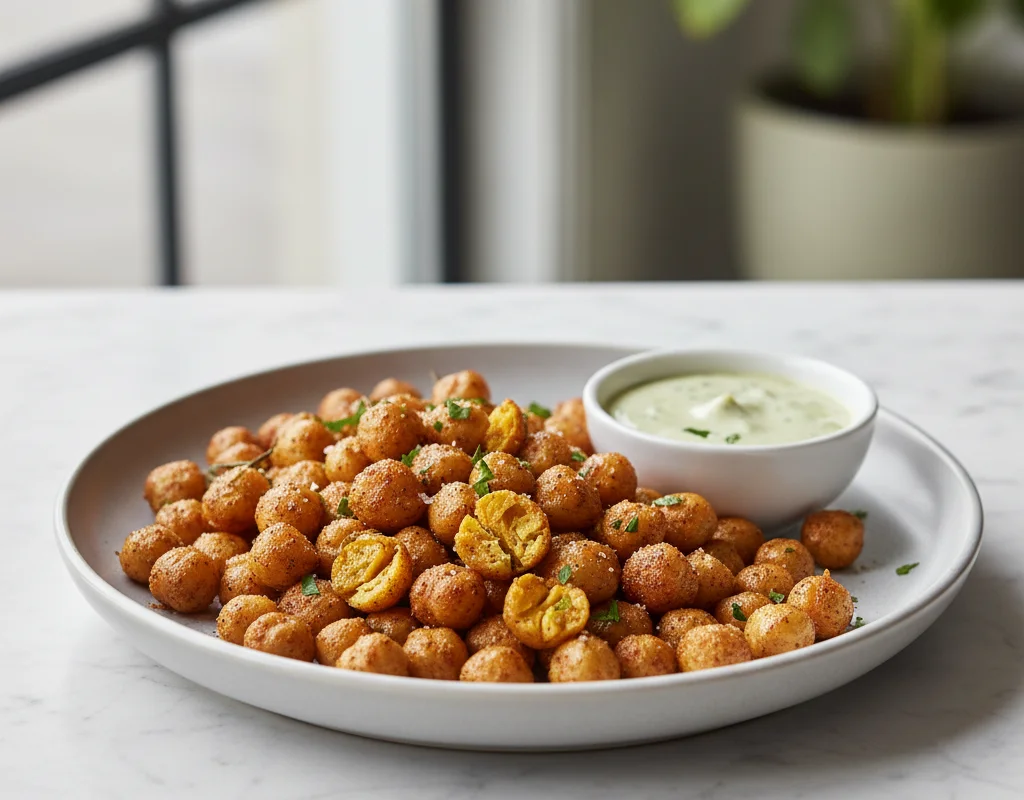
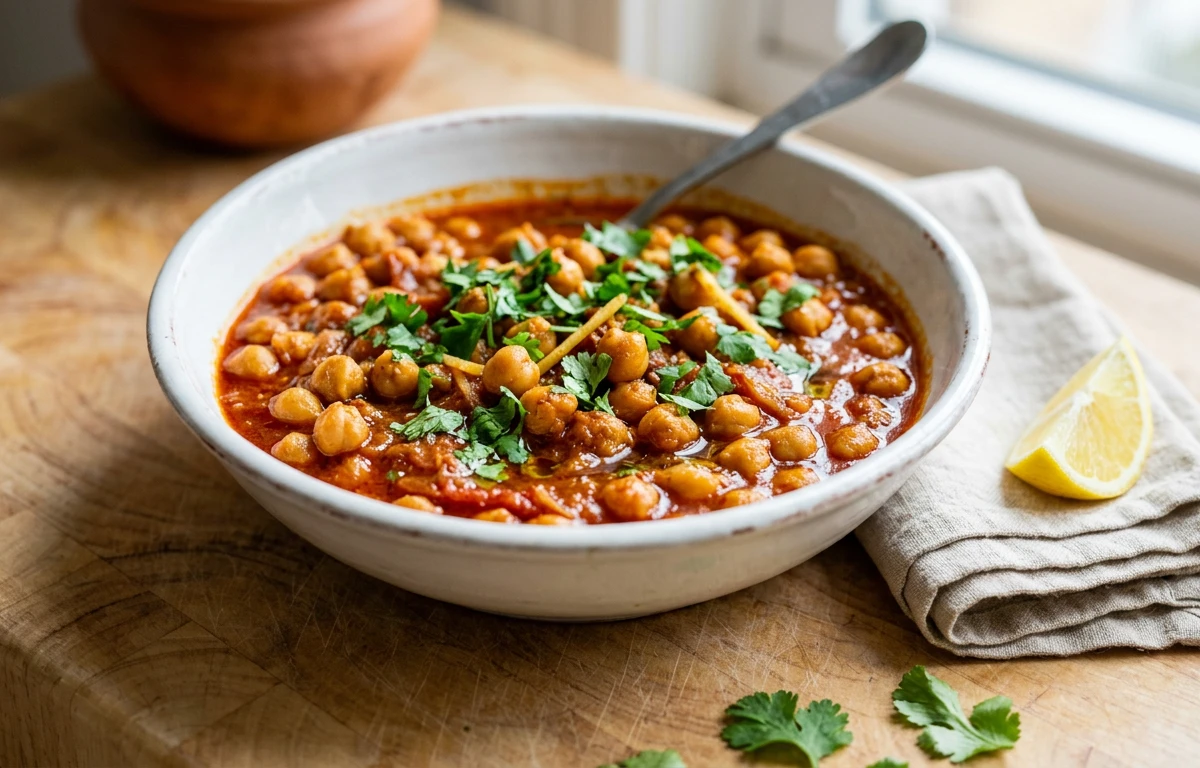
Three Classic Ways to Use Them
Once you have a batch of cooked chickpeas, the possibilities are endless. Here are three foundational recipes to get you started.
Want powerful ingredients like chickpeas worked into a balanced week?
Our meal planner uses staples like chickpeas to build satisfying, high-protein, high-fiber meals. We handle the portions and pairings so you get a delicious, balanced week and a single, simple grocery list.
Build my weekly plan →This guide is general information, not medical advice. If you have a health condition or take medication, consult your doctor or a registered dietitian before making big changes to your diet.
One more thing
Eating well is rarely about willpower. It’s about having a short list of dinners you actually want to eat. Pick two from this list. Make them next week. The rest will follow.
If you want these on autopilot, our weekly meal planner can drop the picks above into your calendar with one click and build a single grocery list from the merged ingredients.
FREQUENTLY ASKED QUESTIONS
Frequently asked questions
Are chickpeas a carb or a protein?
They're both! Chickpeas are primarily a source of complex carbohydrates, but they also contain a very significant amount of plant-based protein. It's this combination, along with their high fiber content, that makes them so nutritious and filling.
Are canned chickpeas as healthy as dried?
Nutritionally, they are very similar. The main difference is that canned chickpeas often have added sodium and preservatives. If using canned, it's a good idea to rinse them well to wash away excess salt. Cooking from dried is more economical and gives you better flavor and texture.
Do I really have to soak dried chickpeas?
Soaking is highly recommended. It reduces cooking time significantly and helps break down complex sugars (oligosaccharides) that can cause gas and bloating, making them easier to digest. If you use a pressure cooker, you can sometimes skip soaking, but it will require a longer cooking time.
Why do chickpeas cause gas for some people?
Chickpeas contain fiber and oligosaccharides, which are types of carbohydrates that our bodies can't fully digest. Instead, they are fermented by bacteria in our large intestine, which can produce gas. Soaking chickpeas well, rinsing them, and cooking them thoroughly can help reduce this effect.

ABOUT THE AUTHOR
Shreya Chatterjee
NUTRITION WRITER
Shreya is a nutrition writer and the voice behind The Nutrition Pen, where she turns evidence-based nutrition into simple, repeatable eating habits. Her writing focuses on practical food guidance — what to actually put on the plate — for readers who want to eat well without the noise.
Meet the editorial team →METHODOLOGY
How this article was created
Built using verified nutrition databases, culinary research, and traditional cooking knowledge — every claim is cross-referenced against the sources listed in the article.
· USDA data· Culinary research· Quality reviewed
Read our methodology →TRANSPARENCY
About this content
Articles are curated using trusted food databases (USDA FoodData Central, IFCT), culinary literature, and dietary guidelines, then structured by our editorial team for clarity, accuracy, and usefulness.
· Verified data sources· Culinary research· Quality reviewed
Read our editorial policy →RELATED RECIPES
Cook from this article
EXPLORE OUR MEALS
Meals that fit this article

AMERICAN · 1677 CAL
Almonds with Sliced Apple + supplement + iron

MEDITERRANEAN · 809 CAL
Greek Yogurt with Berries Almonds and Granola + supplement + iron

GENERAL_HEALTHY · 705 CAL
Banana with Peanut Butter Pregnancy + supplement + iron
MODERN · 982 CAL
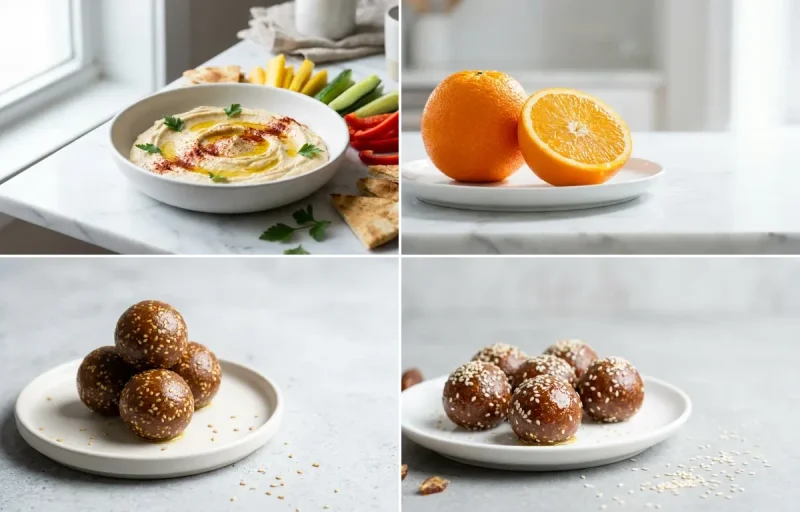
Hummus with Crudits and Pita with Fresh Orange Snack + supplement + iron
TAGGED
KEEP READING