Let's be honest, kohlrabi looks like a tiny alien spaceship landed in the produce aisle. It's an odd-looking thing. But peel away that pale green or purple skin and you'll find one of the most underrated vegetables around: crisp, juicy, and surprisingly sweet, like the best part of a broccoli stem. It's also a nutritional hero in disguise — incredibly low in calories and carbs, but packing a serious punch of vitamin C and fiber. It's the crunchy, satisfying snack you've been overlooking.
↑ Kohlrabi's name is German for 'cabbage-turnip' — a good description of its mild, cruciferous flavor.
The alien in the veg aisle
It's not a root, and it's not a cabbage, but something in between. Kohlrabi is the swollen stem of a cabbage plant, and it's built for crunch. Forget any ideas about tough, bitter brassicas. A fresh kohlrabi, peeled of its woody outer layer, is juicy, crisp, and mildly sweet. Think of a jicama or a water chestnut, but with a faint, pleasant peppery note from the cabbage family.
It's this crisp, refreshing texture that makes it so versatile. You can eat it raw — which is my favorite way — or you can roast, steam, or mash it. It's a texture-first vegetable that also happens to be a nutritional superstar.
Think of it as a crisp, juicy, slightly sweet broccoli stem you can eat raw. Low-cal, low-carb, and loaded with vitamin C.
Kohlrabi nutrition facts
Here's the nutritional breakdown for a 100-gram portion of raw kohlrabi, which is about two-thirds of a cup, sliced. For so few calories, the Vitamin C content is remarkable.
The two numbers that jump out are the calories and the vitamin C. At just 27 calories, it's one of the least energy-dense foods you can find. And with 62 mg of vitamin C, a single serving provides more than two-thirds of your daily needs. The high fiber content relative to its low carb count is what makes it so friendly for blood sugar and weight management.
Kohlrabi's glycemic index
The glycemic index (GI) of kohlrabi is so low that it's rarely even measured formally. As a non-starchy vegetable with very few carbohydrates (most of which are fiber), its effect on blood sugar is minimal. For context, it would have a much lower GI than even low-GI fruits like apples or cherries. It's a food you can eat without worrying about blood sugar spikes at all.
GLYCEMIC INDEX · KOHLRABI vs COMMON FOODS
Kohlrabi has a minimal blood sugar impact
Kohlrabi
non-starchy veg (est.)
LOW
Cherries
whole fruit
LOW
Apple
whole fruit
LOW
Pineapple
whole fruit
MEDIUM
White bread
refined
HIGH
SCALE 0–90
04590
How to actually use one
Kohlrabi is easy to love once you get past the prep. There's really only one rule.
01
Peel it aggressively.
The outer skin is tough and fibrous. Use a sharp knife or a sturdy vegetable peeler to remove the entire outer layer until you get to the pale, tender flesh inside.
02
Eat it raw.
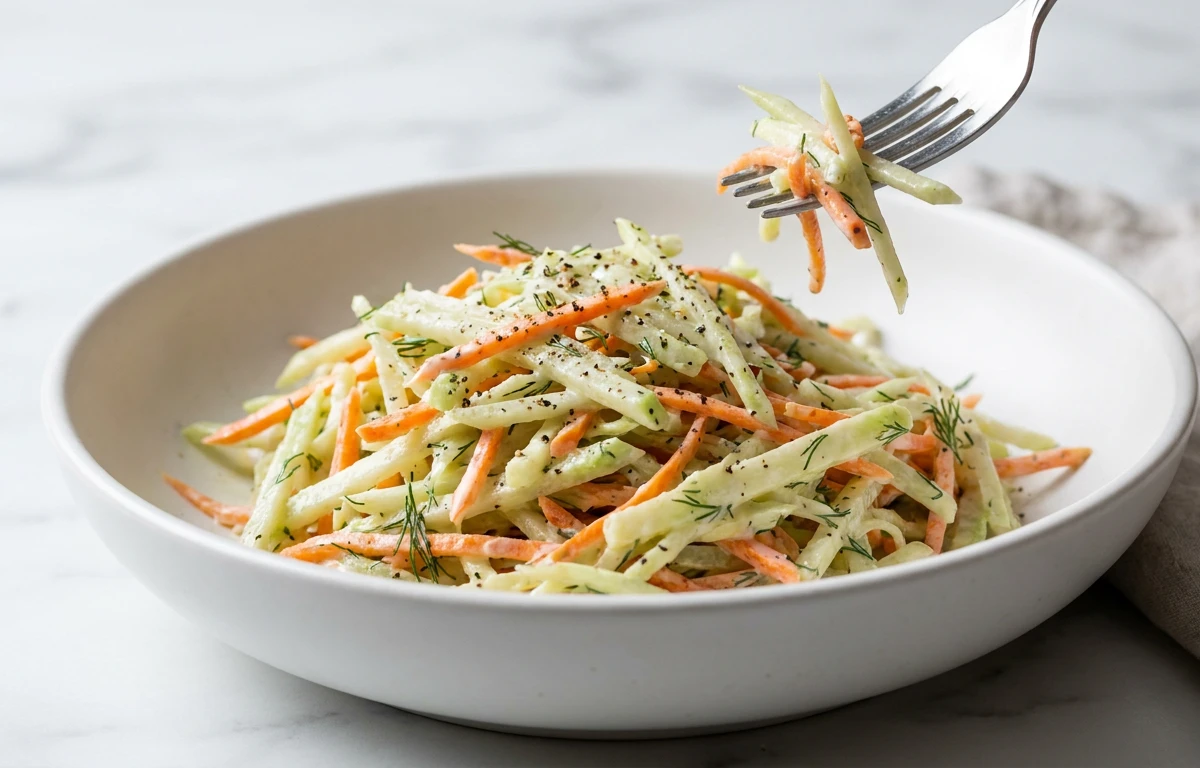
This is where kohlrabi shines. Slice it into thin rounds or sticks for dipping in hummus. Shred it into a slaw with carrots and a creamy dressing. It's pure, refreshing crunch.
03
Roast it.
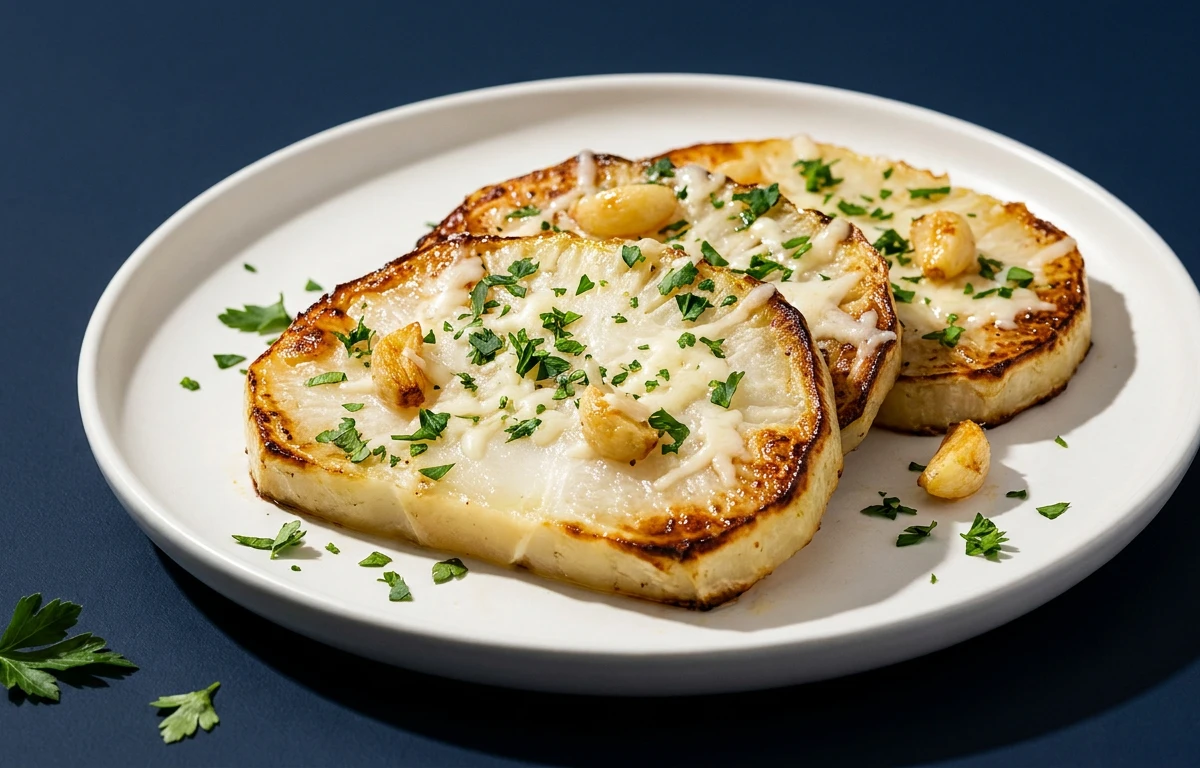
Toss cubes of kohlrabi with olive oil, salt, and pepper. Roast at 400°F (200°C) until tender and lightly caramelized. It becomes sweeter and softer, like a roasted turnip.
04
Sauté or steam it.
Diced kohlrabi can be sautéed with butter and herbs, or steamed until tender and served as a simple side dish. It cooks much faster than potatoes.
05
Don't forget the leaves.
If your kohlrabi comes with leaves, don't throw them out! They can be washed and cooked just like kale or collard greens.
What kohlrabi is good for
01
An outstanding Vitamin C source
A 100g serving delivers nearly 70% of your daily vitamin C, crucial for immune defense, healthy skin, and antioxidant protection.
69%
vit C DV
02
Weight management & fullness
With just 27 calories and over 3.5 grams of fiber, kohlrabi is incredibly filling for its calorie cost, making it a perfect snack or side for weight loss.
27
calories
03
Excellent for blood sugar control
The combination of very low net carbs (~2.6g) and high fiber means kohlrabi has a minimal effect on blood sugar, making it ideal for low-carb diets and diabetes.
GI
very low
04
A boost for gut health
The significant amount of both soluble and insoluble fiber helps promote regular bowel movements and feeds beneficial gut bacteria.
3.6 g
fiber
What to pair kohlrabi with
Kohlrabi's mild, sweet crunch makes it a great team player. Pair it with fats or proteins for a balanced snack, or acids to brighten its flavor.
Eat freely — or be mindful?
Three ways to eat it
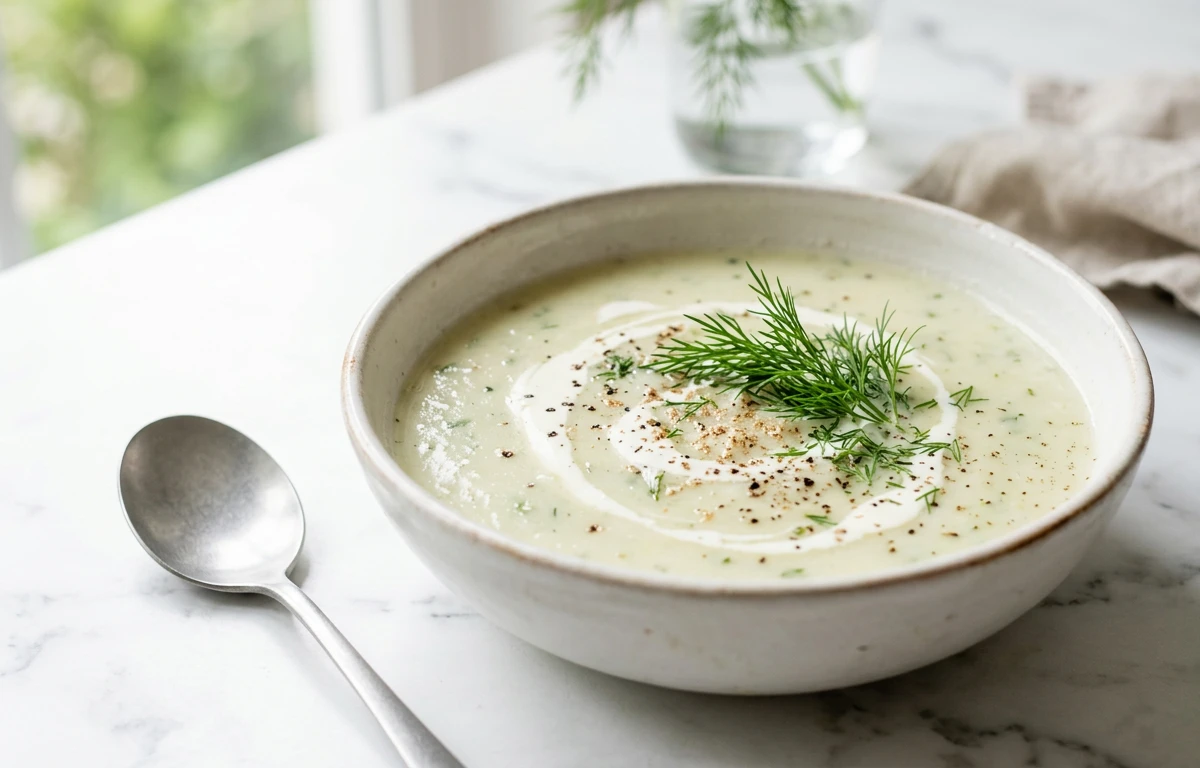
Ready to move kohlrabi from a curiosity to a staple? Here are three simple ways to get started.
Want healthy vegetables worked into a balanced week — without the planning?
Our meal planner pairs vegetables like kohlrabi with protein and healthy fats for steady energy, with portions and macros already calculated and a single grocery list at the end.
Build my weekly plan →SOURCES & REFERENCES · 3
One more thing
Eating well is rarely about willpower. It’s about having a short list of dinners you actually want to eat. Pick two from this list. Make them next week. The rest will follow.
If you want these on autopilot, our weekly meal planner can drop the picks above into your calendar with one click and build a single grocery list from the merged ingredients.
FREQUENTLY ASKED QUESTIONS
Frequently asked questions
What does kohlrabi taste like?
It tastes like a mild, sweet, and extra-crunchy broccoli stem. It's not bitter or overpowering. When cooked, its sweetness becomes more pronounced.
Can you eat kohlrabi raw?
Absolutely! Eating it raw is one of the best ways to enjoy it. Just make sure to peel the tough outer skin first. It's great sliced into sticks for dipping or shredded into salads and slaws.
Is kohlrabi good for a keto diet?
Yes, kohlrabi is excellent for keto. A 100-gram serving has only about 2.6 grams of net carbs (total carbs minus fiber), making it a great low-carb vegetable for snacking or as a side dish.
How do you pick a good kohlrabi?
Look for small to medium-sized bulbs (2-3 inches in diameter) that feel heavy for their size. Avoid any with cracks, soft spots, or yellowing leaves. If the leaves are attached, they should look fresh and green.
METHODOLOGY
How this article was created
Built using verified nutrition databases, culinary research, and traditional cooking knowledge — every claim is cross-referenced against the sources listed in the article.
· USDA data· Culinary research· Quality reviewed
Read our methodology →TRANSPARENCY
About this content
Articles are curated using trusted food databases (USDA FoodData Central, IFCT), culinary literature, and dietary guidelines, then structured by our editorial team for clarity, accuracy, and usefulness.
· Verified data sources· Culinary research· Quality reviewed
Read our editorial policy →RELATED RECIPES
Cook from this article
EXPLORE OUR MEALS
Meals that fit this article

AMERICAN · 1677 CAL
Almonds with Sliced Apple + supplement + iron

MEDITERRANEAN · 809 CAL
Greek Yogurt with Berries Almonds and Granola + supplement + iron

GENERAL_HEALTHY · 705 CAL
Banana with Peanut Butter Pregnancy + supplement + iron
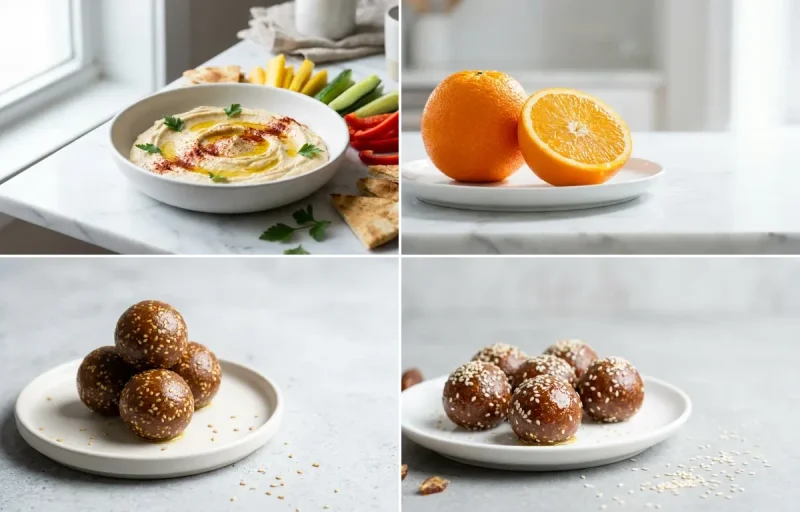
MODERN · 982 CAL
Hummus with Crudits and Pita with Fresh Orange Snack + supplement + iron
TAGGED
KEEP READING