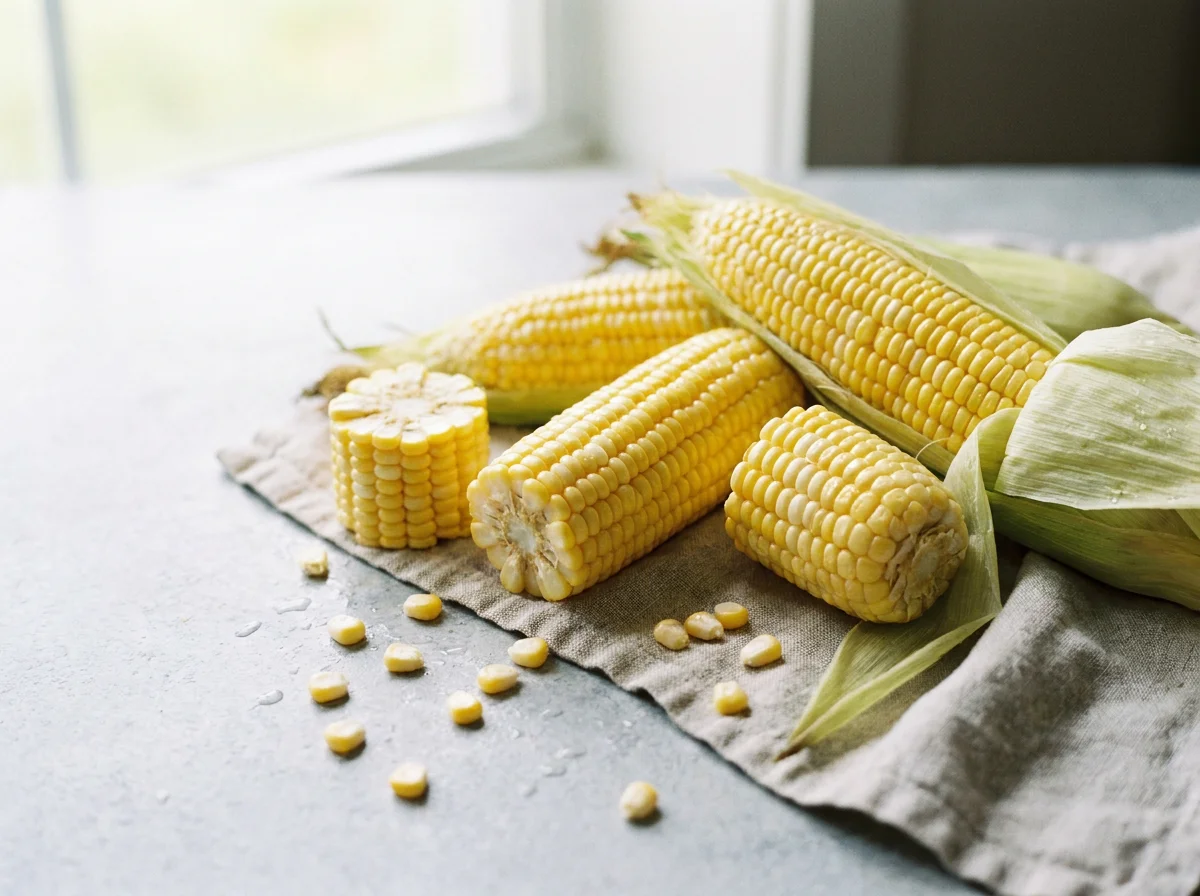
Brown rice wears a heavy health halo. It's the grain everyone swaps in to make a meal 'better,' and for good reason — compared to white rice, it's a clear winner. But it's not a free pass. It's still a dense source of carbohydrates with a chewy, nutty character and a nutritional profile that's more nuanced than just 'healthy.' The trick is understanding what it brings to the table: valuable fiber and minerals, yes, but also a significant calorie and carb load that demands mindful portioning.
↑ Brown rice is a whole grain, meaning it contains the bran, germ, and endosperm.
The whole-grain truth
The only real difference between brown and white rice is a single step of processing. Brown rice is the entire grain—the fibrous bran, the nutritious germ, and the starchy endosperm. To make white rice, machines mill and polish it, stripping away the bran and germ. That process removes most of the fiber, vitamins, and minerals, leaving behind a faster-digesting starch.
So yes, brown rice is unequivocally more nutritious. But it's important to see it for what it is: a starchy carbohydrate that provides energy. Its extra fiber and nutrients just make it a much smarter, slower-burning source of that energy.
Brown rice is a whole grain with more fiber and nutrients than white, but it's still a high-carb food with a medium glycemic index. Portion size is everything.
Brown rice nutrition facts
Here's the nutritional breakdown for 100 grams of uncooked brown rice, which cooks up to about 2.5 to 3 cups. A typical serving is about 1/2 to 1 cup cooked.
The standout numbers here are for minerals. Brown rice is an excellent source of manganese, a mineral crucial for bone formation and metabolism, and a very good source of magnesium and selenium. The fiber content, while not as high as beans or lentils, is significantly better than white rice's negligible amount.
Brown rice's glycemic index
Glycemic index (GI) tells us how quickly a food's carbohydrates raise blood sugar. Foods under 55 are 'low,' 56-69 are 'medium,' and 70+ are 'high.' While we don't have a single verified number, most studies place brown rice in the 'medium' category, typically in the mid-to-high 60s. This is a huge improvement over white rice, which is often in the high 70s or even 80s, but it's not as gentle as low-GI foods like barley or quinoa. That fiber in the bran makes all the difference, slowing down digestion and preventing the sharp spike you get from refined grains.
GLYCEMIC INDEX · BROWN RICE vs COMMON FOODS
Brown rice sits in the medium-GI band
Apple
whole fruit
LOW
Pineapple
whole fruit
MEDIUM
Brown Rice
whole grain
MEDIUM
White bread
refined
HIGH
Cornflakes
refined
HIGH
SCALE 0–90
04590
How to eat it right
Getting the most out of brown rice is less about complex recipes and more about a few simple habits.
01
Measure your portion.
This is the big one. A serving is about ½ cup cooked (around 100 calories). It's easy to serve yourself two or three times that amount, which turns a healthy side into a calorie bomb.
02
Pair it with protein and fat.
Never eat a big bowl of plain rice. Adding chicken, fish, beans, avocado, or a drizzle of olive oil slows digestion further and creates a balanced, satisfying meal.
03
Think of it as a base, not the main event.
Let vegetables and protein fill at least two-thirds of your plate. The rice is there to provide sustained energy and carry flavor, not to be the star.
04
Rinse before cooking.
Rinsing brown rice in a fine-mesh sieve until the water runs clear washes away excess surface starch. This results in a fluffier texture and slightly less stickiness.
What brown rice is good for
01
Sustained, slower-release energy
As a medium-GI whole grain, it provides carbohydrates for energy without the sharp blood sugar spike and crash of refined grains like white rice.
Medium
glycemic
02
A major source of manganese
Just 100g of raw rice provides over a day's worth of manganese, a mineral vital for antioxidant function, metabolism, and bone development.
130%
Mn DV
03
Supports digestive health
The insoluble fiber in brown rice helps add bulk to stool and promotes regularity, acting as a gentle aid for the digestive system.
3.4 g
fiber
04
Rich in magnesium
Brown rice is a good source of magnesium, which is involved in hundreds of bodily processes, including muscle function, nerve signaling, and blood pressure control.
28%
Mg DV
What to pair brown rice with
Brown rice's nutty, earthy flavor is a fantastic canvas. Pairing it with protein, healthy fats, and lots of non-starchy vegetables is the key to a balanced meal.
Eat freely — or be mindful?
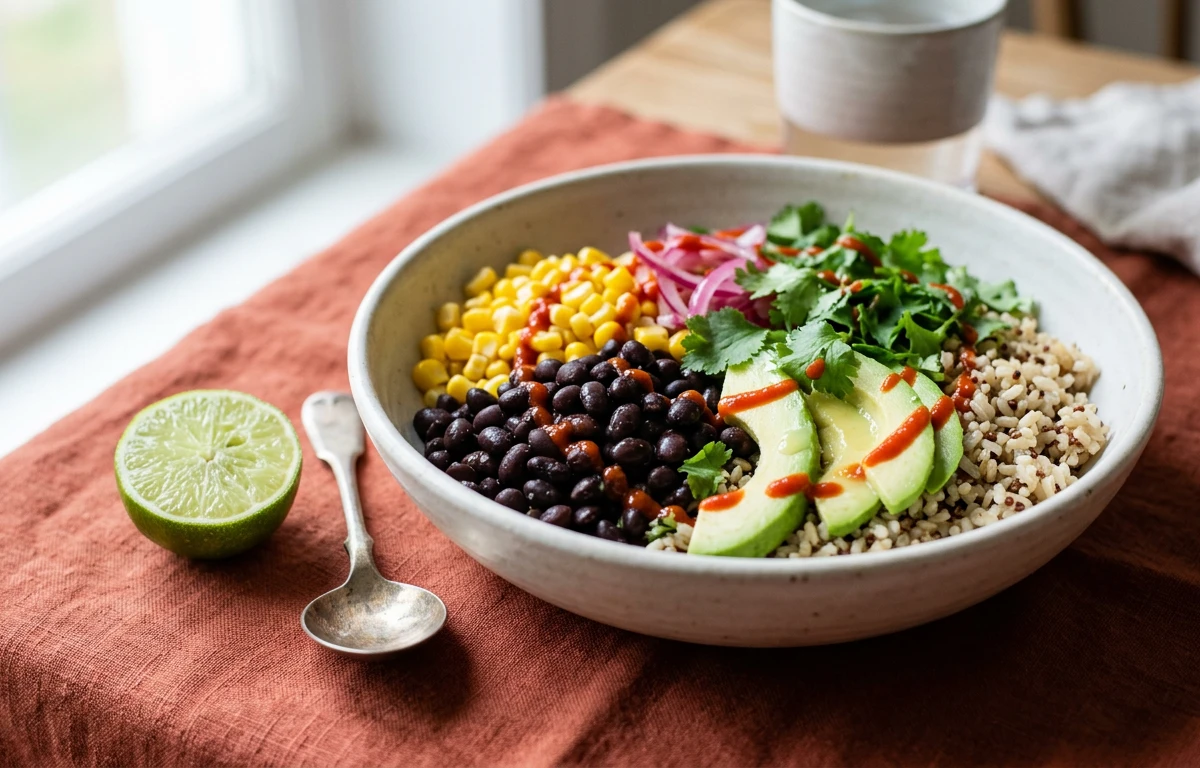
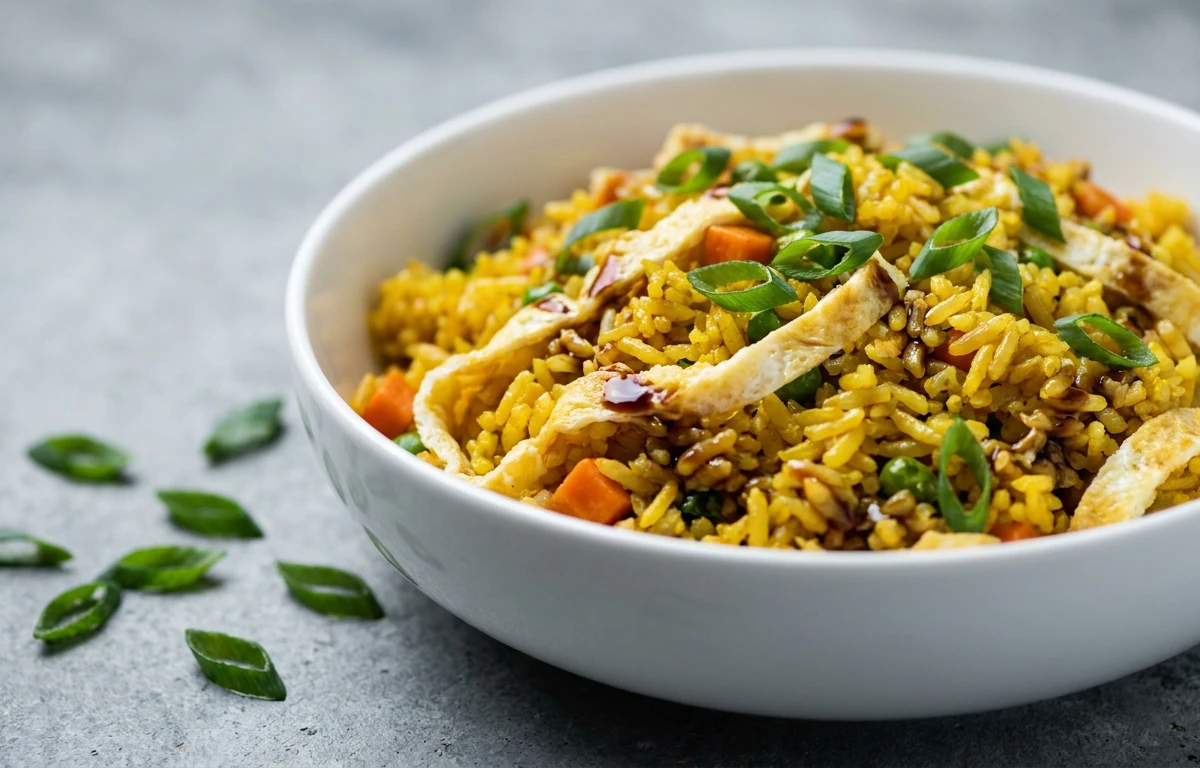
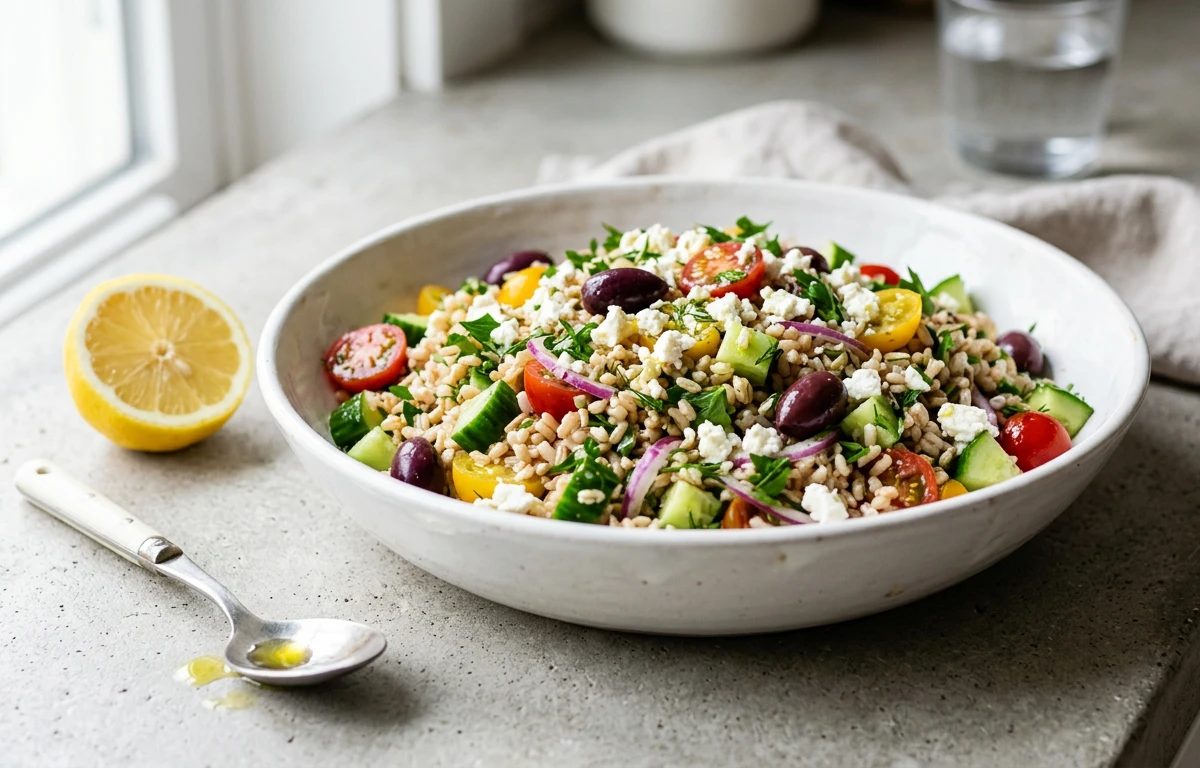
Three ways to eat it
Move beyond plain steamed rice. These simple ideas build balanced, flavorful meals on a brown rice base.
Want balanced carbs worked into your week — without the guesswork?
Our meal planner intelligently pairs grains like brown rice with the right amount of protein, fat, and vegetables for steady energy. Get balanced portions, macros calculated for you, and a single grocery list.
Build my weekly plan →SOURCES & REFERENCES · 3
One more thing
Eating well is rarely about willpower. It’s about having a short list of dinners you actually want to eat. Pick two from this list. Make them next week. The rest will follow.
If you want these on autopilot, our weekly meal planner can drop the picks above into your calendar with one click and build a single grocery list from the merged ingredients.
FREQUENTLY ASKED QUESTIONS
Frequently asked questions
Is brown rice good for people with diabetes?
It's a better choice than white rice, but it must be eaten in moderation. Its medium glycemic index and fiber content lead to a slower rise in blood sugar. However, it is still a significant source of carbohydrates, so portion control (around 1/2 cup cooked) is essential and should be discussed with a doctor or dietitian.
Does brown rice help with weight loss?
It can. The fiber in brown rice helps you feel fuller for longer, which can help control overall calorie intake. But it's also calorie-dense, so large portions can easily lead to weight gain. Stick to small servings as part of a balanced meal.
Is brown rice significantly healthier than white rice?
Yes. Brown rice retains its bran and germ, which are packed with fiber, magnesium, manganese, and other vitamins and minerals that are stripped from white rice. This makes it better for blood sugar control, digestion, and overall nutrient intake.
What about arsenic in brown rice?
Rice, in general, can absorb arsenic from soil and water. Brown rice tends to have higher levels than white because arsenic accumulates in the bran. You can reduce levels by rinsing rice thoroughly and cooking it with a higher water-to-rice ratio (like pasta), then draining the excess water. For most people, eating rice as part of a varied diet is not a concern.
METHODOLOGY
How this article was created
Built using verified nutrition databases, culinary research, and traditional cooking knowledge — every claim is cross-referenced against the sources listed in the article.
· USDA data· Culinary research· Quality reviewed
Read our methodology →TRANSPARENCY
About this content
Articles are curated using trusted food databases (USDA FoodData Central, IFCT), culinary literature, and dietary guidelines, then structured by our editorial team for clarity, accuracy, and usefulness.
· Verified data sources· Culinary research· Quality reviewed
Read our editorial policy →RELATED RECIPES
Cook from this article
EXPLORE OUR MEALS
Meals that fit this article

AMERICAN · 1677 CAL
Almonds with Sliced Apple + supplement + iron

MEDITERRANEAN · 809 CAL
Greek Yogurt with Berries Almonds and Granola + supplement + iron

GENERAL_HEALTHY · 705 CAL
Banana with Peanut Butter Pregnancy + supplement + iron

MODERN · 982 CAL
Hummus with Crudits and Pita with Fresh Orange Snack + supplement + iron
TAGGED
KEEP READING