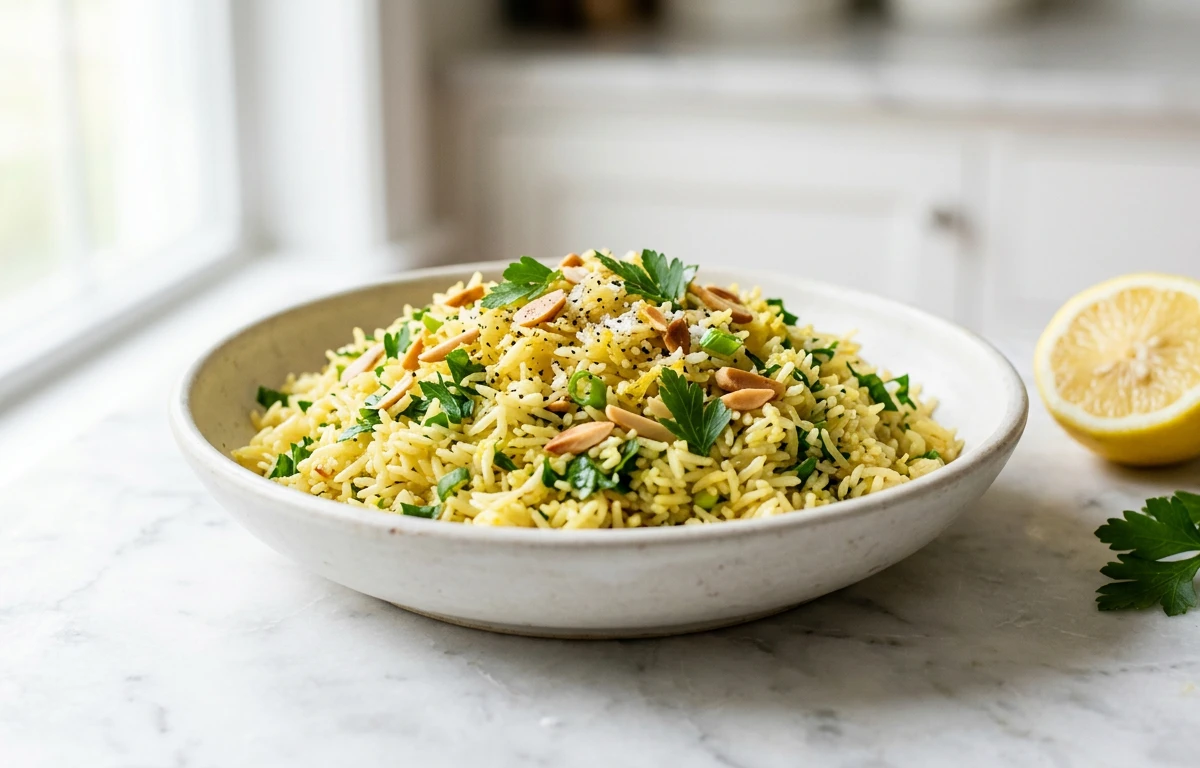
Let's clear something up: not all white rice is the same. We tend to lump it all together as a simple, fast-digesting carb, but that's not the whole story. Basmati, the long-grain, aromatic rice from the foothills of the Himalayas, is different. It cooks up fluffy and separate, not sticky, and its unique starch structure means it behaves differently in your body. It’s the smarter white rice, and understanding why can change the way you build your plate.
↑ Fluffy, long-grain basmati rice, a smarter choice than typical white rice.
The smarter white rice
Basmati rice isn't just a culinary upgrade; it's a nutritional one, too. Compared to the short-grain, sticky white rice you might get with sushi, basmati has a different type of starch called amylose. This makes it harder for your digestive enzymes to break down, leading to a slower, gentler release of sugar into your bloodstream. It's still a refined carbohydrate, don't get me wrong. Brown rice will always win on fiber and micronutrients. But if you're going to eat white rice, making it basmati is a genuinely better choice.
IN ONE LINE
Basmati is a medium-GI grain that's a better choice than standard white rice, but portion control and pairing it with protein and fiber are still key.
Basmati rice nutrition facts
These numbers are for 100 grams of dry basmati rice, which is a large portion that cooks up to about 3 cups. A typical cooked serving is about one-third of this, so keep that in mind.
The key takeaway here is that it's almost pure carbohydrate. The protein content is modest but not insignificant, while the fiber is quite low. This is what makes it so easy to digest, but also why pairing it with fiber-rich foods like vegetables and lentils is so important.
Basmati's glycemic index
Glycemic index (GI) is where basmati really stands out from the crowd. While most white rice varieties have a high GI (70+), basmati consistently scores in the medium range, typically between 50 and 60. This is a significant difference. It means a portion of basmati will raise your blood sugar more slowly and steadily than the same portion of, say, jasmine or short-grain white rice. It's still not as low as whole grains like barley or quinoa, but it's a major improvement within the white rice category.
GLYCEMIC INDEX · BASMATI RICE vs COMMON FOODS
Basmati sits in the medium-GI band
Apple
whole fruit
LOW
Mango
whole fruit
LOW
Basmati Rice
this food
MEDIUM
Pineapple
whole fruit
MEDIUM
White Bread
refined
HIGH
SCALE 0–90
04590
How to cook & eat it right
Getting the most out of basmati isn't just about choosing it, but how you prepare and eat it.
01
Measure your portion.
This is rule number one. Use a measuring cup. A sensible serving is about ½ to 1 cup, cooked. Don't just eyeball it from the pot.
02
Pair it with protein, fat, and fiber.
Never eat a big bowl of rice on its own. Add dal, chicken, fish, or a mountain of vegetables. This blunts the blood sugar response even further.
03
Rinse before cooking.
Rinsing basmati in cold water until it runs clear washes away excess surface starch. This is the secret to getting those distinct, fluffy grains.
04
Try cooling it.
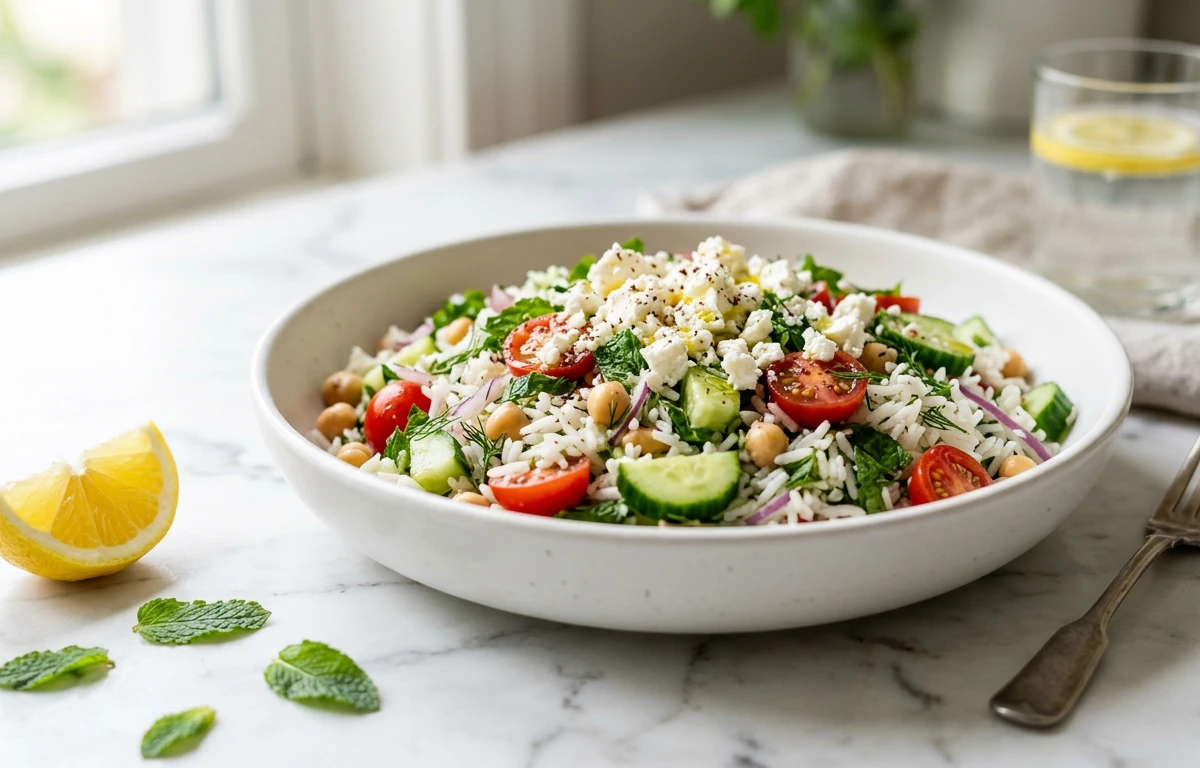
Letting cooked rice cool allows some of its starch to turn into 'resistant starch,' which acts like fiber and has an even lower GI. It's great for rice salads.
What basmati rice is good for
01
Gentler blood sugar response
Its medium GI makes it a better carbohydrate choice than other white rices, especially for those managing blood sugar levels.
Medium
Glycemic Index
02
Easy to digest
The low fiber content makes basmati very gentle on the digestive system, ideal for when you're recovering from a stomach bug or have a sensitive gut.
1.3 g
fiber per 100g
03
A source of quick energy
As a readily available carbohydrate, it's an excellent fuel source for athletes or for replenishing energy stores after a workout.
79.9 g
carbs per 100g
04
A versatile culinary base
Its delicate aroma and non-sticky texture make it the perfect canvas for everything from rich curries to light pilafs and salads.
Fluffy
texture
What to pair basmati with
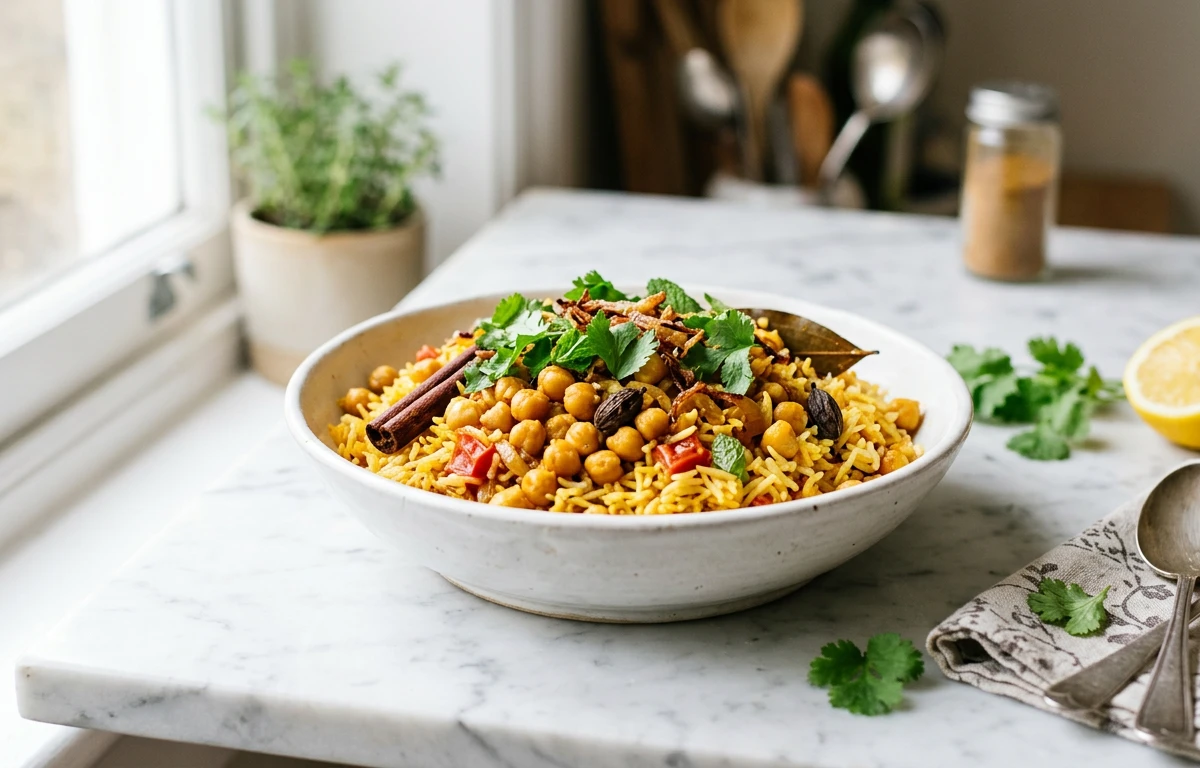
Think of basmati as the foundation. What you build on top is what makes it a balanced meal.
Eat freely — or be mindful?
Three ways to use it
Move beyond plain steamed rice with these simple, balanced ideas.
Want balanced carbs in your meal plan — without the guesswork?
Our meal planner intelligently incorporates smarter carbs like basmati rice, paired correctly with protein and fiber to support steady energy. We handle the portions and pairings so you can enjoy your food.
Build my weekly plan →SOURCES & REFERENCES · 3
One more thing
Eating well is rarely about willpower. It’s about having a short list of dinners you actually want to eat. Pick two from this list. Make them next week. The rest will follow.
If you want these on autopilot, our weekly meal planner can drop the picks above into your calendar with one click and build a single grocery list from the merged ingredients.
FREQUENTLY ASKED QUESTIONS
Frequently asked questions
Is basmati rice good for people with diabetes?
It can be, with care. It's a better choice than other white rices due to its medium GI. However, it is still a carbohydrate that will raise blood sugar. Strict portion control (e.g., ½ to 1 cup cooked) and pairing it with protein and fat is essential. Always follow your personal healthcare provider's advice.
Is basmati rice healthier than brown rice?
From a pure nutrient standpoint, no. Brown rice has the bran and germ intact, providing more fiber, magnesium, and other vitamins. Basmati is the healthier choice among white rices, but whole-grain brown rice is the overall winner for nutrition.
Why does basmati rice have a lower glycemic index?
It comes down to starch composition. Basmati has a higher concentration of a starch called amylose, which forms a tighter, more compact structure that is harder for digestive enzymes to break down. This leads to a slower release of sugar into the blood.
Do I really need to rinse basmati rice?
For the best texture, yes. Rinsing removes the powdery excess starch from the surface of the grains. This prevents them from clumping together and results in the fluffy, separate grains that basmati is famous for.

ABOUT THE AUTHOR
Shreya Chatterjee
NUTRITION WRITER
Shreya is a nutrition writer and the voice behind The Nutrition Pen, where she turns evidence-based nutrition into simple, repeatable eating habits. Her writing focuses on practical food guidance — what to actually put on the plate — for readers who want to eat well without the noise.
Meet the editorial team →METHODOLOGY
How this article was created
Built using verified nutrition databases, culinary research, and traditional cooking knowledge — every claim is cross-referenced against the sources listed in the article.
· USDA data· Culinary research· Quality reviewed
Read our methodology →TRANSPARENCY
About this content
Articles are curated using trusted food databases (USDA FoodData Central, IFCT), culinary literature, and dietary guidelines, then structured by our editorial team for clarity, accuracy, and usefulness.
· Verified data sources· Culinary research· Quality reviewed
Read our editorial policy →RELATED RECIPES
Cook from this article
EXPLORE OUR MEALS
Meals that fit this article
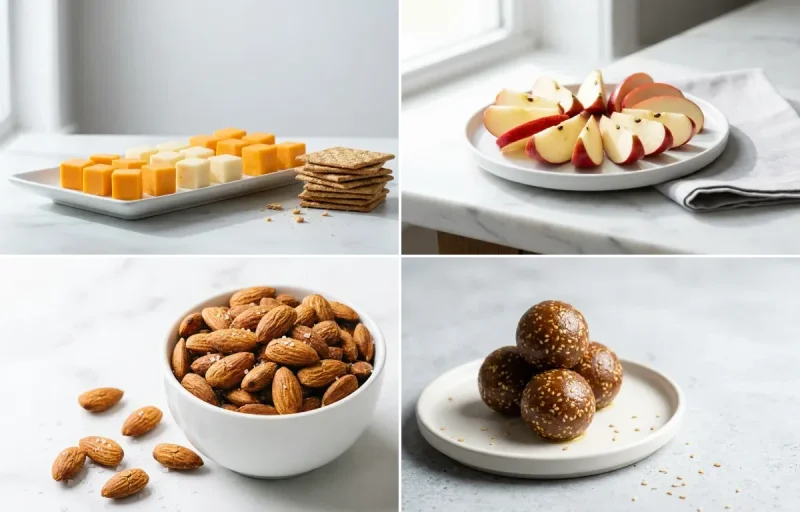
AMERICAN · 1677 CAL
Almonds with Sliced Apple + supplement + iron
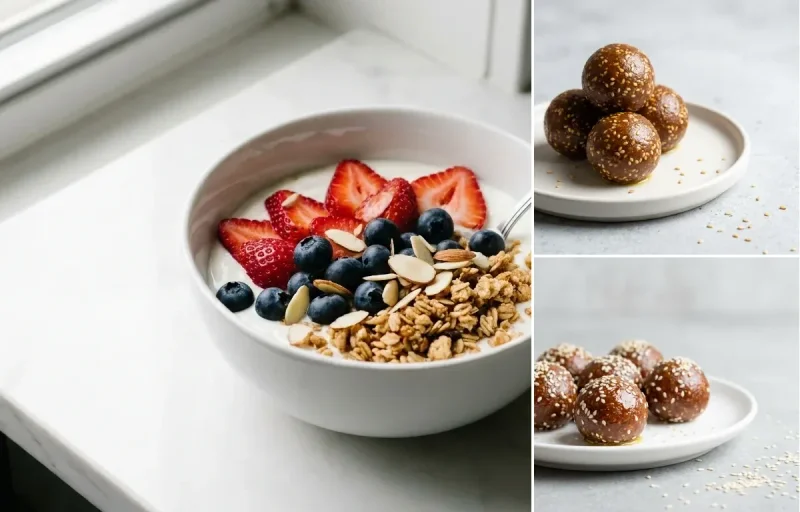
MEDITERRANEAN · 809 CAL
Greek Yogurt with Berries Almonds and Granola + supplement + iron

GENERAL_HEALTHY · 705 CAL
Banana with Peanut Butter Pregnancy + supplement + iron

MODERN · 982 CAL
Hummus with Crudits and Pita with Fresh Orange Snack + supplement + iron
TAGGED
KEEP READING