Most people buy turnips for the root and toss the tops. This is, to put it mildly, a mistake. Those vibrant, slightly bitter leaves are one of the most nutrient-dense greens you can eat, packing a staggering amount of vitamin C for almost no calories. They're a staple of Southern cooking for a reason: they're cheap, deeply flavorful, and incredibly good for you. It's time the rest of us caught on.
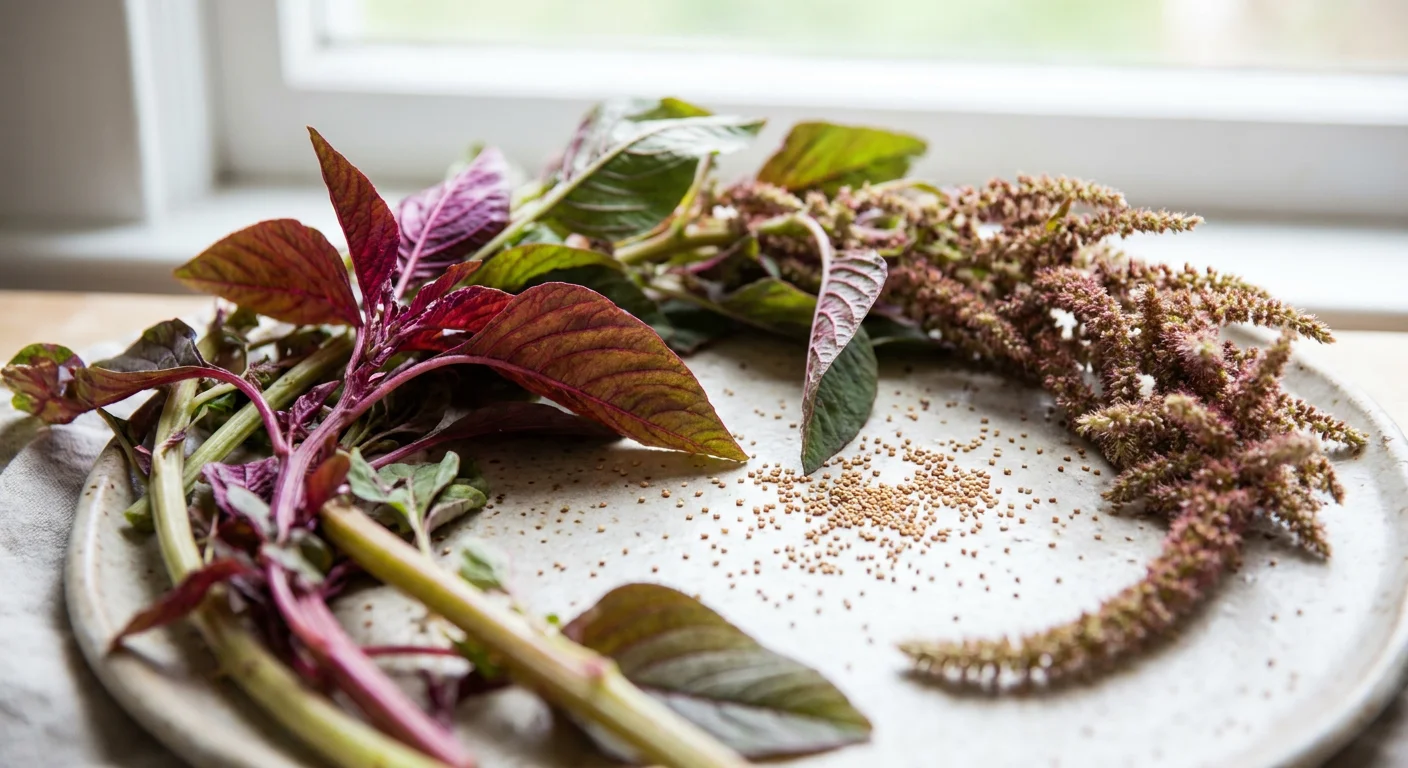
↑ Turnip greens are most often eaten cooked, which softens their texture and mellows their flavor.
The wildly underrated green
Turnip greens have a peppery, slightly bitter flavor that's somewhere between mustard greens and kale. When you cook them, that sharp edge mellows into a deep, savory flavor that's fantastic with just a bit of salt and vinegar.
But the real story is the nutrition. For a vegetable that's often treated as a scrap, they punch way above their weight. You get a huge dose of vitamin C, a nice bit of fiber, and all for the calorie cost of a couple of apple slices. They're a perfect example of a food that's both humble and a true nutritional powerhouse.
IN ONE LINE
For just 32 calories, 100g of turnip greens deliver a huge hit of vitamin C and over 3 grams of fiber. They're one of the most nutrient-dense foods you can eat.
Turnip greens nutrition facts
Here's the nutritional breakdown for a 100-gram serving of raw turnip greens, which cooks down to about one and a half cups.
The standout number here is the vitamin C — 60 milligrams is two-thirds of your daily need, which is incredible for a leafy green. It's more than you'd get from an orange. The fiber content is also solid, helping to make these greens surprisingly filling for so few calories.
Turnip greens and glycemic index
There isn't an official, lab-tested glycemic index value for turnip greens. But we don't really need one. As a non-starchy, high-fiber leafy vegetable, their impact on blood sugar is negligible. They're mostly water and fiber with very few digestible carbs. For all practical purposes, their GI is extremely low.
This means they're an excellent food for blood sugar management. They add bulk and nutrients to a meal without adding to the glycemic load. When you see them on a chart, they sit at the absolute bottom end of the scale.
GLYCEMIC INDEX · TURNIP GREENS vs COMMON FOODS
Turnip greens have a minimal glycemic impact
Turnip Greens
non-starchy veg (est.)
LOW
Apple
whole fruit
LOW
Pineapple
whole fruit
MEDIUM
White bread
refined
HIGH
SCALE 0–90
04590
How to cook them right
The biggest barrier for most people is the slightly bitter taste. But that's easy to manage. A few simple steps will turn a bunch of tough, sharp greens into a tender, delicious side.
01
Wash them thoroughly.
Like most greens, they can be sandy. Submerge them in a big bowl of cold water, swish them around, and let the grit sink to the bottom before lifting the greens out.
02
Remove the tough stems.
Fold the leaf in half and rip or slice the thick stem away from the leaf. You can chop the tender upper stems, but the thick lower ones are too fibrous.
03
Blanch them first (optional).
If you're sensitive to bitterness, boiling the greens in salted water for 2-3 minutes before you finish cooking them will remove much of the sharp edge.
04
Cook with fat and acid.
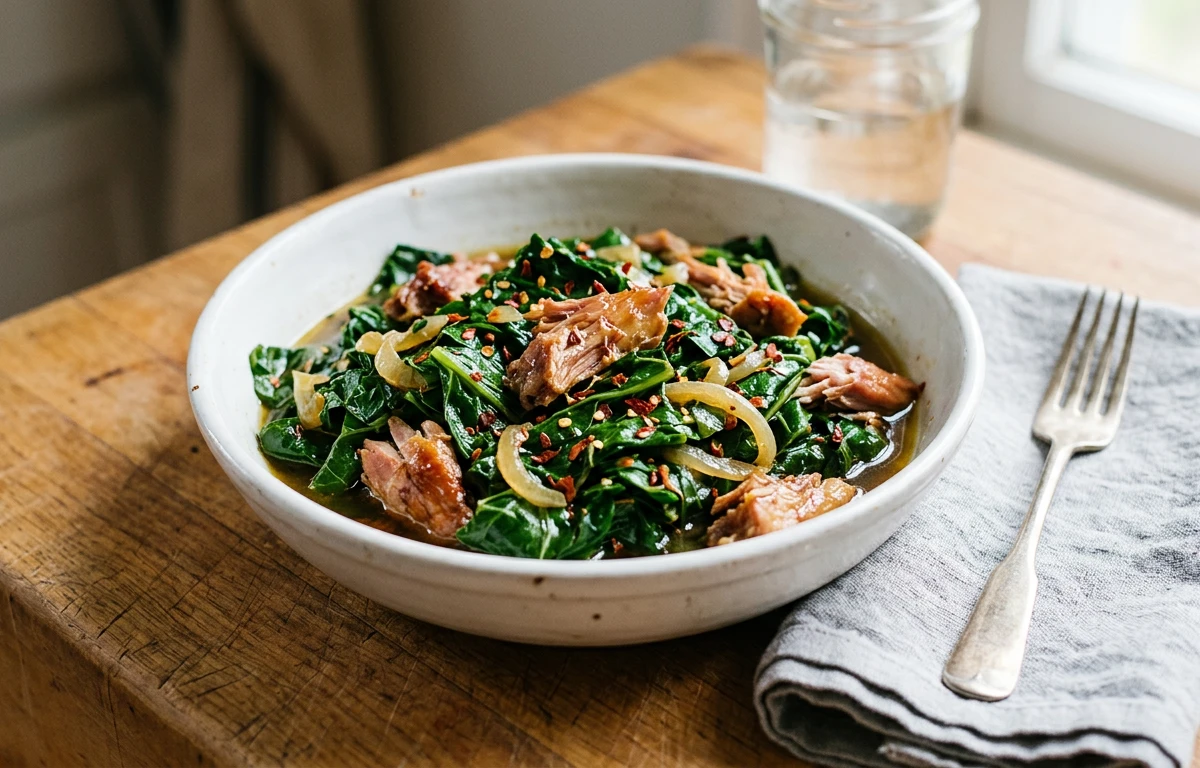
The classic Southern method of simmering greens with a piece of smoked meat (like a turkey wing) and a splash of vinegar at the end is popular for a reason. The fat and acid balance the bitterness perfectly.
05
Don't boil them to death.
A long, slow simmer is traditional, but a quick 10-15 minute braise or sauté is often all they need to become tender. They should be soft, but not mushy.
What turnip greens are good for
01
A huge vitamin C boost
With 60mg per 100g, turnip greens are an outstanding source of vitamin C, crucial for immune function, skin health, and antioxidant defense.
67%
vit C DV
02
Excellent for weight management
At only 32 calories, the high fiber and water content helps you feel full, making them a smart addition to any meal if you're watching your weight.
32
calories
03
Supports stable blood sugar
With an extremely low glycemic index and just a few grams of net carbs, turnip greens are one of the best vegetables for people with diabetes or on a low-carb diet.
~3.9g
net carbs
04
A good source of fiber
Providing over 3 grams of fiber, they contribute to digestive health, regularity, and feeding a healthy gut microbiome.
3.2 g
fiber
What to pair turnip greens with
Turnip greens love rich, smoky, and acidic flavors to balance their peppery bite. Think classic comfort food pairings.
Who should eat them?
Three ways to cook them
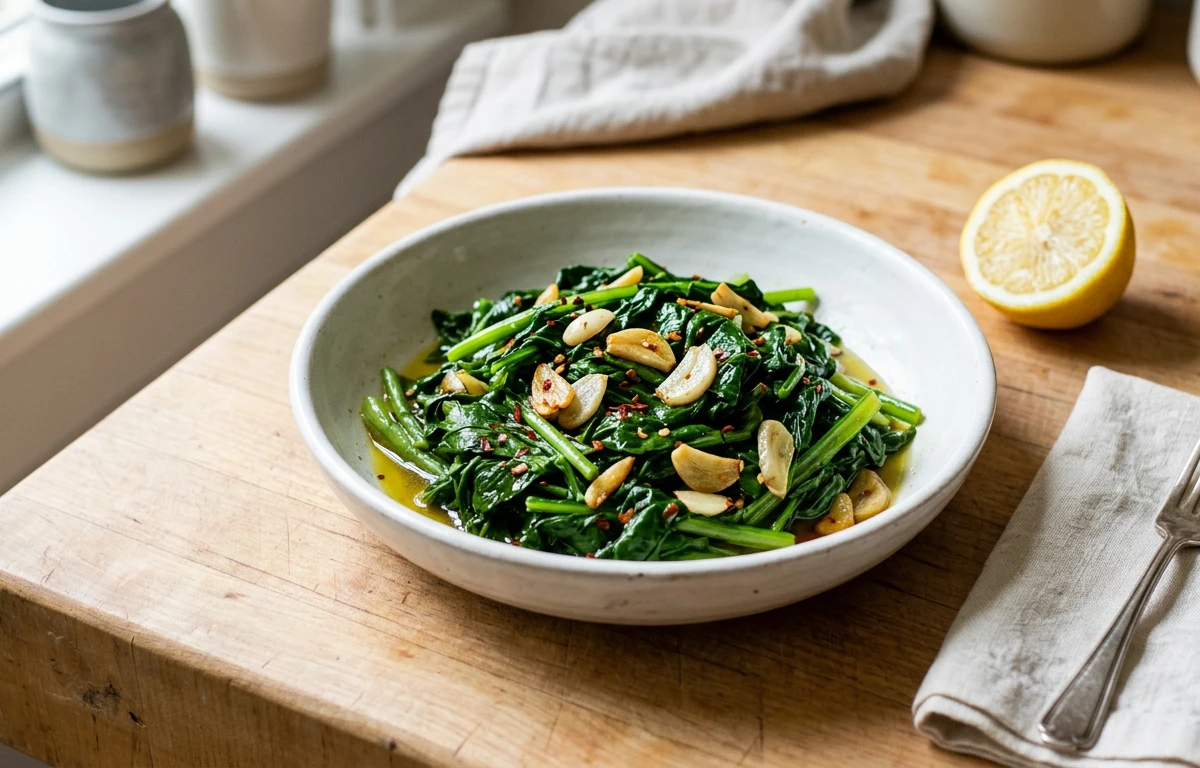
From the classic Southern simmer to a quick weeknight sauté, here are three easy ways to get turnip greens on your plate.
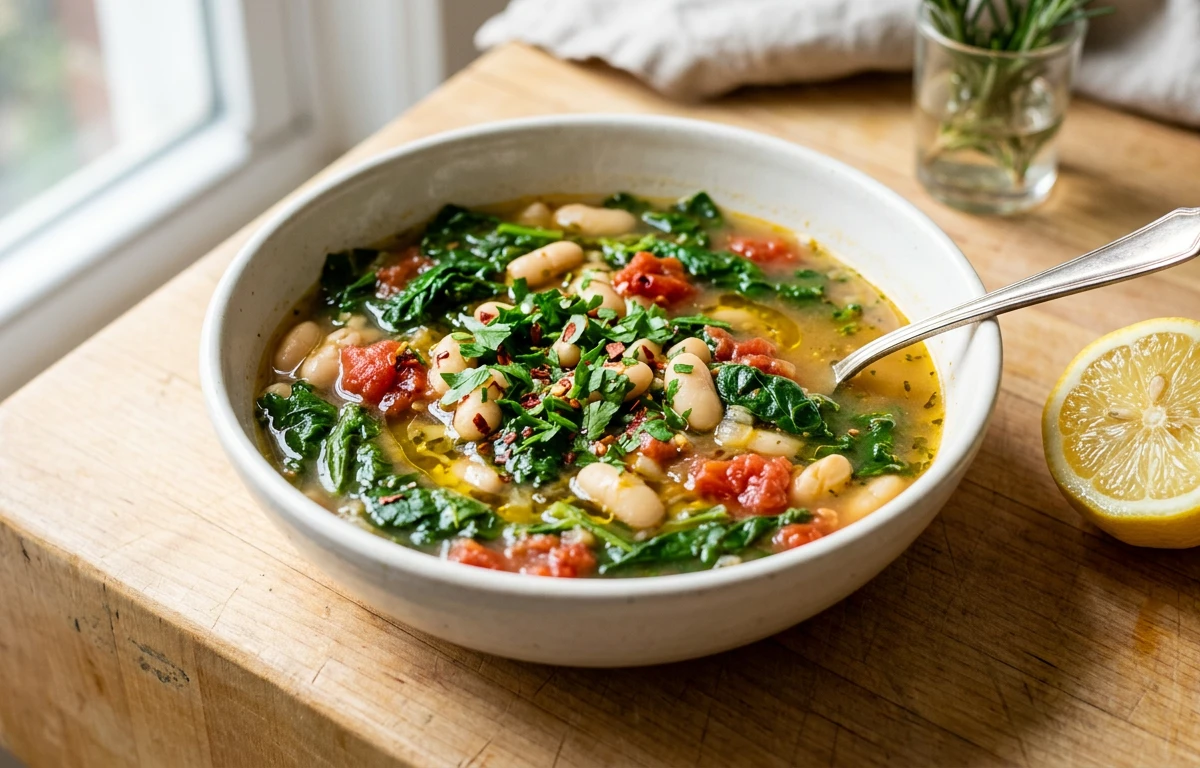
Want more healthy greens in your week, without the guesswork?
Our meal planner can build a custom plan that incorporates nutrient-dense foods like turnip greens into delicious, easy-to-make meals, all while hitting your nutrition targets.
Build my weekly plan →SOURCES & REFERENCES · 3
One more thing
Eating well is rarely about willpower. It’s about having a short list of dinners you actually want to eat. Pick two from this list. Make them next week. The rest will follow.
If you want these on autopilot, our weekly meal planner can drop the picks above into your calendar with one click and build a single grocery list from the merged ingredients.
FREQUENTLY ASKED QUESTIONS
Frequently asked questions
Are turnip greens good for people with diabetes?
Yes, they are an excellent choice. They are very low in carbohydrates and have a negligible effect on blood sugar, while providing valuable fiber and nutrients.
What do turnip greens taste like? Are they bitter?
They have a peppery and slightly bitter taste, similar to mustard greens or kale. Cooking them, especially with a little fat (like olive oil or bacon) and acid (like vinegar), significantly mellows the bitterness and brings out a savory flavor.
Which is healthier: the turnip root or the greens?
The greens are significantly more nutrient-dense. While the root is a healthy vegetable, the leaves contain far higher concentrations of vitamins (especially Vitamin C) and minerals for far fewer calories.
Can you eat turnip greens raw?
You can, but they are quite tough and bitter when raw. If you want to try it, it's best to use very young, tender leaves and chop them very finely into a salad, or blend them into a smoothie with fruit to balance the flavor.

ABOUT THE AUTHOR
Shreya Chatterjee
NUTRITION WRITER
Shreya is a nutrition writer and the voice behind The Nutrition Pen, where she turns evidence-based nutrition into simple, repeatable eating habits. Her writing focuses on practical food guidance — what to actually put on the plate — for readers who want to eat well without the noise.
Meet the editorial team →METHODOLOGY
How this article was created
Built using verified nutrition databases, culinary research, and traditional cooking knowledge — every claim is cross-referenced against the sources listed in the article.
· USDA data· Culinary research· Quality reviewed
Read our methodology →TRANSPARENCY
About this content
Articles are curated using trusted food databases (USDA FoodData Central, IFCT), culinary literature, and dietary guidelines, then structured by our editorial team for clarity, accuracy, and usefulness.
· Verified data sources· Culinary research· Quality reviewed
Read our editorial policy →RELATED RECIPES
Cook from this article
EXPLORE OUR MEALS
Meals that fit this article

AMERICAN · 1677 CAL
Almonds with Sliced Apple + supplement + iron

MEDITERRANEAN · 809 CAL
Greek Yogurt with Berries Almonds and Granola + supplement + iron

GENERAL_HEALTHY · 705 CAL
Banana with Peanut Butter Pregnancy + supplement + iron

MODERN · 982 CAL
Hummus with Crudits and Pita with Fresh Orange Snack + supplement + iron
TAGGED
KEEP READING