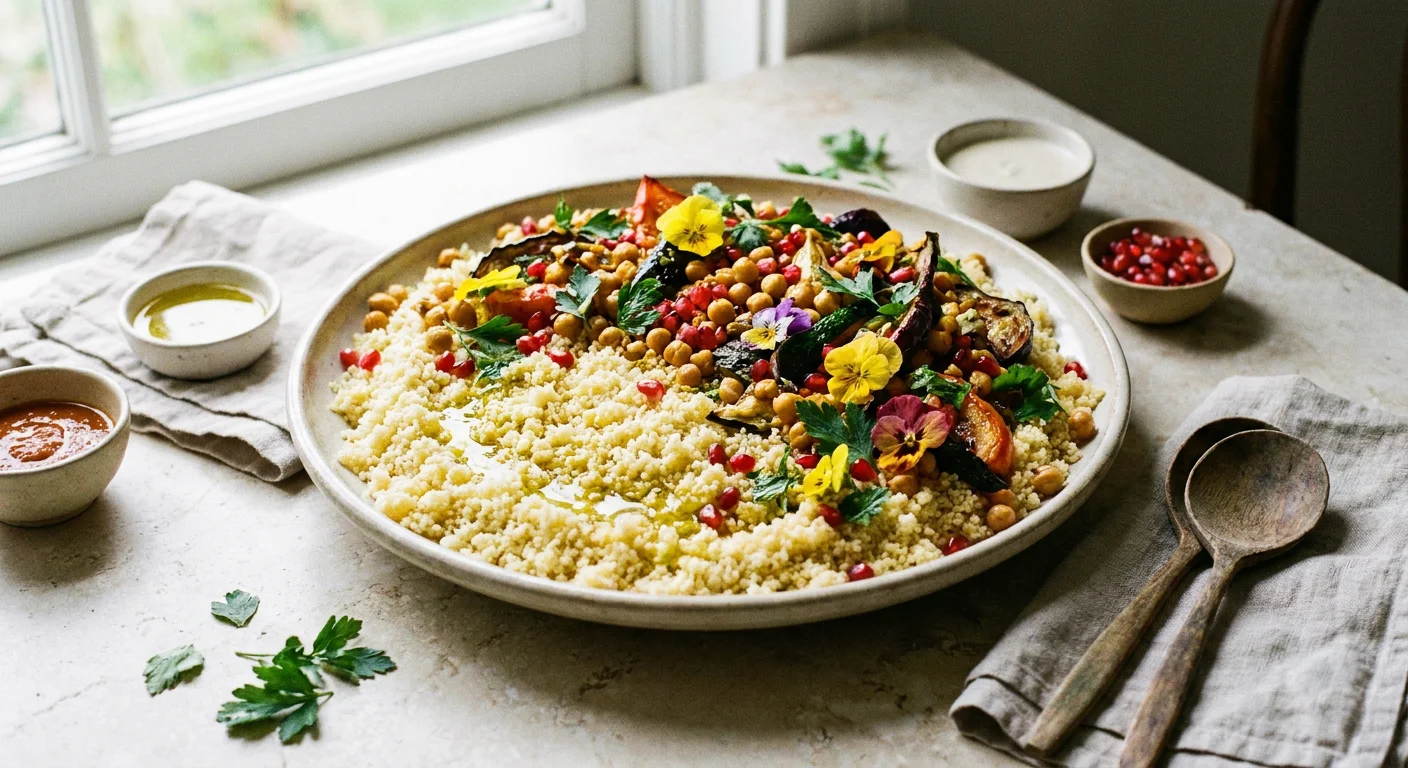
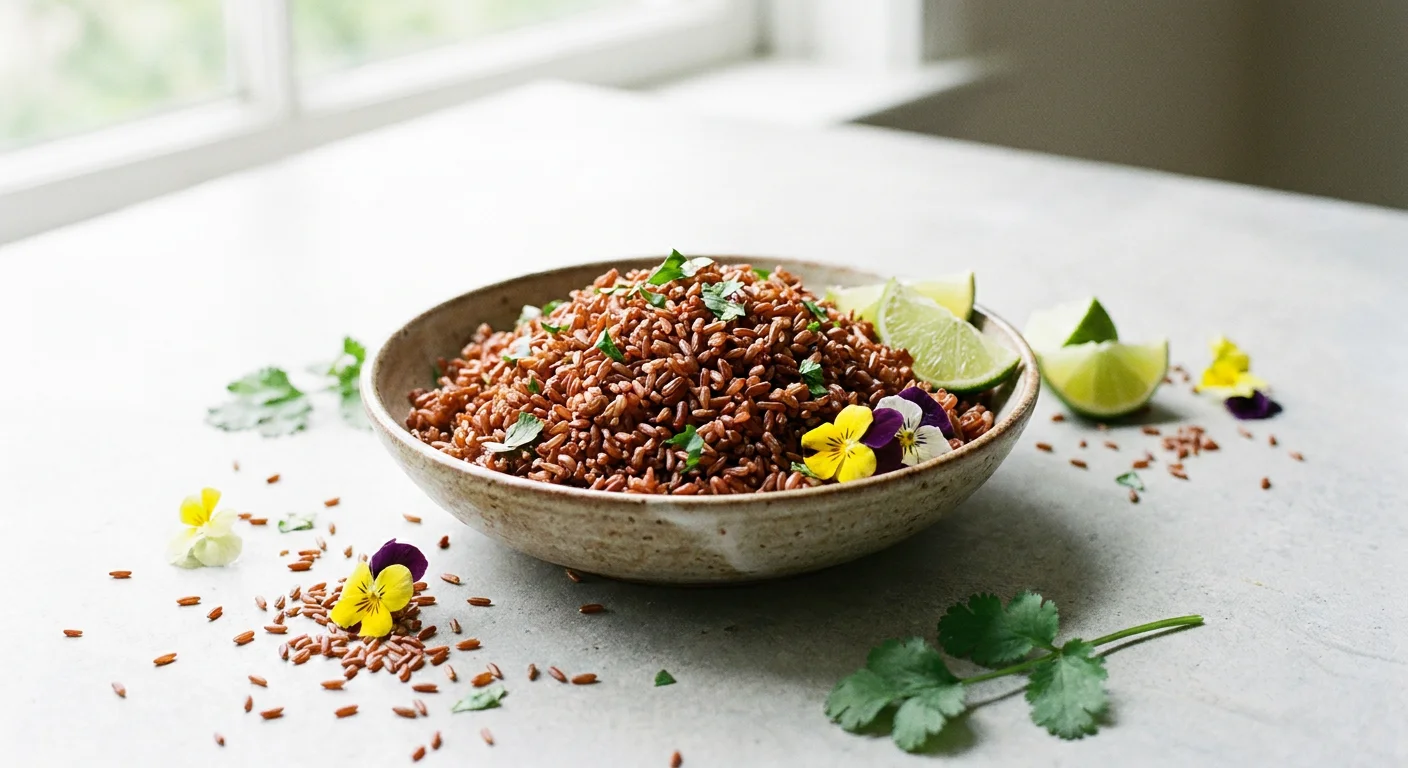
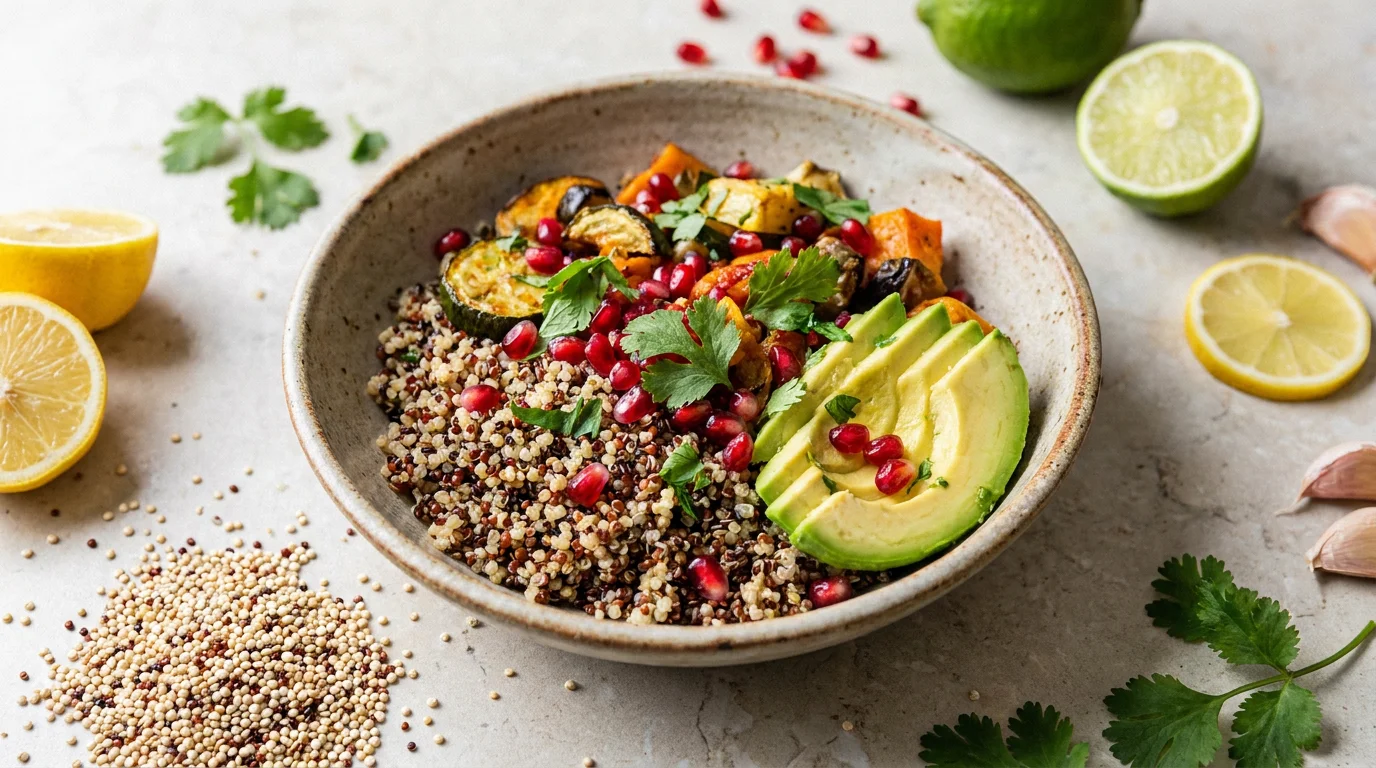
Millet is one of those grains that feels both ancient and brand new. For thousands of years, it was a staple across Africa and Asia, but in the West, we've mostly known it as birdseed. That's a real shame, because we've been missing out. Cooked right, millet is fluffy, nutty, and incredibly versatile. It’s also a gluten-free hero that packs a surprising amount of protein and a serious dose of fiber. The only tricky part? Its glycemic index, which can be a bit of a moving target. Let's clear that up.
↑ Fluffy cooked millet, a versatile and naturally gluten-free ancient grain.
The Comeback Grain We Forgot Was Food
For a grain that's been a staple for nearly 10,000 years, millet has a surprisingly low profile in modern Western kitchens. If you know it at all, you might know it as birdseed. It's time for a major rebrand. Millet isn't one single grain, but a family of small-seeded grasses that are naturally gluten-free, cook up in about 20 minutes, and have a lovely, mild corn-like flavor.
Think of it as a fantastic alternative to rice or quinoa. It can be fluffy like couscous, creamy like polenta, or hearty in a soup. And nutritionally, it holds its own with impressive protein and fiber numbers.
Millet is a quick-cooking, gluten-free ancient grain with a mild, nutty flavor. It's high in both protein and fiber, making it a satisfying alternative to rice or quinoa.
Millet nutrition facts
Here’s the nutritional breakdown for a 100-gram serving of dry millet, which cooks up to about 2.5 to 3 cups. That's a large portion, so you'd likely eat a third or half of this at a time.
The two numbers that really stand out are the protein and fiber. At 11 grams of protein, millet out-performs most other common grains, including quinoa. And with 8.5 grams of fiber, it's a fantastic food for gut health and for keeping you full long after a meal.
Millet's glycemic index: The real story
This is where things get a little complicated. Unlike a single type of fruit, there are many kinds of millet (pearl, foxtail, finger, proso), and their glycemic index (GI) scores vary. Some studies show certain varieties in the low-to-medium range, while others place more common types in the medium-to-high bracket. Generally, its GI is considered higher than barley but lower than white rice.
So, what does that mean for you? It means portion size matters, especially if you have diabetes. The good news is that millet's high fiber content helps buffer its carbohydrate load, slowing down digestion and preventing the sharp blood sugar spike you'd get from a refined grain like white bread.
GLYCEMIC INDEX · COMMON FOODS
Where millet fits on the GI scale
Apple
whole fruit
LOW
Pineapple
whole fruit
MEDIUM
Watermelon
whole fruit
HIGH
White bread
refined
HIGH
SCALE 0–90
04590
How to cook it right (and not get mush)
Badly cooked millet can be a sad, mushy affair. But a few simple steps guarantee a fluffy, delicious result every time.
01
Rinse it well.
This is non-negotiable. Rinsing removes saponins, a natural coating that can taste bitter or soapy. Just rinse in a fine-mesh sieve until the water runs clear.
02
Toast it first.
For a huge flavor boost, toast the rinsed, drained millet in a dry pot over medium heat for 4-5 minutes until it's fragrant and golden. It makes all the difference.
03
Use a 2:1 ratio.
For fluffy millet, use 2 parts liquid (water or broth) to 1 part dry millet. Bring to a boil, then cover, reduce heat to low, and simmer for 15-20 minutes.
04
Let it rest.
Once the water is absorbed, take the pot off the heat and let it stand, covered, for 10 minutes. Don't peek! Then fluff with a fork.
What millet is good for
01
A plant-protein star
With 11 grams of protein per 100g, millet is one of the highest-protein grains, making it excellent for satiety and muscle maintenance, especially on a plant-based diet.
11 g
protein
02
Serious fiber for gut health
Millet delivers a huge 8.5 grams of fiber, including insoluble fiber for regularity and soluble fiber that acts as a prebiotic to feed your good gut bacteria.
30%
fiber DV
03
100% gluten-free whole grain
It's a safe, nutritious, and versatile whole grain for anyone with celiac disease or non-celiac gluten sensitivity. A great swap for couscous or bulgur.
GF
certified
04
Packed with key minerals
Millet is a natural source of minerals like magnesium (for nerves and muscles), phosphorus (for bones), and manganese, which are vital for energy and antioxidant defense.
Mineral
rich
What to pair millet with
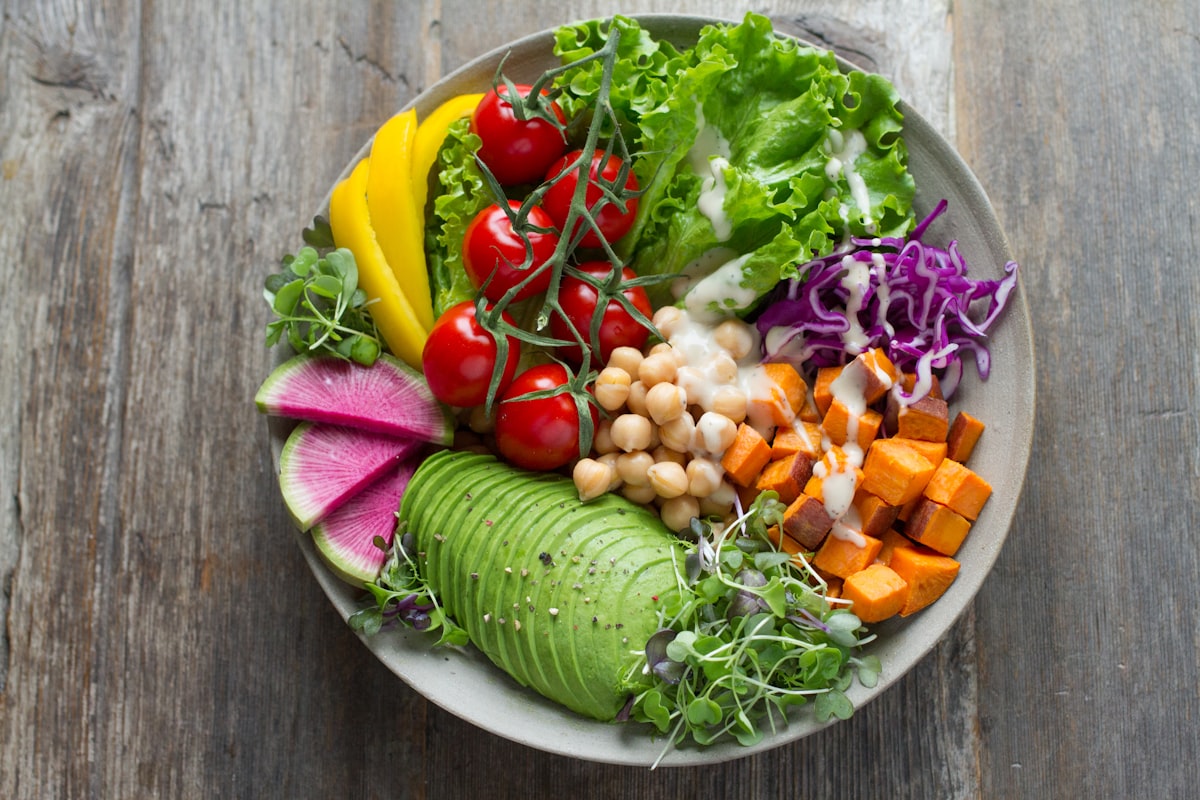
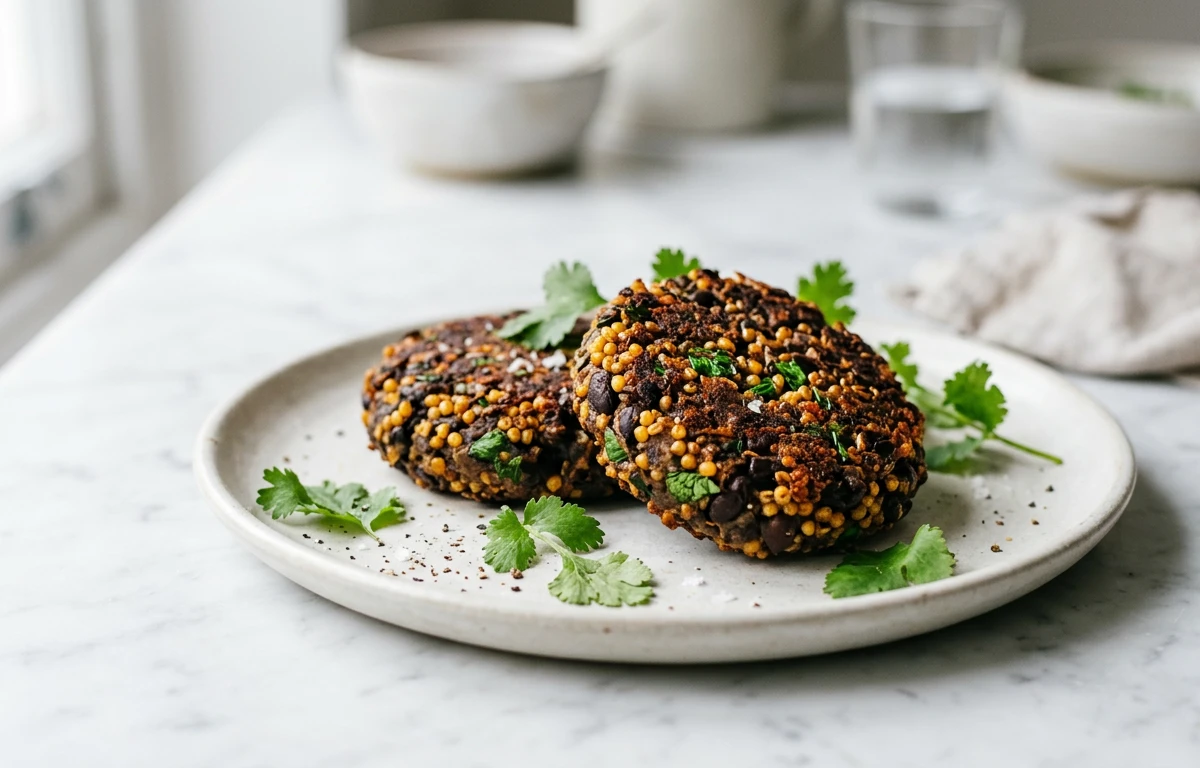
Millet's mild, slightly sweet flavor makes it a blank canvas. Pair it with bold flavors to make it shine.
Eat freely — or be mindful?
Three ways to eat it
Go beyond a simple side dish. Here are three easy ways to make millet a star player in your meals.
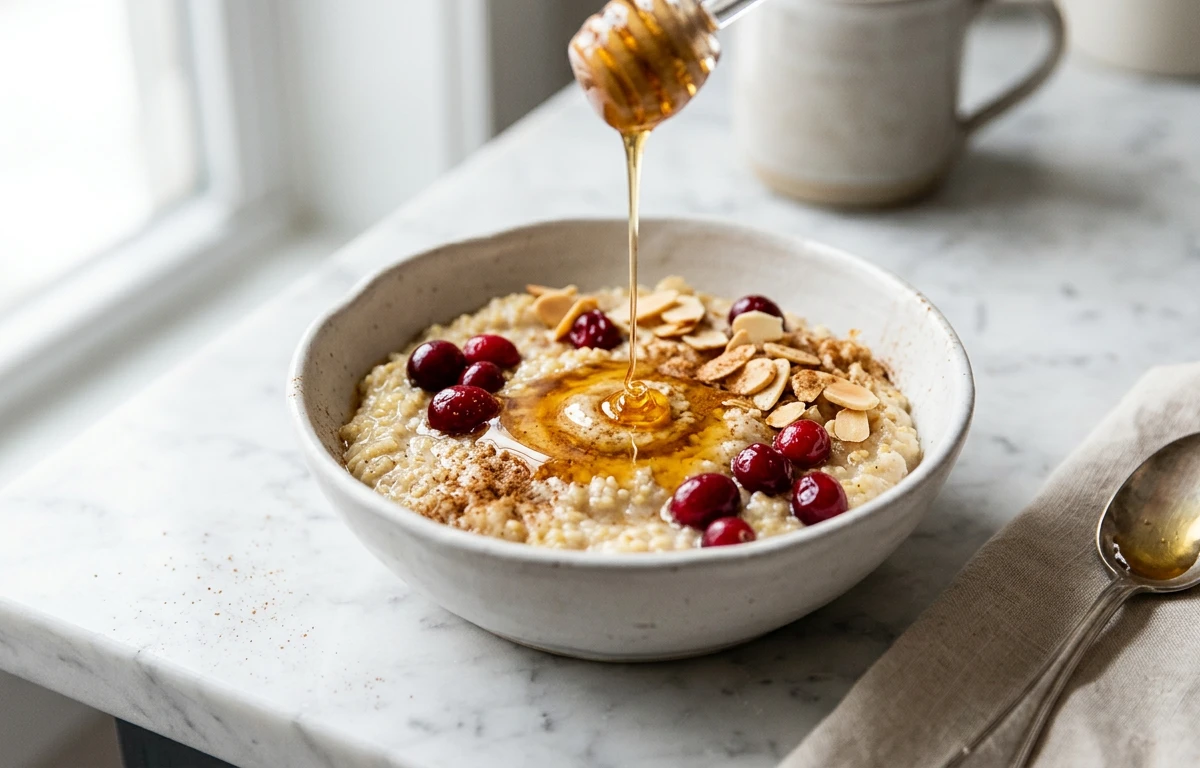
Want balanced grains worked into your week — without the guesswork?
Our meal planner intelligently incorporates high-fiber grains like millet, pairing them with the right proteins and fats for steady energy. Get your macros calculated and a single grocery list for the week.
Build my weekly plan →SOURCES & REFERENCES · 3
One more thing
Eating well is rarely about willpower. It’s about having a short list of dinners you actually want to eat. Pick two from this list. Make them next week. The rest will follow.
If you want these on autopilot, our weekly meal planner can drop the picks above into your calendar with one click and build a single grocery list from the merged ingredients.
FREQUENTLY ASKED QUESTIONS
Frequently asked questions
Is millet better than quinoa or rice?
It's not about 'better', but 'different'. Millet has more protein than most rice varieties and is comparable to quinoa. It has a much higher fiber content than white rice. Its flavor is milder than quinoa's, which some people prefer. It's a great grain to have in rotation.
Is millet good for people with diabetes?
It can be, with caution. Because its glycemic index is variable and it's high in carbohydrates, portion control is crucial. Always pair it with protein, fat, and other non-starchy vegetables to help stabilize blood sugar. A small half-cup serving (cooked) is a good starting point.
Do I have to rinse millet before cooking?
Yes, it's highly recommended. Millet has a natural coating called saponins which can give it a slightly bitter or soapy taste if not rinsed off. A quick rinse in a fine-mesh strainer is all it takes.
What does millet taste like?
Cooked millet has a mild, slightly nutty, and subtly sweet flavor, often compared to corn. Its texture can range from fluffy like couscous to creamy like porridge, depending on how you cook it.
METHODOLOGY
How this article was created
Built using verified nutrition databases, culinary research, and traditional cooking knowledge — every claim is cross-referenced against the sources listed in the article.
· USDA data· Culinary research· Quality reviewed
Read our methodology →TRANSPARENCY
About this content
Articles are curated using trusted food databases (USDA FoodData Central, IFCT), culinary literature, and dietary guidelines, then structured by our editorial team for clarity, accuracy, and usefulness.
· Verified data sources· Culinary research· Quality reviewed
Read our editorial policy →RELATED RECIPES
Cook from this article
EXPLORE OUR MEALS
Meals that fit this article

GENERAL_HEALTHY · 705 CAL
Banana with Peanut Butter Pregnancy + supplement + iron

AMERICAN · 694 CAL
Cottage Cheese with Pineapple Walnuts and Hemp Pregnancy + supplement + iron

AMERICAN · 359 CAL
Apple with Peanut Butter with Glass of Milk + supplement + iron

MEDITERRANEAN · 738 CAL
Greek Yogurt with Berries Walnuts and Honey + supplement + iron
TAGGED
KEEP READING