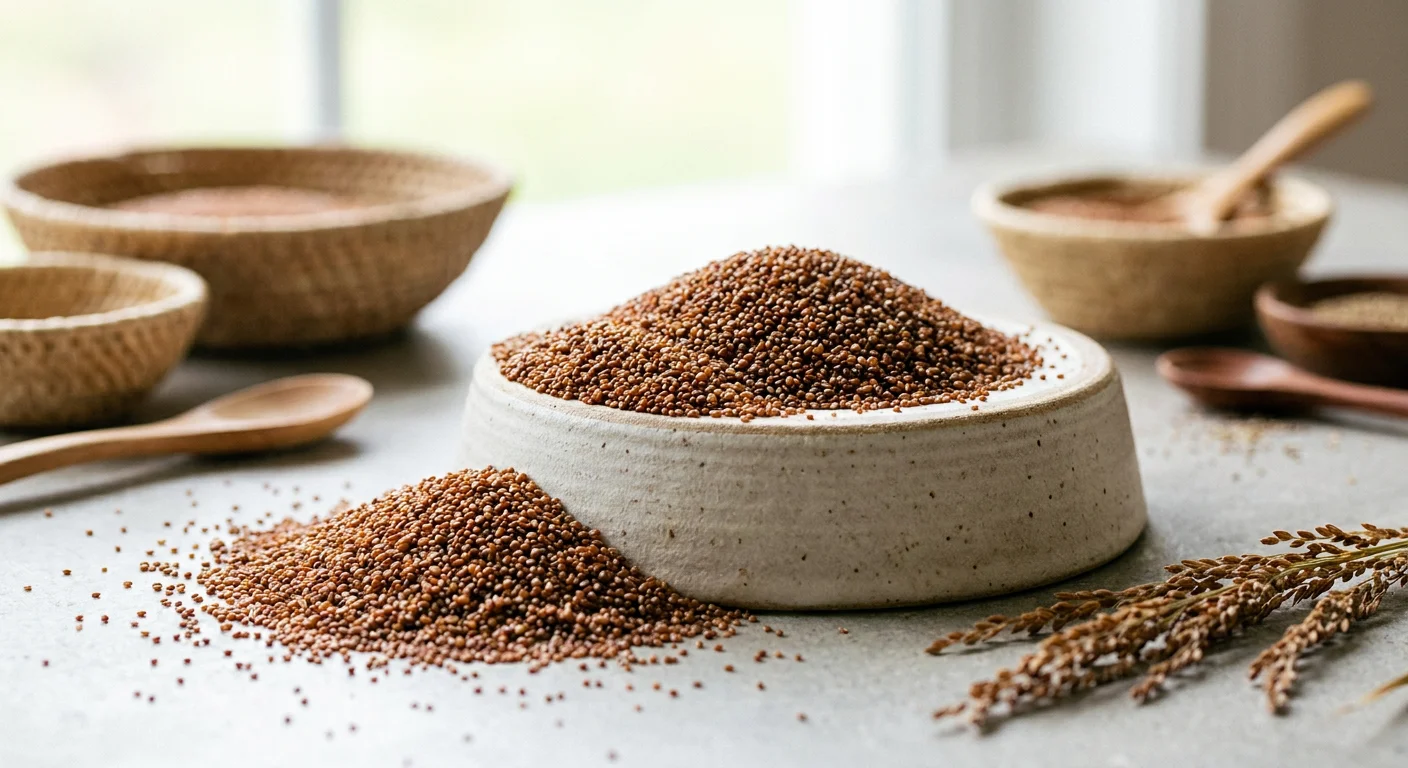
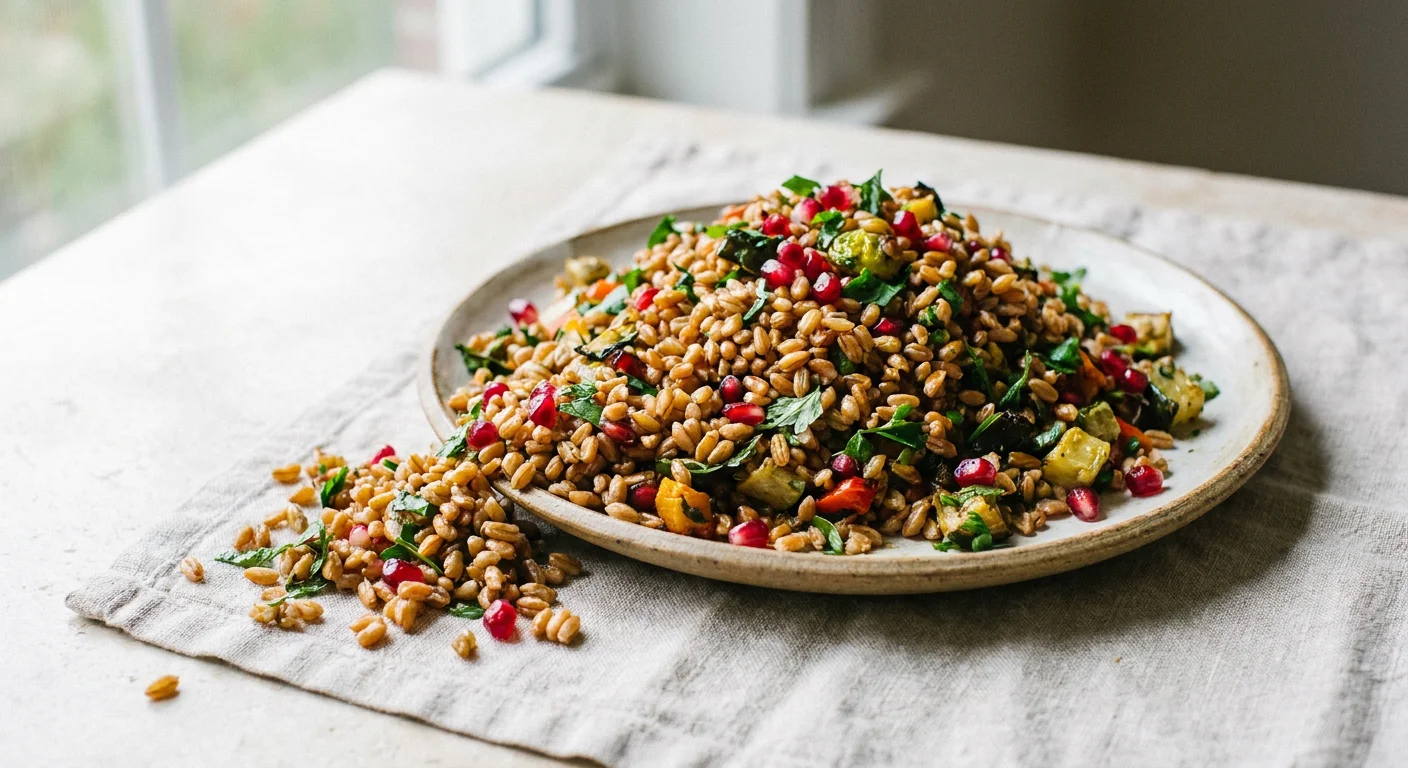
Everyone thinks couscous is some kind of virtuous, ancient super-grain. It isn't. It's pasta. Tiny, tiny pasta. That doesn't make it 'bad', but it does change the rules. It's quick, it's a brilliant vehicle for flavour, and it has a place in a healthy diet. But understanding that it's a refined carbohydrate — just like spaghetti or white bread — is the key to eating it well.
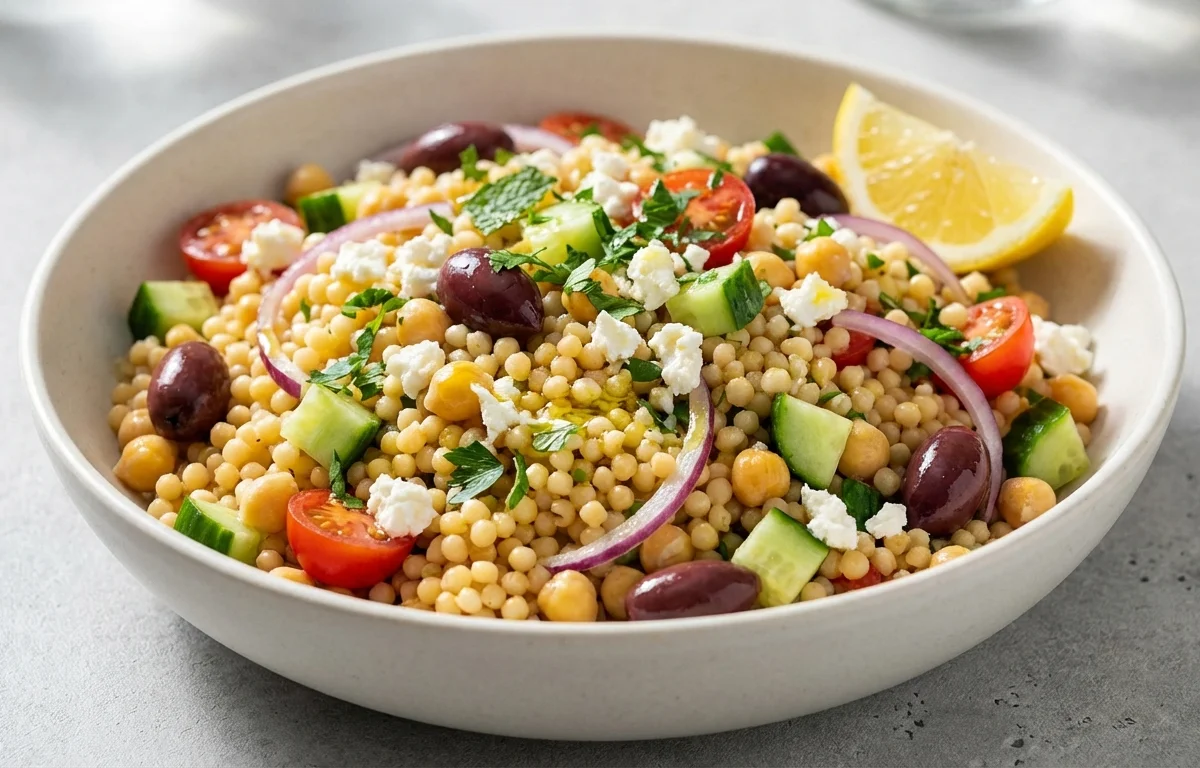
↑ Couscous is best when fluffed and used as a base for vegetables, herbs, and protein.
The 'grain' that's pasta
Let's clear this up first. Couscous looks like a tiny grain, but it's made by rolling semolina—a flour from durum wheat—with water. It's the same ingredient used for many pastas. The result is a lightning-fast, incredibly versatile base for meals. It's a staple in North African cuisine for a reason: it's a perfect sponge for the flavours of a rich tagine or a zesty salad.
The common mistake is treating it like quinoa or brown rice. Nutritionally, it's much closer to white rice or standard pasta. This means it's a quick-release carbohydrate that gives fast energy, but it lacks the fibre and slow-burn of a true whole grain.
IN ONE LINE
Couscous is a low-fat, quick-cooking carb with a decent protein hit, but it's essentially tiny pasta. Treat it like one: watch your portion and load it up with veggies and protein.
Couscous nutrition facts
Here’s the nutritional breakdown for 100 grams of dry couscous, which cooks up to a generous portion of about 2-3 cups. Remember that most people eat a smaller portion than this.
Two things stand out here. First, the protein is quite high for a grain-based product, clocking in at nearly 13 grams. That's more than quinoa. Second, the fibre is fairly low at 5 grams for a very large serving. A true whole grain like bulgur wheat would have significantly more. It's also naturally very low in fat and sodium, which is a plus.
Couscous's glycemic index
The glycemic index (GI) tells us how quickly a food raises blood sugar. Standard couscous typically has a GI of around 65, which puts it squarely in the 'medium' category (under 55 is low, 70+ is high). This means it raises blood sugar faster than beans or whole fruit, but a bit slower than a slice of white bread. Pairing it with fibre, fat, and protein is the best way to blunt this effect.
GLYCEMIC INDEX · COUSCOUS vs COMMON FOODS
Couscous has a medium glycemic index
Apple
whole fruit
LOW
Pineapple
whole fruit
MEDIUM
Couscous
refined grain
MEDIUM
Watermelon
whole fruit
HIGH
White bread
refined
HIGH
SCALE 0–90
04590
The smart way to eat it
Couscous is a friend in the kitchen, but a little mindfulness goes a long way.
01
Measure your portion.
It's fluffy and light, making it easy to over-serve. Use a measuring cup for the dry grains (a 1/3 or 1/2 cup is a good starting point for one person) to keep calories in check.
02
Choose whole-wheat when you can.
Whole-wheat couscous exists! It has more fibre and a lower GI, behaving more like a true whole grain. It's a simple, direct upgrade.
03
Bulk it with vegetables.
The best couscous salads are more vegetable than couscous. Stir through roasted peppers, zucchini, onions, or fresh cucumber and tomato to add nutrients and fibre.
04
Add protein and fat.
Never eat it plain. Add chickpeas, lentils, grilled chicken, fish, or a handful of nuts to slow down carb absorption and make it a balanced meal.
05
Flavour with herbs and spices.
Couscous is a blank canvas. Use lemon juice, fresh parsley, mint, harissa, or a good olive oil instead of just butter and salt.
What couscous is good for
01
Incredibly fast to prepare
Its main benefit is convenience. It cooks in about 5 minutes with just hot water, making it one of the fastest side dishes available.
5
min cook
02
A good source of plant protein
With nearly 13g of protein per 100g, it's a solid contributor to protein goals, especially for vegetarians and vegans. It has more protein than quinoa or rice.
12.8g
protein
03
Very low in fat
On its own, couscous is virtually fat-free, making it a good base for heart-healthy meals where you control the fat source (like olive oil or avocado).
0.6g
fat
04
A versatile base for flavour
Its mild taste means it absorbs any flavour you throw at it, from spicy North African stews to fresh Mediterranean salads.
Blank
canvas
What to pair couscous with
Think of couscous as the foundation. The real nutrition comes from what you add to it. The goal is always to add fibre, protein, and healthy fats.
Eat freely — or be mindful?
Three ways to use it
Three simple recipes that use couscous the right way — as a vehicle for lots of other good stuff.
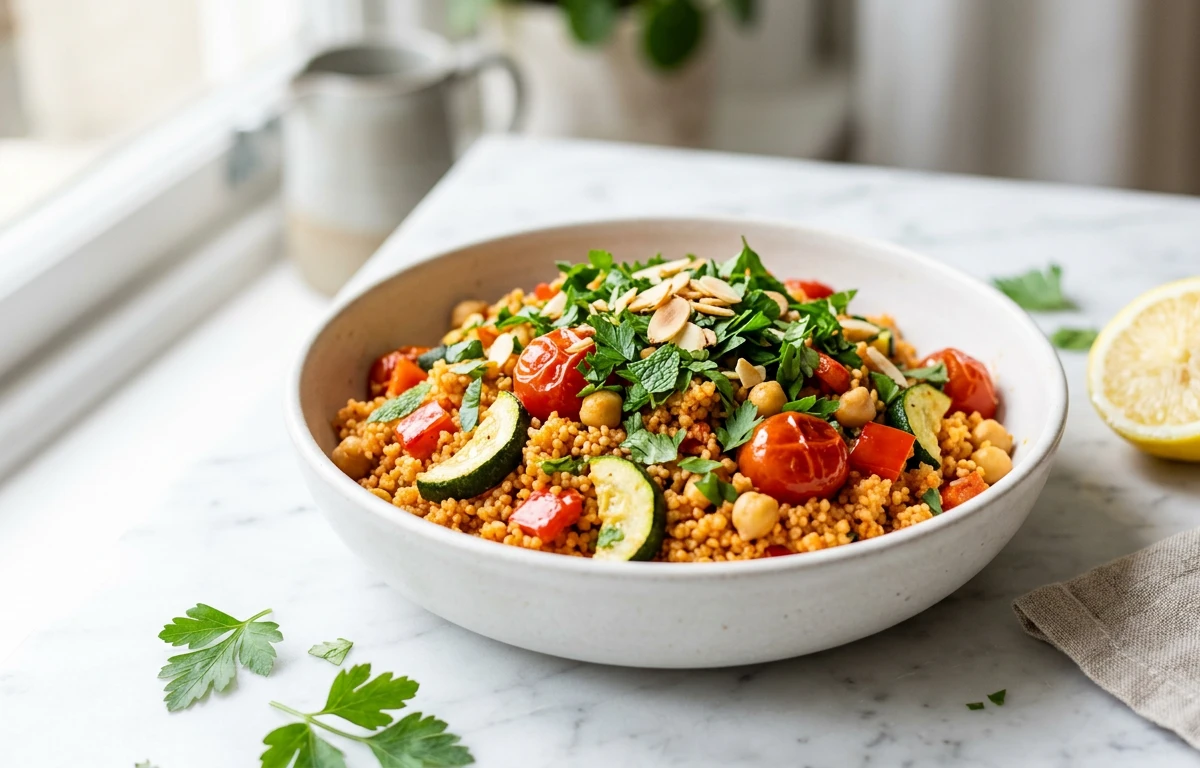
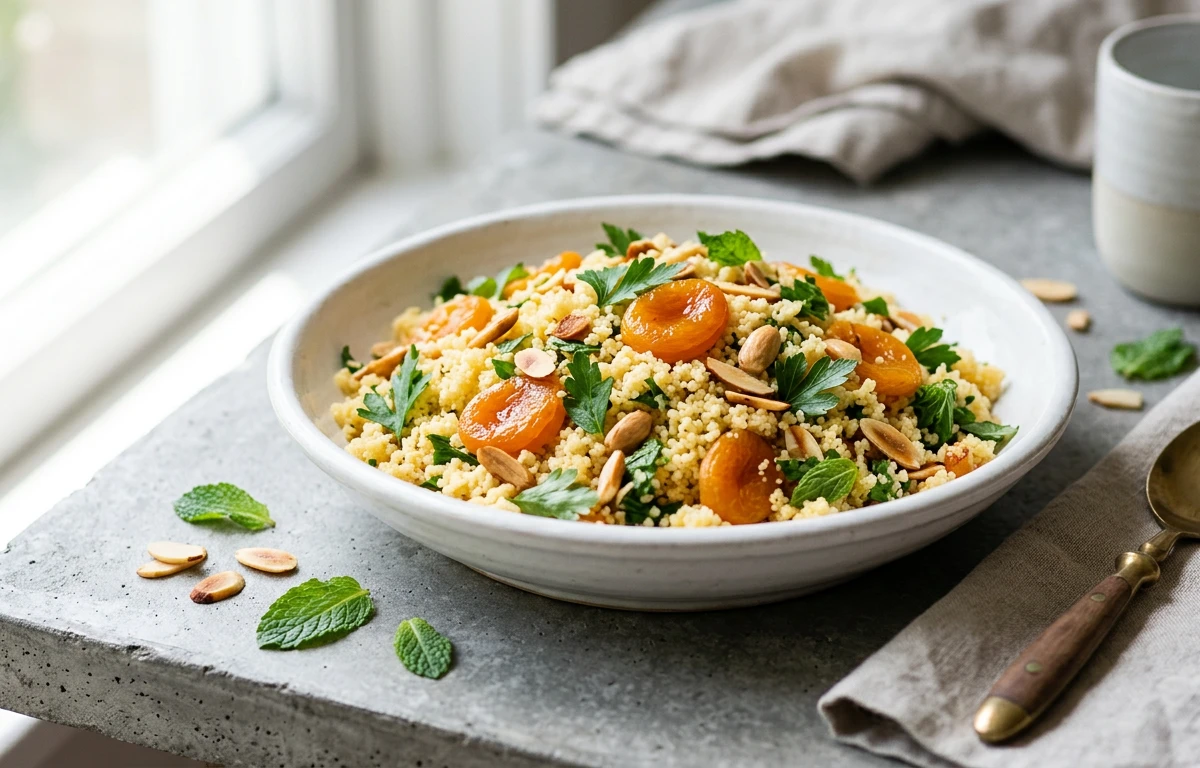
Want carbs like couscous worked into a balanced week?
Our meal planner pairs grains and pastas with the right amount of protein, fibre and fat for steady energy. We handle the portions and macros, so you get a delicious, balanced plan with a single grocery list.
Build my weekly plan →SOURCES & REFERENCES · 3
One more thing
Eating well is rarely about willpower. It’s about having a short list of dinners you actually want to eat. Pick two from this list. Make them next week. The rest will follow.
If you want these on autopilot, our weekly meal planner can drop the picks above into your calendar with one click and build a single grocery list from the merged ingredients.
FREQUENTLY ASKED QUESTIONS
Frequently asked questions
Is couscous healthier than rice?
It depends. Standard couscous is nutritionally very similar to white rice, though it has more protein. Brown rice, being a whole grain, is healthier than both because it has much more fibre. Whole-wheat couscous is a better comparison to brown rice.
Is couscous a whole grain?
Usually, no. Most couscous you find in the store is made from refined semolina flour. You have to specifically look for packages labelled 'whole-wheat couscous' to get the whole-grain version.
Is couscous gluten-free?
No. Couscous is made from wheat and contains gluten. People with celiac disease or a gluten sensitivity must avoid it.
Can you eat couscous on a diet?
Yes, but portion control is everything. Because it's calorie-dense, you need to measure it carefully. A small portion, bulked up with lots of vegetables and a lean protein, can absolutely fit into a weight-loss plan.
METHODOLOGY
How this article was created
Built using verified nutrition databases, culinary research, and traditional cooking knowledge — every claim is cross-referenced against the sources listed in the article.
· USDA data· Culinary research· Quality reviewed
Read our methodology →TRANSPARENCY
About this content
Articles are curated using trusted food databases (USDA FoodData Central, IFCT), culinary literature, and dietary guidelines, then structured by our editorial team for clarity, accuracy, and usefulness.
· Verified data sources· Culinary research· Quality reviewed
Read our editorial policy →EXPLORE OUR MEALS
Meals that fit this article

AMERICAN · 1677 CAL
Almonds with Sliced Apple + supplement + iron

MEDITERRANEAN · 809 CAL
Greek Yogurt with Berries Almonds and Granola + supplement + iron

GENERAL_HEALTHY · 705 CAL
Banana with Peanut Butter Pregnancy + supplement + iron
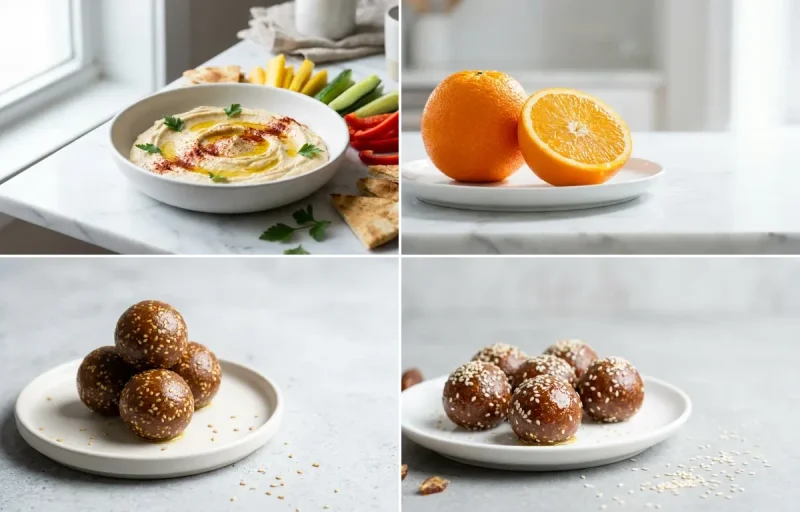
MODERN · 982 CAL
Hummus with Crudits and Pita with Fresh Orange Snack + supplement + iron
TAGGED
KEEP READING