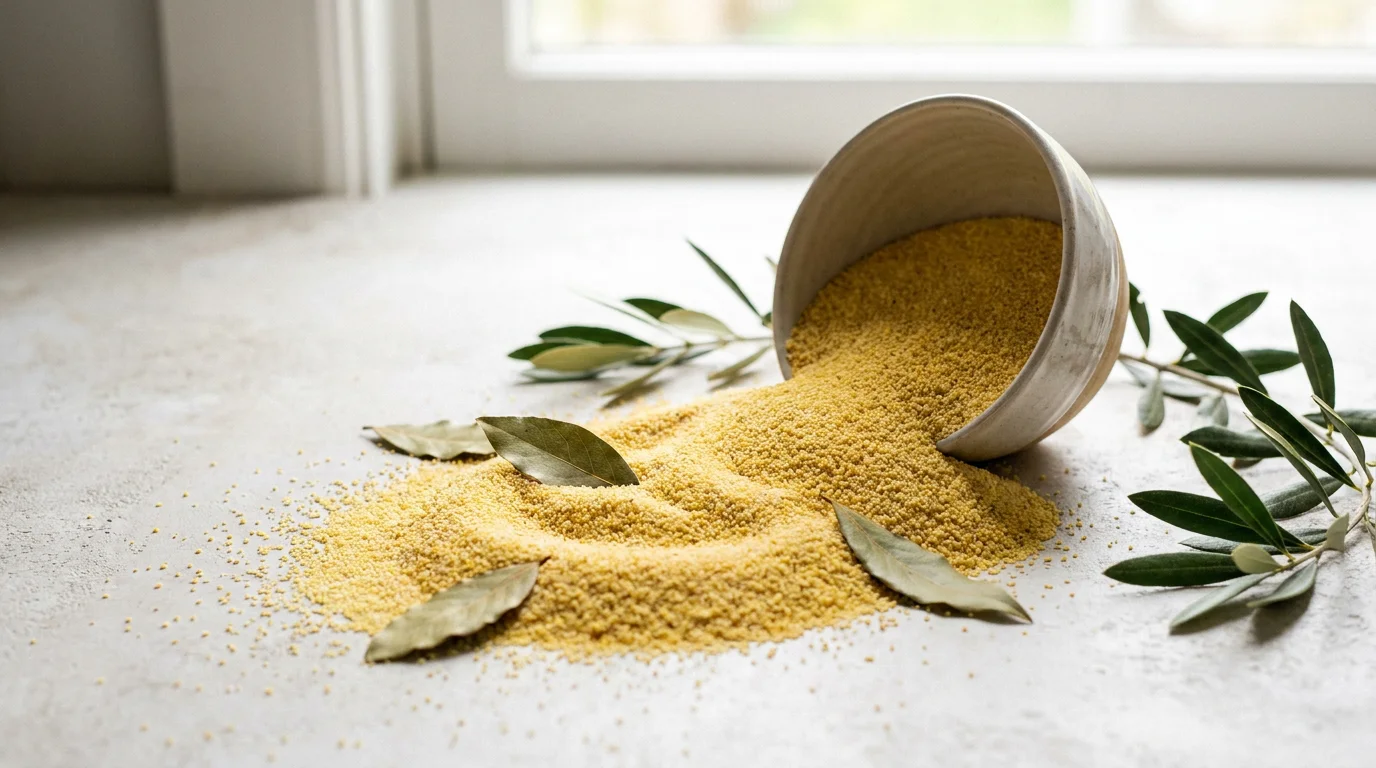
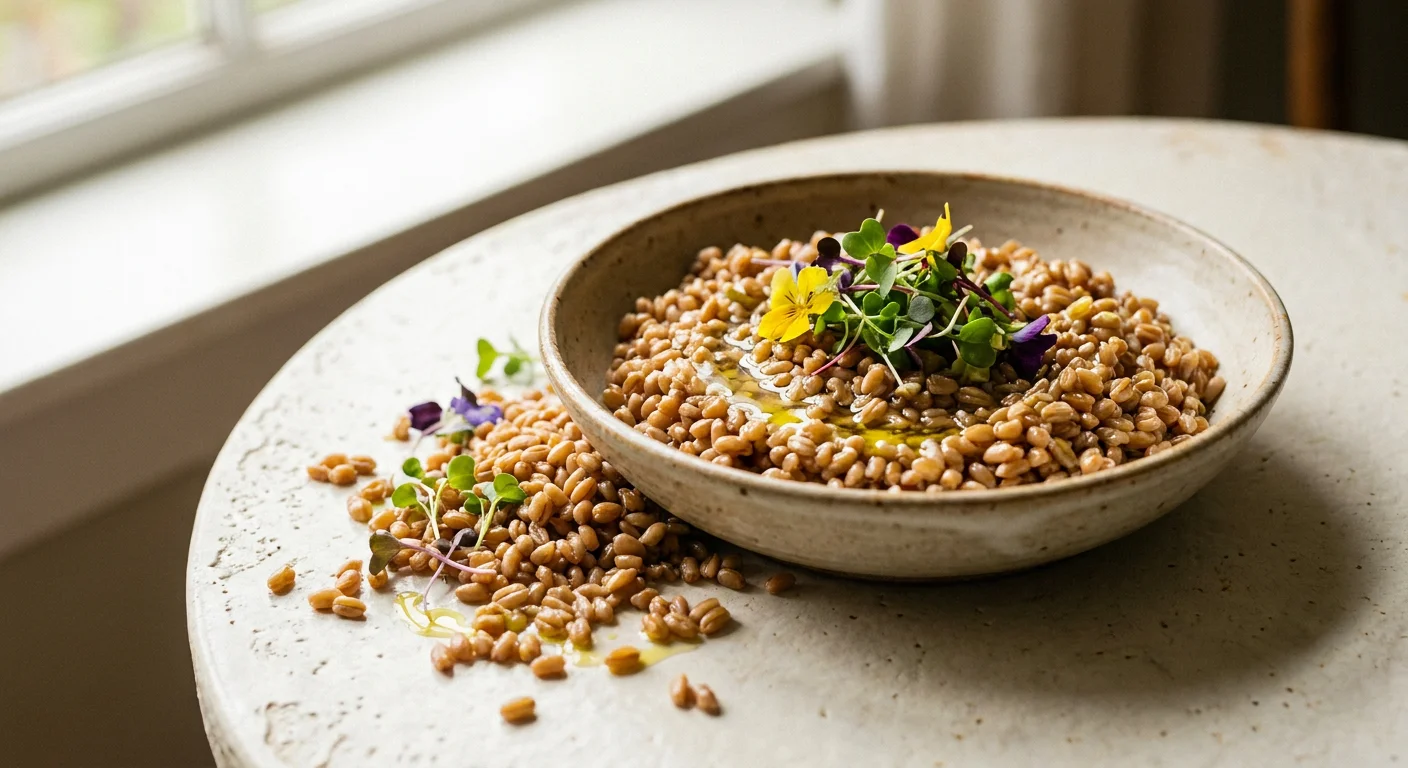
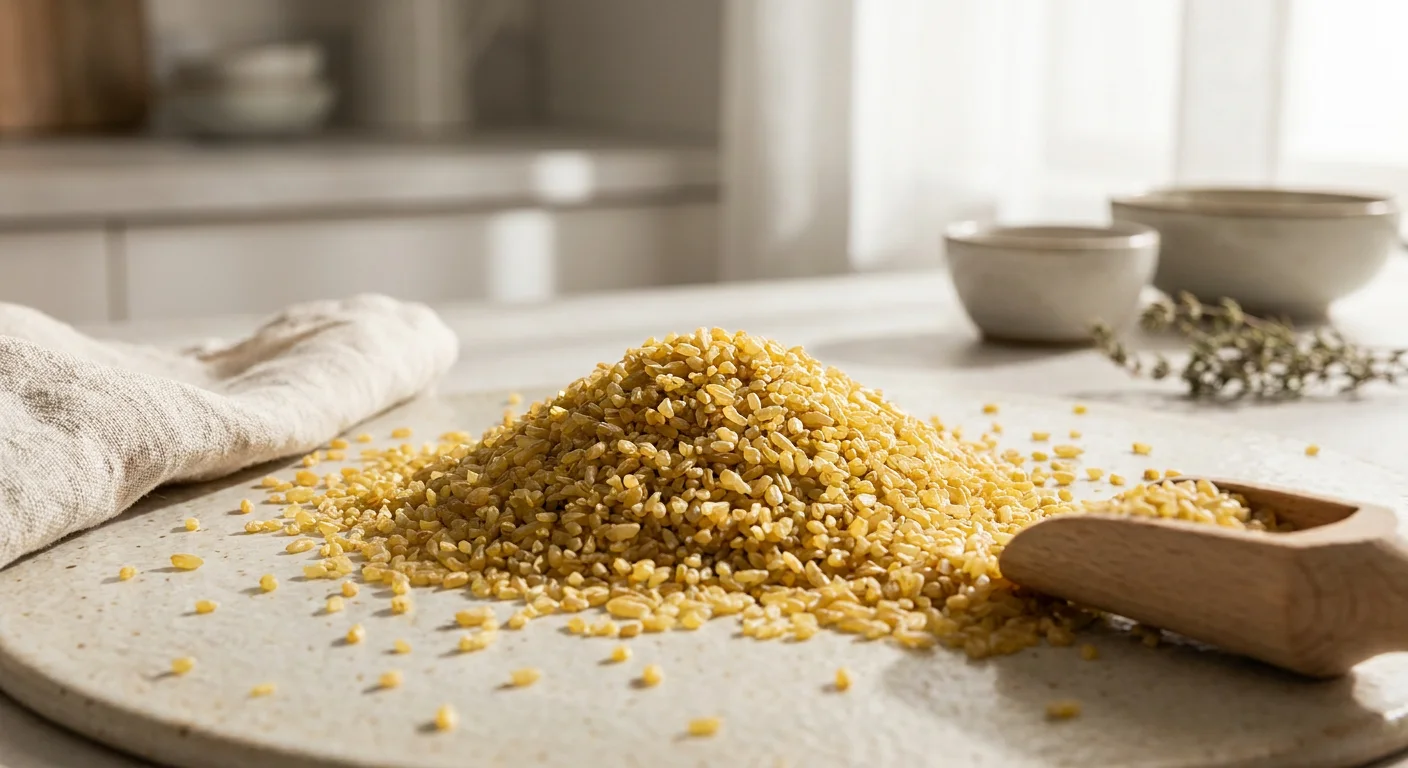
Quinoa has officially graduated from a 'weird health food' to a pantry staple, but most of us still treat it with a certain... caution. Is it a grain? Is it hard to cook? The truth is, this tiny seed is one of the most versatile and nutritionally complete foods you can eat. It's a complete protein, packed with fiber, and has a gentler effect on blood sugar than you might think. The trick isn't avoiding it. It's knowing how to cook it so it's fluffy and delicious, not a soggy mess.
↑ Fluffy, perfectly cooked quinoa is nutty, versatile, and packed with nutrients.
The seed that acts like a grain
Let's clear one thing up: quinoa isn't a grain. It's technically a seed from the Chenopodium quinoa plant, which is more closely related to spinach and beets than to wheat or rice. But we cook and eat it like a grain, so it's often called a 'pseudocereal'.
What makes it stand out is its protein. Unlike most plant foods, quinoa is a 'complete protein', meaning it contains all nine of the essential amino acids our bodies can't make themselves. That's rare, and it's what made quinoa the darling of the health food world. But its real strength is being a genuinely balanced, everyday food: protein, fiber, and slow-burning carbs all in one.
IN ONE LINE
Quinoa is a gluten-free seed, not a grain, that uniquely provides all nine essential amino acids, making it a complete plant-based protein.
Quinoa nutrition facts
Here's the nutritional profile for a 100-gram serving of cooked quinoa, which is about a heaping half-cup.
The numbers that matter most here are the protein and fiber. Over 13 grams of protein and nearly 15 grams of fiber is a huge amount for a carb-based food. This combination is what makes quinoa so satisfying and what sets it apart from refined grains like white rice or pasta, which have much less of both.
Quinoa's glycemic index
Glycemic index (GI) tells us how quickly a food raises blood sugar. Anything under 55 is considered 'low'. Quinoa clocks in at around 53, placing it firmly in the low-GI category. This isn't surprising when you look at its stats. The high fiber and protein content act like a brake, slowing down the digestion of the carbohydrates and leading to a much more gradual, gentle rise in blood sugar compared to other starchy foods.
GLYCEMIC INDEX · QUINOA vs COMMON FOODS
Quinoa sits in the low-GI band
Apple
whole fruit
LOW
Quinoa
cooked
LOW
Pineapple
whole fruit
MEDIUM
White bread
refined
HIGH
Cornflakes
refined
HIGH
SCALE 0–90
04590
How to cook it right (so it's not mushy)
Badly cooked quinoa is a tragedy: bitter, soggy, and sad. Perfect quinoa is fluffy, nutty, and a joy to eat. The difference is all in the technique, and it's simple.
01
Rinse it well.
Quinoa has a natural coating called saponin that can taste bitter or soapy. A good rinse in a fine-mesh sieve under cold water solves this. Swish it around for 30 seconds.
02
Use a 1:2 ratio.
For every one cup of dry quinoa, use two cups of liquid (water or broth). This is the magic ratio for fluffy, not-too-wet results.
03
Simmer, don't boil.
Bring the liquid to a boil, add the quinoa, then immediately turn the heat down to a low simmer. Cover and let it cook for about 15 minutes, or until the liquid is absorbed.
04
Let it steam.
This is the most important step. Once the water is gone, take the pot off the heat, keep the lid on, and let it stand for 5-10 minutes. This lets the quinoa steam and firm up.
05
Fluff with a fork.
After it has steamed, take off the lid and gently fluff the quinoa with a fork to separate the grains. Don't stir it with a spoon, which can make it mushy.
What quinoa is good for
01
A complete plant protein
With 13 grams per serving and all nine essential amino acids, it's an excellent protein source, especially for vegetarian and vegan diets.
13.1g
protein
02
Incredibly high in fiber
The massive 14.7g of fiber per serving helps with fullness, gut health, and stabilizing blood sugar. That's more than half the daily recommendation for some people.
14.7g
fiber
03
Steady, slow-release energy
Its low glycemic index and high fiber content mean the carbs in quinoa are absorbed slowly, preventing energy spikes and crashes.
GI 53
low
04
Naturally gluten-free
As a seed, quinoa is a safe and nutritious carbohydrate choice for anyone with celiac disease or gluten sensitivity.
100%
gluten-free
05
Rich in essential minerals
Quinoa is a great source of magnesium, manganese, and phosphorus, which are vital for bone health, metabolism, and hundreds of bodily processes.
Rich
in minerals
What to pair quinoa with
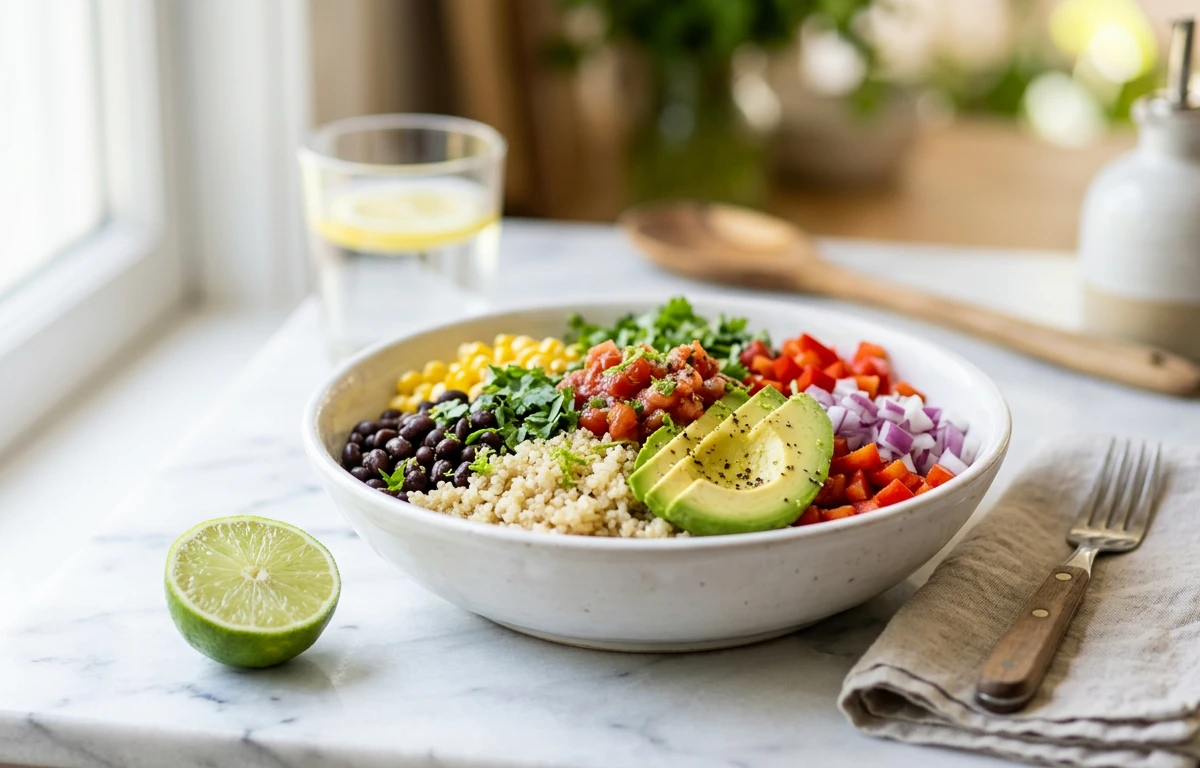
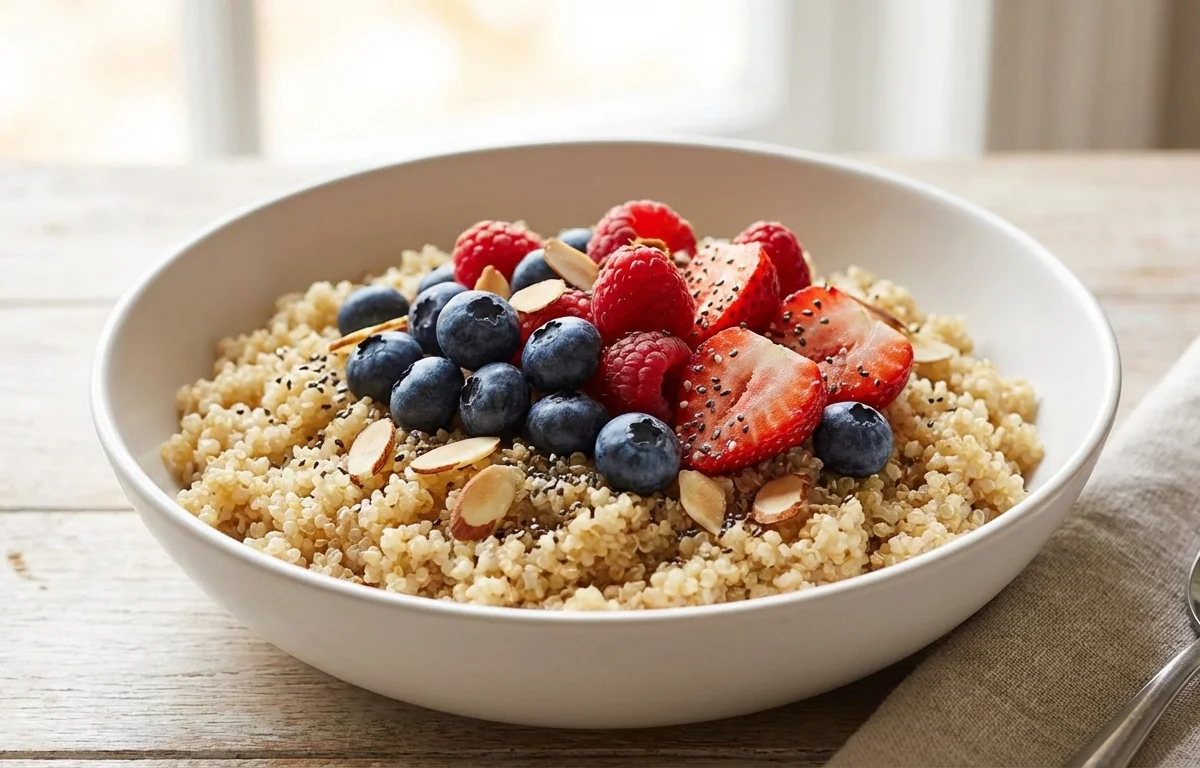
Quinoa's mild, nutty flavor makes it a blank canvas. It works in salads, soups, bowls, and even as a breakfast porridge.
Eat freely — or be mindful?
Three ways to eat it
Here are three simple ways to get started with quinoa that go beyond a basic side dish.
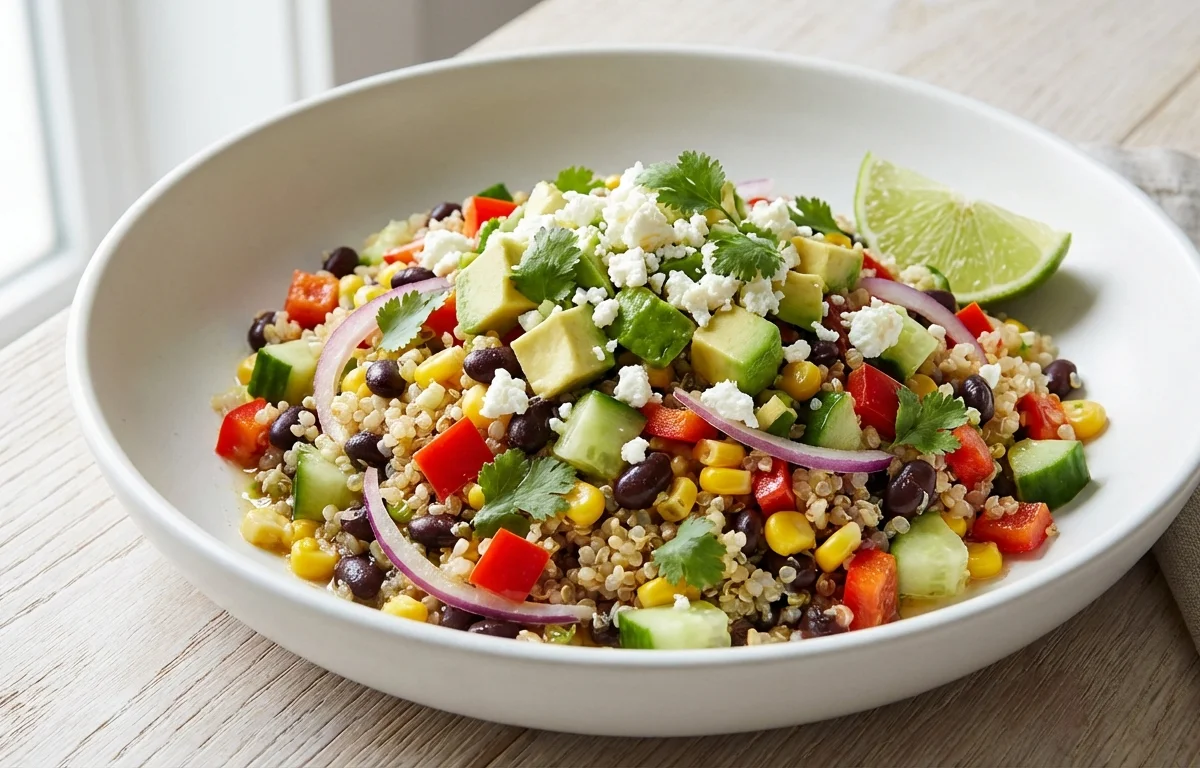
Want whole grains worked into a balanced week — without the planning?
Our meal planner pairs foods like quinoa with protein and healthy fats for steady energy, with portions and macros already calculated and a single grocery list at the end.
Build my weekly plan →SOURCES & REFERENCES · 3
One more thing
Eating well is rarely about willpower. It’s about having a short list of dinners you actually want to eat. Pick two from this list. Make them next week. The rest will follow.
If you want these on autopilot, our weekly meal planner can drop the picks above into your calendar with one click and build a single grocery list from the merged ingredients.
FREQUENTLY ASKED QUESTIONS
Frequently asked questions
Is quinoa a carbohydrate?
Yes, its main component is carbohydrate, but it's a high-quality complex carb that comes bundled with a large amount of protein and fiber, which makes it very different from refined carbs.
Why is my quinoa bitter?
You probably didn't rinse it. Quinoa has a natural, soap-like coating called saponin that needs to be rinsed off before cooking to remove the bitter taste. A 30-second rinse in a fine-mesh strainer does the trick.
Is quinoa better than rice?
Nutritionally, quinoa generally comes out on top. Compared to white rice, it has significantly more protein and fiber and a lower glycemic index. It's also a complete protein, which brown rice is not. But both can be part of a healthy diet.
Can you eat quinoa every day?
Yes, you can. It's a very healthy food. As with anything, variety is key to a balanced diet, so it's good to rotate it with other whole grains and starches, but there's no harm in eating it regularly.
METHODOLOGY
How this article was created
Built using verified nutrition databases, culinary research, and traditional cooking knowledge — every claim is cross-referenced against the sources listed in the article.
· USDA data· Culinary research· Quality reviewed
Read our methodology →TRANSPARENCY
About this content
Articles are curated using trusted food databases (USDA FoodData Central, IFCT), culinary literature, and dietary guidelines, then structured by our editorial team for clarity, accuracy, and usefulness.
· Verified data sources· Culinary research· Quality reviewed
Read our editorial policy →RELATED RECIPES
Cook from this article
EXPLORE OUR MEALS
Meals that fit this article

GENERAL_HEALTHY · 705 CAL
Banana with Peanut Butter Pregnancy + supplement + iron
AMERICAN · 694 CAL
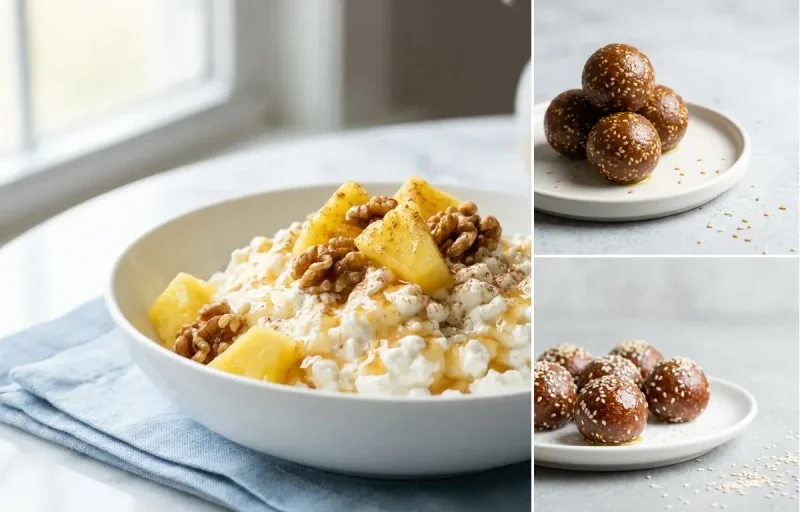
Cottage Cheese with Pineapple Walnuts and Hemp Pregnancy + supplement + iron
AMERICAN · 359 CAL
Apple with Peanut Butter with Glass of Milk + supplement + iron
MEDITERRANEAN · 738 CAL
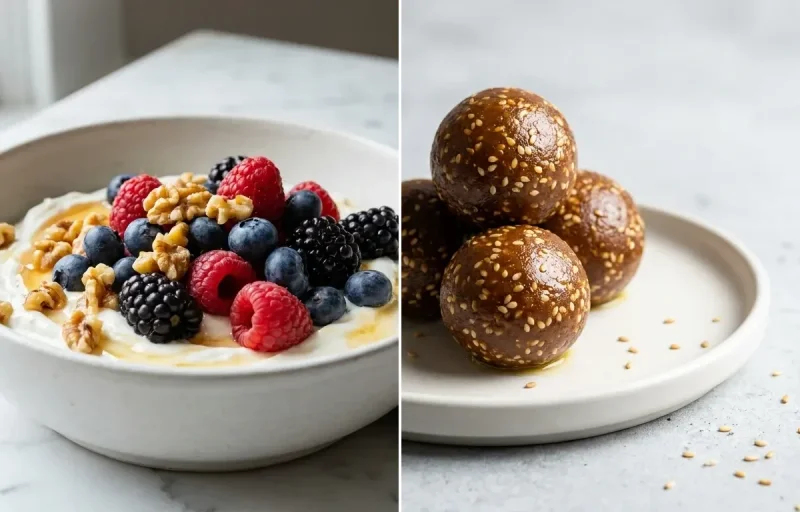
Greek Yogurt with Berries Walnuts and Honey + supplement + iron
TAGGED
KEEP READING