Let's clear something up: those little black seeds on your flatbread aren't onion seeds, and they're not black sesame. They're nigella seeds, and they're one of the most nutritionally-dense spices you can keep in your pantry. They have a flavor all their own — a little toasty, peppery, and complex — but the real story is what's packed inside: a staggering amount of fibre, a good hit of protein, and a profile that's exceptionally friendly to your blood sugar.
↑ Nigella seeds (Nigella sativa) have a unique flavor profile that's savory, peppery, and slightly bitter.
The seed you're probably underestimating
In most kitchens, spices are for flavor. Nigella seeds do that job beautifully, adding a savory, slightly metallic bite that's hard to pin down. But unlike most of the spice rack, they also bring serious nutritional heft to the table. We're talking about a seed that is, by weight, 40% dietary fibre.
That's not a typo. It's a number that puts most 'high-fibre' cereals and vegetables to shame. Of course, you're not eating 100 grams of nigella seeds at a time. You're sprinkling a teaspoon here and there. But even in those small amounts, you're adding a meaningful dose of fibre, protein, and plant compounds that punch well above their weight.
IN ONE LINE
These tiny black seeds are nutritional giants: packed with an incredible amount of fibre, plus protein and healthy fats, with a very low impact on blood sugar.
Nigella seed nutrition facts
The numbers for nigella seeds are impressive, but remember they are for a 100-gram serving—far more than you'd use in a single dish. Think of these as a measure of the seeds' nutritional density.
The standout number is the fibre: 40 grams per 100g. This means that of the 52 grams of carbohydrate, the vast majority is fibre that doesn't get digested, leaving only about 12 grams of 'net carbs'. This structure is the key to why nigella seeds are so beneficial for blood sugar control and gut health. The protein and fat content also contribute to a slow, steady release of energy.
Glycemic index of nigella seeds
There's no official, lab-tested glycemic index (GI) value for nigella seeds. It's just not a food people eat in large enough quantities to warrant the study. However, we can confidently estimate its GI is very low.
Why? Because foods high in fibre, fat, and protein have a minimal impact on blood sugar. These components physically slow down digestion and the absorption of any carbohydrates present. Given that nigella seeds are packed with all three, their effect on blood sugar is negligible in the amounts typically consumed.
GLYCEMIC INDEX · NIGELLA SEEDS vs COMMON FOODS
Nigella seeds have a minimal blood sugar impact
Nigella Seeds
estimated
LOW
Apple
whole fruit
LOW
Pineapple
whole fruit
MEDIUM
White bread
refined
HIGH
Cornflakes
refined
HIGH
SCALE 0–90
04590
How to use them
Getting more nigella seeds into your diet is easy. Their savory flavor works in countless dishes. A little goes a long way.
01
Toast them lightly.
Heating the seeds in a dry pan for a minute or two until they're fragrant deepens their flavor and makes them crunchier. This is the best first step for almost any use.
02
Sprinkle on breads and salads.
This is their classic role. Scatter them over flatbreads, dinner rolls, or any salad for a pop of flavor, texture, and nutrition.
03
Add to vegetable dishes.
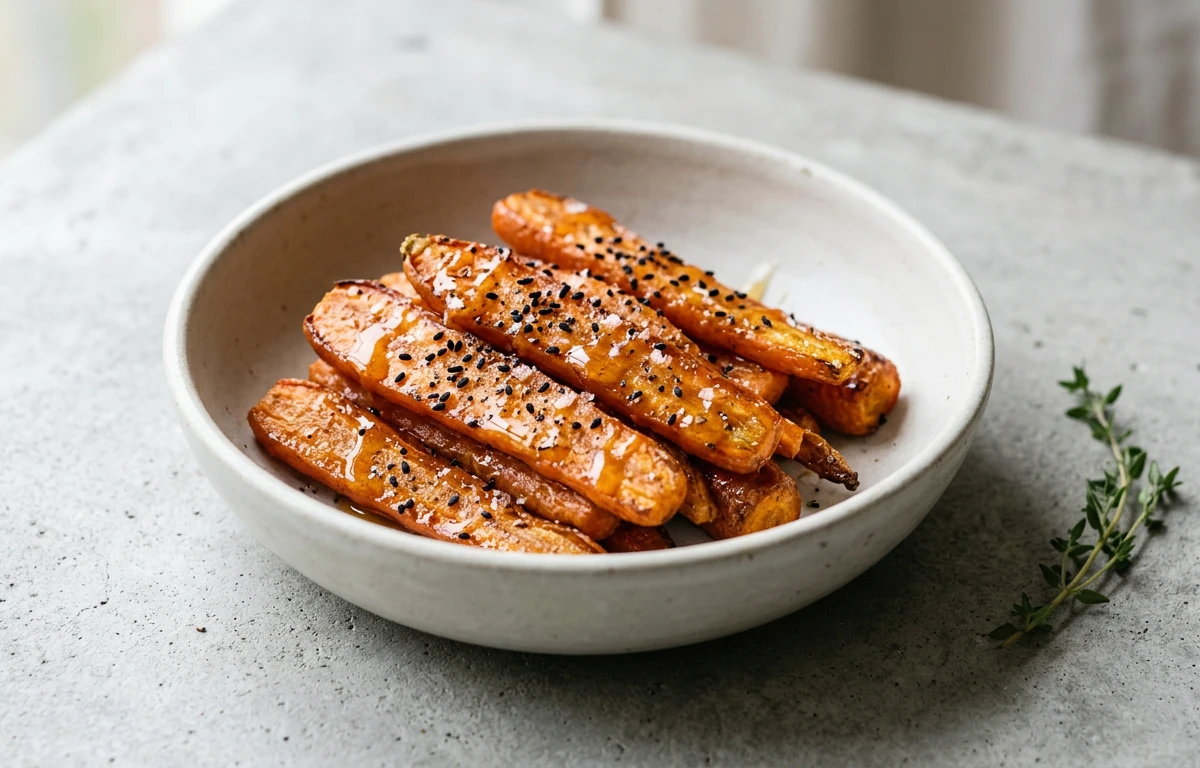
They are fantastic with roasted root vegetables like carrots and parsnips, or stirred through potato or cauliflower dishes.
04
Use in pickles and spice blends.
Nigella seeds are a key ingredient in the Bengali spice mix panch phoron and are wonderful in homemade pickles and savory preserves.
05
Bloom them in oil.
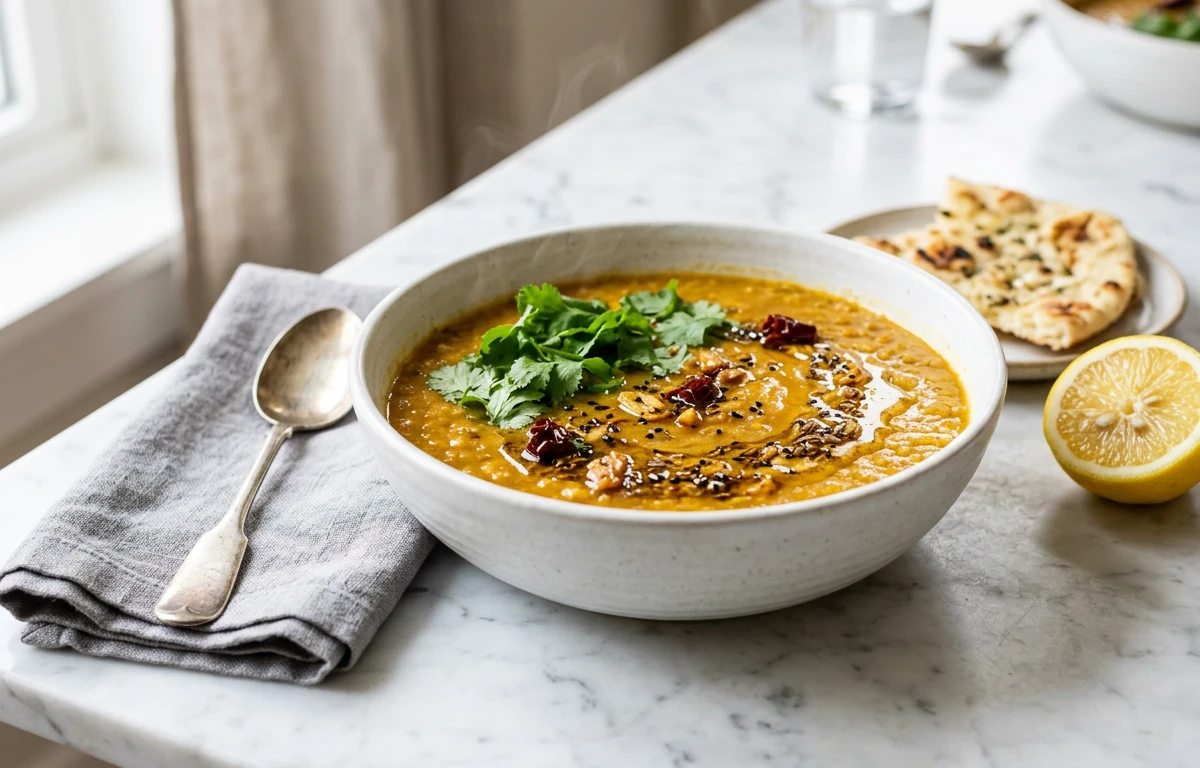
Briefly sizzle the seeds in hot oil or ghee at the start of a recipe (a technique called tarka or tadka) to infuse the entire dish with their flavor. Perfect for lentil soups and curries.
What nigella seeds are good for
01
An exceptional fibre source
At 40% fibre by weight, nigella seeds are one of the most fibre-dense foods available, supporting digestive health and promoting feelings of fullness.
40g
fibre per 100g
02
Blood sugar friendly
The combination of high fibre, protein, and fat with very low net carbs means nigella seeds have a minimal effect on blood glucose levels.
Low GI
estimated
03
A solid plant-protein boost
With 16 grams of protein per 100g, sprinkling these seeds on your meals is an easy way to add a little extra plant-based protein to your day.
16g
protein per 100g
04
Rich in active compounds
Beyond basic nutrition, nigella seeds contain thymoquinone, an antioxidant compound studied for its anti-inflammatory and other health-protective effects.
Source
of antioxidants
What to pair nigella seeds with
Nigella's savory, peppery notes complement a wide range of foods, particularly in South Asian, Middle Eastern, and Eastern European cuisines.
Who are they good for?
Three ways to use them
Move beyond a simple sprinkle with these easy recipes that put nigella seeds front and center.
Want more nutrient-dense foods in your week — without the planning?
Our meal planner incorporates ingredients like nigella seeds to boost fibre and flavor, with portions and macros already calculated and a single grocery list at the end.
Build my weekly plan →SOURCES & REFERENCES · 3
One more thing
Eating well is rarely about willpower. It’s about having a short list of dinners you actually want to eat. Pick two from this list. Make them next week. The rest will follow.
If you want these on autopilot, our weekly meal planner can drop the picks above into your calendar with one click and build a single grocery list from the merged ingredients.
FREQUENTLY ASKED QUESTIONS
Frequently asked questions
Are nigella seeds the same as black sesame seeds or onion seeds?
No, they are three different plants. Nigella seeds (Nigella sativa) have a unique peppery, savory flavor. Black sesame seeds are nutty, and 'onion seeds' aren't actually from onions—it's just a common misnomer for nigella seeds.
What do nigella seeds taste like?
They have a complex flavor that's hard to describe. It's savory, slightly bitter, and peppery with notes of oregano and a slight metallic sharpness. Toasting them makes them nuttier and mellower.
Are nigella seeds good for weight loss?
They can be a helpful tool. Their extremely high fibre content promotes feelings of fullness, which can help reduce overall calorie intake. They are very nutrient-dense for very few 'net' carbs.
How much nigella seed should I eat?
For culinary purposes, a typical serving is between one and two teaspoons used to garnish a dish or in a recipe. While some traditional practices use larger medicinal doses, for everyday cooking, these small amounts are perfect for adding flavor and a nutritional boost.

ABOUT THE AUTHOR
Shreya Chatterjee
NUTRITION WRITER
Shreya is a nutrition writer and the voice behind The Nutrition Pen, where she turns evidence-based nutrition into simple, repeatable eating habits. Her writing focuses on practical food guidance — what to actually put on the plate — for readers who want to eat well without the noise.
Meet the editorial team →METHODOLOGY
How this article was created
Built using verified nutrition databases, culinary research, and traditional cooking knowledge — every claim is cross-referenced against the sources listed in the article.
· USDA data· Culinary research· Quality reviewed
Read our methodology →TRANSPARENCY
About this content
Articles are curated using trusted food databases (USDA FoodData Central, IFCT), culinary literature, and dietary guidelines, then structured by our editorial team for clarity, accuracy, and usefulness.
· Verified data sources· Culinary research· Quality reviewed
Read our editorial policy →RELATED RECIPES
Cook from this article
EXPLORE OUR MEALS
Meals that fit this article

AMERICAN · 1677 CAL
Almonds with Sliced Apple + supplement + iron

MEDITERRANEAN · 809 CAL
Greek Yogurt with Berries Almonds and Granola + supplement + iron

GENERAL_HEALTHY · 705 CAL
Banana with Peanut Butter Pregnancy + supplement + iron
MODERN · 982 CAL
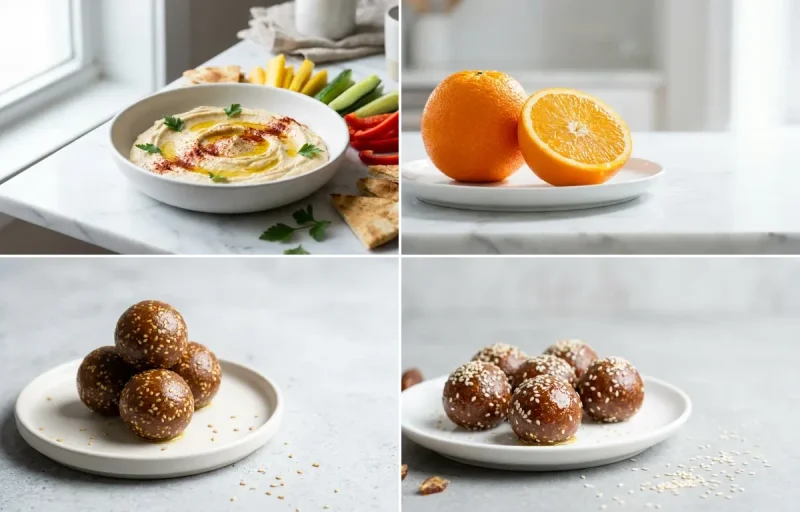
Hummus with Crudits and Pita with Fresh Orange Snack + supplement + iron
TAGGED
KEEP READING