Let's get one thing straight: the humble black olive is not just a pizza topping or a sad garnish. It's a fruit — a salty, fatty, wonderfully savory fruit. And while most fruits are known for their sugar and carbs, the olive flipped the script. It's almost all fat, but it's the good kind, the heart-healthy monounsaturated stuff. This makes them a bit of a nutritional oddball, and a fantastic one at that. The only real catch? The salt. But we can manage that.
↑ Black olives are a fruit, but nutritionally they behave more like a savory, high-fat nut.
The savory, fatty fruit
Olives grow on trees, have a pit, and are technically a type of fruit called a drupe, just like peaches and cherries. But that's where the similarities end. While they're on the tree, they're incredibly bitter. The curing process — usually in brine (salt water) or lye — is what makes them edible, and it's also what loads them up with sodium.
Nutritionally, they're an outlier. They're low in protein and carbs, and instead are made up of about 11% fat and 75% water. This unique profile makes them a fantastic food for certain goals, but one you need to be mindful of for others.
Black olives are a low-carb, high-fat fruit packed with healthy monounsaturated fats. The main watch-out? Sodium from the curing process.
Black olive nutrition facts
Here's the nutritional breakdown for a 100-gram serving of typical canned, ripe black olives. That's about 3.5 ounces, or roughly a cup.
The deal with sodium
You can't miss that sodium number: 735 mg is about a third of your entire daily limit in just one serving. This isn't naturally in the olive; it's from the salt brine used to cure them and make them palatable. Without it, they'd be inedibly bitter.
This is, frankly, the biggest health drawback. For anyone managing blood pressure or on a sodium-restricted diet, it's a major concern. The good news? You can rinse canned olives under running water for 30 seconds to wash away a good portion of the surface salt. It won't remove all of it, but it helps significantly.
The (very low) glycemic index of olives
Glycemic index (GI) measures how fast a food's carbohydrates raise your blood sugar. Here's the thing about olives: they barely have any carbohydrates to begin with. With just 6.3 grams of carbs and over half of that being fiber, the amount of sugar-spiking carbohydrate is tiny.
Because of this, olives don't have an official GI value. There's simply not enough carb in a standard portion to measure a meaningful blood sugar response. For all practical purposes, their GI is effectively zero. They are one of the most blood-sugar-friendly foods you can eat.
GLYCEMIC INDEX · OLIVES vs COMMON FOODS
Olives have a negligible effect on blood sugar
Black Olives
practically zero
LOW
Cherries
whole fruit
LOW
Apple
whole fruit
LOW
Pineapple
whole fruit
MEDIUM
White bread
refined
HIGH
SCALE 0–90
04590
How to eat them right
Olives are easy to love, but a few simple habits help you get the good stuff without the downsides.
01
Rinse, rinse, rinse.
Before you do anything else, give canned olives a good rinse in a colander. This can remove 30-40% of the sodium.
02
Mind the portion.
They're high in healthy fat, but also calories. A small handful (5-10 olives) is a great snack; a whole bowl is a meal.
03
Think beyond the garnish.
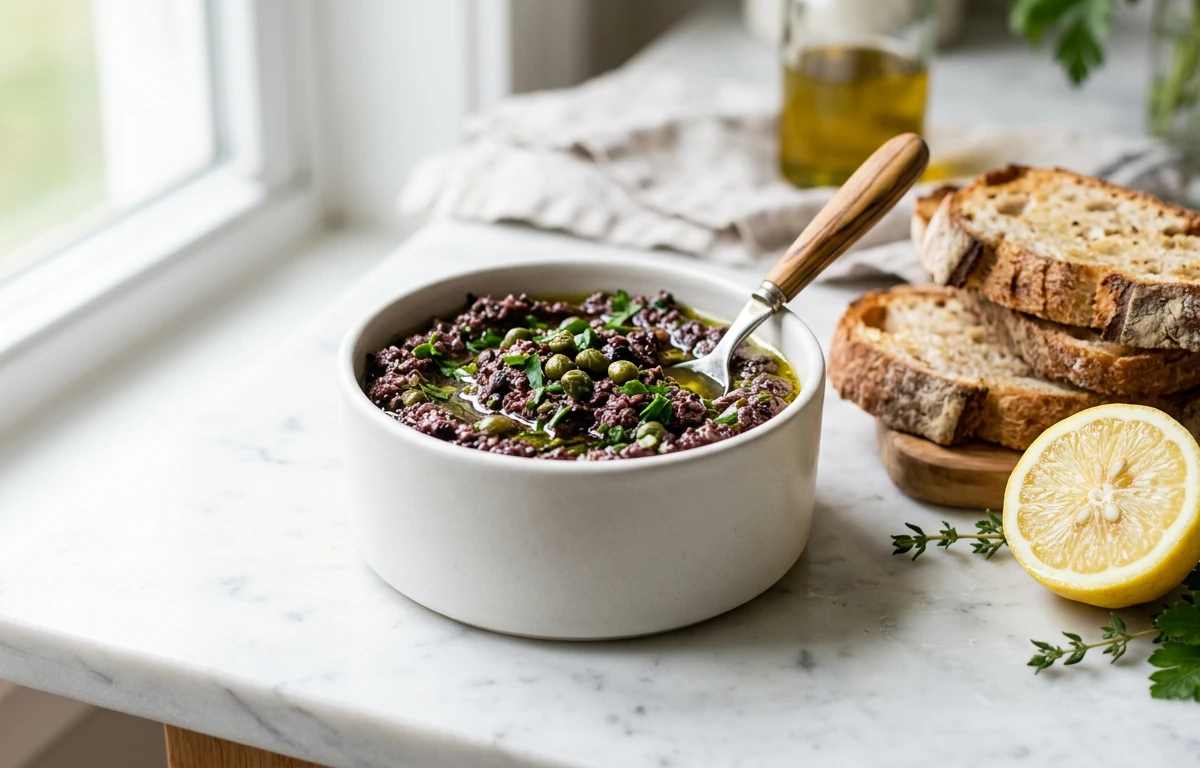
Don't just dot them on top. Chop them into salads, stir them into sauces, or blend them into tapenade to make them a core ingredient.
04
Pair with fresh foods.
Because they're high in salt and fat, they're best paired with fresh, unprocessed foods like salads, vegetables, and lean proteins.
Health benefits of olives
01
Packed with heart-healthy fat
The vast majority of fat in olives is monounsaturated oleic acid, the same fat that gives olive oil its healthy reputation for supporting good cholesterol levels.
7.9 g
oleic acid
02
A surprising source of iron
Black olives are a decent plant-based source of iron, which is crucial for carrying oxygen in your blood and preventing anemia. Vitamin C helps absorption, so pair with lemon or tomatoes.
35%
iron DV
03
Rich in protective antioxidants
Olives contain several powerful plant compounds, including vitamin E and polyphenols like oleocanthal, which have anti-inflammatory effects.
11%
vit E DV
04
Excellent for blood sugar control
With almost no digestible carbs and plenty of healthy fat, olives have a negligible impact on blood sugar, making them ideal for low-carb diets and diabetes management.
GI ~0
very low
What to pair olives with
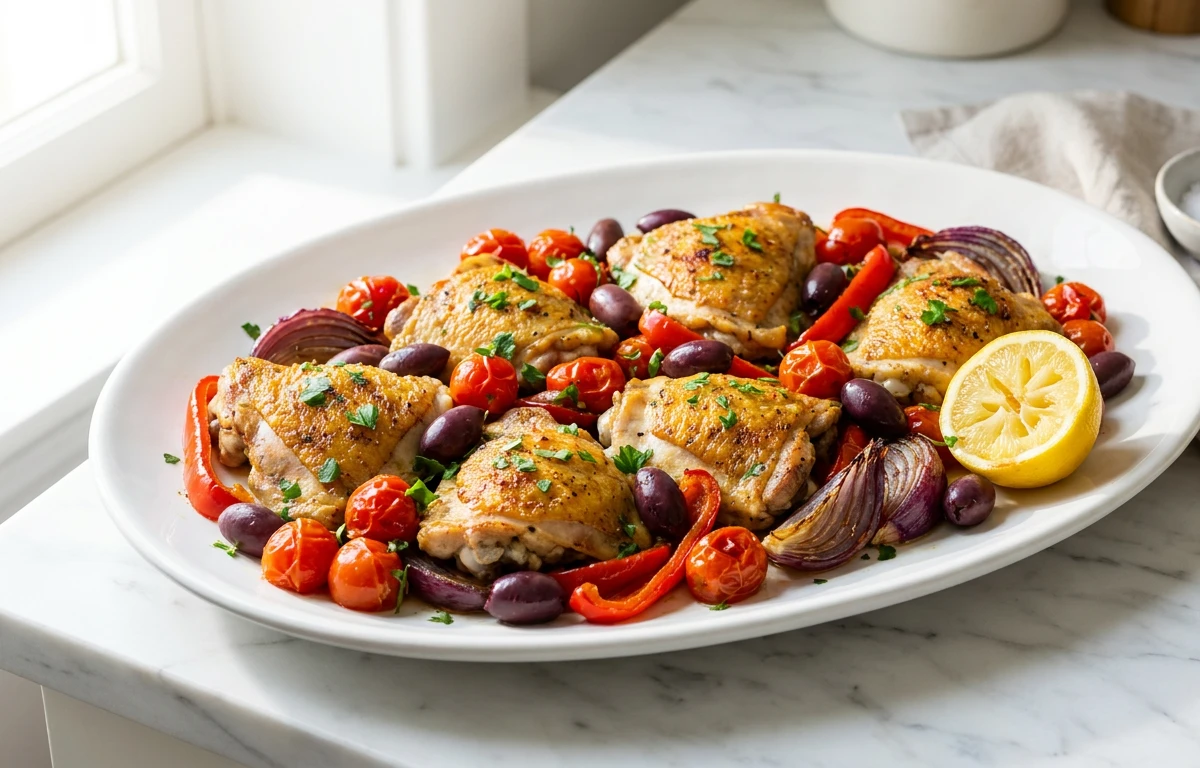
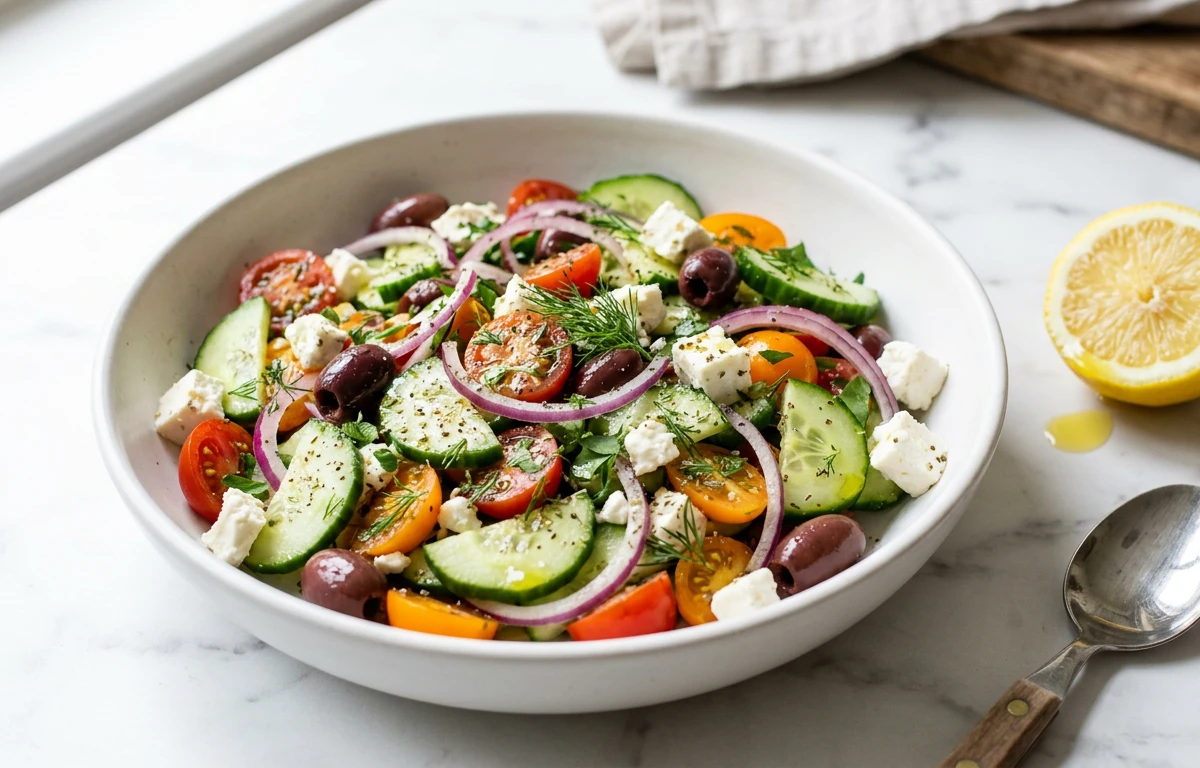
Olives' salty, savory flavor is a powerful counterpoint. Use them to add a pop of flavor and healthy fat to almost any dish.
Eat freely — or be mindful?
Three ways to use them
Move them from the side of the plate to the center with these simple, flavor-packed ideas.
Ready to build balanced, low-carb meals without the guesswork?
Our meal planner can help you incorporate healthy-fat foods like olives into a satisfying weekly menu, with all the portions and macros calculated for you.
Explore the meal planner →SOURCES & REFERENCES · 3
One more thing
Eating well is rarely about willpower. It’s about having a short list of dinners you actually want to eat. Pick two from this list. Make them next week. The rest will follow.
If you want these on autopilot, our weekly meal planner can drop the picks above into your calendar with one click and build a single grocery list from the merged ingredients.
FREQUENTLY ASKED QUESTIONS
Frequently asked questions
Are black olives good for weight loss?
They can be. While they are high in calories due to their fat content, that fat is very satiating, which can help you feel full and eat less overall. The key is strict portion control. A small handful is a great snack; a large bowl can easily derail a calorie deficit.
How do I buy low-sodium olives?
It can be difficult, as most are cured in brine. Look for labels that specifically state 'low sodium' or 'reduced sodium'. Some specialty stores sell water-cured olives, which are much lower in salt. For any canned olive, rinsing them thoroughly under running water is your best bet to reduce sodium.
What's the difference between green and black olives?
It's all about ripeness. Green olives are picked before they are ripe, while black olives are allowed to ripen on the tree. This affects their texture and flavor. Nutritionally, they are very similar, though green olives tend to be slightly higher in sodium and black olives slightly higher in oil content.
Are the fats in olives healthy?
Yes, overwhelmingly so. The primary fat in olives is oleic acid, a monounsaturated fat famous for its role in the heart-healthy Mediterranean diet. It's been shown to help reduce inflammation and may have beneficial effects on cholesterol levels.
METHODOLOGY
How this article was created
Built using verified nutrition databases, culinary research, and traditional cooking knowledge — every claim is cross-referenced against the sources listed in the article.
· USDA data· Culinary research· Quality reviewed
Read our methodology →TRANSPARENCY
About this content
Articles are curated using trusted food databases (USDA FoodData Central, IFCT), culinary literature, and dietary guidelines, then structured by our editorial team for clarity, accuracy, and usefulness.
· Verified data sources· Culinary research· Quality reviewed
Read our editorial policy →EXPLORE OUR MEALS
Meals that fit this article

AMERICAN · 1677 CAL
Almonds with Sliced Apple + supplement + iron

MEDITERRANEAN · 809 CAL
Greek Yogurt with Berries Almonds and Granola + supplement + iron

GENERAL_HEALTHY · 705 CAL
Banana with Peanut Butter Pregnancy + supplement + iron

MODERN · 982 CAL
Hummus with Crudits and Pita with Fresh Orange Snack + supplement + iron
TAGGED
KEEP READING