Tomato: Lycopene, Acidity, Glycemic Index & Nutrition Facts: verified nutrition facts, glycemic context, serving guidance, and practical cooking ideas.
↑ The tomato is a kitchen staple for a reason — versatile, fresh, and surprisingly nutritious.
The everyday essential
Sliced into a sandwich, tossed through a salad, or simmered into a sauce, the tomato is a constant in our kitchens. It's so common we tend to see right through it, treating it more as a given than an ingredient with its own nutritional story. But that story is worth telling. It's not a powerhouse of any single nutrient, but it delivers a helpful mix of vitamins and antioxidants for very, very few calories. It's a team player, and a good one.
IN ONE LINE
A whole tomato is low-calorie, low-carb, and a key source of the antioxidant lycopene. Its main watch-out is its natural acidity, which can be a problem for people with acid reflux.
Tomato nutrition facts
Here's the nutritional breakdown for one medium raw tomato, which is about 100 grams (or 3.5 ounces).
As you can see, a tomato is mostly water. The numbers are small across the board, which is exactly why they're so useful for adding volume and nutrients to meals without adding many calories. The standout is the vitamin C content — about 15% of your daily needs in one small tomato — and what's not on the label: the antioxidants.
Lycopene and acidity: the two sides of the tomato
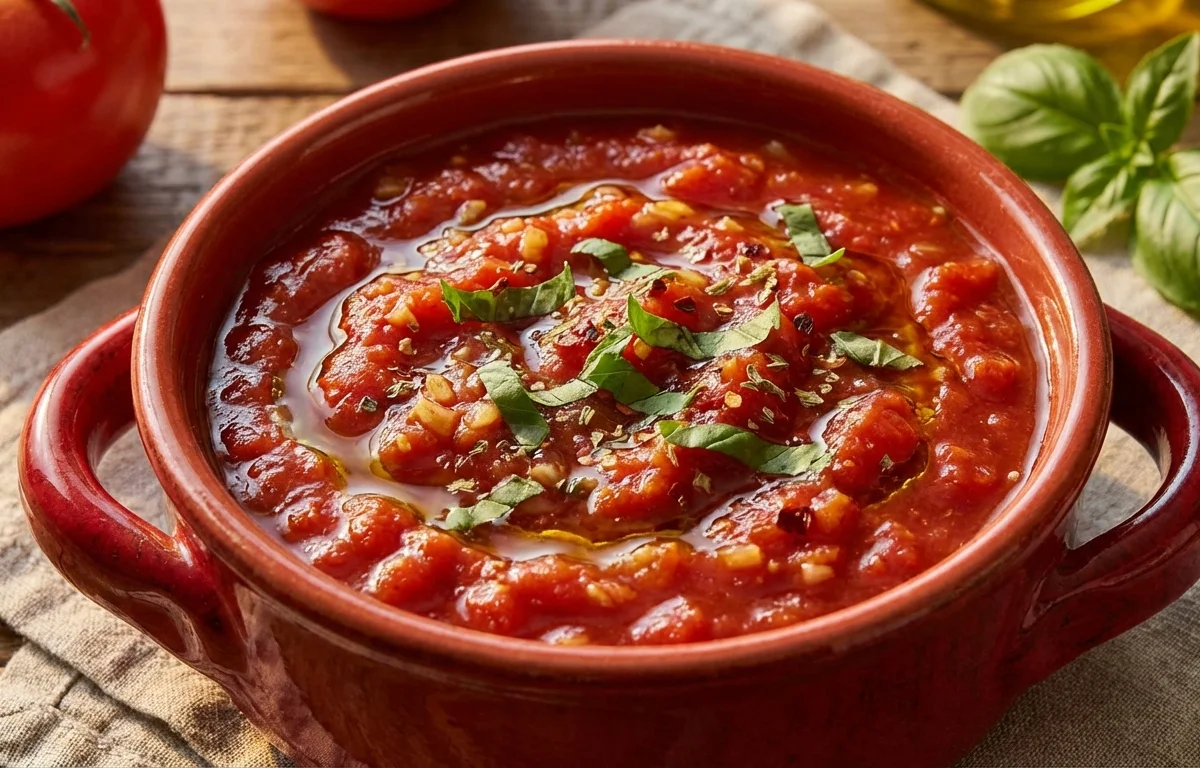
Tomatoes are famous for two things: lycopene and acidity. Lycopene is the red pigment that acts as a powerful antioxidant, linked to heart health and protection against certain diseases. Interestingly, your body absorbs it better from cooked tomatoes (like in sauce or soup) than from raw ones, especially when eaten with a little fat like olive oil.
On the flip side, that fresh, bright taste comes from natural acids, primarily citric and malic acid. For most of us, this is no problem. But for anyone with gastroesophageal reflux disease (GERD), that acidity can trigger uncomfortable heartburn. It's one of the most common trigger foods for a reason.
Cooking tomatoes in a little oil (like in a pasta sauce) makes the antioxidant lycopene much easier for your body to absorb compared to eating them raw.
Tomato's glycemic index
The glycemic index (GI) is a non-issue for tomatoes. Because they are so low in carbohydrates (less than 4 grams per 100g), their effect on blood sugar is minimal. While there's no official, widely-cited GI value for a plain tomato — it's so low that it's not worth measuring for most databases — it's firmly in the 'low' category. It will not spike your blood sugar.
GLYCEMIC INDEX · TOMATO vs COMMON FOODS
Tomatoes have a minimal blood sugar impact
Tomato
non-starchy veg
LOW
Cherries
whole fruit
LOW
Apple
whole fruit
LOW
Pineapple
whole fruit
MEDIUM
White bread
refined
HIGH
SCALE 0–90
04590
The smart way to eat them
It's hard to go wrong with a tomato, but a few simple habits help you get the most nutritional bang for your buck.
01
Cook them for lycopene.
To maximize your absorption of the antioxidant lycopene, simmer tomatoes into a sauce, soup, or roast them. The heat breaks down cell walls, releasing more of the good stuff.
02
Pair with a healthy fat.
Lycopene is fat-soluble. Drizzling your tomatoes (raw or cooked) with a little olive oil helps your body absorb it much more effectively.
03
Don't peel them.
Much of a tomato's fiber and many of its flavonoid antioxidants are concentrated in the skin. Unless a recipe specifically calls for it, eat the whole thing.
04
Watch the salt in canned versions.
Canned tomatoes are a fantastic pantry staple, but check the label. Opt for versions with no salt added to keep your sodium intake in check.
05
Go easy on the ketchup.
Don't confuse ketchup with a serving of vegetables. It's often very high in added sugar and salt. A small dollop is fine, but it's a condiment, not a health food.
What tomatoes are good for
01
A major source of lycopene
Tomatoes are the best-known source of this powerful antioxidant, which is linked to a reduced risk of heart disease and certain cancers.
Lycopene
antioxidant
02
Supports heart health
The combination of lycopene, vitamin C, and potassium (in larger servings), along with a lack of fat and cholesterol, makes tomatoes a heart-friendly choice.
0.2g
fat
03
Helps with weight management
With only 18 calories per 100g and a high water content, tomatoes add satisfying volume and nutrients to meals without adding calories.
18
calories
04
A good source of Vitamin C
One medium tomato provides about 15% of your daily vitamin C, which is crucial for immune function and skin health.
15%
Vit C DV
What to pair tomatoes with
Tomatoes are a versatile team player. Pairing them with healthy fats not only tastes great but also boosts nutrient absorption.
Eat freely — or be mindful?
Three ways to eat them
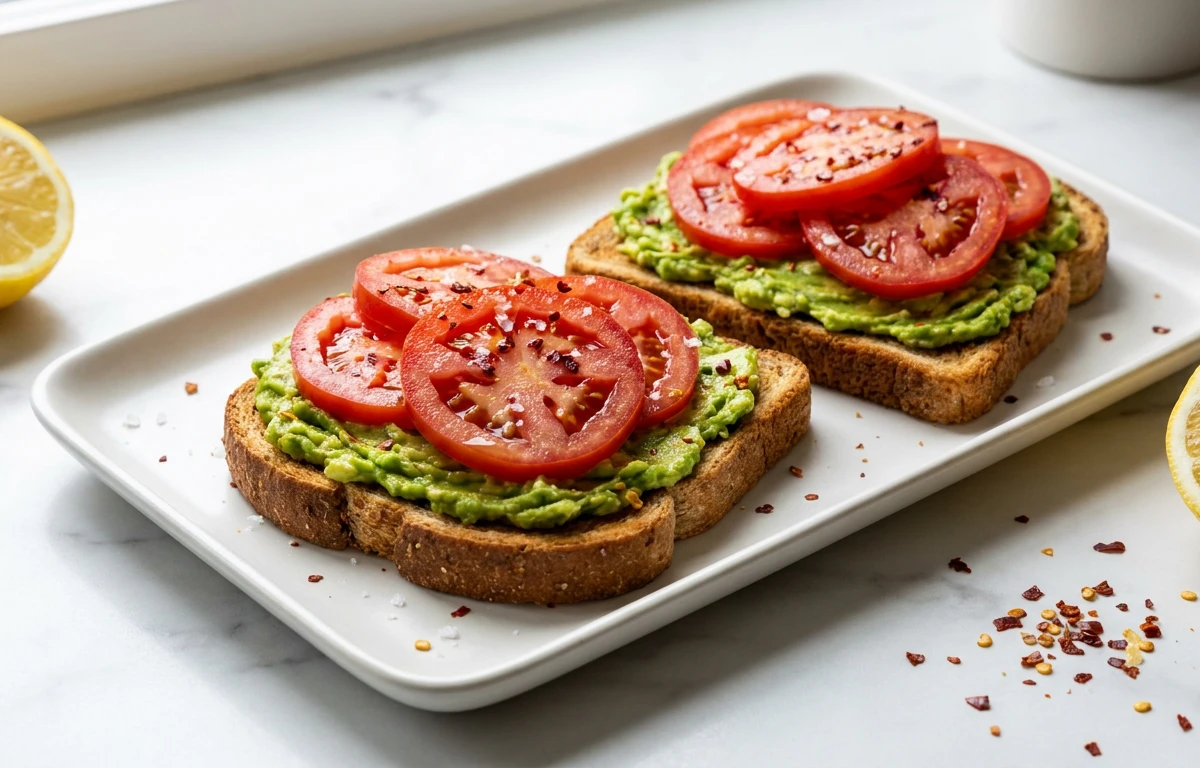
Beyond a simple salad, here are three easy ways to make tomatoes the star of the show.
Want more healthy staples worked into a balanced week?
Our meal planner uses everyday ingredients like tomatoes to build delicious, nutritionally balanced meal plans. Get your macros calculated, your grocery list generated, and your week sorted.
Build my weekly plan →SOURCES & REFERENCES · 3
One more thing
Eating well is rarely about willpower. It’s about having a short list of dinners you actually want to eat. Pick two from this list. Make them next week. The rest will follow.
If you want these on autopilot, our weekly meal planner can drop the picks above into your calendar with one click and build a single grocery list from the merged ingredients.
FREQUENTLY ASKED QUESTIONS
Frequently asked questions
Are cooked tomatoes healthier than raw tomatoes?
In one specific way, yes. The antioxidant lycopene becomes much easier for your body to absorb after tomatoes have been cooked. Raw tomatoes, however, may retain slightly more vitamin C, which can degrade with heat. A mix of both is best!
Are tomatoes bad for arthritis?
This is a persistent myth. Tomatoes are part of the nightshade family, which some people believe worsens arthritis symptoms. However, there is no scientific evidence to support this claim. In fact, the anti-inflammatory properties of tomatoes might actually be beneficial.
Why do tomatoes give me heartburn?
Tomatoes are naturally acidic. This acid can relax the lower esophageal sphincter in some people, allowing stomach acid to splash back up into the esophagus, which causes the burning sensation of heartburn. It's a very common trigger for those with GERD.
So, is a tomato a fruit or a vegetable?
Botanically speaking, it's a fruit because it develops from the flower's ovary and contains seeds. Culinarily, however, we use it like a vegetable in savory dishes. The US Supreme Court even ruled it a vegetable for tax purposes in 1893! So, you're right either way.
METHODOLOGY
How this article was created
Built using verified nutrition databases, culinary research, and traditional cooking knowledge — every claim is cross-referenced against the sources listed in the article.
· USDA data· Culinary research· Quality reviewed
Read our methodology →TRANSPARENCY
About this content
Articles are curated using trusted food databases (USDA FoodData Central, IFCT), culinary literature, and dietary guidelines, then structured by our editorial team for clarity, accuracy, and usefulness.
· Verified data sources· Culinary research· Quality reviewed
Read our editorial policy →RELATED RECIPES
Cook from this article
EXPLORE OUR MEALS
Meals that fit this article

AMERICAN · 1677 CAL
Almonds with Sliced Apple + supplement + iron

MEDITERRANEAN · 809 CAL
Greek Yogurt with Berries Almonds and Granola + supplement + iron

GENERAL_HEALTHY · 705 CAL
Banana with Peanut Butter Pregnancy + supplement + iron

MODERN · 982 CAL
Hummus with Crudits and Pita with Fresh Orange Snack + supplement + iron
TAGGED
KEEP READING