Let's get it out of the way: yes, pine nuts are expensive. And yes, they're high in calories. But writing them off for those two reasons is a huge mistake. These tiny, buttery seeds are a nutritional treasure, packed with the kind of healthy monounsaturated fats that support your heart, plus a surprising amount of protein. They're also incredibly low in carbohydrates, making them one of the most blood-sugar-friendly nuts you can eat. The key isn't to avoid them, but to use them smartly — as a rich, satisfying garnish that transforms a simple dish.
↑ Pine nuts are technically the edible seeds of certain species of pine tree.
The buttery, low-carb nut
Pine nuts have a texture unlike any other nut — soft, rich, almost creamy when you bite into them, with a delicate pine fragrance. That's because they're absolutely loaded with fat. But before you run a mile, this is exactly what makes them so good for you.
The vast majority of the fat in pine nuts is the healthy, unsaturated kind that cardiologists love. This fat, combined with a decent hit of protein and very few carbohydrates, makes for an incredibly satisfying food that barely moves the needle on your blood sugar. They're a perfect example of how 'high-fat' and 'unhealthy' are not the same thing.
IN ONE LINE
Tiny but mighty, pine nuts are a low-carb, high-fat food packed with heart-healthy fats and minerals. Eat them by the spoonful, not the handful.
Pine nut nutrition facts
Here's the nutritional breakdown for a 100-gram serving of pine nuts, which is about two-thirds of a cup. Keep in mind that a typical serving size is much smaller, usually just one or two tablespoons (around 15-30g).
But aren't they fattening?
At 673 calories per 100 grams, pine nuts are one of the most energy-dense foods around. This is where so many people get nervous. But here's the thing: nobody eats 100 grams of pine nuts in one sitting. A sprinkle on a salad might be 10 grams (67 calories). A generous portion for pesto might be 30 grams (around 200 calories).
Because they're so rich in fat and protein, they are incredibly satiating. A small amount makes you feel full and satisfied, which can actually help you eat less overall. So, are they fattening? Only if you eat them by the cupful. Used as a flavourful, crunchy garnish, they're a brilliant tool for weight management.
A standard 1-ounce (28g) serving has about 190 calories. Think of them as a flavouring agent, not a bulk ingredient.
Pine nuts' glycemic index
There is no officially tested glycemic index (GI) for pine nuts, and there's a simple reason why: they contain so few carbohydrates that their effect on blood sugar is almost too small to measure. Foods that are primarily fat and protein, like nuts, seeds, and oils, have a naturally low GI.
With only about 9 grams of net carbs per 100g serving, pine nuts will not cause a significant spike in blood sugar. This makes them an excellent food for anyone managing diabetes or following a low-carb diet. When you see them next to other common foods, it's clear they belong in the most gentle category.
GLYCEMIC INDEX · PINE NUTS vs COMMON FOODS
Pine nuts have a negligible glycemic impact
Pine Nuts
estimated
LOW
Apple
whole fruit
LOW
Pineapple
whole fruit
MEDIUM
White bread
refined
HIGH
Cornflakes
refined
HIGH
SCALE 0–90
04590
The smart way to eat them
A little care goes a long way in getting the most from your (pricey) pine nuts.
01
Toast them lightly.
A few minutes in a dry pan over medium heat releases their oils and deepens their flavour. Watch them like a hawk—they go from golden to burnt in seconds.
02
Use as a garnish.
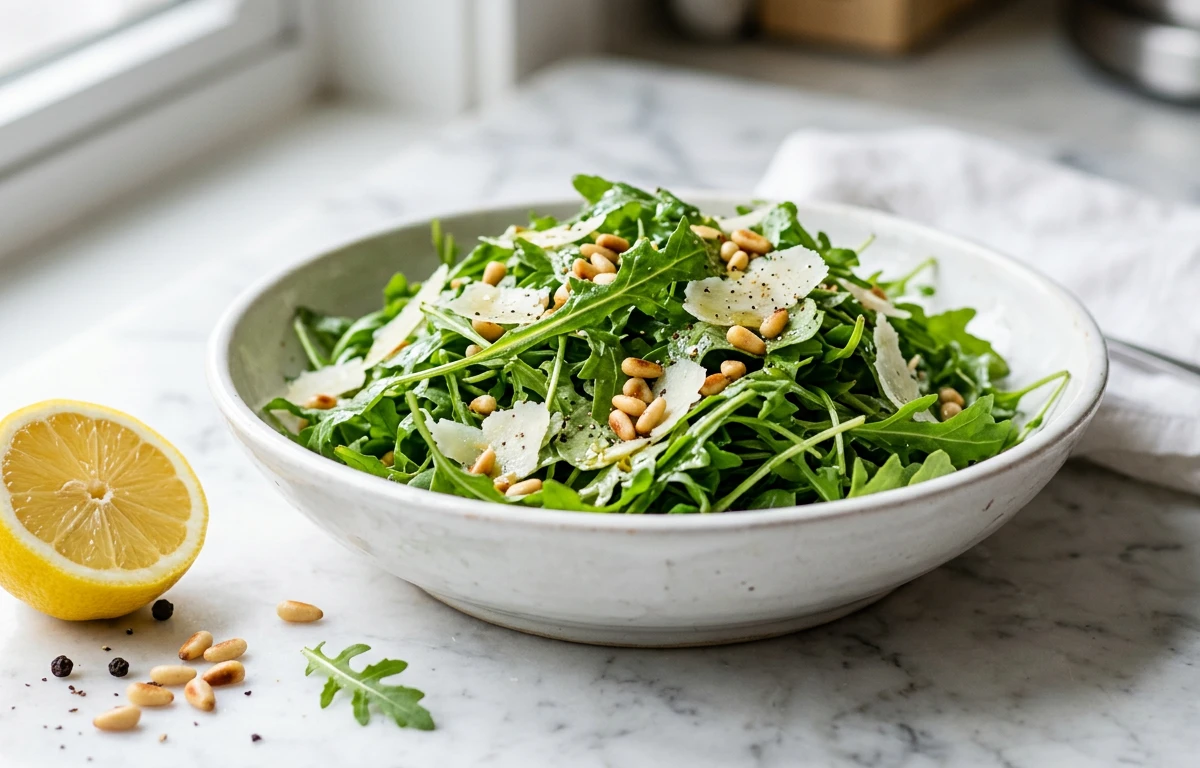
Think of pine nuts as a finishing touch. A tablespoon sprinkled over pasta, salad, or roasted vegetables adds flavour, texture, and healthy fats without overloading on calories.
03
Store them in the fridge.
Their high fat content means they can go rancid quickly. Keep them in an airtight container in the refrigerator or even the freezer to prolong their shelf life.
04
Mind the portion.
A serving is about 1-2 tablespoons, not a handful. Use a measuring spoon for a day or two to get a feel for what a sensible portion looks like.
What pine nuts are good for
01
Supporting Heart Health
Pine nuts are packed with monounsaturated fats, which are known to help lower bad (LDL) cholesterol and support overall cardiovascular health.
68%
fat by weight
02
Excellent Blood Sugar Control
With very few carbs and lots of fat and protein, pine nuts have a minimal impact on blood sugar, making them ideal for low-carb diets and diabetes management.
GI <15
estimated
03
Aiding Weight Management
The combination of fat, protein, and fibre is highly satiating. A small serving can curb hunger and prevent overeating later.
13.7g
protein / 100g
04
Rich in Essential Minerals
They are a fantastic source of magnesium (crucial for nerve function and blood pressure) and vitamin K (important for blood clotting and bone health).
60%
magnesium DV
What to pair pine nuts with
Pine nuts' buttery flavour is surprisingly versatile. They work beautifully in both savoury and sweet contexts.
Eat freely — or be mindful?
Three ways to eat them
Beyond pesto, here are three simple ways to incorporate pine nuts into your meals.
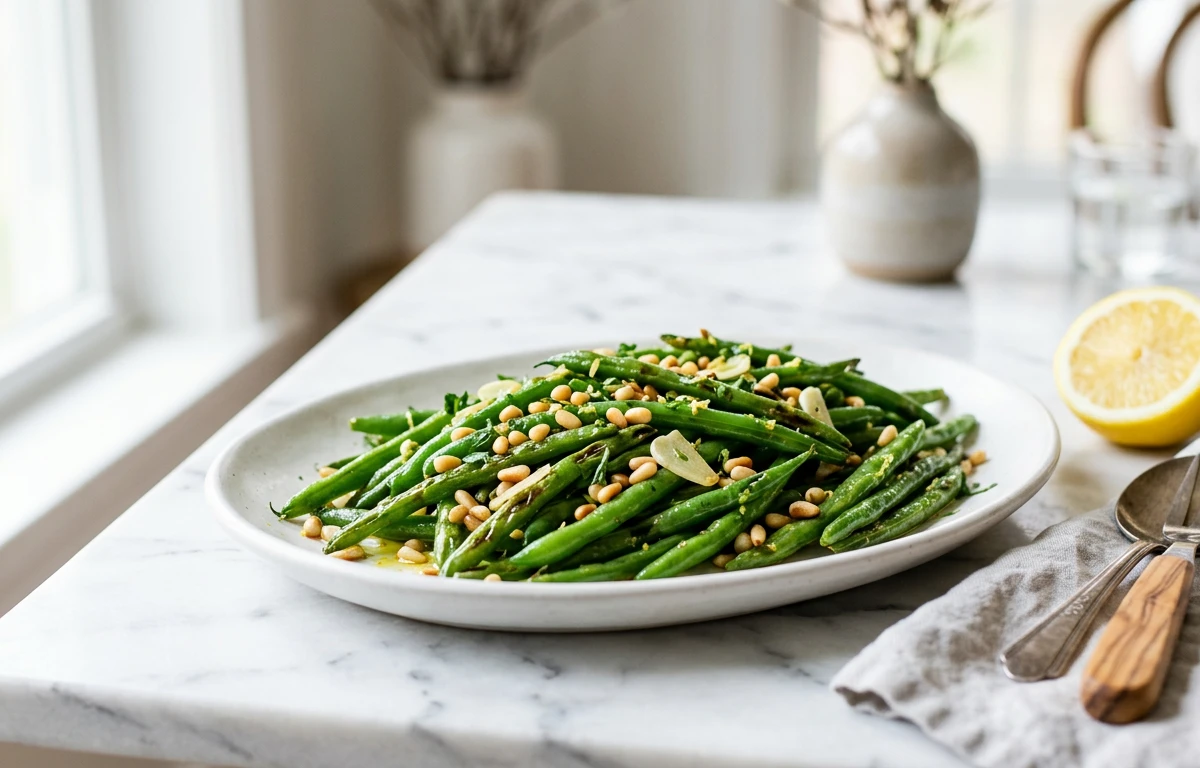
Want healthy fats worked into a balanced week — without the planning?
Our meal planner incorporates nutrient-dense foods like pine nuts into delicious, easy recipes. We handle the portions and macros so you get a balanced plan and a single grocery list.
Build my weekly plan →SOURCES & REFERENCES · 3
One more thing
Eating well is rarely about willpower. It’s about having a short list of dinners you actually want to eat. Pick two from this list. Make them next week. The rest will follow.
If you want these on autopilot, our weekly meal planner can drop the picks above into your calendar with one click and build a single grocery list from the merged ingredients.
FREQUENTLY ASKED QUESTIONS
Frequently asked questions
Are pine nuts good for weight loss?
They can be. While very high in calories, their combination of fat, protein, and fibre is very filling. A small, controlled portion can help manage hunger. The key is strict portion control; a 1-2 tablespoon serving is best.
Are pine nuts keto-friendly?
Yes, absolutely. They are very high in fat and extremely low in net carbohydrates, making them a perfect fit for a ketogenic diet.
How many pine nuts should you eat in a day?
A sensible daily serving is around 1 ounce (28 grams), which is about 160-170 nuts. This provides significant nutrients without excessive calories. For most people, using 1-2 tablespoons as a garnish is a great approach.
Why are pine nuts so expensive?
Pine nuts are labor-intensive to harvest. They come from specific pine species, and the cones must be harvested and heated to release the seeds, which are then shelled. This difficult, time-consuming process contributes to their high price.
METHODOLOGY
How this article was created
Built using verified nutrition databases, culinary research, and traditional cooking knowledge — every claim is cross-referenced against the sources listed in the article.
· USDA data· Culinary research· Quality reviewed
Read our methodology →TRANSPARENCY
About this content
Articles are curated using trusted food databases (USDA FoodData Central, IFCT), culinary literature, and dietary guidelines, then structured by our editorial team for clarity, accuracy, and usefulness.
· Verified data sources· Culinary research· Quality reviewed
Read our editorial policy →RELATED RECIPES
Cook from this article
EXPLORE OUR MEALS
Meals that fit this article

AMERICAN · 1677 CAL
Almonds with Sliced Apple + supplement + iron

MEDITERRANEAN · 809 CAL
Greek Yogurt with Berries Almonds and Granola + supplement + iron

GENERAL_HEALTHY · 705 CAL
Banana with Peanut Butter Pregnancy + supplement + iron
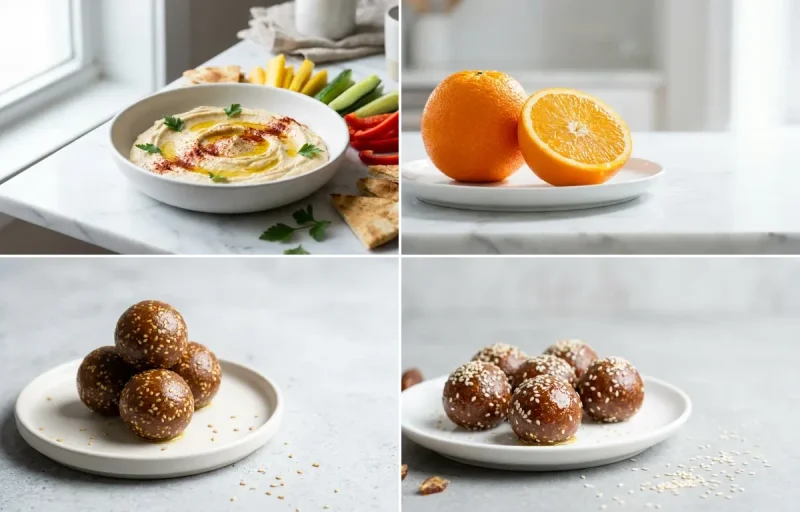
MODERN · 982 CAL
Hummus with Crudits and Pita with Fresh Orange Snack + supplement + iron
TAGGED
KEEP READING