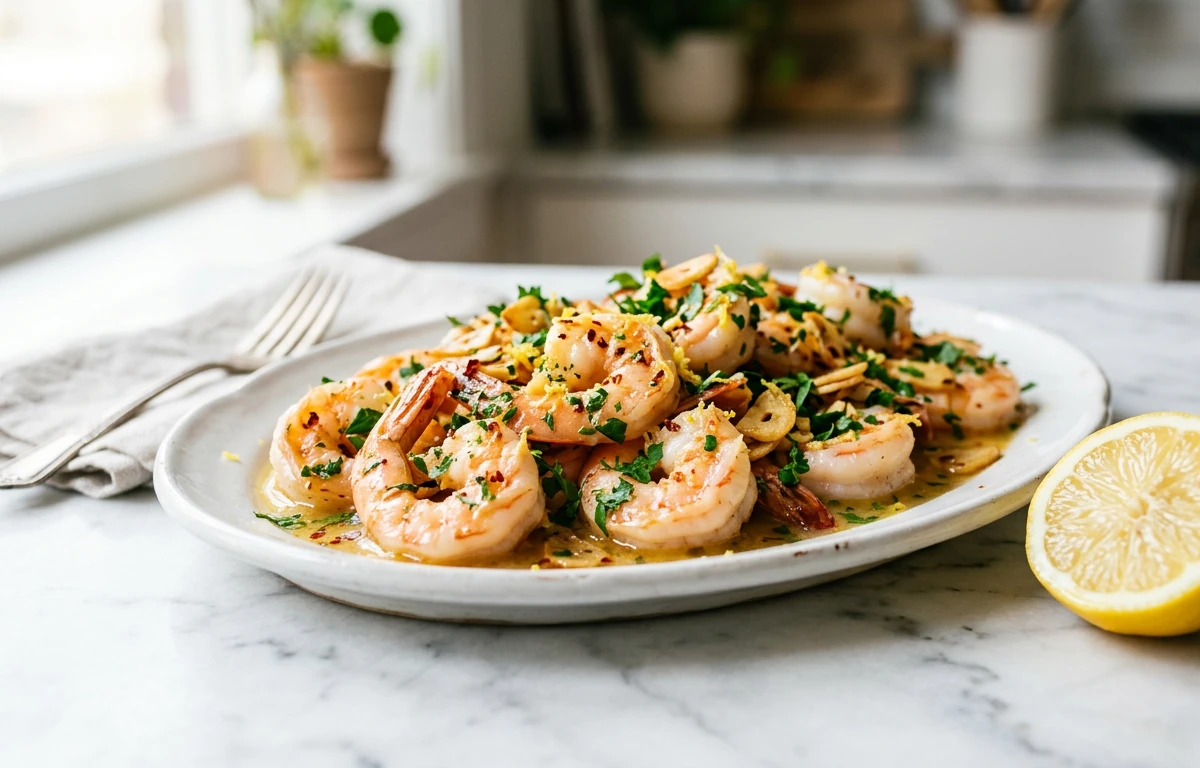
Let's get the big shrimp question out of the way first: the cholesterol. For years, this little crustacean was on the 'avoid' list for anyone worried about heart health. But we've learned a lot since then. The truth is, for most of us, the dietary cholesterol in shrimp isn't the villain it was made out to be. What shrimp really is, is a fantastic source of lean, satisfying protein for very few calories. It's fast-cooking, versatile, and a genuinely smart choice for a quick, healthy meal.
↑ Shrimp is a lean protein that cooks in minutes.
More than just cholesterol
For a long time, the conversation about shrimp started and ended with its high cholesterol content. It's true, shrimp contains more dietary cholesterol than many other foods. But modern nutrition science has shown that for most healthy people, the cholesterol you eat has a much smaller effect on your blood cholesterol levels than saturated and trans fats do. And shrimp? It has almost no saturated fat.
So, let's reframe. The real story of shrimp is its incredible protein-to-calorie ratio. At 85 calories for over 20 grams of protein, it's one of the leanest protein sources you can find. It's a quick, convenient food that delivers serious satisfaction without weighing you down.
IN ONE LINE
Shrimp is a lean, high-protein, zero-carb food. The old scare about its cholesterol content is largely outdated for most people.
Shrimp nutrition facts
Here's what a standard 100-gram (about 3.5 ounces) serving of cooked shrimp provides. That's about 12-15 large shrimp.
The standout numbers here are the huge protein hit for so few calories and the complete absence of carbs. But don't miss the micronutrients. Shrimp is an incredible source of selenium, a powerful antioxidant that's crucial for thyroid health and immune function. It also provides a significant amount of vitamin B12, essential for nerve function and creating red blood cells.
Shrimp's glycemic index
This is a short section. Glycemic index (GI) measures how much a carbohydrate-containing food raises blood sugar. Since shrimp contains zero carbohydrates, its glycemic index is effectively zero. It will not raise your blood sugar levels, which makes it an excellent food for blood sugar management and a staple in low-carb and ketogenic diets.
GLYCEMIC INDEX · SHRIMP vs COMMON FOODS
Shrimp has no effect on blood sugar
Shrimp
protein
LOW
Apple
whole fruit
LOW
Pineapple
whole fruit
MEDIUM
White bread
refined
HIGH
Cornflakes
refined
HIGH
SCALE 0–90
04590
The smart way to eat it
Shrimp itself is a nutritional winner. How you cook and serve it makes all the difference.
01
Grill, steam, or sauté.
These methods add minimal fat and calories. Deep-frying or covering shrimp in creamy, buttery sauces changes the nutrition profile completely.
02
Watch the sodium.
Shrimp is often paired with salty ingredients (soy sauce, cocktail sauce, salty spice blends). Use low-sodium options, or flavor with garlic, lemon, herbs, and chili.
03
Pair it with plants.
Because shrimp has no fiber, it's best eaten with lots of vegetables or a side of whole grains to make a complete, balanced meal.
04
Choose sustainable sources.
Look for labels like 'Best Aquaculture Practices' (BAP) or 'Marine Stewardship Council' (MSC) to make a more environmentally-friendly choice.
What shrimp is good for
01
Incredibly Lean Protein
With 20 grams of high-quality protein for only 85 calories, shrimp is one of the most efficient foods for building muscle and staying full.
20.1g
protein
02
Weight Management
The combination of high protein and low calories makes shrimp very satiating, helping you feel full and satisfied while managing calorie intake.
85
calories
03
Thyroid & Immune Support
A single serving provides over two-thirds of your daily selenium, an essential mineral for producing thyroid hormones and protecting cells from damage.
69%
selenium DV
04
Zero-Carb Energy
As a pure protein source with a glycemic index of zero, shrimp provides steady energy without any impact on blood sugar levels.
GI 0
no carbs
What to pair shrimp with
Shrimp's mild flavor makes it a perfect canvas. Pair it with fiber and healthy fats for a truly balanced meal.
Eat freely — or be mindful?
Three ways to eat it
Three simple recipes that let the goodness of shrimp shine through without adding a lot of fat or sodium.
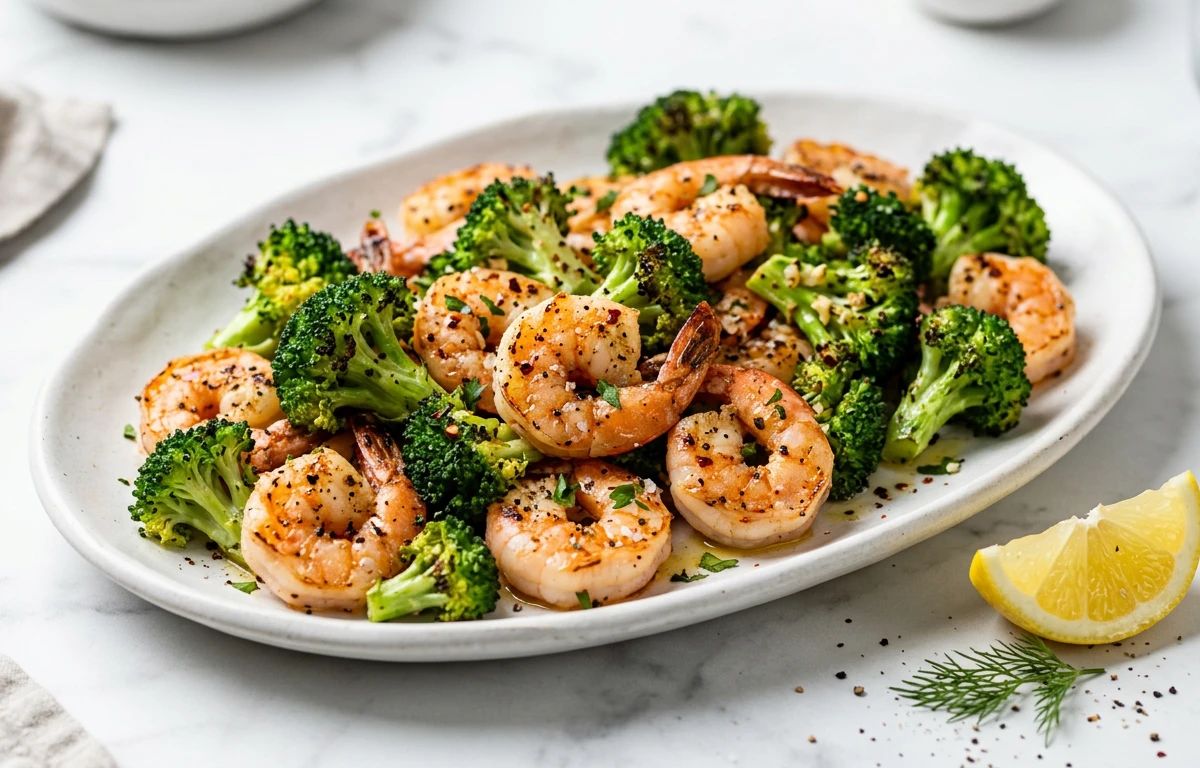
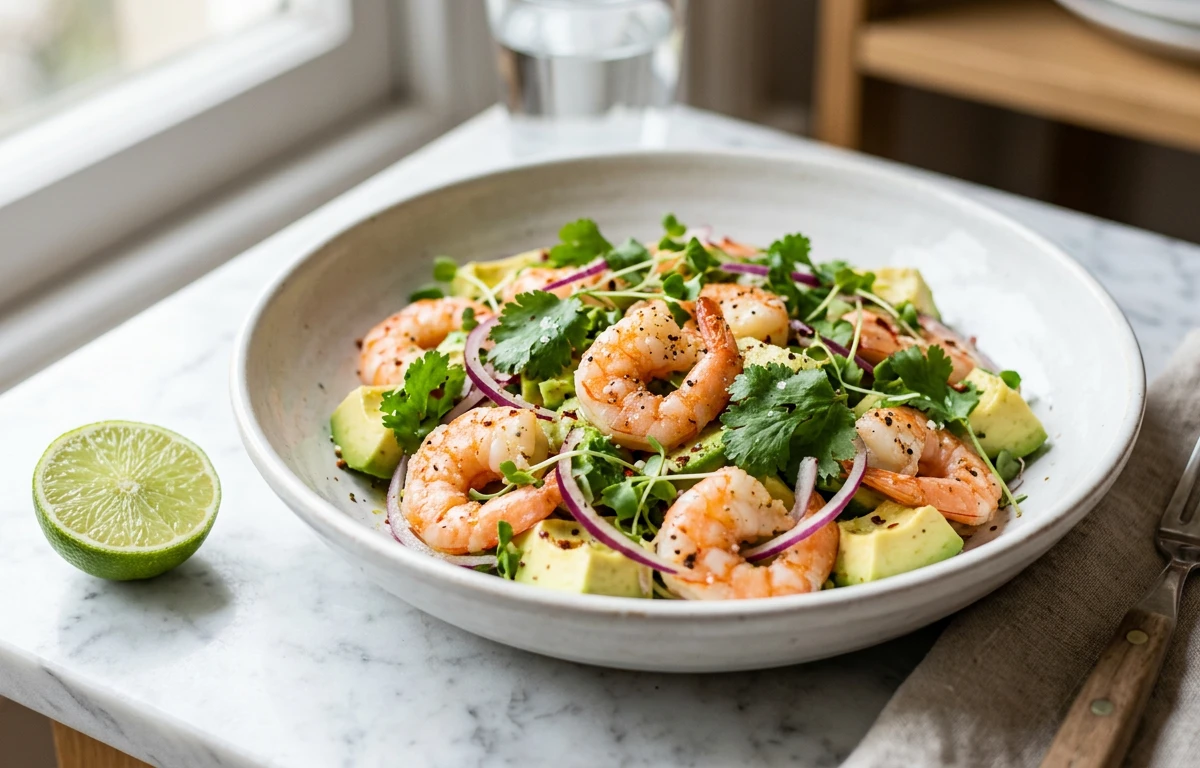
Want lean proteins like shrimp worked into a balanced week?
Our meal planner builds weekly menus around your goals, pairing lean proteins with the right amount of fiber and healthy fats — with portions and macros already calculated and a single grocery list at the end.
Build my weekly plan →SOURCES & REFERENCES · 3
One more thing
Eating well is rarely about willpower. It’s about having a short list of dinners you actually want to eat. Pick two from this list. Make them next week. The rest will follow.
If you want these on autopilot, our weekly meal planner can drop the picks above into your calendar with one click and build a single grocery list from the merged ingredients.
FREQUENTLY ASKED QUESTIONS
Frequently asked questions
Is shrimp healthy despite the high cholesterol?
Yes, for most people. Research shows that dietary cholesterol has less impact on blood cholesterol than saturated fat. Since shrimp is very low in saturated fat and high in other nutrients, it's considered a healthy choice when eaten as part of a balanced diet.
Can people with diabetes eat shrimp?
Absolutely. Shrimp contains no carbohydrates and has a glycemic index of zero, meaning it won't raise blood sugar. It's an excellent protein source for a diabetes-friendly diet.
Is shrimp good for weight loss?
Yes, it's a great food for weight loss. It's very high in protein, which promotes fullness, and very low in calories. This combination helps you stay satisfied on fewer calories.
Why should people with gout be careful with shrimp?
Shrimp is high in compounds called purines. In people with gout, the body breaks down purines into uric acid, and high levels of uric acid can trigger a painful gout attack. If you have gout, it's best to limit shrimp and other high-purine foods.
METHODOLOGY
How this article was created
Built using verified nutrition databases, culinary research, and traditional cooking knowledge — every claim is cross-referenced against the sources listed in the article.
· USDA data· Culinary research· Quality reviewed
Read our methodology →TRANSPARENCY
About this content
Articles are curated using trusted food databases (USDA FoodData Central, IFCT), culinary literature, and dietary guidelines, then structured by our editorial team for clarity, accuracy, and usefulness.
· Verified data sources· Culinary research· Quality reviewed
Read our editorial policy →EXPLORE OUR MEALS
Meals that fit this article

AMERICAN · 1677 CAL
Almonds with Sliced Apple + supplement + iron

MEDITERRANEAN · 809 CAL
Greek Yogurt with Berries Almonds and Granola + supplement + iron

GENERAL_HEALTHY · 705 CAL
Banana with Peanut Butter Pregnancy + supplement + iron

MODERN · 982 CAL
Hummus with Crudits and Pita with Fresh Orange Snack + supplement + iron
TAGGED
KEEP READING