Canned Atlantic Sardine: Omega-3s, Protein, Glycemic Index & How to Eat Them: verified nutrition facts, glycemic context, serving guidance, and practical cooking ideas.
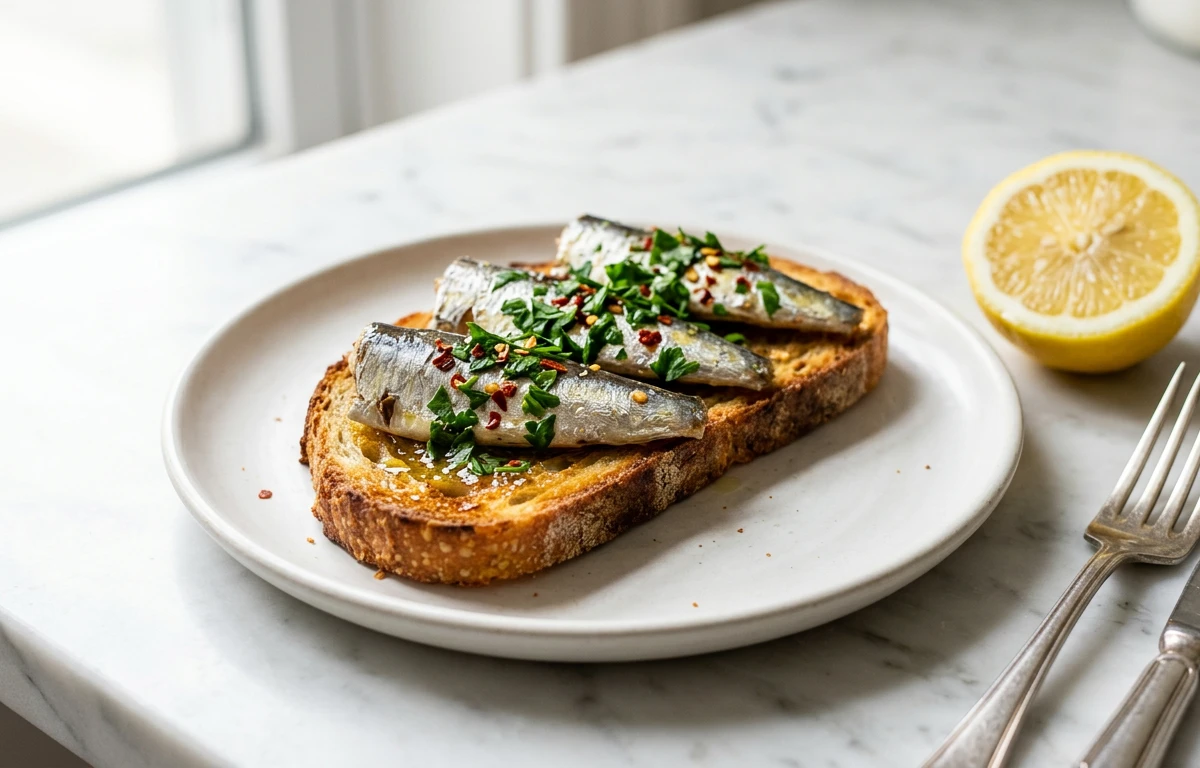
↑ Sardines are a simple, no-cook source of protein and healthy fats.
The pantry powerhouse
Sardines are small, oily fish that sit low on the food chain. This is good news for two reasons: they don't accumulate heavy metals like mercury the way larger fish do, and they're highly sustainable.
Most are packed in tins with oil, water, or tomato sauce, often with their tiny, soft bones still in. And you should eat those bones! They're where most of the calcium lives. Forget the idea that they're just cat food; a can of sardines is one of the most efficient, affordable, and nutrient-packed meals you can find.
IN ONE LINE
A can of sardines is a near-perfect meal: zero-carb protein, heart-healthy omega-3s, and bone-building calcium, all for a few dollars.
Sardine nutrition facts
Here's what a typical 100-gram can of Atlantic sardines, drained, provides. The numbers speak for themselves.
The protein is impressive — nearly 25 grams, making sardines incredibly filling. But the real stars are the micronutrients. You get a huge dose of vitamin B12 for energy and nerve function, a rare food source of vitamin D, and, if you eat the bones, more calcium than a glass of milk. Plus, all that anti-inflammatory omega-3 fat.
Sardines, blood sugar, and the glycemic index
This is a short section. Because sardines contain zero grams of carbohydrates, they have a glycemic index (GI) of 0. They simply do not raise your blood sugar levels. This makes them an ideal food for anyone managing blood sugar, from people with type 2 diabetes to anyone on a low-carb or ketogenic diet. The high protein and fat content also helps to slow the absorption of any carbs you eat alongside them, like the crackers or toast you might serve them on.
GLYCEMIC INDEX · SARDINES vs COMMON FOODS
Sardines have a glycemic index of zero
Sardines
no carbs
LOW
Apple
whole fruit
LOW
Pineapple
whole fruit
MEDIUM
White bread
refined
HIGH
SCALE 0–90
04590
The smart way to eat them
If you're new to sardines, don't overthink it. They're pre-cooked and ready to eat. Here's how to get the most out of your tin.
01
Start simple.
The easiest way is straight from the can on a good, seedy cracker. Mash them a bit with a fork first.
02
Eat the bones!
I'll say it again. The bones are soft, completely edible, and packed with calcium. Don't try to pick them out.
03
Add acid.
Sardines are rich and oily. A squeeze of fresh lemon juice or a splash of vinegar cuts through the richness beautifully.
04
Choose your pack.
Sardines in olive oil are delicious and help you absorb vitamin D. Those in water are lower in calories. Both are great choices.
05
Check the sodium.
If you're watching your blood pressure, look for 'no salt added' or low-sodium versions, as some can be quite salty.
What sardines are good for
01
Protecting your heart
Sardines are a top source of EPA and DHA omega-3s, which are strongly linked to lower triglycerides and reduced inflammation.
~2 g
omega-3s
02
Building strong bones
A single can with bones provides nearly a third of your daily calcium, plus the vitamin D you need to absorb it.
29%
calcium DV
03
Supporting brain health
The combination of omega-3s and an enormous amount of vitamin B12 supports cognitive function and nerve health.
371%
vit B12 DV
04
Keeping you full
With almost 25 grams of high-quality protein, sardines are incredibly satisfying and help curb hunger for hours.
24.6 g
protein
05
Perfect blood sugar control
Having a glycemic index of zero, sardines provide stable energy without any impact on blood glucose levels.
GI 0
zero
What to pair sardines with
Sardines are bold, so they pair well with things that can stand up to them or provide a fresh, sharp contrast.
Eat freely — or be mindful?
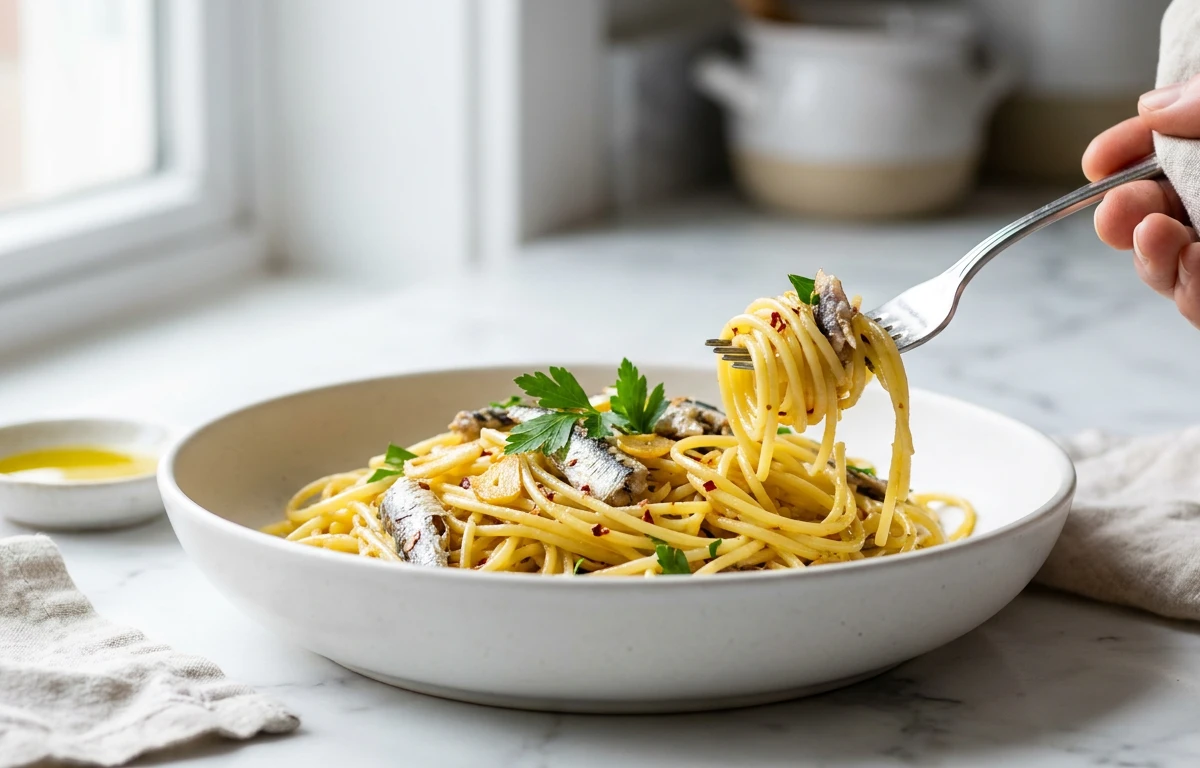
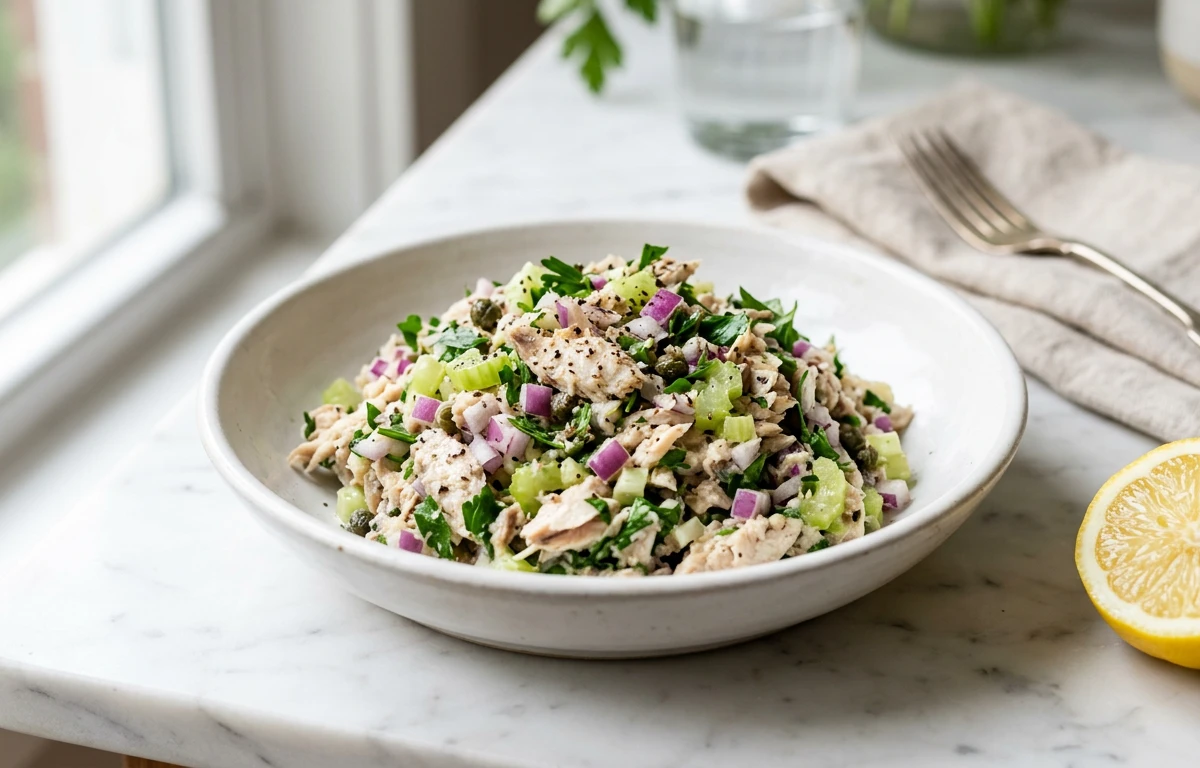
Three ways to eat them
Beyond just eating them on crackers, sardines are a fantastic and fast meal ingredient. Here are three simple ideas.
Want more high-protein, low-carb ideas worked into your week?
Our meal planner can build you a plan rich in foods like sardines, balancing your macros for goals like weight loss or steady energy, and creates a single grocery list to make it easy.
Build my weekly plan →One more thing
Eating well is rarely about willpower. It’s about having a short list of dinners you actually want to eat. Pick two from this list. Make them next week. The rest will follow.
If you want these on autopilot, our weekly meal planner can drop the picks above into your calendar with one click and build a single grocery list from the merged ingredients.
FREQUENTLY ASKED QUESTIONS
Frequently asked questions
Are canned sardines healthy?
Yes, they are one of the healthiest foods you can eat. They are rich in protein, omega-3 fatty acids, calcium, vitamin D, and vitamin B12. They are also low in mercury and are a sustainable seafood choice.
Are sardines better in oil or water?
Both are great. Sardines in olive oil have a richer flavor and the fat helps you absorb the fat-soluble vitamin D. Sardines in water are lower in calories and fat. Choose based on your preference and dietary goals.
What about mercury in sardines?
Sardines are very low in mercury. Because they are small and low on the marine food chain, they don't accumulate mercury the way larger predatory fish like tuna or swordfish do. They are considered one of the safest fish to eat regularly.
Do I have to eat the bones in sardines?
You don't have to, but you'll miss out on a huge amount of calcium. The bones are pressure-cooked until they are completely soft and edible, and you likely won't even notice them. They are the main reason sardines are so good for bone health.
METHODOLOGY
How this article was created
Built using verified nutrition databases, culinary research, and traditional cooking knowledge — every claim is cross-referenced against the sources listed in the article.
· USDA data· Culinary research· Quality reviewed
Read our methodology →TRANSPARENCY
About this content
Articles are curated using trusted food databases (USDA FoodData Central, IFCT), culinary literature, and dietary guidelines, then structured by our editorial team for clarity, accuracy, and usefulness.
· Verified data sources· Culinary research· Quality reviewed
Read our editorial policy →RELATED RECIPES
Cook from this article
EXPLORE OUR MEALS
Meals that fit this article

AMERICAN · 1677 CAL
Almonds with Sliced Apple + supplement + iron

MEDITERRANEAN · 809 CAL
Greek Yogurt with Berries Almonds and Granola + supplement + iron

GENERAL_HEALTHY · 705 CAL
Banana with Peanut Butter Pregnancy + supplement + iron

MODERN · 982 CAL
Hummus with Crudits and Pita with Fresh Orange Snack + supplement + iron
TAGGED
KEEP READING