Skim milk has had a rough ride. It got pushed to the back of the fridge during the whole 'healthy fats' revolution, painted as a watery, sad alternative to its full-fat sibling. But I think that's missing the point. If you stop thinking of it as 'milk with the fun taken out' and start seeing it for what it is — a clean, lean, incredibly useful source of high-quality protein — its place in a healthy kitchen becomes crystal clear.
↑ Nonfat milk is a simple, effective source of lean protein and calcium.
The lean protein source hiding in plain sight
For years, the message was 'fat is bad', so skim milk was king. Then the pendulum swung, and suddenly 'fat is good', and skim milk was out. The truth, as usual, is somewhere in the middle. Nonfat milk isn't a magic bullet, but it's also not 'sugar water' as some critics claim. It's a beverage made of about 90% water, with the rest being a fantastic mix of high-quality proteins (casein and whey), natural milk sugar (lactose), and a host of minerals led by calcium.
It's a tool. If you need a low-calorie way to add significant protein to your diet for satiety, muscle repair, or just to balance out a meal, it's one of the most efficient and affordable options available.
IN ONE LINE
Nonfat milk is a clean, low-calorie source of high-quality protein and calcium, with a gentle effect on blood sugar. Don't let the 'no fat' part fool you into thinking it's 'no value'.
Nonfat milk nutrition facts
Here's the nutritional profile for a 100-gram serving of nonfat milk, which is just under half a cup (or about 100 ml).
The two things that stand out are the protein-to-calorie ratio and the calcium. You get a solid 3.4 grams of very bioavailable protein for only 34 calories. This is what makes it so useful for weight management and muscle recovery. The sugar you see is lactose, not added sucrose, and it behaves differently in the body.
The Glycemic Index of Nonfat Milk
People sometimes worry about the 5 grams of sugar, but they shouldn't. Milk consistently ranks as a low-glycemic food. The scale runs from 0-100, with anything under 55 considered 'low'. While exact numbers vary, milk is typically in the 30-40 range. Why? The protein in the milk significantly slows down how quickly your body absorbs the lactose, preventing the sharp blood sugar spike you'd get from other sugary drinks. It provides calm, steady energy.
GLYCEMIC INDEX · MILK vs COMMON FOODS
Nonfat milk is firmly in the low-GI band
Cherries
whole fruit
LOW
Nonfat Milk
dairy
LOW
Apple
whole fruit
LOW
Mango
whole fruit
LOW
White bread
refined
HIGH
SCALE 0–90
04590
The smart way to use it
Nonfat milk is more of an ingredient than a standalone drink for many. Here's how to get the most out of it.
01
Boost your breakfast.
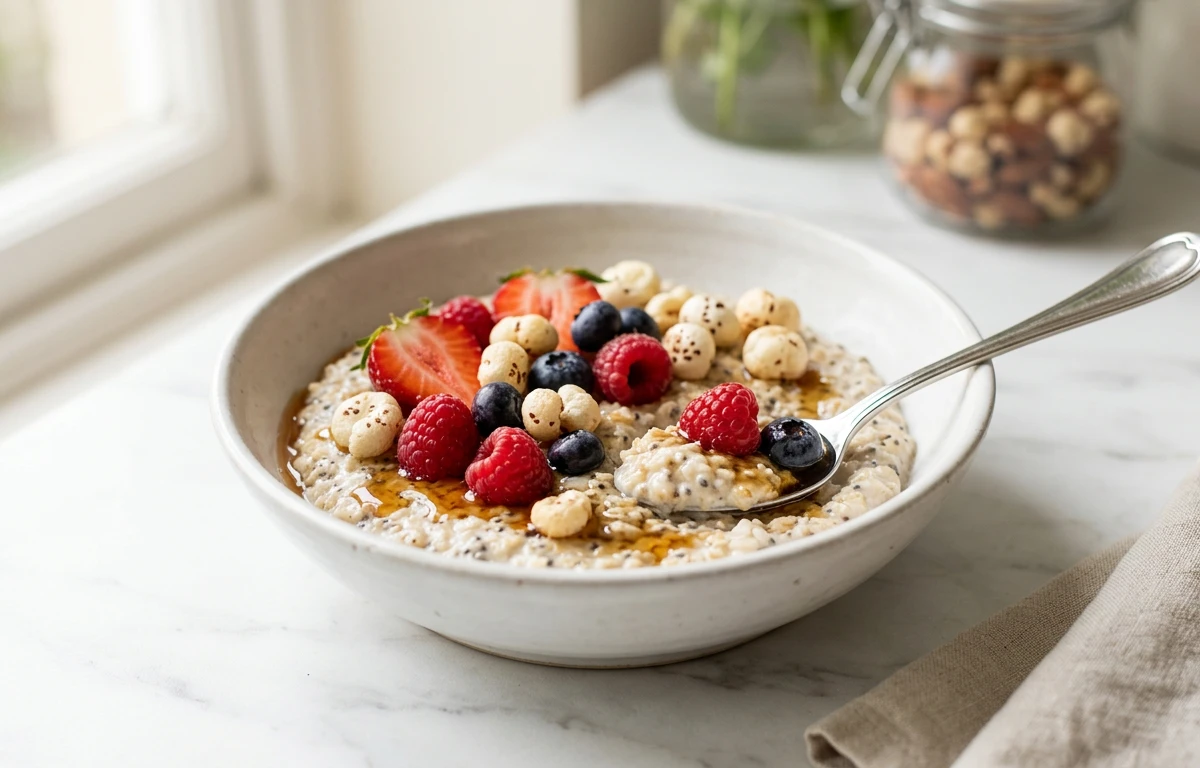
Use it to make oatmeal or overnight oats. You'll get a creamier texture and a solid protein boost that water just can't provide.
02
Build a better smoothie.
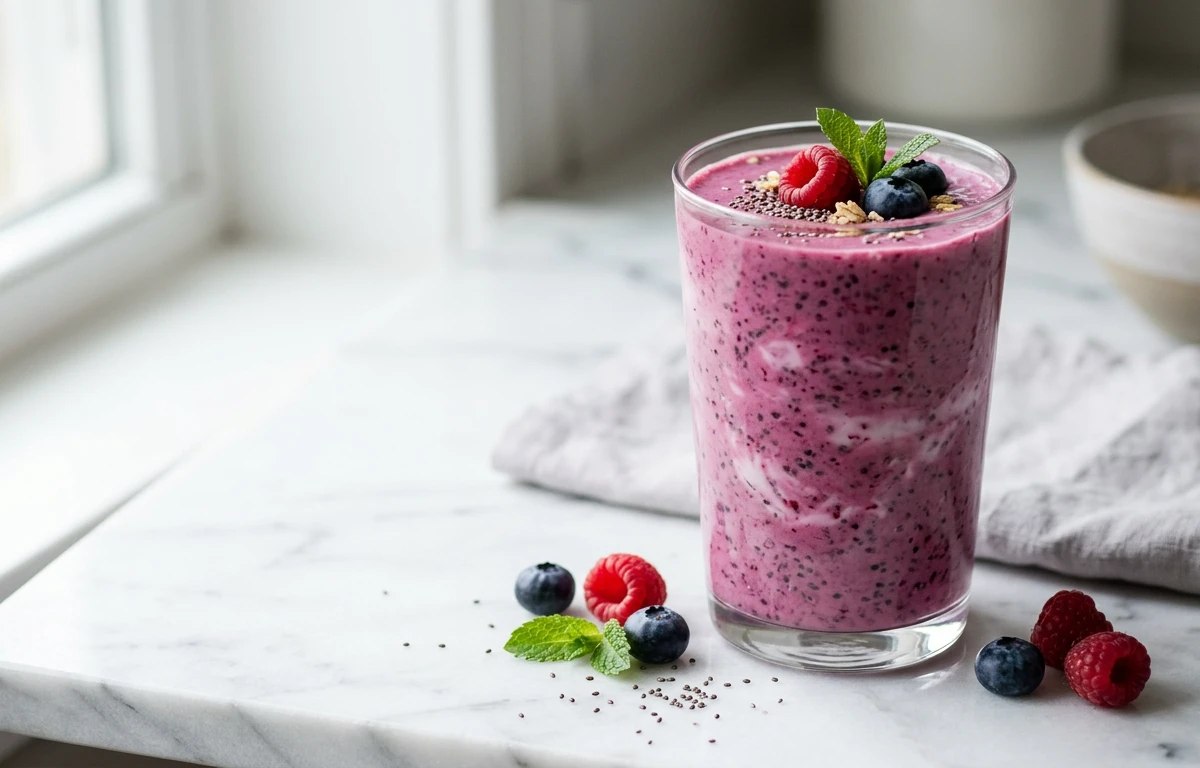
It creates a perfect low-calorie, high-protein base for fruit or green smoothies, keeping you full for longer than a juice-based blend.
03
For post-workout recovery.
A glass of skim milk (or chocolate skim milk) after exercise is a classic for a reason. It provides protein for muscle repair and carbs to replenish energy.
04
Lighten up coffee and tea.
It adds creaminess to your morning brew for a fraction of the calories and fat of heavy cream or whole milk.
05
As a soup base.
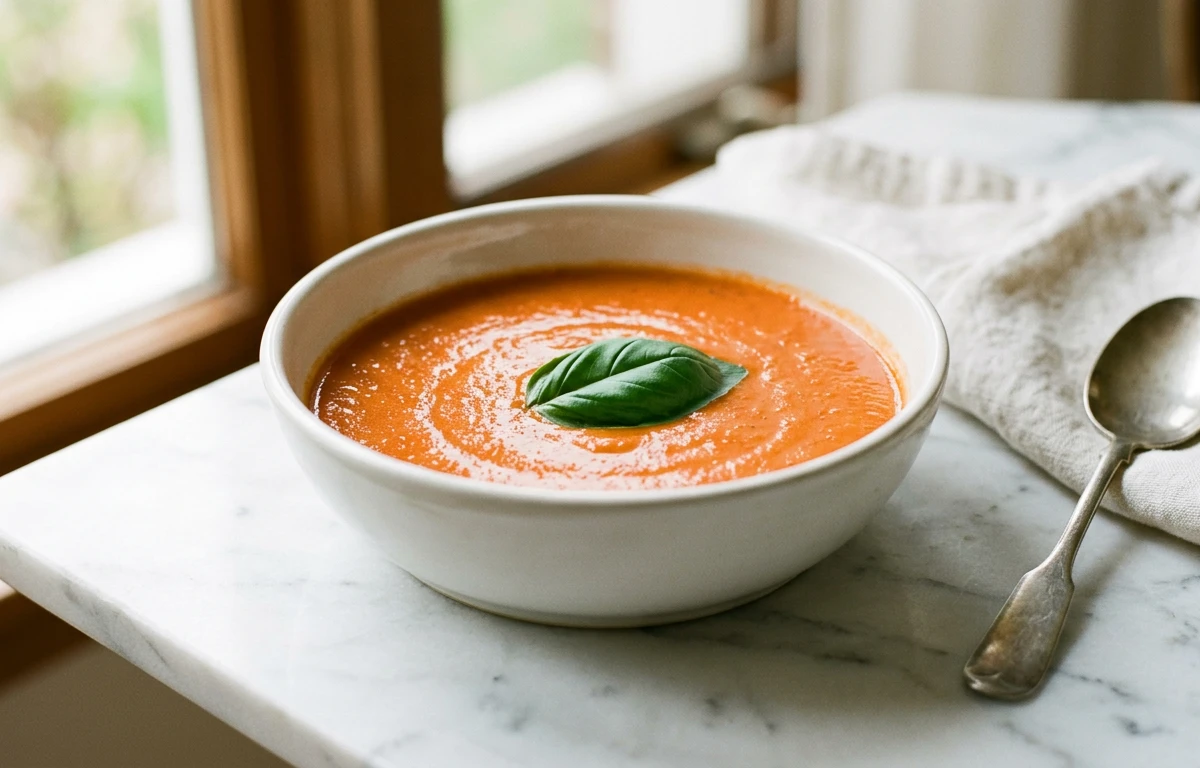
Finishing a pureed vegetable soup (like tomato or butternut squash) with a splash of nonfat milk adds creaminess without adding much fat.
What nonfat milk is good for
01
Lean muscle support
With 3.4g of high-quality whey and casein protein per 100g, it's ideal for muscle maintenance and repair with very few calories.
3.4g
protein
02
Stronger bones
It's a cornerstone of calcium intake for many people, which is essential for bone density. Most milk is also fortified with Vitamin D to help you absorb that calcium.
9%
calcium DV
03
Weight management
The combination of high protein for satiety and very low calorie density makes it a powerful tool in a weight-loss plan.
34
calories
04
Stable blood sugar
As a low-glycemic food, it provides carbohydrate energy without causing sharp peaks and valleys in blood glucose levels.
Low
glycemic
What to pair milk with
Milk is a natural partner for many foods, often used to complete a meal or snack by adding protein.
Drink freely — or be mindful?
Three ways to use it
Three simple recipes that put nonfat milk to work, adding protein and creaminess without the fat.
Want balanced meals built around lean proteins — without the guesswork?
Our meal planner can build a weekly plan that uses ingredients like nonfat milk to hit your protein goals, with portions and macros already calculated and a single grocery list at the end.
Build my weekly plan →SOURCES & REFERENCES · 3
One more thing
Eating well is rarely about willpower. It’s about having a short list of dinners you actually want to eat. Pick two from this list. Make them next week. The rest will follow.
If you want these on autopilot, our weekly meal planner can drop the picks above into your calendar with one click and build a single grocery list from the merged ingredients.
FREQUENTLY ASKED QUESTIONS
Frequently asked questions
Is nonfat milk good for weight loss?
Yes, it can be excellent for weight loss. It's very low in calories but high in protein, which helps you feel full and maintain muscle mass while in a calorie deficit.
Does nonfat milk have less protein than whole milk?
No, they have nearly identical amounts of protein. A cup of nonfat milk has about 8.3 grams of protein, while a cup of whole milk has about 7.7 grams. The main difference is the fat and calorie content.
Is whole milk healthier than nonfat milk?
Neither is inherently 'healthier' — it depends entirely on your goals. If you need more calories and fat-soluble vitamins, whole milk is a good choice. If you want lean protein with minimal calories and fat, nonfat milk is better.
Is the sugar in milk bad for you?
The sugar in milk is lactose, a naturally occurring sugar. Because milk also contains protein and some fat, it has a low glycemic index and doesn't spike blood sugar the way that drinks with added sugar (like soda) do. For most people, it's not a concern.
METHODOLOGY
How this article was created
Built using verified nutrition databases, culinary research, and traditional cooking knowledge — every claim is cross-referenced against the sources listed in the article.
· USDA data· Culinary research· Quality reviewed
Read our methodology →TRANSPARENCY
About this content
Articles are curated using trusted food databases (USDA FoodData Central, IFCT), culinary literature, and dietary guidelines, then structured by our editorial team for clarity, accuracy, and usefulness.
· Verified data sources· Culinary research· Quality reviewed
Read our editorial policy →RELATED RECIPES
Cook from this article
EXPLORE OUR MEALS
Meals that fit this article

AMERICAN · 1677 CAL
Almonds with Sliced Apple + supplement + iron

MEDITERRANEAN · 809 CAL
Greek Yogurt with Berries Almonds and Granola + supplement + iron

GENERAL_HEALTHY · 705 CAL
Banana with Peanut Butter Pregnancy + supplement + iron

MODERN · 982 CAL
Hummus with Crudits and Pita with Fresh Orange Snack + supplement + iron
TAGGED
KEEP READING