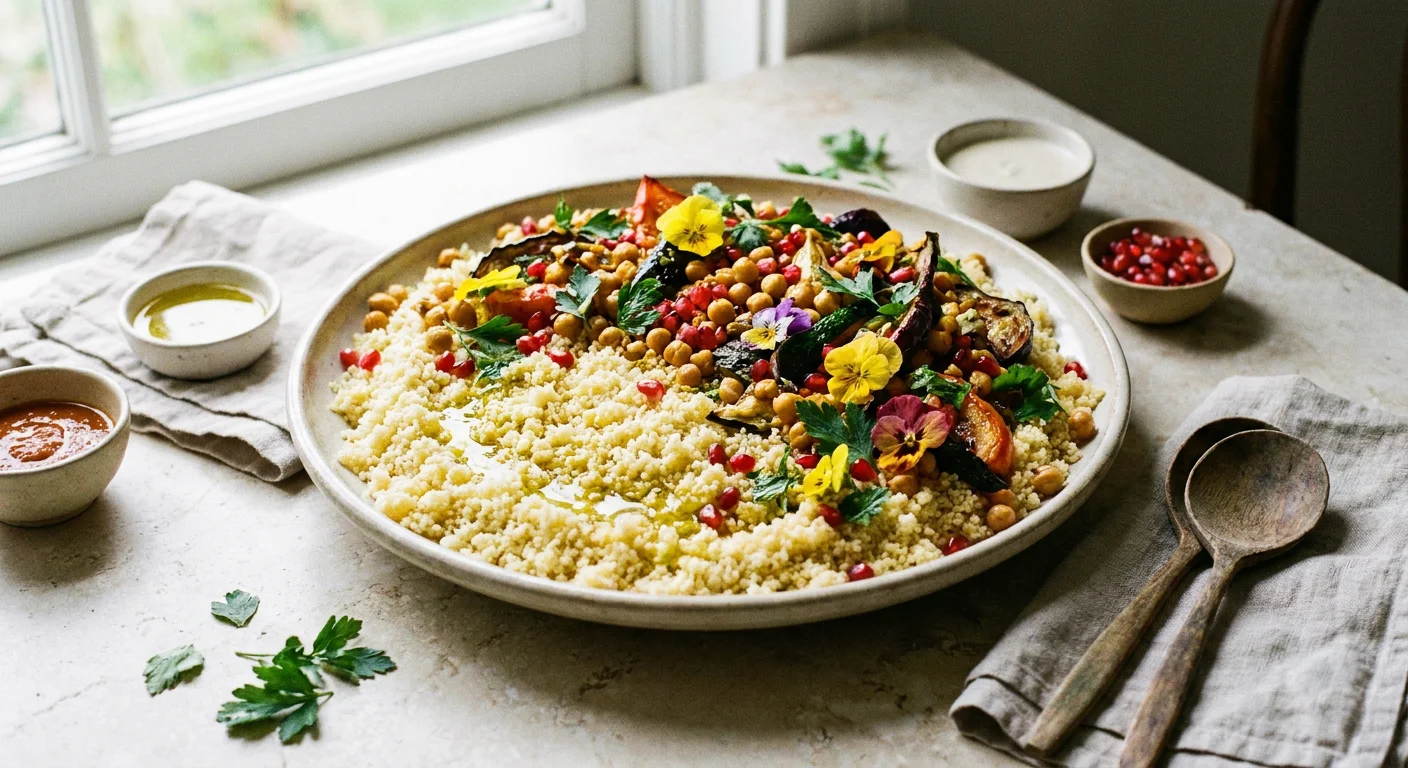
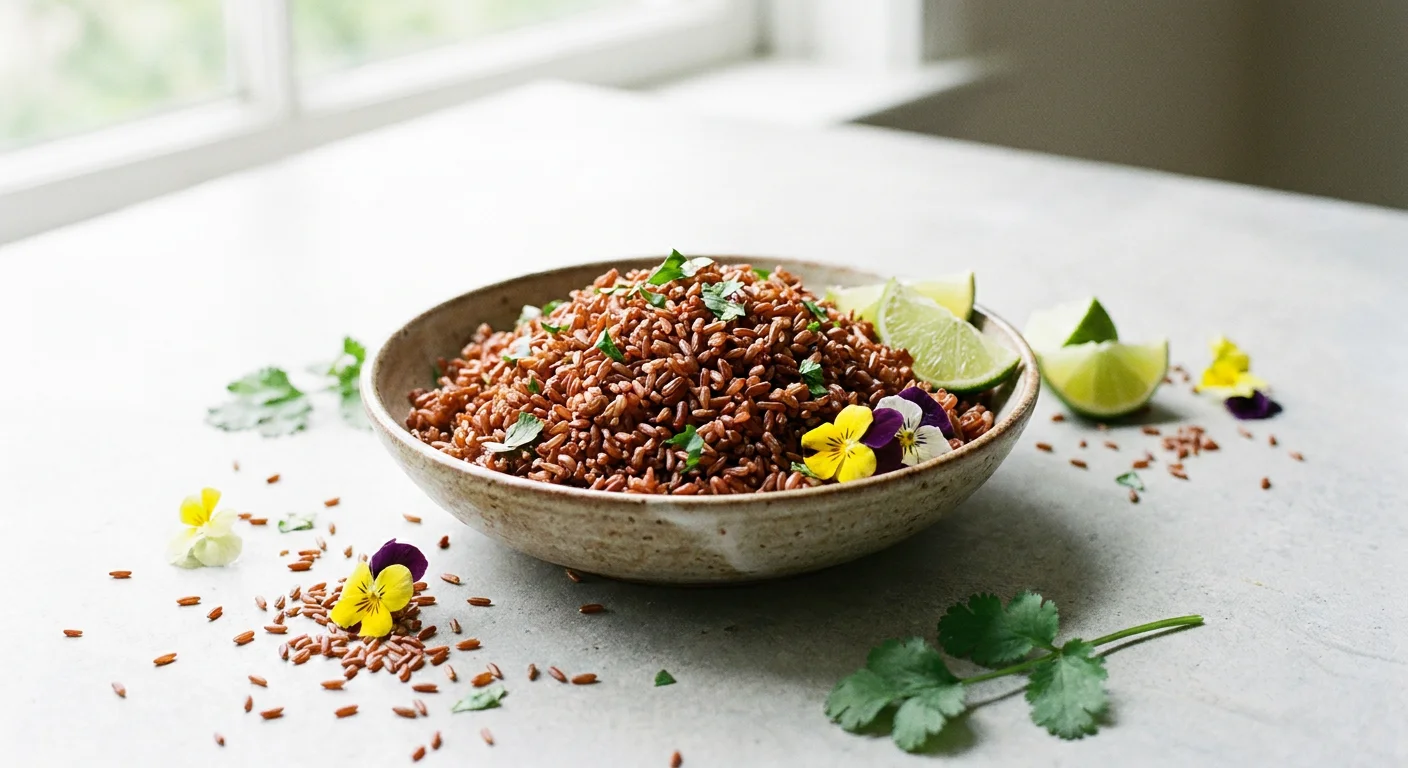
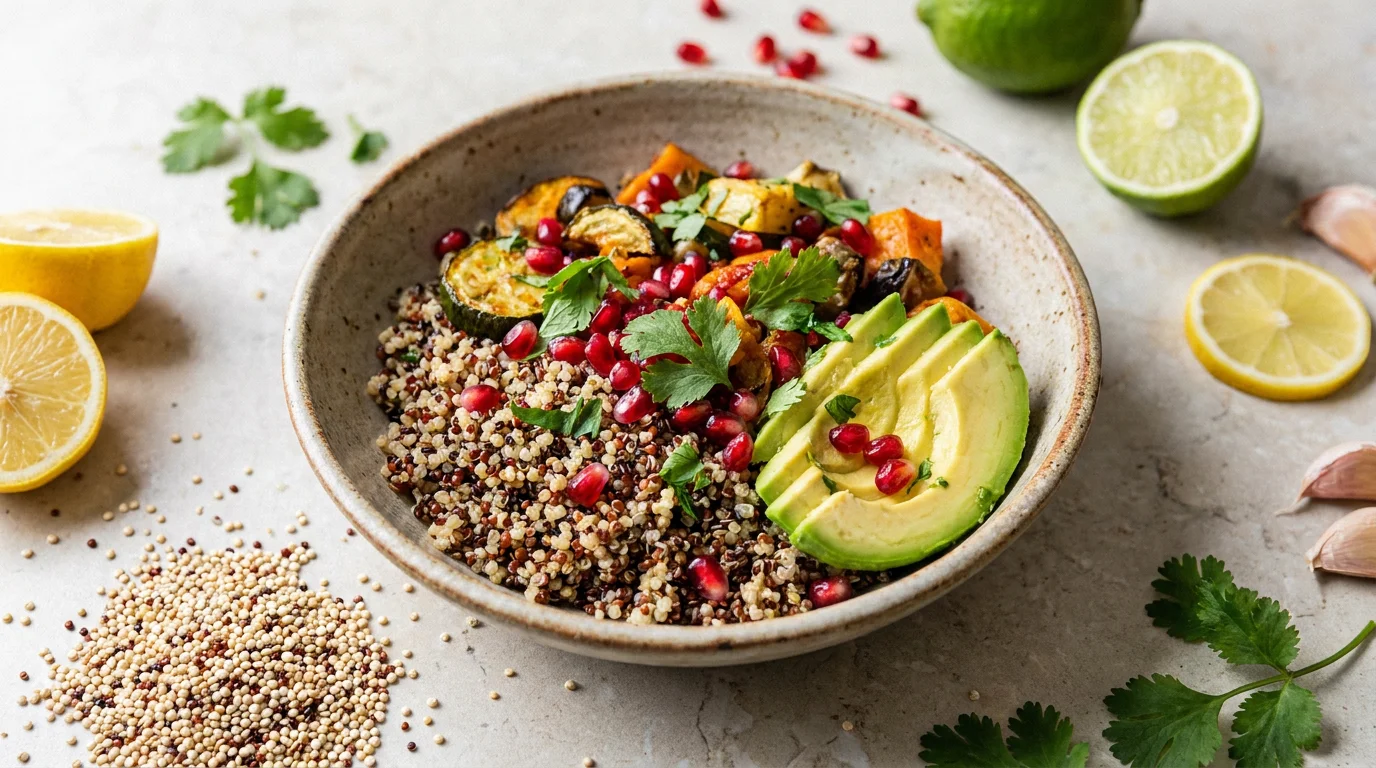
If sorghum isn't in your pantry, you're missing out on one of the most versatile and satisfying ancient grains. Often unfairly relegated to the 'animal feed' category in Western minds, whole grain sorghum is a gluten-free hero with a delightful chew and a mild, nutty flavor. It's a starchy grain, yes, but it's packed with protein and fiber, making it a slow-release carbohydrate that provides steady energy, not a quick spike. It's time to think of it as a sturdier, more interesting alternative to couscous or quinoa.
↑ Whole grain sorghum is a fantastic gluten-free alternative to couscous or barley.
The Comeback Grain
Sorghum is an ancient cereal grain that has been a staple in parts of Africa and Asia for centuries. It's incredibly resilient, able to grow in dry climates where other crops might fail. While it looks a bit like Israeli couscous, its texture is much chewier and heartier, and the flavor is mild, earthy, and a little sweet.
The whole grain is what we're talking about here. You can cook it and eat it like rice or quinoa, pop it like popcorn (though much smaller!), or use its flour for gluten-free baking. Its robust nutritional profile, especially its protein and fibre content, makes it a fantastic addition to a modern, health-conscious diet.
IN ONE LINE
A gluten-free ancient grain with a satisfying chew, sorghum is a slow-release carb packed with protein and fibre. Think of it as a sturdier, nuttier couscous.
Sorghum nutrition facts
Here's the nutritional breakdown for 100 grams of raw, uncooked whole grain white sorghum. Keep in mind that this makes about 2.5 to 3 cups when cooked, so a typical one-cup cooked serving would be about a third of these values.
The standout numbers here are the protein and fibre. At over 11 grams of protein and 6 grams of fibre per 100g serving, sorghum is a nutritional powerhouse that contributes significantly to feeling full and satisfied after a meal. This combination is what makes it such a great, slow-burning source of energy.
Sorghum's Glycemic Index
Glycemic index (GI) tells us how quickly a food containing carbohydrates raises blood sugar. Foods under 55 are low, 56-69 are medium, and 70+ are high.
There isn't one single, universally agreed-upon GI value for sorghum, as it can vary based on the specific variety and how it's cooked. However, as a high-fibre, high-protein whole grain, it's generally considered to have a moderate glycemic index. It will certainly cause less of a blood sugar spike than refined grains like white bread or sugary cereals, thanks to that fibre and protein which slow down digestion and sugar absorption.
GLYCEMIC INDEX · SORGHUM vs COMMON FOODS
Sorghum has a moderate glycemic impact
Apple
whole fruit
LOW
Pineapple
whole fruit
MODERATE
Sorghum (Whole)
varies; moderate
MODERATE
White bread
refined
HIGH
Cornflakes
refined
HIGH
SCALE 0–90
04590
How to cook it right
Sorghum is easy to cook, but it takes a little longer than quinoa or rice. Getting it right unlocks its fantastic chewy texture.
01
Rinse and soak (optional).
Rinsing your sorghum is always a good idea. Soaking it overnight can reduce cooking time and make it easier to digest, but it's not essential.
02
Use a 1:3 ratio.
For every 1 cup of raw sorghum, use 3 cups of water or broth. Bring to a boil, then reduce the heat to a low simmer.
03
Simmer for 45-60 minutes.
Cover the pot and let it simmer until the grains are tender and have absorbed most of the liquid. It will have a pleasant 'pop' and chewiness when done.
04
Fluff and rest.
Drain any excess liquid, then let the sorghum stand, covered, off the heat for 5-10 minutes. Fluff with a fork before serving.
05
Try popping it!
Heat a dry pan over medium-high heat. Add a tablespoon of sorghum in a single layer. Cover and shake the pan. They'll pop into tiny, crunchy morsels—perfect for sprinkling on salads.
What sorghum is good for
01
A fantastic gluten-free staple
For anyone with coeliac disease or a gluten sensitivity, sorghum is a safe, nutritious, and versatile grain to build meals around.
100%
gluten-free
02
High in plant-based protein
With over 11 grams of protein per 100g (raw), sorghum is a great way for vegetarians and vegans to meet their protein needs and helps keep you full.
11.3 g
protein
03
Sustained, slow-release energy
The combination of complex carbohydrates and high fibre means the energy from sorghum is released slowly, preventing blood sugar spikes and crashes.
6.3 g
fibre
04
Supports gut health
The fibre in sorghum acts as a prebiotic, feeding the beneficial bacteria in your gut microbiome, which is crucial for overall health.
Whole
grain
05
Promotes heart health
As a whole grain rich in fibre, sorghum can help manage cholesterol levels and blood pressure, contributing to a healthy cardiovascular system.
Low
fat
What to pair sorghum with
Sorghum's mild flavor makes it a perfect canvas. Pair it with bold flavors and plenty of vegetables to create a balanced meal.
Eat freely — or be mindful?
Three ways to eat it
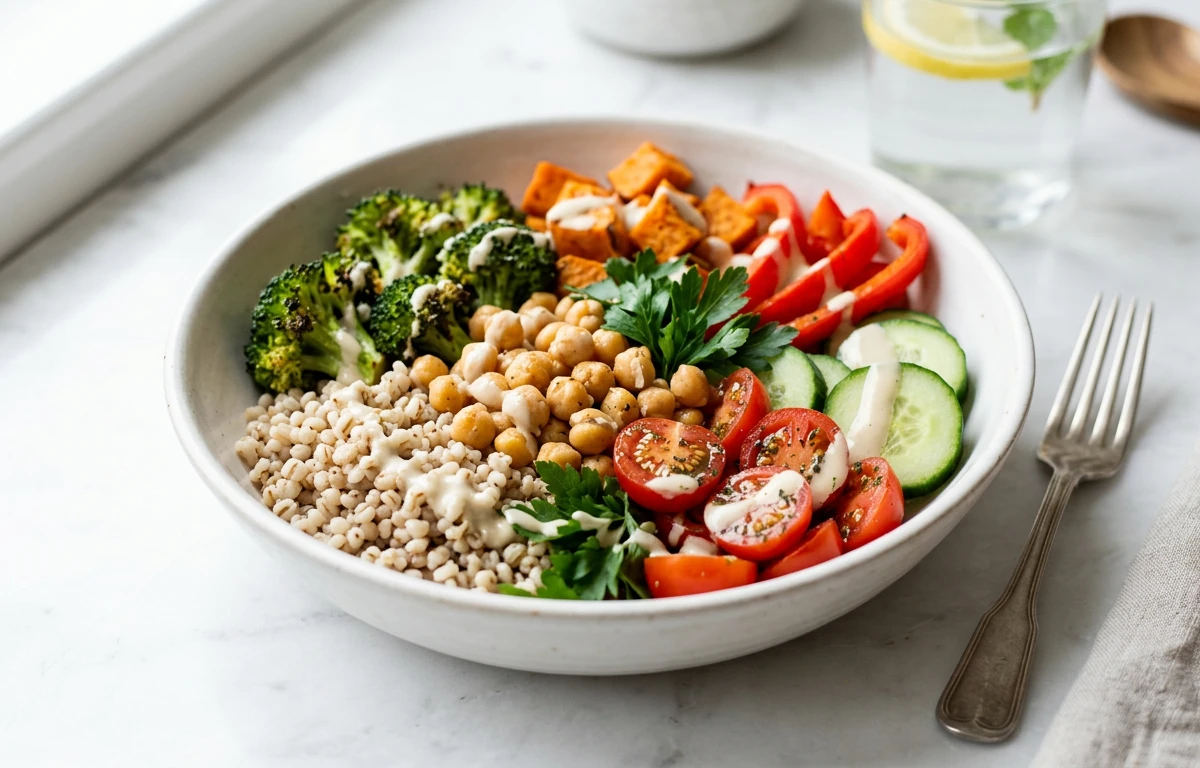
Ready to try it? Here are three simple ways to get sorghum onto your plate.


Want ancient grains worked into a balanced week — without the planning?
Our meal planner incorporates diverse, nutrient-dense grains like sorghum into delicious, easy recipes. We handle the portions and macros, you get a simple plan and a single grocery list.
Build my weekly plan →SOURCES & REFERENCES · 3
One more thing
Eating well is rarely about willpower. It’s about having a short list of dinners you actually want to eat. Pick two from this list. Make them next week. The rest will follow.
If you want these on autopilot, our weekly meal planner can drop the picks above into your calendar with one click and build a single grocery list from the merged ingredients.
FREQUENTLY ASKED QUESTIONS
Frequently asked questions
Is sorghum good for people with diabetes?
It can be, with caution. As a whole grain with a moderate GI and plenty of fibre, it's a better choice than refined grains. However, it's still high in carbohydrates, so strict portion control is essential. Pair it with protein and fat, and monitor your blood sugar.
Is sorghum healthier than quinoa or brown rice?
They're all healthy, just different. Sorghum is higher in protein than brown rice and has a comparable amount to quinoa (per raw weight). Quinoa is a 'complete' protein, meaning it has all nine essential amino acids. The best approach is to rotate all three in your diet for a variety of nutrients and textures.
How do you make sorghum less chewy?
If you find it too chewy, try soaking it overnight before cooking. You can also cook it for a little longer with a bit more water, which will result in a softer texture, more like a risotto or porridge.
Can I use sorghum flour in all my baking?
Sorghum flour is an excellent gluten-free flour, but it works best when blended with other gluten-free flours (like almond or tapioca flour) and a binder like xanthan gum. On its own, it can be a bit dense and dry.
METHODOLOGY
How this article was created
Built using verified nutrition databases, culinary research, and traditional cooking knowledge — every claim is cross-referenced against the sources listed in the article.
· USDA data· Culinary research· Quality reviewed
Read our methodology →TRANSPARENCY
About this content
Articles are curated using trusted food databases (USDA FoodData Central, IFCT), culinary literature, and dietary guidelines, then structured by our editorial team for clarity, accuracy, and usefulness.
· Verified data sources· Culinary research· Quality reviewed
Read our editorial policy →RELATED RECIPES
Cook from this article
EXPLORE OUR MEALS
Meals that fit this article

GENERAL_HEALTHY · 705 CAL
Banana with Peanut Butter Pregnancy + supplement + iron

AMERICAN · 694 CAL
Cottage Cheese with Pineapple Walnuts and Hemp Pregnancy + supplement + iron

AMERICAN · 359 CAL
Apple with Peanut Butter with Glass of Milk + supplement + iron

MEDITERRANEAN · 738 CAL
Greek Yogurt with Berries Walnuts and Honey + supplement + iron
TAGGED
KEEP READING