Red lentils are the unsung heroes of the pantry. They ask for no overnight soak, cook in 20 minutes, and break down into a creamy, comforting base for soups and curries. But don't mistake their speed for a lack of substance. These tiny coral discs are a nutritional powerhouse, packing in more protein than three eggs and a huge dose of fiber, all with a gentle impact on blood sugar.
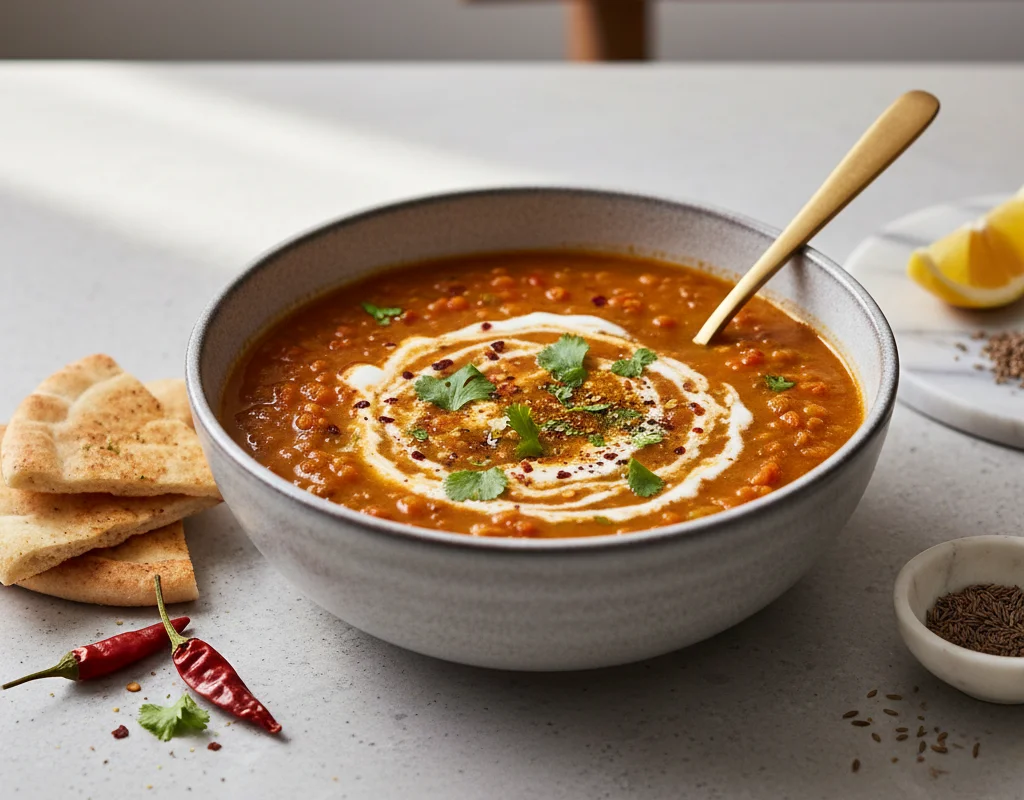
↑ Red lentils are quick-cooking because their seed coat is removed.
The weeknight pantry hero
If you think all legumes are a slow, inconvenient chore, you haven't met red lentils. They're actually the same as brown or green lentils, just with their outer skin (the seed coat) removed. This small difference is everything. It means they don't need soaking and they cook to a soft, creamy consistency in about 20 minutes.
This makes them perfect for weeknight soups, quick curries (dahl), and even dips. You get all the nutritional benefits of a legume — the protein, the fiber, the slow-release energy — without the long prep time. They're cheap, they're versatile, and they're one of the most efficient ways to get serious plant-based nutrition on your plate.
IN ONE LINE
Red lentils are a low-GI, high-protein, high-fiber legume that cooks in 20 minutes with no soaking required. They're a fantastic, affordable staple for steady energy and gut health.
Red lentil nutrition facts
The numbers below are for 100 grams of dry red lentils (about ½ cup), which cooks up to around 2.5 cups. The protein and fiber content is what really stands out.
Nearly 24 grams of protein is huge for a plant food — more than you'd find in a 100g chicken breast. The 11 grams of fiber is almost 40% of your daily needs, which is key for fullness, gut health, and blood sugar control. They're also an incredible source of iron and folate, especially important for plant-based diets and during pregnancy.
Glycemic index of red lentils
There isn't one single, universally agreed-upon GI number for red lentils, as it can change based on how they're cooked. However, every available study puts them firmly in the 'low' glycemic index category. A food is low-GI if it's under 55 on the 0-100 scale. Most tests on cooked red lentils place them somewhere between 25 and 35.
Why so low? The massive dose of fiber and protein acts as a brake, slowing down how quickly your body digests the carbohydrates. This means you get steady energy without the sharp spike and subsequent crash you'd get from refined carbs like white bread.
GLYCEMIC INDEX · RED LENTILS vs COMMON FOODS
Red lentils are firmly in the low-GI band
Cherries
whole fruit
LOW
Red Lentils
cooked
LOW
Apple
whole fruit
LOW
Pineapple
whole fruit
MEDIUM
White bread
refined
HIGH
SCALE 0–90
04590
How to cook them right
Red lentils are forgiving, but a few small tricks make the difference between a delicious, creamy dish and a pot of watery sadness.
01
Rinse them first.
Give them a quick rinse in a fine-mesh sieve to wash away any dust or debris. This takes 10 seconds and improves the flavor.
02
Use a 1:3 ratio.
For every 1 cup of dry lentils, use 3 cups of water or broth. This is a good starting point for a thick, soup-like consistency.
03
Simmer, don't boil.
Bring the pot to a boil, then immediately reduce to a gentle simmer. Boiling them hard can make them foam up and turn to absolute mush too quickly.
04
Season at the end.
Adding salt too early can sometimes make lentils tough (though this is less of an issue with red lentils). It's best practice to add salt and acidic ingredients like lemon juice after they're tender.
05
They're done when they're soft.
For red lentils, 'done' means they've broken down and lost their shape. This usually takes 15-20 minutes. If you want them to hold their shape a bit more, check them at 12 minutes.
What red lentils are good for
01
Serious plant-based protein
With nearly 24g of protein per 100g, lentils are a cornerstone for muscle repair, satiety, and building a strong vegetarian or vegan diet.
24 g
protein
02
A huge dose of filling fiber
The 11g of fiber keeps you full for hours, supports healthy digestion, and feeds the good bacteria in your gut.
11 g
fiber
03
Steady, low-glycemic energy
The combination of fiber and protein prevents blood sugar spikes, making lentils a fantastic carb source for sustained energy and metabolic health.
Low
GI
04
Heart health support
The soluble fiber in lentils can help lower LDL ('bad') cholesterol, and their high potassium and low sodium content helps manage blood pressure.
<1%
sodium DV
What to pair with red lentils
Red lentils have a mild, earthy flavor that's a perfect canvas for spices and other ingredients. Pairing them well is key to a delicious meal.
Eat freely — or be mindful?
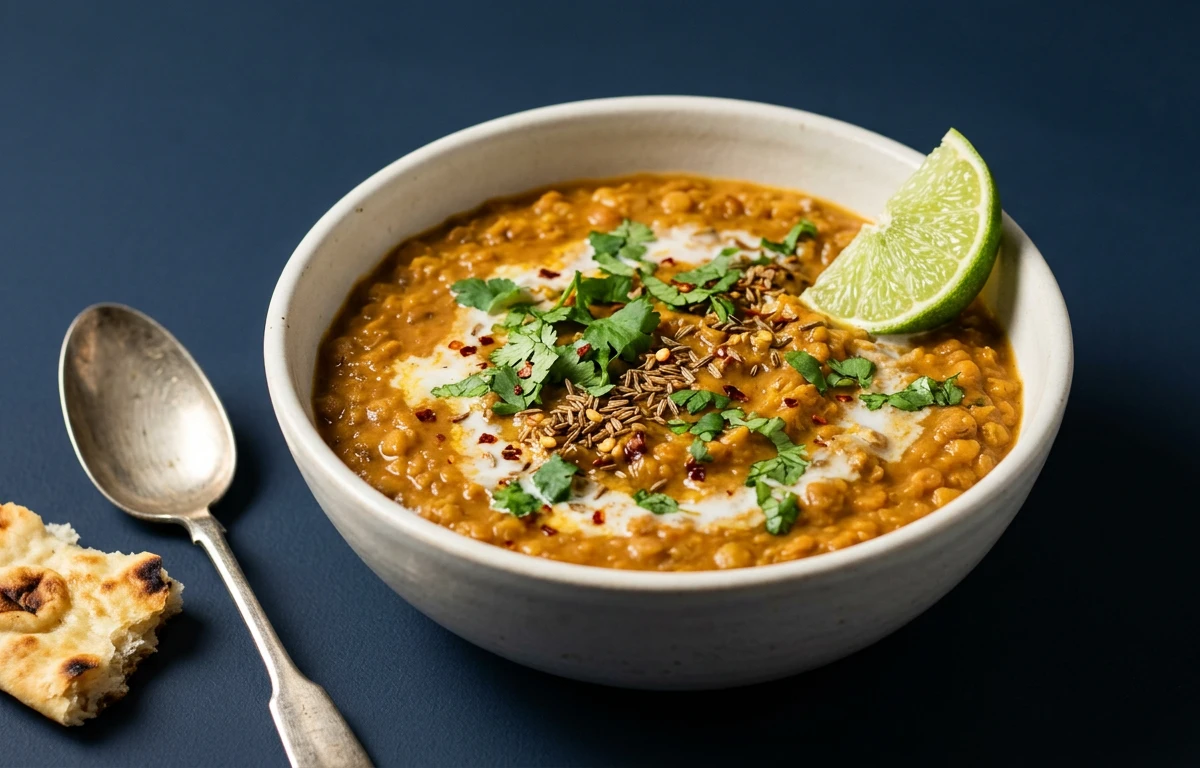
Three easy lentil recipes
Beyond basic soup, red lentils are incredibly versatile. Here are three simple ideas to get you started.
Want more balanced, high-protein meals planned for you?
Our meal planner builds a weekly menu around staples like lentils, pairing them with the right ingredients for balanced macros and maximum nutrition — all with a single, simple grocery list.
Build my weekly plan →SOURCES & REFERENCES · 3
One more thing
Eating well is rarely about willpower. It’s about having a short list of dinners you actually want to eat. Pick two from this list. Make them next week. The rest will follow.
If you want these on autopilot, our weekly meal planner can drop the picks above into your calendar with one click and build a single grocery list from the merged ingredients.
FREQUENTLY ASKED QUESTIONS
Frequently asked questions
Are red lentils good for people with diabetes?
Yes, they are an excellent choice. Their high fiber and protein content leads to a very low glycemic index, meaning they help keep blood sugar levels stable.
Do you need to soak red lentils before cooking?
No, you don't. Because they are 'split' (with the seed coat removed), they cook very quickly, usually in 15-20 minutes, without any soaking.
Are red lentils a complete protein?
Not quite on their own, but they are very close. They are high in most essential amino acids but slightly low in methionine. Pairing them with a whole grain like rice or bread over the course of a day provides a complete protein profile.
Why do red lentils turn yellow when you cook them?
The vibrant orange-red color of dry red lentils is in their cotyledons (the two halves of the seed). This pigment is water-soluble and fades during cooking, revealing the natural yellow color of the cooked lentil.
METHODOLOGY
How this article was created
Built using verified nutrition databases, culinary research, and traditional cooking knowledge — every claim is cross-referenced against the sources listed in the article.
· USDA data· Culinary research· Quality reviewed
Read our methodology →TRANSPARENCY
About this content
Articles are curated using trusted food databases (USDA FoodData Central, IFCT), culinary literature, and dietary guidelines, then structured by our editorial team for clarity, accuracy, and usefulness.
· Verified data sources· Culinary research· Quality reviewed
Read our editorial policy →RELATED RECIPES
Cook from this article
EXPLORE OUR MEALS
Meals that fit this article

AMERICAN · 1677 CAL
Almonds with Sliced Apple + supplement + iron

MEDITERRANEAN · 809 CAL
Greek Yogurt with Berries Almonds and Granola + supplement + iron

GENERAL_HEALTHY · 705 CAL
Banana with Peanut Butter Pregnancy + supplement + iron

MODERN · 982 CAL
Hummus with Crudits and Pita with Fresh Orange Snack + supplement + iron
TAGGED
KEEP READING