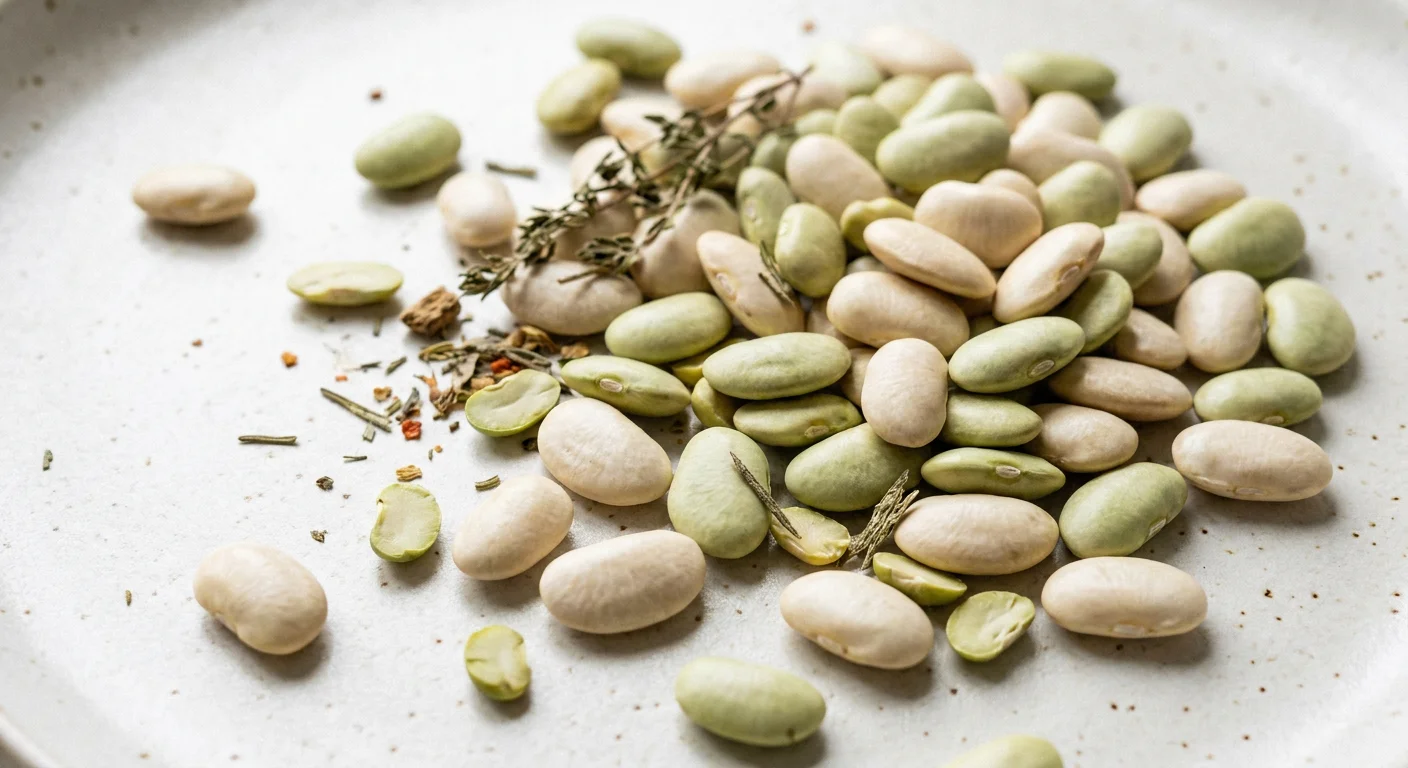
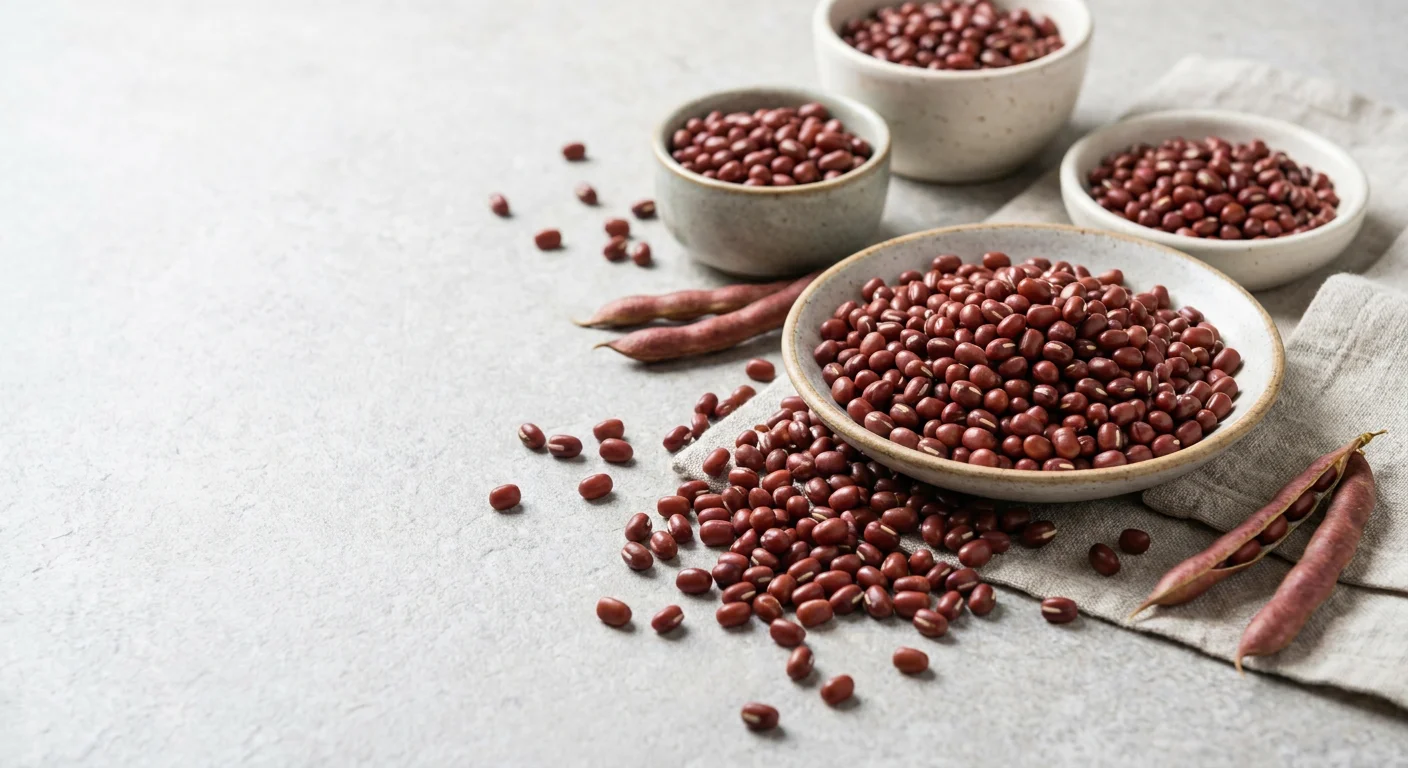
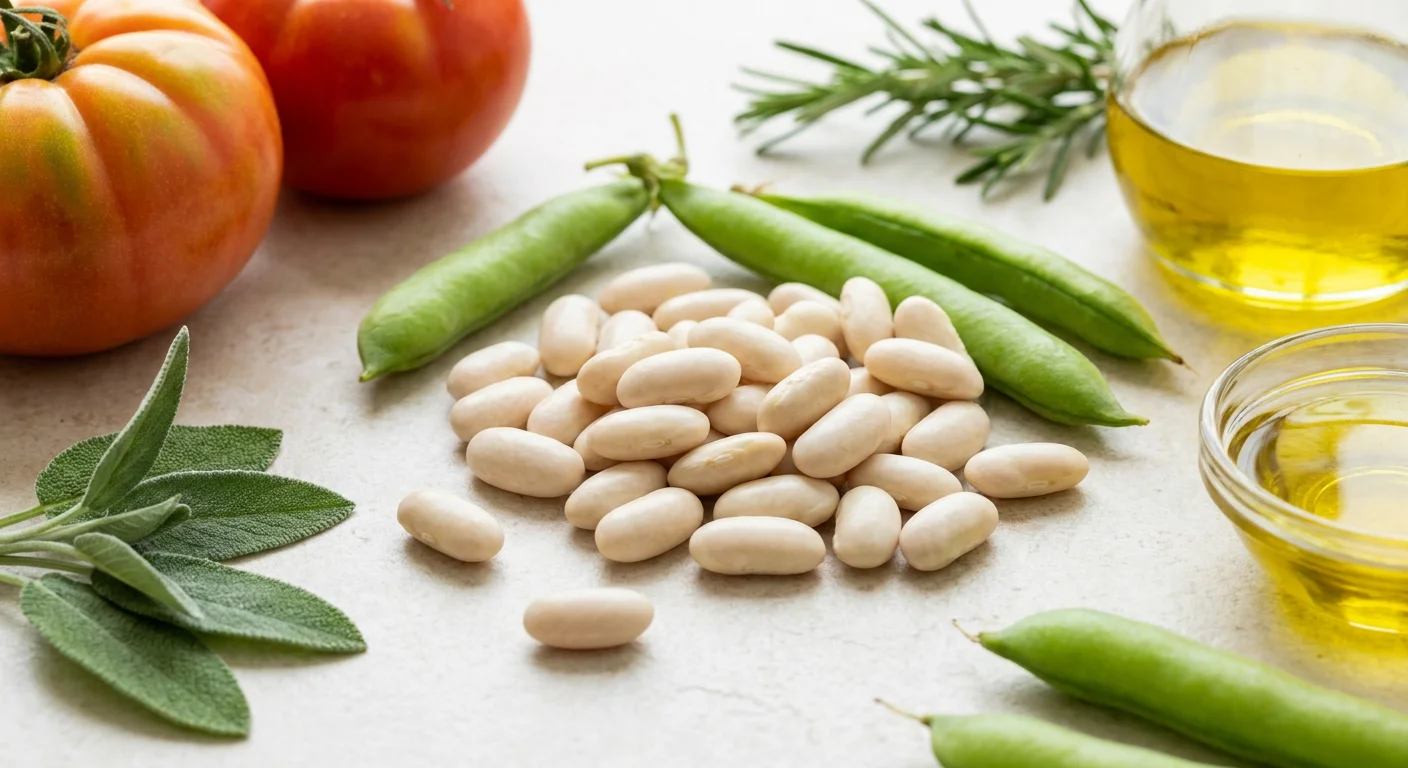
Kidney beans are too often relegated to a bit-part in chili. It's a real shame, because on their own, they're one of the most balanced, affordable, and satisfying foods you can put on a plate. They're packed with an impressive amount of plant protein and a staggering level of fiber, all while having a very gentle effect on blood sugar. Forget thinking of them as a filler; it's time to see them as the main event.
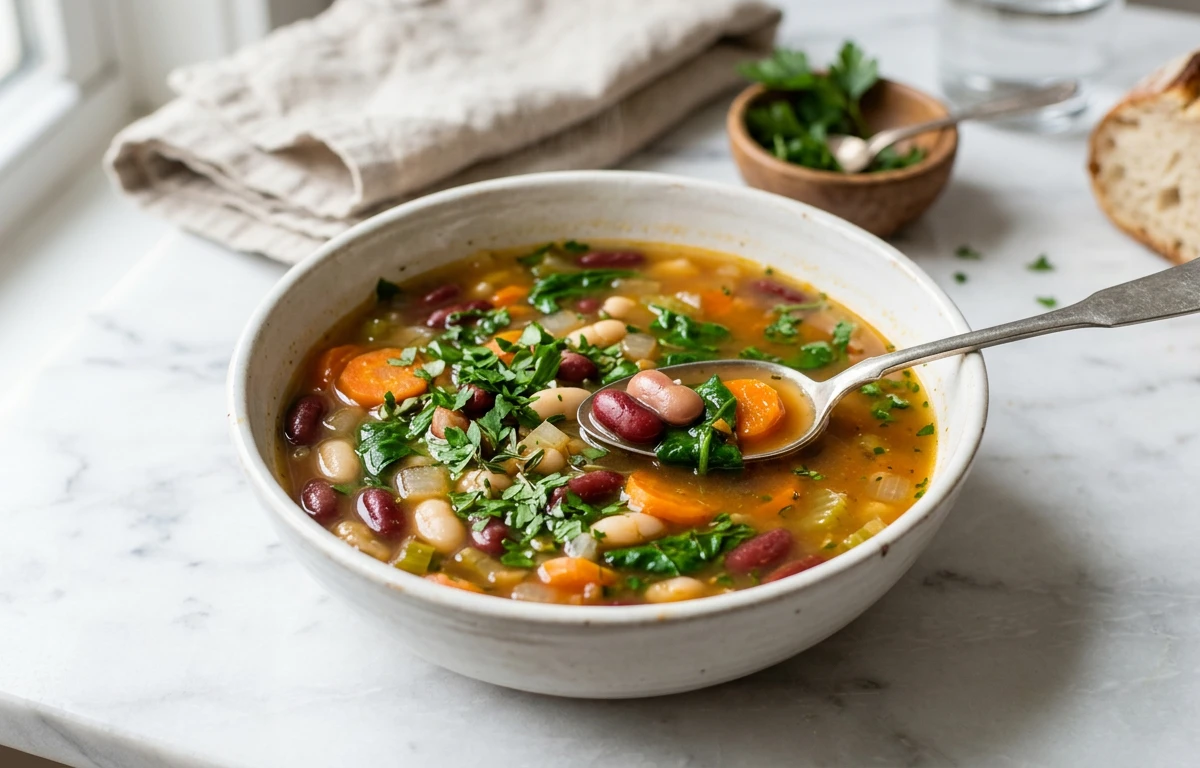
↑ Kidney beans are a fantastic source of plant protein and fiber.
The ultimate pantry staple
There are few foods as nutritionally dense and wallet-friendly as the kidney bean. They deliver a one-two punch of high-quality plant protein and huge amounts of fiber, which is the magic combination for feeling full, managing blood sugar, and supporting a healthy gut.
While they're famous for their role in a hearty chili, they're incredibly versatile. You can mash them into burgers, toss them into salads, or stir them into soups and stews. The key thing to remember is that they must, without exception, be cooked thoroughly before you eat them.
IN ONE LINE
Kidney beans are a low-fat, low-GI food loaded with plant protein and fiber, making them a fantastic choice for blood sugar control and satiety.
Kidney bean nutrition facts
Here’s a look at the nutritional profile for a 100-gram serving of cooked kidney beans, which is about half a can or a little over half a cup.
The numbers that jump out are the protein and fiber. At over 22 grams of protein and 15 grams of fiber per 100g, kidney beans are a true heavyweight. This combination is why they are so satisfying and have such a stabilizing effect on blood sugar. The carbs are plentiful, but they're complex and slow-releasing, not the kind that cause a rapid spike and crash.
Never, ever eat raw or undercooked kidney beans. They contain a toxic lectin called phytohaemagglutinin that is only destroyed by proper, vigorous boiling. Canned beans are already cooked and are safe to eat.
Kidney beans and your blood sugar
While a specific, universally agreed-upon glycemic index number for kidney beans can be elusive, they are consistently categorized as a low-GI food. Why? The massive amount of fiber and protein acts as a brake, slowing down the digestion and absorption of the carbohydrates. This means you get steady, sustained energy rather than a quick sugar rush, making them an excellent food for anyone managing blood sugar levels, including those with type 2 diabetes.
GLYCEMIC INDEX · KIDNEY BEANS vs COMMON FOODS
Kidney beans are firmly in the low-GI band
Kidney Beans
cooked
LOW
Apple
whole fruit
LOW
Mango
whole fruit
LOW
White bread
refined
HIGH
Cornflakes
refined
HIGH
SCALE 0–90
04590
How to prep them right
If you're using dried kidney beans, preparation is not optional — it's essential for safety. Here's the non-negotiable process.
01
Soak them overnight.
Cover dried beans with plenty of cold water and let them soak for at least 8 hours, or overnight. This starts the rehydration process and helps them cook evenly.
02
Drain and rinse.
Discard the soaking water, which can contain compounds that cause digestive upset, and give the beans a good rinse under fresh water.
03
Boil them hard.
Cover the beans with fresh water in a large pot and bring to a rolling boil. You must boil them vigorously for at least 10 minutes to destroy the toxic lectins. After that, you can reduce the heat and simmer until tender, which can take 1-2 hours.
04
Or, just use canned.
For convenience, canned kidney beans are a perfect shortcut. They are already cooked and ready to go. Just give them a rinse to wash away excess sodium from the canning liquid.
What kidney beans are good for
01
Excellent for blood sugar control
The potent combination of fiber, protein, and complex carbs leads to a very slow release of sugar, preventing spikes.
Low
Glycemic Index
02
A plant-protein powerhouse
With over 22g of protein per 100g, kidney beans are a superb source for building muscle, repairing tissue, and keeping you full.
22.5g
protein
03
Incredible for gut health
The 15g of fiber includes resistant starch and other prebiotics that feed beneficial gut bacteria, promoting a healthy microbiome.
15.2g
fiber
04
Supports heart health
The soluble fiber in kidney beans can help lower LDL ('bad') cholesterol, and they're naturally low in fat and sodium.
1.1g
fat
What to pair kidney beans with
Kidney beans have a mild, earthy flavor that plays well with others. Pair them with these foods for a balanced and delicious meal.
Who should eat them?
Three ways with kidney beans
Beyond the obvious chili, here are three simple ways to get more kidney beans into your week.
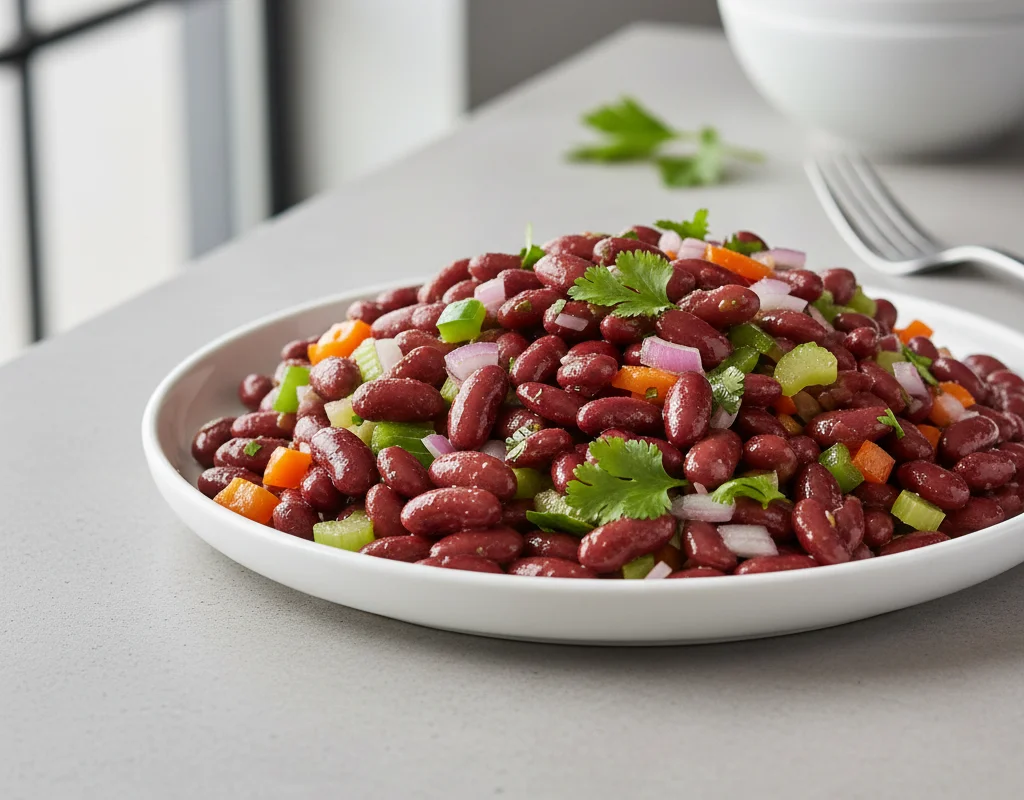
Want more high-protein, plant-based meals in your week?
Our meal planner can build you a personalized week of meals rich in fiber and plant protein, with smart pairings and a single, simple grocery list.
Build my weekly plan →SOURCES & REFERENCES · 3
One more thing
Eating well is rarely about willpower. It’s about having a short list of dinners you actually want to eat. Pick two from this list. Make them next week. The rest will follow.
If you want these on autopilot, our weekly meal planner can drop the picks above into your calendar with one click and build a single grocery list from the merged ingredients.
FREQUENTLY ASKED QUESTIONS
Frequently asked questions
Are canned kidney beans as healthy as dried?
Yes, they are very healthy. Canned beans are simply cooked dried beans. The main difference is that canned beans often have added salt. You can remove up to 40% of the sodium by giving them a thorough rinse in a colander before using.
Are kidney beans a carb or a protein?
They're both! Kidney beans are a fantastic source of complex carbohydrates (the slow-digesting, high-fiber kind) and also one of the best sources of plant-based protein. This combination is what makes them so nutritionally balanced.
Why do beans cause gas?
Beans contain oligosaccharides, a type of fiber that our small intestine can't break down. They pass to the large intestine where our gut bacteria ferment them, which produces gas. Soaking beans well and rinsing canned beans can help. Also, eating them more regularly can help your digestive system adapt.
Is it really dangerous to eat undercooked kidney beans?
Yes, it is. Raw or improperly cooked kidney beans contain high levels of a toxin called phytohaemagglutinin, which can cause severe nausea, vomiting, and diarrhea. Boiling them for at least 10 minutes completely destroys the toxin. Slow cookers may not reach a high enough temperature, so it's best to boil them on the stovetop first.
METHODOLOGY
How this article was created
Built using verified nutrition databases, culinary research, and traditional cooking knowledge — every claim is cross-referenced against the sources listed in the article.
· USDA data· Culinary research· Quality reviewed
Read our methodology →TRANSPARENCY
About this content
Articles are curated using trusted food databases (USDA FoodData Central, IFCT), culinary literature, and dietary guidelines, then structured by our editorial team for clarity, accuracy, and usefulness.
· Verified data sources· Culinary research· Quality reviewed
Read our editorial policy →RELATED RECIPES
Cook from this article
EXPLORE OUR MEALS
Meals that fit this article

AMERICAN · 1677 CAL
Almonds with Sliced Apple + supplement + iron

MEDITERRANEAN · 809 CAL
Greek Yogurt with Berries Almonds and Granola + supplement + iron

GENERAL_HEALTHY · 705 CAL
Banana with Peanut Butter Pregnancy + supplement + iron

MODERN · 982 CAL
Hummus with Crudits and Pita with Fresh Orange Snack + supplement + iron
TAGGED
KEEP READING