Scallion: Vitamin C, Fiber, Glycemic Index & How to Use Them: verified nutrition facts, glycemic context, serving guidance, and practical cooking ideas.
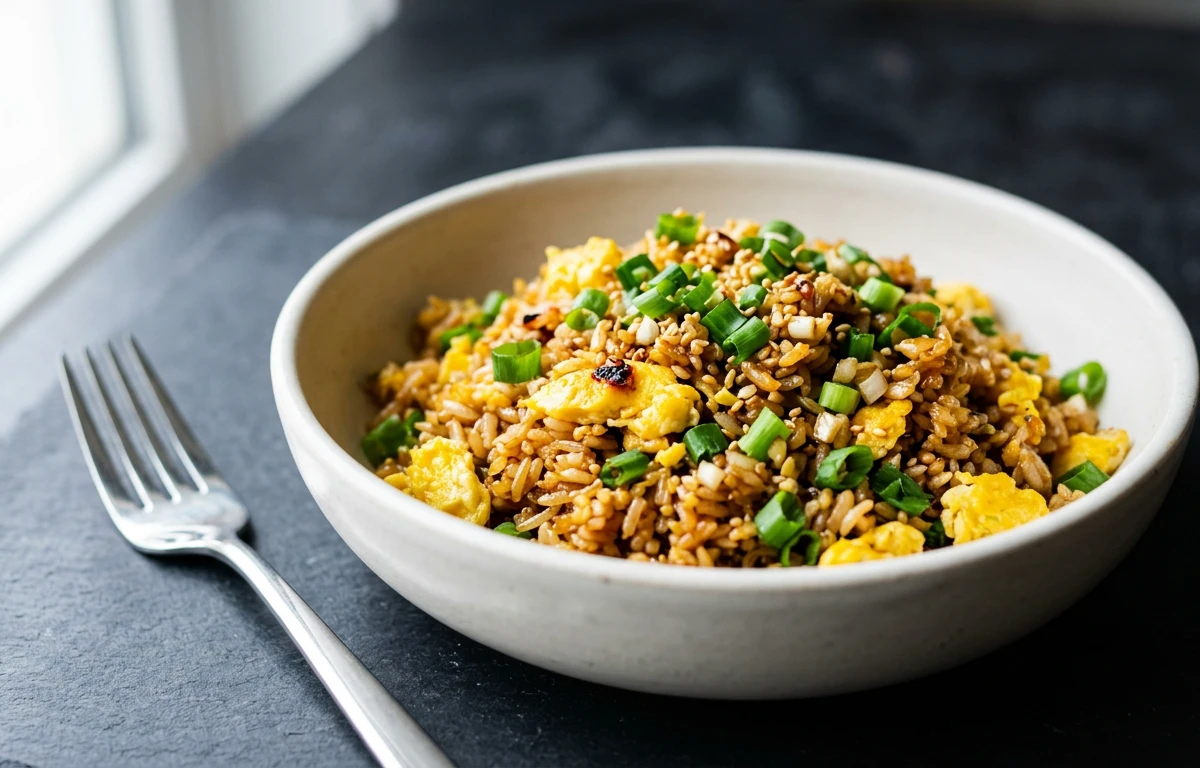
↑ More than just a garnish — scallions bring flavor and real nutrition.
The underrated onion
A scallion is essentially an immature onion, harvested before the bulb has had a chance to swell. This gives it a milder, fresher flavor than a big cooking onion, with a crisp, watery crunch in the white part and a leafy, peppery bite in the green tops. Call them scallions, spring onions, or green onions — they're all pretty much the same thing.
Their real magic is delivering that essential oniony flavor without the overpowering punch or long cooking time. A quick chop and they're ready to go, adding instant brightness to everything from eggs to soup to tacos. But because they're so easy, we forget they're also working hard for us nutritionally.
IN ONE LINE
Scallions are a low-calorie, low-carb, low-GI vegetable that deliver a surprising dose of vitamin C and prebiotic fiber. Use them generously, not just as a garnish.
Scallion nutrition facts
Here's the nutritional breakdown for a 100-gram serving of raw scallions, which is about one cup chopped, or a decent-sized bunch.
For just 32 calories, you get a decent amount of goodness. The 2.6 grams of fiber is great for gut health, and nearly 19 milligrams of vitamin C is a real contribution towards your daily goal — over 20% of what you need in a day. It's also incredibly low in fat and sodium, making it a pure flavor-adder.
Scallion's glycemic index
There isn't an official, lab-tested glycemic index value for scallions, but we don't really need one. As a non-starchy, high-fiber, low-carbohydrate vegetable, its effect on blood sugar is negligible. The few carbohydrates it contains are released very slowly due to the fiber and water content. It's one of those foods you can eat freely without worrying about a sugar spike. Compared to other foods, its impact is tiny.
GLYCEMIC INDEX · SCALLION vs COMMON FOODS
Scallion's glycemic impact is negligible
Scallion
non-starchy veg
LOW
Apple
whole fruit
LOW
Pineapple
whole fruit
MEDIUM
White bread
refined
HIGH
Cornflakes
refined
HIGH
SCALE 0–90
04590
How to get the most from them
It's hard to go wrong with scallions, but a few simple habits make them even better.
01
Use the whole thing.
The white and light green parts are sweeter and more oniony, perfect for cooking. The dark green tops are more delicate and best used raw or added at the very end.
02
Chop them right before you use them.
Like any onion, they release their sharp, healthy compounds when cut. For the best flavor and benefit, slice them fresh.
03
Don't overcook them.
A quick stir-fry or a gentle wilt is all they need. Overcooking makes them lose their fresh snap and some of their vitamin C.
04
Store them like flowers.
To keep them crisp, stand the bunch root-down in a jar with an inch of water, and cover loosely with a plastic bag in the fridge.
05
Use them generously.
Stop thinking of them as a garnish. Use a whole chopped scallion in your scrambled eggs or a handful in a salad. That's where the nutrition adds up.
What scallions are good for
01
Low-calorie flavor
At just 32 calories per 100g, scallions provide a huge amount of savory, oniony flavor, helping to make healthy food delicious without adding fat, sugar, or salt.
32
calories
02
A good source of Vitamin C
A 100g serving delivers over 20% of your daily vitamin C, which is vital for immune function, skin health, and acting as an antioxidant.
21%
vit C DV
03
Supports gut health
With 2.6g of fiber, scallions feed beneficial gut bacteria. They contain a type of fiber called fructans, which act as prebiotics.
2.6 g
fiber
04
Blood sugar friendly
With very few net carbs and a negligible glycemic index, scallions are an excellent vegetable for anyone managing blood sugar levels.
Low
glycemic
What to pair scallions with
Scallions are a team player. Their fresh, pungent flavor cuts through richness and adds brightness to almost any savory dish.
Eat freely — or be mindful?
Three ways to use them
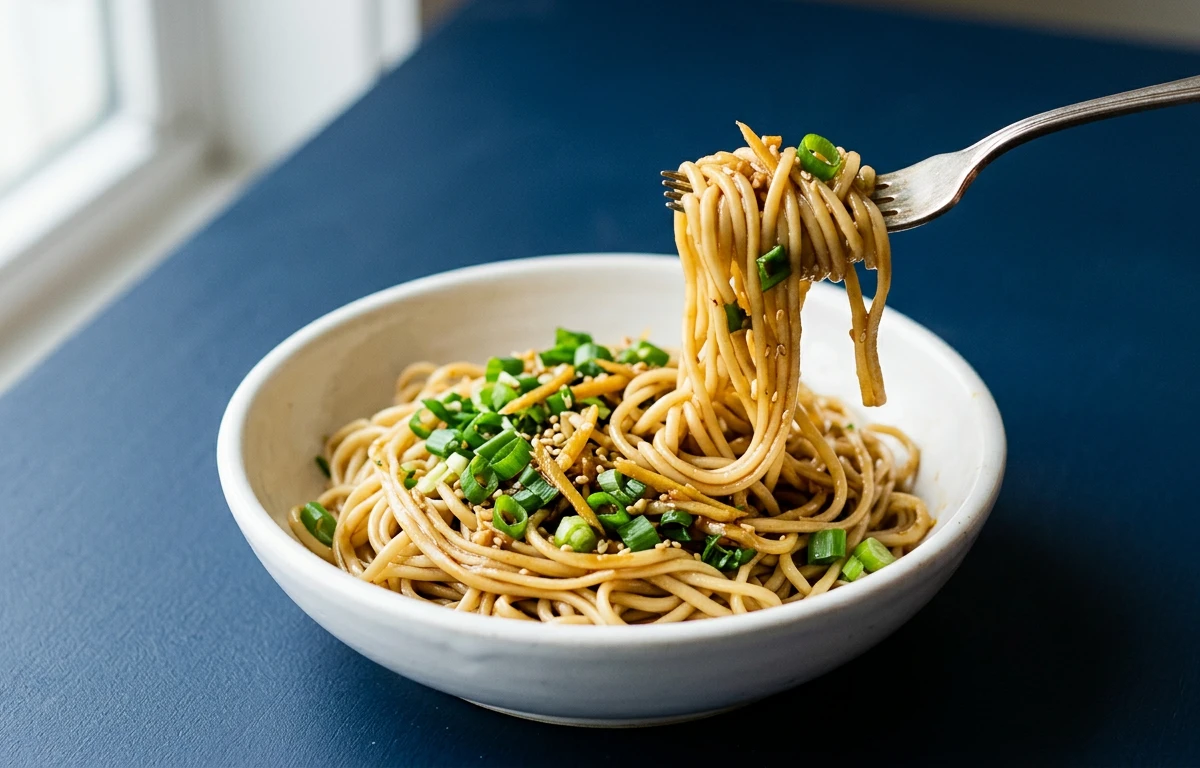
Move beyond the sprinkle. Here are three recipes where scallions are the star of the show.

Want more smart, flavorful ingredients in your week?
Our meal planner uses fresh, powerful ingredients like scallions to build balanced meals, with portions and macros already calculated and a single grocery list at the end.
Build my weekly plan →SOURCES & REFERENCES · 3
One more thing
Eating well is rarely about willpower. It’s about having a short list of dinners you actually want to eat. Pick two from this list. Make them next week. The rest will follow.
If you want these on autopilot, our weekly meal planner can drop the picks above into your calendar with one click and build a single grocery list from the merged ingredients.
FREQUENTLY ASKED QUESTIONS
Frequently asked questions
Are scallions, spring onions, and green onions the same thing?
Mostly, yes. The terms are often used interchangeably. Technically, spring onions may have a slightly more developed bulb than scallions, but for most cooking purposes, they are identical.
Can you eat the whole scallion?
Yes, absolutely. The white and light green parts have a stronger onion flavor and are great cooked, while the dark green tops are milder and are excellent used raw as a garnish or stirred in at the end of cooking.
Are scallions keto-friendly?
Yes, they are excellent for a keto diet. A 100-gram serving has only about 4.7 grams of net carbohydrates, so you can use them generously to add flavor without worrying about carbs.
Are scallions a good source of anything?
They are a surprisingly good source of vitamin C, with a 100g serving providing about 21% of your daily needs. They also provide a good amount of dietary fiber for very few calories.
METHODOLOGY
How this article was created
Built using verified nutrition databases, culinary research, and traditional cooking knowledge — every claim is cross-referenced against the sources listed in the article.
· USDA data· Culinary research· Quality reviewed
Read our methodology →TRANSPARENCY
About this content
Articles are curated using trusted food databases (USDA FoodData Central, IFCT), culinary literature, and dietary guidelines, then structured by our editorial team for clarity, accuracy, and usefulness.
· Verified data sources· Culinary research· Quality reviewed
Read our editorial policy →RELATED RECIPES
Cook from this article
EXPLORE OUR MEALS
Meals that fit this article

AMERICAN · 1677 CAL
Almonds with Sliced Apple + supplement + iron

MEDITERRANEAN · 809 CAL
Greek Yogurt with Berries Almonds and Granola + supplement + iron

GENERAL_HEALTHY · 705 CAL
Banana with Peanut Butter Pregnancy + supplement + iron

MODERN · 982 CAL
Hummus with Crudits and Pita with Fresh Orange Snack + supplement + iron
TAGGED
KEEP READING