Let's be honest, most people walk right past chayote in the produce aisle. It's that pale green, vaguely pear-shaped thing that looks a bit like a science experiment. But ignoring it is a huge mistake, especially if you're looking for something satisfyingly crunchy, incredibly versatile, and almost comically low in calories. Think of it as a cross between a cucumber and a potato, ready to soak up any flavor you throw at it, raw or cooked.
↑ Chayote: the crisp, mild, and wildly underrated vegetable.
The ultimate low-calorie crunch
Chayote is technically a fruit, but we all use it like a vegetable. It's part of the gourd family, along with cucumbers and melons, which explains its crisp, watery texture and incredibly mild flavor. It doesn't taste like much on its own — and that's its superpower. It's a blank canvas.
Raw, it's crunchy like a jicama or a slightly less sweet apple. Cooked, it turns tender and absorbs flavors beautifully, making it a brilliant, low-carb substitute for potatoes in stews and curries. It's the vegetable you reach for when you want bulk, texture, and hydration without adding a bunch of calories or carbs.
IN ONE LINE
Chayote is a crisp, mild, and extremely low-calorie vegetable (19 kcal/100g) that's fantastic for low-carb diets, weight management, and adding hydrating crunch to any dish.
Chayote nutrition facts
Here's the nutritional breakdown for a 100-gram serving of raw chayote, which is roughly one small chayote or about a cup when diced.
The numbers speak for themselves. At just 19 calories and 4.5 grams of carbs — 1.7 of which are fiber — chayote is mostly water. This makes it an incredibly 'free' food, meaning you can eat a large volume of it to help you feel full without a significant impact on your daily calorie or carb intake. The vitamin C is a nice little bonus.
Chayote's glycemic index
There isn't an official, published glycemic index (GI) for chayote, and there's a simple reason why: there's barely enough carbohydrate in a standard serving to measure a blood sugar response. To have its GI tested, a food needs to contain a specific amount of carbs. Chayote is so low-carb that you'd have to eat a huge, unrealistic amount to even begin to test it.
For all practical purposes, chayote's glycemic index is negligible. It will not spike your blood sugar. It's one of the safest vegetables for anyone managing diabetes or following a low-glycemic diet. Just look at where it would sit compared to other common foods.
GLYCEMIC INDEX · CHAYOTE'S CONTEXT
Chayote's Impact Is Far Below Most Fruits & Grains
Cherries
whole fruit
LOW
Apple
whole fruit
LOW
Pineapple
whole fruit
MEDIUM
White bread
refined
HIGH
SCALE 0–90
04590
How to eat chayote
Getting started with chayote is simple. It doesn't demand much, but a few tips help.
01
Peel it (usually).
The skin is edible, but it can be a bit tough. For raw dishes or a smoother texture when cooked, a quick pass with a vegetable peeler is best.
02
Eat it raw.
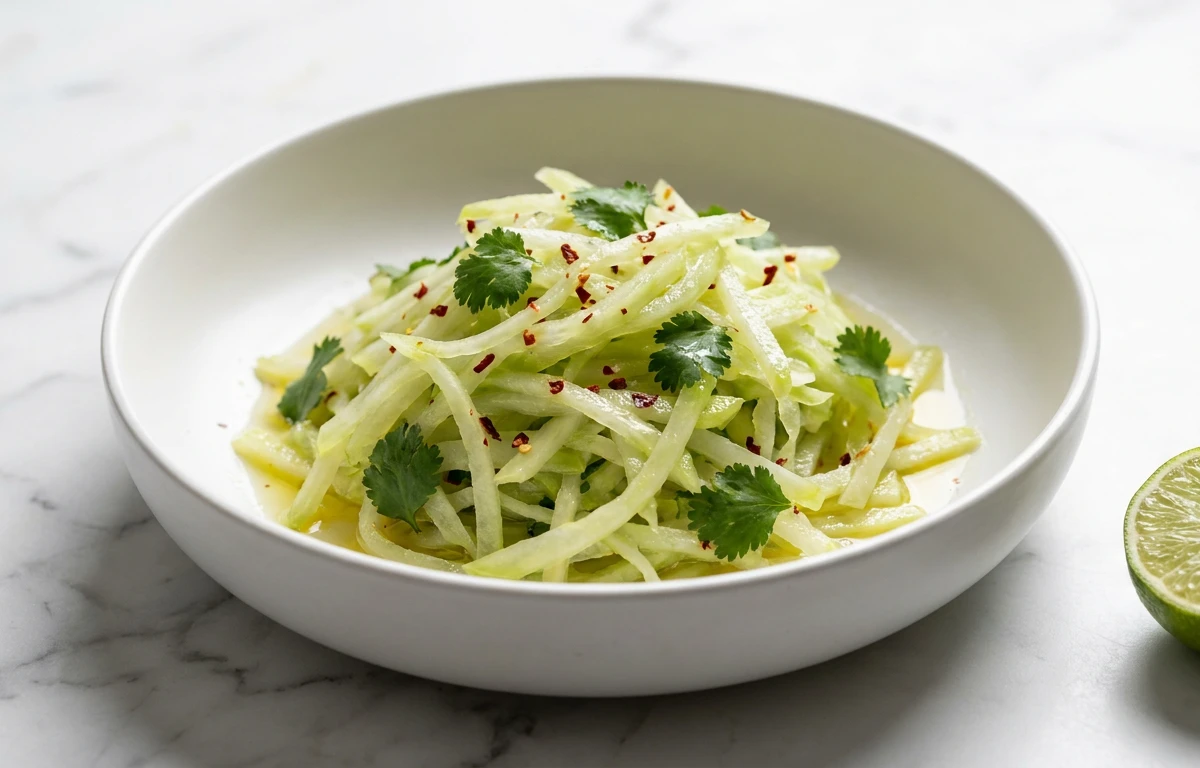
This is where chayote shines. Slice it into thin matchsticks for salads and slaws, or dice it for a crunchy addition to salsas. It's crisp, refreshing, and mild.
03
Cook it simply.
Chayote is fantastic sautéed, roasted, or added to soups and stews. It soaks up flavor, so don't be shy with garlic, herbs, and spices. It cooks faster than potato.
04
Mind the seed.
The central seed is soft and edible, unlike in other squashes. You can eat it right along with the flesh, so there's no need to scoop it out unless you want to.
What chayote is good for
01
Effortless Weight Management
At only 19 calories per 100g and high in water, chayote adds satisfying volume and crunch to meals, helping you feel full on fewer calories.
19
calories
02
Excellent for Low-Carb & Keto
With just 2.8 grams of net carbs per serving, chayote is a versatile, bulk-providing vegetable that easily fits into the strictest low-carb and ketogenic diets.
2.8g
net carbs
03
Blood Sugar Friendly
The extremely low carbohydrate content means chayote has a negligible effect on blood glucose levels, making it an ideal choice for people with diabetes.
GI
negligible
04
Hydration and Gentle Fiber
Composed mostly of water, chayote contributes to your daily hydration needs. It also provides a modest amount of fiber for digestive health.
1.7g
fiber
What to pair chayote with
Chayote's mildness is its strength. It's a team player that lets other ingredients shine. Think of it as a vehicle for flavor.
Is chayote right for you?
Three ways to try it
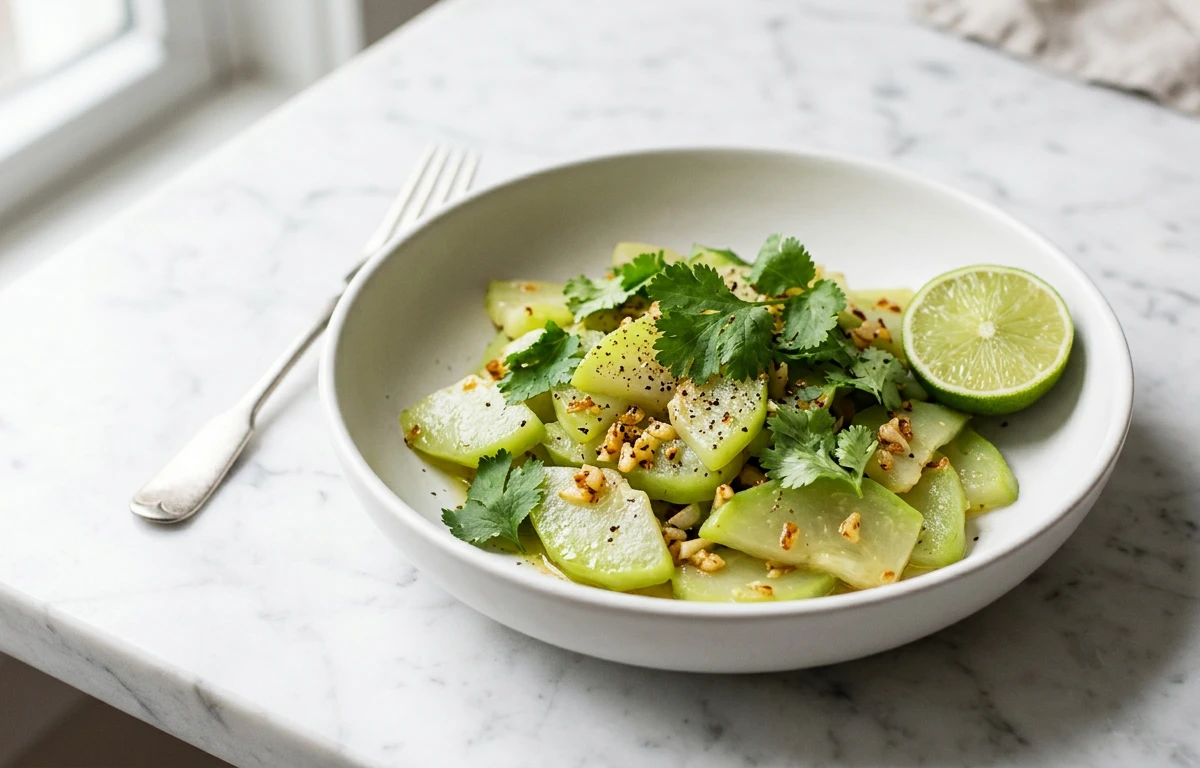
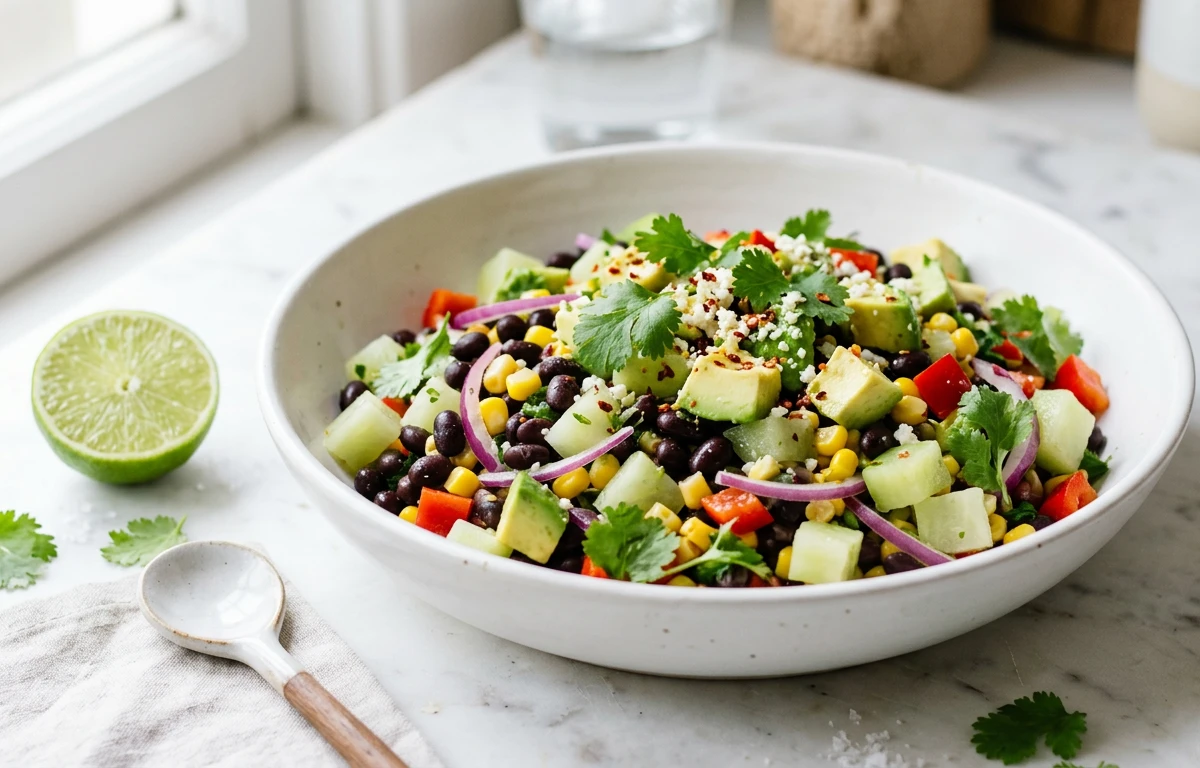
Ready to give it a try? These simple recipes highlight chayote's best qualities.
Want more low-carb vegetables worked into a balanced week?
Our meal planner can build a personalized plan featuring versatile, low-glycemic ingredients like chayote, with portions and macros calculated for you and a single grocery list at the end.
Build my weekly plan →SOURCES & REFERENCES · 3
One more thing
Eating well is rarely about willpower. It’s about having a short list of dinners you actually want to eat. Pick two from this list. Make them next week. The rest will follow.
If you want these on autopilot, our weekly meal planner can drop the picks above into your calendar with one click and build a single grocery list from the merged ingredients.
FREQUENTLY ASKED QUESTIONS
Frequently asked questions
What does chayote taste like?
It has a very mild, neutral flavor and a crisp, watery texture. Think of a cross between a cucumber, jicama, and a hint of apple. It readily absorbs the flavors of whatever it's cooked with.
Do you need to peel chayote?
The skin is edible, but it can be a little tough, especially on older chayotes. For the best texture, especially when eating it raw, it's a good idea to give it a quick peel. The soft seed in the middle is also edible.
Is chayote good for a keto diet?
Yes, it's fantastic for keto. With only 2.8 grams of net carbs per 100 grams, it's one of the best low-carb vegetables you can eat to add bulk and texture to your meals without worrying about your carb count.
How do I store chayote?
Store whole, unwashed chayote in the crisper drawer of your refrigerator. It's quite hardy and can last for several weeks.
METHODOLOGY
How this article was created
Built using verified nutrition databases, culinary research, and traditional cooking knowledge — every claim is cross-referenced against the sources listed in the article.
· USDA data· Culinary research· Quality reviewed
Read our methodology →TRANSPARENCY
About this content
Articles are curated using trusted food databases (USDA FoodData Central, IFCT), culinary literature, and dietary guidelines, then structured by our editorial team for clarity, accuracy, and usefulness.
· Verified data sources· Culinary research· Quality reviewed
Read our editorial policy →RELATED RECIPES
Cook from this article
EXPLORE OUR MEALS
Meals that fit this article

AMERICAN · 1677 CAL
Almonds with Sliced Apple + supplement + iron

MEDITERRANEAN · 809 CAL
Greek Yogurt with Berries Almonds and Granola + supplement + iron

GENERAL_HEALTHY · 705 CAL
Banana with Peanut Butter Pregnancy + supplement + iron

MODERN · 982 CAL
Hummus with Crudits and Pita with Fresh Orange Snack + supplement + iron
TAGGED
KEEP READING